The Bulldog Half of the Pit Bull
So many people talk about "Pit Bulls" without truly understanding the rich, complex history behind these incredible dogs. When you hear the term, it's easy to get lost in modern controversies or breed stereotypes. But to really get to grips with what makes a Pit Bull, we need to dig into their origins, especially the powerful, foundational contribution of the "bulldog half." This guide will help you understand the ancestral traits that shaped your beloved companion, from their physical build to their unwavering spirit.
Understanding the "Bulldog" in Pit Bull History
Before we can even begin to understand the Pit Bull as we know it today, we have to travel back in time to their roots in the British Isles. The term "bulldog" didn't always refer to the lovable, squat, wrinkled couch potatoes we often associate with the name now. It once described a fierce, determined, and incredibly powerful working dog, a true athlete forged for specific, demanding tasks.
The Old English Bulldog: A Working Ancestor
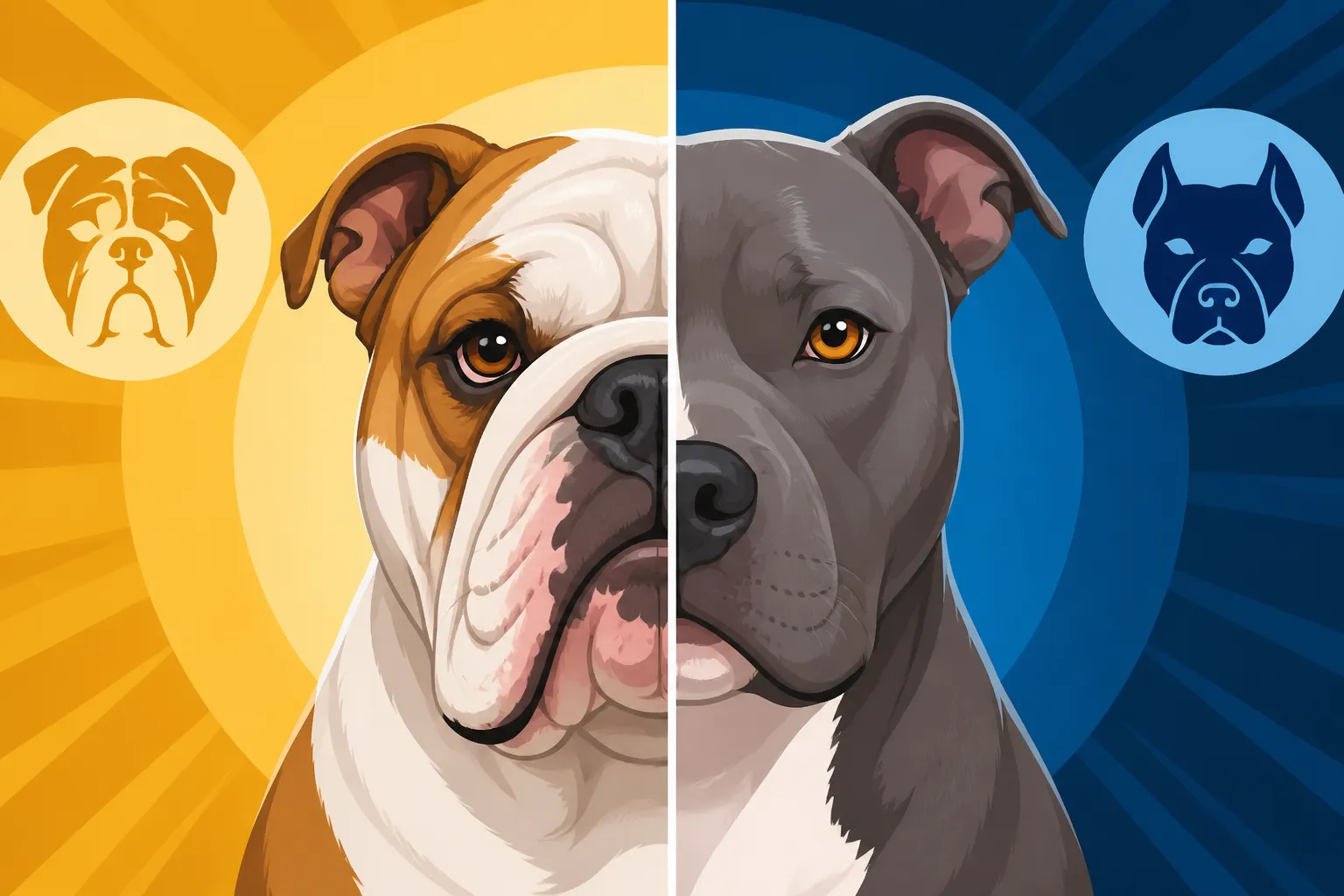
Imagine a dog built for strength and grit, not necessarily beauty contests. That's the Old English Bulldog, the primary ancestor bringing the "bull" into the "Pit Bull." These dogs were developed for bull-baiting, a brutal but common sport in England centuries ago. For this gruesome task, a dog needed immense jaw strength, a low center of gravity to avoid being tossed, incredible pain tolerance, and an unwavering grip. They were sturdy, powerful, and absolutely tenacious, refusing to let go once they had a hold.
These were not the brachycephalic (short-nosed) dogs of today; they had longer muzzles, allowing for better breathing during prolonged physical exertion. Their bodies were compact, heavily muscled, and designed for power. This ancestry endowed the Pit Bull with that famous, formidable drive and physical resilience. It wasn't about aggression towards people, but rather a specialized ability to hold and control large, dangerous animals. Many of these traits, such as their broad heads and incredible neck and shoulder musculature, are direct echoes of these formidable ancestors.
The Cross for Purpose: Bull-and-Terrier Dogs
The official ban on bull-baiting in England in 1835 didn't eliminate the desire for canine sports, it simply shifted them. People moved onto smaller, faster, and often clandestine activities like ratting and dog fighting. For these new sports, the sheer power and grip of the Old English Bulldog needed to be combined with something else: the quickness, agility, and "gameness" of terriers.
Enter the "bull and terrier" crosses. Breeders started combining the bulldog's strength and tenacity with the terrier's sharp reflexes, boundless energy, and spirited nature. The goal was to create a dog that had the bulldog's holding power but was also more agile and quicker on its feet. It's crucial to understand that these crosses were developed for specific functions that, while abhorrent today, were part of the cultural landscape then. This combination laid the genetic groundwork for what would eventually become the various Pit Bull type dogs we see today, including the American Pit Bull Terrier, American Staffordshire Terrier, and Staffordshire Bull Terrier. The British Crosses Behind the Pit Bull These dogs were bred for specific performance traits, and these traits, for better or worse, are what define the Pit Bull's physical and temperamental makeup.
Physical Traits Inherited from Bulldog Ancestry
When you look at a Pit Bull, many of their most distinguishing physical characteristics are direct inheritances from their bulldog ancestors. These aren't just superficial traits; they deeply influence their physical capabilities, health, and even their care needs.
Powerful Build and Musculature
One of the most striking features of any Pit Bull type dog is their athletic, muscular build. They possess a deep, broad chest, powerful shoulders, and a surprisingly nimble frame for their strength. This is a direct genetic gift from the Old English Bulldog, designed for leverage, power, and endurance. This musculature isn't just for show; it's what makes them such fantastic athletes in disciplines like dock diving, agility, and weight pull.
However, this robust build also has implications for their health and care. Maintaining a lean, muscular physique is vital. Overweight Pit Bulls put immense strain on their joints, predisposing them to conditions like hip and elbow dysplasia. Regular, appropriate exercise is necessary to keep their muscles strong and their weight in check. Understanding Pit Bull Weight and Muscle on a Working Frame is crucial for ensuring a long, healthy life for your powerful companion. Their sturdy frames mean they can sometimes tolerate rough play, but we as owners must always be mindful of their physical limits and ensure their exercise is safe and progressive.
Jaw Strength and Bite Style
The Pit Bull's jaw strength is a topic often shrouded in myth and misconception. Let's be clear: Pit Bulls do not have "locking jaws." This is a biological impossibility. What they do possess, thanks to their bulldog ancestry, are incredibly powerful jaw muscles, a broad skull that provides excellent leverage, and a deep, wide mouth. Their bite style is characterized by a strong, sustained grip, a trait that was highly desirable for the bull-baiting activities of their ancestors.
This inherited trait means Pit Bulls can be incredibly destructive chewers if not provided with appropriate outlets. They need durable, high-quality chew toys that can withstand their powerful jaws. Brands like Kong and Nylabone offer products specifically designed for power chewers, and you'll find a wide selection of these on sites like Chewy. Providing suitable chews is not just about saving your furniture; it's about fulfilling a natural, instinctual need. For more on this, you might explore Chews That Hold Up to a Pit Bull. It's also why proper bite inhibition training from a young age is paramount, ensuring they learn to use their mouths gently.
Coat Type and Skin Characteristics
Most Pit Bull type dogs sport a short, stiff, single coat that lies close to the body. This coat type is another nod to their working ancestors, as it's easy to maintain, sheds dirt relatively easily, and doesn't get snagged in brush or during activities. However, their skin, much like many bully breeds, can be prone to certain issues.
Many Pit Bulls inherit a predisposition to skin allergies, often manifesting as redness, itching, or irritation, particularly around the belly, armpits, and paws. This can sometimes be linked to the skin sensitivities seen in some lines of their bulldog ancestors. Pit Bull Skin Allergies and the Atopy Pattern is a common concern. Owners often find themselves experimenting with specialized diets, medicated shampoos, or supplements to manage these conditions. Regular skin checks during grooming, noticing any excessive scratching or paw licking, and consulting with a vet for early intervention are all important parts of their care.
Temperamental Traits Linked to Bulldog Roots
Beyond the physical, the bulldog's legacy runs deep in the Pit Bull's temperament. These aren't just physical traits; they are profound influences on their personality, drive, and how they interact with the world.
Tenacity and Drive
Perhaps the most defining temperamental trait inherited from the bulldog side is their incredible tenacity, often referred to as "gameness" in historical contexts. This isn't about aggression, but rather an unyielding drive and persistence to see a task through, to hold on, and not to quit. For the Old English Bulldog, this meant maintaining a grip on a bull despite pain or intimidation. For today's Pit Bull, this translates into an intense focus and determination in whatever they set their minds to.
This drive can be a double-edged sword. On one hand, it makes them incredibly dedicated and trainable companions for sports, advanced obedience, or even service work. Once they understand a task and are motivated, they put their whole heart into it. On the other hand, if that drive isn't channeled appropriately, it can manifest as stubbornness, difficulty disengaging from a stimulus (like a squirrel or another dog), or even destructive chewing. Finding what truly motivates your Pit Bull, whether it's a specific toy or High-Value Treats That Hold a Pit Bull's Focus, is key to harnessing this powerful trait positively.
Confidence and Steadfastness
Another significant inheritance from their bulldog lineage is an inherent confidence and steadfast nature. These were dogs bred to face formidable challenges without backing down. This isn't bravado; it's a deep-seated self-assurance. A well-socialized Pit Bull typically exudes a calm, self-possessed demeanor, not easily rattled by new situations or unfamiliar people.
This confidence makes them wonderful, stable companions, often unflappable in chaotic environments, assuming they've been properly introduced and socialized. They tend to be less reactive out of fear, which can be a huge asset. However, this same confidence means they require a confident, consistent handler. They aren't dogs that will easily be intimidated or pushed around. It reinforces the importance of early and thorough socialization, exposing a Pit Bull puppy to a wide variety of sights, sounds, people, and appropriate dog interactions from a young age. Socializing a Pit Bull Puppy Thoroughly ensures their natural confidence blossoms into a well-adjusted, friendly adult.
Responsible Ownership: Honoring the Bulldog Legacy
Owning a Pit Bull means understanding and respecting their unique history and the traits passed down from their bulldog ancestors. It's about being a responsible advocate for a misunderstood type of dog, and providing the care, training, and environment they need to thrive.
Training and Socialization Imperatives
Given their strength, drive, and confident nature, consistent and thoughtful training and socialization are non-negotiable for a Pit Bull. Their tenacity means they excel with positive reinforcement methods that build on their desire to please and their focus. From a young age, teaching strong foundation skills like leash manners, recall, and impulse control is critical. A pulling Pit Bull, for instance, can be a handful due to their sheer physical power.
Their intelligence and drive make them capable of learning complex commands and excelling in various dog sports. Many Pit Bulls thrive in formal obedience classes, agility, or even trick training. The goal isn't just a well-behaved dog, but a well-adjusted, confident dog who understands their place in the world and trusts their handler. Training a Pit Bull to a Higher Standard Than Other Dogs isn't just a suggestion; it's a necessity for these dogs to be successful members of our communities.
Health Considerations Based on Ancestry
Due to their robust, muscular build inherited from bulldog lines, Pit Bulls can be prone to certain orthopedic issues. Hip and elbow dysplasia are concerns, and while proper breeding can mitigate some risk, maintaining a healthy weight and ensuring appropriate exercise throughout their life is vital. Discussing Pit Bull Hip Dysplasia Showing at One to Two Years with your vet early on can help you understand prevention and management.
As mentioned earlier, skin allergies are also common. These can be environmental (atopy) or food-related. Owners often need to work closely with their veterinarians to identify triggers and develop a management plan, which might involve special diets available at pet stores like Chewy, supplements, or prescription medications. Learning about Limited Ingredient Diets for an Itchy Pit Bull can be a great starting point for those dealing with skin sensitivities. Regular vet check-ups are key to catching and addressing these issues promptly.
Breed Advocacy and Understanding
Ultimately, understanding the bulldog half of the Pit Bull's heritage is about gaining a deeper appreciation for this complex and often maligned type of dog. It helps us move beyond sensationalism and towards a factual understanding of their characteristics. By acknowledging where their traits come from, we can better educate others, debunk myths, and advocate for responsible ownership rather than breed discrimination.
The term "Pit Bull" itself is an umbrella, covering several distinct breeds and mixes, all sharing that common bull and terrier ancestry. Understanding Why Pit Bull Is a Type and Not a Breed helps to frame discussions more accurately. When we share accurate information about their history, their true temperament (which testing often shows as confident and stable), and the dedication required for responsible ownership, we help shift public perception and create a more welcoming world for these wonderful dogs. Their history is not something to be ashamed of, but rather a testament to their strength, loyalty, and enduring spirit when given the right care and guidance.
Disclaimer
This article is for general informational purposes only and does not constitute professional advice. Laws, prices and regulations vary by location and change over time. Consult a qualified professional for guidance on your specific situation.