Cities That Repealed Pit Bull Bans Recently
For years, Pit Bull owners have carried the heavy burden of breed-specific legislation, facing heartbreaking restrictions on where they can live, travel, and even how they can interact with their beloved dogs. It’s a frustrating reality to have your dog unfairly judged based on its appearance rather than its individual temperament. This comprehensive guide will shine a light on the positive changes happening across the country, detailing the cities and regions that have recently chosen to repeal their outdated Pit Bull bans, offering hope and practical insights for owners everywhere.
The Shifting Landscape of Breed-Specific Legislation
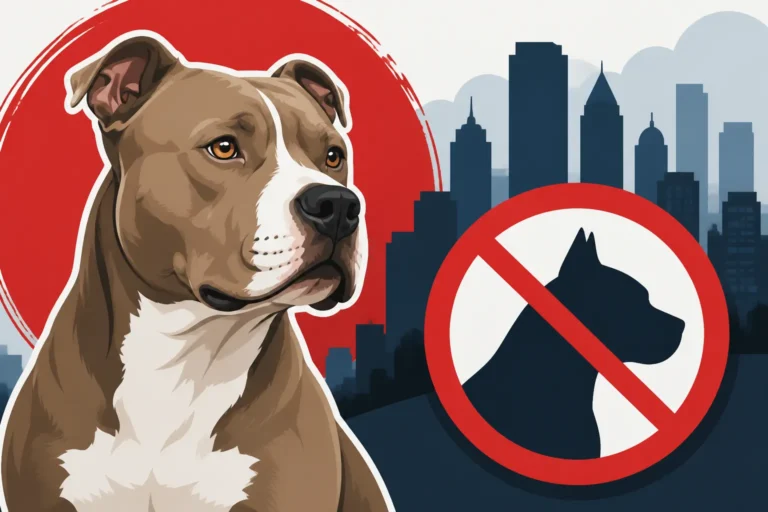
For decades, breed-specific legislation (BSL) has been a divisive and often devastating issue for Pit Bull owners. These laws, which can range from outright bans on owning certain breeds to mandatory muzzling, sterilization, or restrictive insurance requirements, were enacted with the intention of enhancing public safety. However, time and data have increasingly shown that BSL is largely ineffective, costly, and discriminatory, punishing responsible pet owners while failing to address the root causes of dog bites, which are complex and rarely breed-specific.
The tide, thankfully, is beginning to turn. We’re seeing a growing movement away from these arbitrary restrictions, driven by a deeper understanding of canine behavior, the financial strain BSL places on shelters, and the tireless advocacy of passionate individuals and organizations. It's a huge relief for so many who've felt ostracized simply for loving a certain type of dog. Imagine the stress of constantly checking local ordinances before moving or traveling, or the pain of having your dog labeled as dangerous before it's even had a chance to wag its tail at a stranger. These are the daily realities BSL creates, and it's why these repeals are so significant.
The Arguments Against Breed Bans
The arguments against BSL are compelling and multifaceted. Firstly, they don't actually make communities safer. Numerous studies and veterinary organizations, including the American Veterinary Medical Association (AVMA), have concluded that BSL fails to reduce dog bites. Instead, responsible dog ownership, proper training, and comprehensive animal control laws that focus on individual dog behavior, regardless of breed, are far more effective. It's about the deed, not the breed, as the saying goes.
Secondly, BSL is incredibly expensive for local governments. Enforcing breed bans requires significant resources for animal control, including breed identification (which is often inaccurate, especially with mixed breeds), impoundment, and legal challenges. Shelters become overcrowded with dogs that are perfectly adoptable but are barred from finding homes, leading to higher euthanasia rates and increased costs for care. When a shelter is forced to turn away a loving Pit Bull simply because of its appearance, it's not just a tragedy for the dog; it’s a strain on the entire system and a waste of taxpayer money. These laws often do little more than demonize an entire group of dogs and their owners.
How Communities Change Their Minds
The shift away from BSL isn't happening overnight; it's the result of persistent, organized efforts. Grassroots movements, often spearheaded by dedicated local residents and animal advocates, play a critical role. They educate their neighbors, attend city council meetings, and share compelling stories of their well-behaved Pit Bulls. Data-driven approaches are also key, presenting evidence that BSL doesn't work and offering alternative, more effective solutions.
National and local advocacy groups, such as Best Friends Animal Society, have been instrumental in providing resources, research, and support to communities looking to overturn bans. They help organize campaigns, draft new legislation, and mobilize voters. The process often involves years of patient work, building coalitions, and overcoming deeply ingrained misconceptions about Pit Bulls. It’s a testament to the power of community and unwavering dedication to these dogs. This change isn't just about rescinding a law; it’s about reshaping public perception and creating a more inclusive environment for all dogs.
Notable Cities and Regions That Have Lifted Bans
The growing trend away from breed-specific legislation is a huge win for Pit Bull owners, signaling a more enlightened approach to animal control. These repeals often come after years of advocacy, data presentation, and a shift in public understanding. It’s incredibly validating to see communities recognizing that responsible ownership and universal dog laws are more effective than blanket bans.
Denver's Landmark Decision
Perhaps one of the most high-profile repeals occurred in Denver, Colorado. For 31 years, the city of Denver enforced a strict ban on Pit Bulls, leading to countless heartbreaking situations where otherwise well-behaved dogs were confiscated or residents had to move out of the city. However, in 2020, after years of tireless advocacy, the Denver City Council voted to overturn the ban. This landmark decision was overwhelmingly supported by voters in a subsequent ballot measure, demonstrating a clear public shift in attitude.
The new ordinance, which went into effect in 2021, allows Denver residents to own Pit Bulls (specifically American Pit Bull Terriers, American Staffordshire Terriers, and Staffordshire Bull Terriers) under certain conditions. Owners are required to register their dogs, get them microchipped, and ensure they are spayed or neutered. While not a complete free-for-all, it represents a massive leap forward, transitioning from a punitive ban to a focus on responsible ownership. This change means Pit Bull owners in Denver can now look for apartment rentals without immediate discrimination and can access services like local boarding facilities without fear. Finding specific food brands on Chewy for your Pit Bull is no longer a logistical nightmare if you had to previously rely on friends outside the city, and knowing that your dog can be fully insured with companies like Healthy Paws is a huge relief. You can learn more about this journey in How Denver's Pit Bull Ban Was Repealed in 2020.
Florida's Statewide Repeal and Its Implications
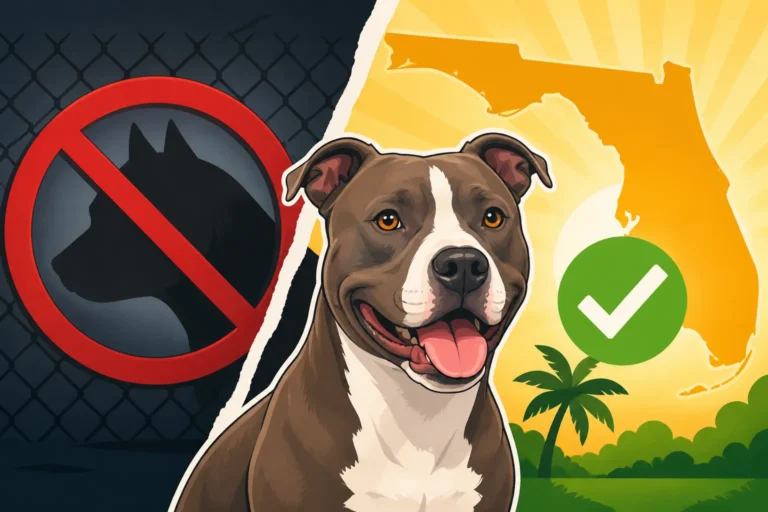
While not a single city, the state of Florida made a monumental move in 2024 by repealing its 36-year-old statewide ban on Pit Bulls. Previously, a 1989 state law prohibited local governments from enacting new BSL, but it grandfathered in existing bans, most notably in Miami-Dade County. The new legislation, signed into law, effectively overturns all breed-specific ordinances across the state, including the long-standing ban in Miami-Dade. This is a game-changer for Pit Bull owners throughout Florida.
This statewide repeal means that families can now move freely within Florida with their Pit Bulls without fear of losing their beloved pets. It eases the burden on shelters and allows for more adoptions of Pit Bull-type dogs. This move is a powerful statement about the ineffectiveness of BSL and sets a precedent for other states. It also means that pet insurance companies operating in Florida will no longer be able to deny coverage based solely on breed, making it easier to ensure your dog's health with providers like Healthy Paws, or explore premium food options from services like Ollie, knowing you won't face housing challenges. The state recognized that blanket bans were not improving safety and were creating immense hardship for responsible citizens. For a deeper dive into this important shift, check out Why Florida Removed Its Pit Bull Bans.
Other Municipalities Leading the Way
The momentum isn't limited to large metropolitan areas or entire states. Many smaller cities and counties are also re-evaluating and repealing their BSL. These local victories, though less publicized, are just as crucial in changing the national landscape.
For instance, cities like Sioux City, Iowa, and Aurora, Colorado, have also moved to repeal their long-standing Pit Bull bans in recent years. Sioux City, after years of debate and advocacy, replaced its ban with a dangerous dog ordinance that focuses on individual dog behavior, regardless of breed. Aurora similarly opted for a more behavior-based approach, implementing a permit system that emphasizes responsible ownership and training rather than breed alone. These examples highlight a growing understanding that effective animal control prioritizes the actions of both the dog and the owner. Owners in these cities can now engage more freely with their communities, seek out dog-friendly housing, and enroll in local training classes without the stigma of a breed ban. These communities are realizing that breed-neutral laws benefit everyone.
What These Repeals Mean for Pit Bull Owners
The overturning of breed-specific legislation in various cities and states is more than just a legal change; it represents a profound shift in public perception and a new era of opportunity for Pit Bull owners. The daily anxieties and limitations that once dictated so many aspects of life with these dogs are beginning to recede, replaced by a sense of acceptance and freedom.
Reduced Housing Discrimination
One of the most immediate and impactful benefits of BSL repeals is the reduction in housing discrimination. For years, finding a suitable rental property or securing homeowners insurance was a nightmare for Pit Bull owners. Many landlords and homeowner associations (HOAs) had strict breed restrictions, often explicitly naming Pit Bulls as prohibited. This forced families to choose between their homes and their beloved pets, or to live in areas where they felt less safe or had fewer amenities.
With these bans lifted, Pit Bull owners can now find homes with less difficulty. While some landlords and insurance companies may still have their own internal policies, the removal of city or state-mandated bans offers a crucial layer of protection. It opens up more housing options and allows for a broader choice in where to live. This means you might no longer have to worry about securing Renters Insurance That Will Cover a Pit Bull in your desired neighborhood or navigating restrictive Landlord Breed Clauses Naming Pit Bulls. This change doesn't mean all battles are won, but it significantly levels the playing field, making daily life much less stressful for Pit Bull families.
Greater Access to Services and Public Spaces
Imagine the relief of simply walking your dog in a public park without a cloud of judgment, or taking them to a local dog daycare without being turned away at the door. Repeals of BSL mean greater access to a wider range of services and public spaces that were previously off-limits. Dog parks, which can be fantastic for socialization and exercise, often had breed restrictions. Many boarding kennels and professional dog walkers also adhered to local BSL, or had their own breed-specific rules, severely limiting options for Pit Bull owners.
Now, with the legal barriers removed, Pit Bull owners can more easily access these essential services. Your dog can finally attend that puppy socialization class, enjoy a supervised playdate at a doggy daycare, or stay comfortably at a reputable boarding facility while you're away. This improved access also fosters better-adjusted dogs, as they receive more opportunities for training, enrichment, and safe interaction with other dogs and people. This leads to happier pets and more integrated family members. If you've been struggling to find options, know that the landscape for Pit Bull Boarding and Daycare Access is improving dramatically in these areas.
The Role of Responsible Ownership
It's crucial to remember that the repeal of breed bans does not diminish the importance of responsible dog ownership; if anything, it amplifies it. These legislative changes are a vote of confidence in owners, trusting them to manage their dogs safely and respectfully within the community. For Pit Bull owners, this means continuing to set a high standard, demonstrating that these dogs are wonderful companions when properly cared for and trained.
Responsible ownership includes consistent training, ensuring your dog is well-socialized, spaying or neutering, providing regular veterinary care (which can be more accessible with pet insurance like Healthy Paws), and proper containment. It means understanding your dog's individual temperament and addressing any behavioral issues proactively. For a powerful and energetic dog like a Pit Bull, effective training, like that detailed in Training a Pit Bull to a Higher Standard Than Other Dogs, is always a smart investment. Similarly, considering Muzzle Training Every Pit Bull Should Have as a responsible safety measure and a way to positively influence public perception, regardless of local laws, is something many experienced owners advocate. These actions not only benefit your dog but also continue to build a positive reputation for the breed type, ensuring these hard-won legislative changes are sustained.
Navigating the Post-Ban Landscape
Even after a Pit Bull ban is lifted, the work isn't entirely over. The journey from prohibition to full acceptance can take time, and owners will still encounter some residual challenges. However, understanding how to navigate this evolving landscape can empower you to advocate for your dog and reinforce positive perceptions within your community.
Addressing Lingering Stigma and Misinformation
Despite legislative changes, the stigma surrounding Pit Bulls, unfortunately, doesn't disappear overnight. Decades of negative media portrayal and misinformation have created deeply ingrained biases in some individuals. You might still encounter wary neighbors, hesitant dog park attendees, or service providers who are still operating under outdated assumptions. It's a frustrating reality for owners who know their dogs are loving, gentle companions.
The best way to combat this lingering stigma is through continued education and positive example. Be an ambassador for your dog. A well-behaved, leash-trained Pit Bull confidently walking with its owner, or calmly interacting with people, does more to change hearts and minds than any argument. Be ready to politely educate others if appropriate, but mostly, let your dog's good behavior speak for itself. Consider participating in public events or obedience classes, demonstrating your Pit Bull's manners. Services like Ollie, which provides tailored meal plans, can help keep your Pit Bull in prime physical condition, contributing to a healthy appearance that also helps dispel negative stereotypes. Every positive interaction chips away at the misconceptions that have historically plagued the breed.
Understanding New Regulations and Responsibilities
When a breed ban is repealed, it's typically replaced with new regulations that focus on responsible ownership for all dogs, or sometimes specific requirements for formerly banned breeds. It's crucial for Pit Bull owners to thoroughly understand and comply with these new rules. This might include mandatory microchipping, registration, spaying/neutering requirements, or even specific training certifications. For example, Denver's post-ban rules still require specific permits and proof of vaccination.
Failing to adhere to these new regulations could lead to fines, penalties, or even re-establishment of restrictions. Being a diligent and compliant owner is essential to ensure these hard-won freedoms remain. Always check your local city and county animal control websites for the most current information. These details will often outline exactly what your responsibilities are, covering everything from leash laws to dog park etiquette. Staying informed helps protect your Pit Bull and the rights of other owners. Understanding the legal framework is also vital when discussing Whether a DNA Test Settles the Pit Bull Question in the eyes of local authorities.
Building a Support Network
Navigating the ownership of a Pit Bull, especially during a time of changing legislation, is much easier with a strong support network. Connecting with other Pit Bull owners, local rescue groups, and breed advocates can provide invaluable advice, encouragement, and resources. These groups often organize meet-ups, share information about dog-friendly businesses, and can offer recommendations for trainers or vets who are experienced and comfortable with Pit Bulls.
Having a community that understands the unique joys and challenges of owning a Pit Bull can make all the difference. They can provide emotional support when facing negativity, share tips on managing specific behaviors, or even help locate pet-friendly resources that might not be widely advertised. Many local Pit Bull rescue organizations, often supported by convenient supply deliveries from Chewy, can be excellent hubs for information and connection. This network isn't just about sharing stories; it's about collective action, continuing to champion positive change, and ensuring that the narrative around Pit Bulls continues to shift for the better.
| City/Region | Previous BSL Repealed | Date of Repeal/Effect | Key New Regulations (Examples) | Impact on Owners |
|---|---|---|---|---|
| Denver, CO | Citywide ban on Pit Bulls | January 2021 | Registration, microchip, spay/neuter, 3 verified non-aggressive incidents | Increased housing, access to public spaces, insurance options |
| State of Florida | Statewide law allowing local bans (e.g., Miami-Dade) | July 2024 | Breed-neutral dangerous dog laws | Eliminated local bans, easier housing, travel within state |
| Sioux City, IA | Citywide ban on Pit Bulls | 2019 | Focus on individual dog behavior, dangerous dog ordinance | More freedom for Pit Bull owners, less discrimination |
| Aurora, CO | Citywide ban on Pit Bulls | 2020 | Permit system, behavioral assessments, responsible ownership | Allows Pit Bull ownership with specific requirements |
This table provides a snapshot of some major repeals, illustrating the varied approaches taken by different jurisdictions. It highlights a common thread: a move towards behavior-based regulations rather than blanket breed prohibitions. These shifts are a hopeful sign, indicating a future where dogs are judged by their actions, not their breed type, and where the financial cost and impact on owners, as discussed in The Cost of a Pit Bull Reputation, are finally being recognized.
Looking Ahead: The Future of Pit Bull Ownership
The recent wave of Pit Bull ban repeals marks a significant turning point, but it's important to view this as part of an ongoing journey towards more humane and effective animal control policies. The future of Pit Bull ownership looks brighter, but continued vigilance and advocacy are essential to maintain this positive momentum.
The overarching trend is clearly moving towards What Breed Neutral Law Means for Pit Bulls, emphasizing that any dog, regardless of breed, can be a loving member of a family or, conversely, can pose a risk if not properly trained and managed. This shift is rooted in scientific understanding of dog behavior and a recognition that punitive bans are not only unfair but also counterproductive. We're seeing more communities embrace comprehensive animal control ordinances that focus on licensing, identification, spay/neuter programs, and responsible ownership education for all dog owners.
For current and prospective Pit Bull owners, this means a future with potentially fewer barriers to housing, wider acceptance in public spaces, and less systemic discrimination. It empowers owners to focus on their dog's health and training, rather than constantly battling breed stereotypes. This includes providing the best nutrition, perhaps even exploring fresh food options like Ollie, or ensuring they have comprehensive health coverage from providers like Healthy Paws. As these repeals continue to spread, it’s imperative that owners remain ambassadors for their dogs, promoting positive interactions and upholding the highest standards of responsible pet care. Every well-behaved Pit Bull contributes to changing public perception and securing a safer, more welcoming world for all dogs.
Disclaimer
The information provided in this article is for general informational purposes only and does not constitute legal advice. Breed-specific legislation is complex and varies by jurisdiction. Owners should always consult with local animal control, legal professionals, and housing providers to understand the specific laws and regulations applicable to their situation. Laws are subject to change, and owners are responsible for staying informed about current requirements.