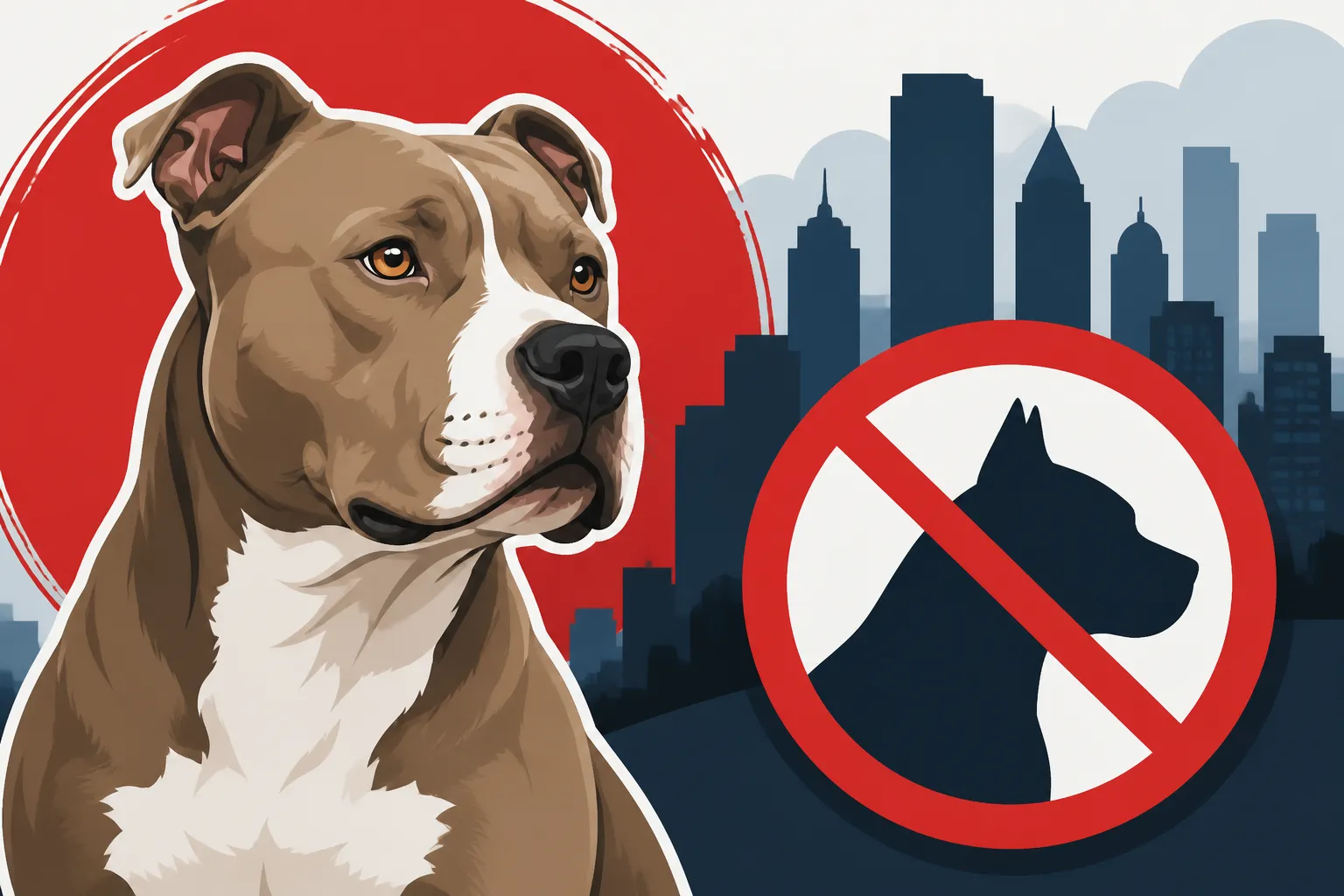
Cities That Still Restrict Pit Bulls
It's incredibly frustrating when you're a loving Pit Bull owner, or aspire to be one, and encounter confusing, often unfair, rules simply because of your dog's perceived breed. Dealing with breed-specific legislation (BSL) can feel like navigating a minefield, impacting everything from where you can live to how you're viewed in public. This comprehensive guide will walk you through which cities and regions still hold these restrictions, what they actually entail, and how you can best prepare and advocate for your beloved companion.
Understanding Breed-Specific Legislation and Its History
Breed-specific legislation, or BSL, is a type of law that prohibits or restricts the ownership of certain breeds of dogs. For Pit Bulls and similar "bully breeds," these laws have been a significant hurdle for decades. It’s not just about what breed your dog actually is, but often what someone thinks your dog is, which can lead to heartbreaking situations for responsible owners.
Why Pit Bulls Face Restrictions
The history of BSL targeting Pit Bulls is complex and often rooted in sensationalized media reports and misunderstandings about the breed type. Back in the 1980s and 90s, after a few high-profile incidents, Pit Bulls became the poster child for dangerous dogs, despite numerous studies showing that breed is not a reliable predictor of individual dog behavior. These dogs, which are actually a "type" encompassing several breeds like the American Pit Bull Terrier, American Staffordshire Terrier, and Staffordshire Bull Terrier, were unfairly demonized. This led to a wave of laws aimed at controlling or banning them outright, driven by public fear rather than scientific evidence or a nuanced understanding of dog behavior. It's a tough reality for many owners who know their dogs as gentle, loving family members.
The Shift Away From Blanket Bans
Thankfully, there's been a growing movement to repeal BSL over the past decade. Many cities and even entire states have recognized that these laws are ineffective, costly to enforce, and punish responsible owners while doing little to enhance public safety. Organizations like the American Veterinary Medical Association (AVMA) and the American Bar Association (ABA) have publicly opposed BSL, advocating instead for breed-neutral dangerous dog laws that focus on an individual dog's behavior, regardless of its appearance. This shift reflects a better understanding of canine behavior and the importance of responsible ownership. However, the fight isn't over, and many places still cling to outdated regulations.
Where Pit Bull Restrictions Remain Active
While the tide is slowly turning, it's crucial for Pit Bull owners and potential owners to be aware that breed-specific legislation still exists in various forms across the United States and globally. These laws can vary dramatically from one location to another, making research essential before moving or traveling.
States and Cities with Current Bans
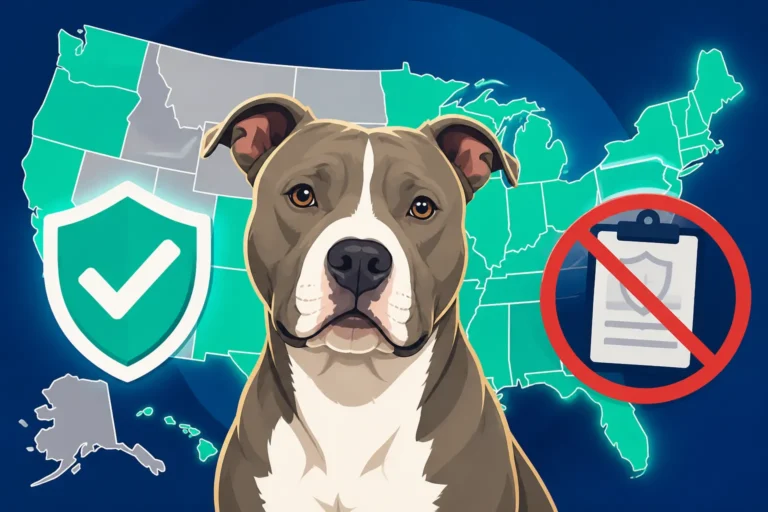
Despite significant progress in repealing BSL, several states and numerous cities maintain some form of restriction on Pit Bull ownership. For instance, Ohio still allows local municipalities to enforce BSL, even though the state removed its own statewide Pit Bull designation years ago. This means cities like Cincinnati and Fairfield within Ohio may have their own specific rules. Similarly, Iowa has cities like Council Bluffs and Sioux City where Pit Bulls are still banned or heavily restricted.
Other states, such as Kansas, Missouri, and Arkansas, are known for having a patchwork of local BSL ordinances. In Missouri, for example, cities like Springfield and Independence have had restrictions in place. Even in states generally considered progressive, you might find pockets of BSL. It's a constantly evolving landscape, and what was true last year might not be true today, or vice-versa. Always check with local animal control or municipal codes when considering a move.
International Hotspots for BSL
Beyond the United States, several countries have comprehensive BSL that can severely impact Pit Bull owners. The United Kingdom, for instance, has very strict laws under its Dangerous Dogs Act, which effectively bans four specific types of dogs, including Pit Bull Types. This means that owning, breeding, selling, or exchanging these dogs is illegal, and even bringing one into the country can result in seizure and euthanasia.
Other countries with significant restrictions include parts of Germany, France, Spain, and Australia. Each country and sometimes even specific regions within them, will have its own list of prohibited breeds and regulations. For anyone considering international travel or relocation with a Pit Bull, it’s not just a matter of checking airline rules, but delving deep into the destination's specific breed laws, as the consequences can be severe and irreversible.
| Location Type | Example Areas | Common Restrictions | Current Status |
|---|---|---|---|
| U.S. States | Ohio (local discretion) | Local municipalities can enforce bans | State-level repeal, but local BSL persists in some cities |
| Kansas (local discretion) | Local municipalities can enforce bans/rules | Patchwork of local ordinances | |
| U.S. Cities | Cincinnati, OH | Ban on Pit Bulls, strict ownership rules | Active BSL |
| Council Bluffs, IA | Ban on specific breeds (including Pit Bull) | Active BSL | |
| Springfield, MO | Restrictions on ownership, special permits | Active BSL | |
| Countries | United Kingdom | Ban on owning, breeding, selling Pit Bull types | Active, strict national BSL |
| Germany (some states) | Import/ownership bans, severe restrictions | Varies by state (Bundesland) | |
| Australia (some states) | Import restrictions, mandatory desexing | Varies by state |
Types of Restrictions You Might Encounter
When a city or county has BSL, it's rarely a simple "yes" or "no" answer to owning a Pit Bull. These regulations often come in many layers, creating a bureaucratic maze that can be overwhelming for even the most dedicated owner. Understanding the nuances is key to staying compliant and protecting your dog.
Outright Bans and Forced Relocation
The most severe form of BSL is an outright ban. This means that if you own a dog identified as a Pit Bull type, you might be forced to remove your dog from the city or even surrender them. Imagine the heartbreak of having to choose between your home and your beloved companion. These bans often apply to new dogs being brought into the area, but sometimes, they also target existing residents, forcing long-time community members to make impossible choices. This is where researching Cities That Still Restrict Pit Bulls becomes critical before you even think about moving. Even places like Denver, Colorado, which repealed its ban in 2020, had a long history of such measures, leaving many families in limbo for years.
Strict Ownership Requirements
More commonly, cities implement strict ownership requirements rather than outright bans. These can feel like a gauntlet of hoops to jump through, but they are often preferable to a total ban. You might be required to:
- Register your Pit Bull annually: This often comes with a special, higher fee compared to other dog licenses.
- Mandatory spay/neuter: Many ordinances require all Pit Bulls to be fixed, often with no exceptions.
- Microchipping: This is usually a standard requirement, ensuring identification.
- Liability insurance: Owners are frequently mandated to carry a minimum amount of liability insurance, often $100,000 or more, specifically for their Pit Bull. This can be a challenge, as many insurers have Pit Bull Pet Insurance and Breed Exclusions, making it harder and more expensive to find coverage.
- Secure enclosures: Your yard might need to meet specific fencing height or material requirements, or your dog might need to be confined in a locked kennel when outdoors.
- Muzzle requirements in public: This is a common and often contentious restriction, mandating that Pit Bulls wear a muzzle whenever they are outside their home.
- Special signage: Some cities require "Beware of Dog" or "Dangerous Dog" signs to be prominently displayed on your property.
These requirements aren't just suggestions; failure to comply can lead to hefty fines, confiscation of your dog, or even euthanasia. It's a lot of pressure, making it feel like you’re always under a microscope, simply because of your dog's breed.
Navigating Life in a Restricted Area
Living with a Pit Bull in an area with BSL or even just widespread prejudice requires a heightened level of responsibility and awareness. It’s not fair, but it’s the reality many of us face. You have to be an exemplary owner, not just for your dog, but for the entire breed.
Finding Housing and Insurance
One of the biggest hurdles is securing housing. Many landlords and property management companies, even in non-BSL areas, have their own blanket breed bans, often including Pit Bulls. This means apartments, rental homes, and even some HOAs can be off-limits. You might see clauses in leases explicitly stating "no Pit Bulls or Pit Bull mixes." This often leads to situations where good owners struggle to find a safe and welcoming home.
When it comes to insurance, the struggle is real. Many homeowners and renters insurance providers have breed restrictions, making it difficult to find a policy that will cover your Pit Bull. While some states have laws preventing insurers from refusing coverage based solely on breed, many do not. Companies like State Farm and USAA are often cited as being more lenient, but it's vital to shop around and be transparent about your dog's breed. Even then, you might end up paying a higher premium or finding coverage that's limited. This is why having enough set aside to cover potential costs, perhaps thinking about What a Pit Bull Costs a Year With Allergies or other health concerns, is so important when you have fewer options for insurance.
Public Perception and Responsibility
Beyond legal requirements, dealing with public perception can be draining. Even if your Pit Bull is the sweetest, most well-behaved dog, you might encounter fear, suspicion, or even hostility from strangers. This means you often have to go above and beyond to showcase your dog's good nature and your responsible ownership.
This includes rigorous training and socialization. Enrolling your dog in obedience classes and pursuing certifications like the Canine Good Citizen (CGC) can be invaluable. A well-trained Pit Bull is an ambassador for the breed. Think about Training a Pit Bull to a Higher Standard Than Other Dogs – this isn't just about good manners, it's about combating stereotypes. When you're out walking, make sure your dog is always on a secure leash, and consider a basket muzzle if required or if you simply want to put others at ease. Being proactive and visible in your responsibility can slowly, but surely, help change minds in your community. Remember, every interaction is a chance to challenge misconceptions.
Legal Support and Advocacy
If you find yourself facing breed restrictions, don't give up hope. There are legal avenues and advocacy groups that can provide support. Many organizations, like the Animal Legal Defense Fund (ALDF) and local Pit Bull rescue groups, offer resources and advice for navigating BSL challenges. They can help you understand your rights, appeal breed determinations, or even challenge unfair ordinances.
Sometimes, gathering documentation about your dog's temperament and training, such as a certificate from a trainer or a Canine Good Citizen and Why It Matters for a Pit Bull title, can make a difference. In some cases, a DNA test might clarify that your dog isn't even predominantly a breed typically labeled as a "Pit Bull," which could potentially help with housing or insurance, though this is not a guaranteed fix. While a Whether a DNA Test Gets a Pit Bull Insured is not a magic bullet, it can sometimes be a useful piece of documentation. Engaging with your local city council or joining breed advocacy groups can also be powerful ways to contribute to change and protect the rights of Pit Bull owners.
The Ongoing Debate and Future of BSL
The debate around breed-specific legislation is far from over. While many animal welfare organizations, veterinarians, and responsible pet owners advocate for its repeal, proponents of BSL continue to argue for its necessity based on public safety concerns. Understanding the arguments on both sides helps to illuminate the path forward.
Arguments Against BSL
The core arguments against BSL are compelling and backed by extensive research. Firstly, BSL is ineffective. Studies by the American Veterinary Medical Association (AVMA) and the Centers for Disease Control and Prevention (CDC) have shown that breed-specific laws do not result in a reduction of dog bites or an increase in public safety. Bite incidents are multifactorial, influenced by individual dog history, training, socialization, supervision, and owner behavior, far more than by breed.
Secondly, BSL is difficult to enforce and often misidentifies dogs. As "Pit Bull" is a type rather than a single breed, visual identification is notoriously unreliable. Many dogs are labeled as Pit Bulls based on appearance alone, even if their DNA shows little to no Pit Bull ancestry. This means innocent dogs are often caught in the crossfire. Furthermore, enforcing BSL is expensive, diverting limited animal control resources away from more effective measures like responsible pet ownership education, accessible spay/neuter programs, and enforcing breed-neutral dangerous dog laws. It also leads to overcrowded shelters with healthy, adoptable dogs that are simply victims of their appearance.
Lastly, BSL punishes responsible owners and dogs. It creates a system where loving, well-behaved dogs and their dedicated owners are unfairly targeted, leading to discriminatory housing practices, higher insurance costs, and immense emotional distress. The focus should be on individual dog behavior and owner accountability, not on broad, discriminatory stereotypes.
Arguments For BSL
Proponents of BSL often point to a perception that certain breeds, including Pit Bulls, are inherently more dangerous or prone to aggression due to their physical capabilities and history. They argue that these dogs, if involved in a bite incident, can inflict more severe injuries. Public safety is often cited as the primary concern, with the belief that restricting or banning these breeds reduces the overall risk to the community, especially children.
These arguments often stem from emotional responses to isolated incidents and a lack of understanding about dog behavior. While it's true that a powerful dog can cause more damage, breed alone doesn't determine whether a dog will bite. Many advocates for BSL feel that the risk is too high to ignore and that a proactive approach, even if imperfect, is better than waiting for an incident to occur. They might highlight statistics on severe bites, even if those statistics don't adequately account for factors like misidentification, reporting biases, or the prevalence of certain breeds in a population.
Future Outlook and Advocacy
The trend, fortunately, is leaning towards the repeal of BSL. More states are enacting laws that prohibit local BSL, favoring breed-neutral legislation. Florida, for example, recently passed a law effective October 1, 2023, prohibiting local governments from enacting or enforcing breed-specific ordinances. This is a huge win for Pit Bull owners in the Sunshine State and sets a precedent for other areas.
For those of us who love Pit Bulls, continued advocacy is essential. This means:
- Educating others: Share accurate information about Pit Bull temperament and responsible ownership.
- Supporting breed-neutral laws: Advocate for legislation that focuses on individual behavior rather than breed.
- Volunteering: Support local shelters and rescue organizations, many of whom have high numbers of Pit Bull type dogs, helping them find loving homes. Finding resources from places like Chewy for food and supplies or checking out Ollie for fresh, nutritious meal options can support these dogs even while they're waiting for adoption.
- Being a responsible owner: Demonstrate exceptional behavior with your Pit Bull, serving as a positive example wherever you go. This includes adhering to local leash laws, ensuring your dog is well-socialized, and keeping up with veterinary care, which for A Pit Bull Confused in Rooms It Knows or dealing with senior issues could be extensive.
By staying informed and actively participating, we can continue to chip away at discriminatory laws and foster a more equitable environment for Pit Bulls and their devoted families.
Resources and Advocacy for Pit Bull Owners
Navigating the world as a Pit Bull owner can sometimes feel isolating, especially with the persistent stigma and legal hurdles. However, you are not alone. There's a vibrant community of advocates, organizations, and resources dedicated to supporting Pit Bulls and their owners.
Finding Pit Bull Friendly Services
It can be a real challenge to find services that are not only Pit Bull friendly but also genuinely knowledgeable about the breed type. This includes everything from veterinarians to trainers to boarding facilities.
- Veterinarians: Look for vets who are experienced with Pit Bulls and understand their unique health needs, like potential Pit Bull Skin Allergies and the Atopy Pattern or Pit Bull Hip Dysplasia Showing at One to Two Years. A good vet will treat your dog as an individual, not a stereotype. Don't be afraid to call ahead and ask about their policy on certain breeds; it saves everyone time and stress.
- Trainers: Seek out trainers who use positive reinforcement methods and have a solid track record with powerful breeds. A trainer who understands Pit Bull genetics and behavior can be invaluable, whether you're working on Pit Bull Leash Manners and Physical Strength or addressing Pit Bull Dog Selectivity and Multi-Dog Homes. Ask for references and observe a class before committing.
- Boarding/Daycare: Many facilities have breed restrictions. Search specifically for "Pit Bull friendly boarding" or ask local rescue groups for recommendations. Sometimes, a smaller, home-based sitter might be a better option than a large commercial kennel. These are often easier to find if you're already sourcing food and supplies from a broad platform like Chewy, which connects owners with various pet services.
- Pet Insurance: As mentioned, securing pet insurance can be tricky. However, some companies are more progressive. Healthy Paws is one of the more reputable providers known for not having breed restrictions, allowing you to get comprehensive coverage for your Pit Bull's unexpected medical needs, which can certainly help offset Pit Bull Surgery Costs From Hips to Teeth. Always read the fine print!
Advocacy Organizations and Support Networks
Joining or supporting advocacy organizations is one of the most impactful things you can do. These groups work tirelessly to educate the public, lobby for legislative change, and provide support to Pit Bull owners.
- National Organizations: Groups like the ASPCA, Humane Society of the United States (HSUS), and the Best Friends Animal Society actively campaign against BSL and promote breed-neutral dangerous dog laws. They often provide toolkits, lobbying advice, and public education materials.
- Breed-Specific Advocacy: Organizations such as the Bad Rap and StubbyDog are dedicated specifically to the positive promotion and rescue of Pit Bull type dogs. They offer invaluable resources on training, behavior, and navigating legal challenges. Many will also have information on Pit Bulls in American Shelters and how owners can help.
- Local Rescue Groups: Your local Pit Bull rescue or animal shelter can be a fantastic resource for connecting with other owners, finding Pit Bull-friendly services, and getting involved in local advocacy efforts. They often have firsthand experience with local ordinances and can offer practical advice.
- Online Communities: Social media groups and forums dedicated to Pit Bull owners can provide a sense of community, allowing you to share experiences, ask questions, and offer support to others facing similar challenges. Just be sure to vet the advice you receive and prioritize verified, expert information.
By actively engaging with these resources and networks, you not only empower yourself as a Pit Bull owner but also contribute to a larger movement aimed at dismantling unfair legislation and changing public perception for the better.
Disclaimer
The information provided in this article is for general informational purposes only and does not constitute legal advice. Laws regarding breed-specific legislation are constantly changing and vary by jurisdiction. It is crucial to consult with local animal control, legal professionals, or relevant municipal authorities to confirm the most current and accurate regulations applicable to your specific location and situation.