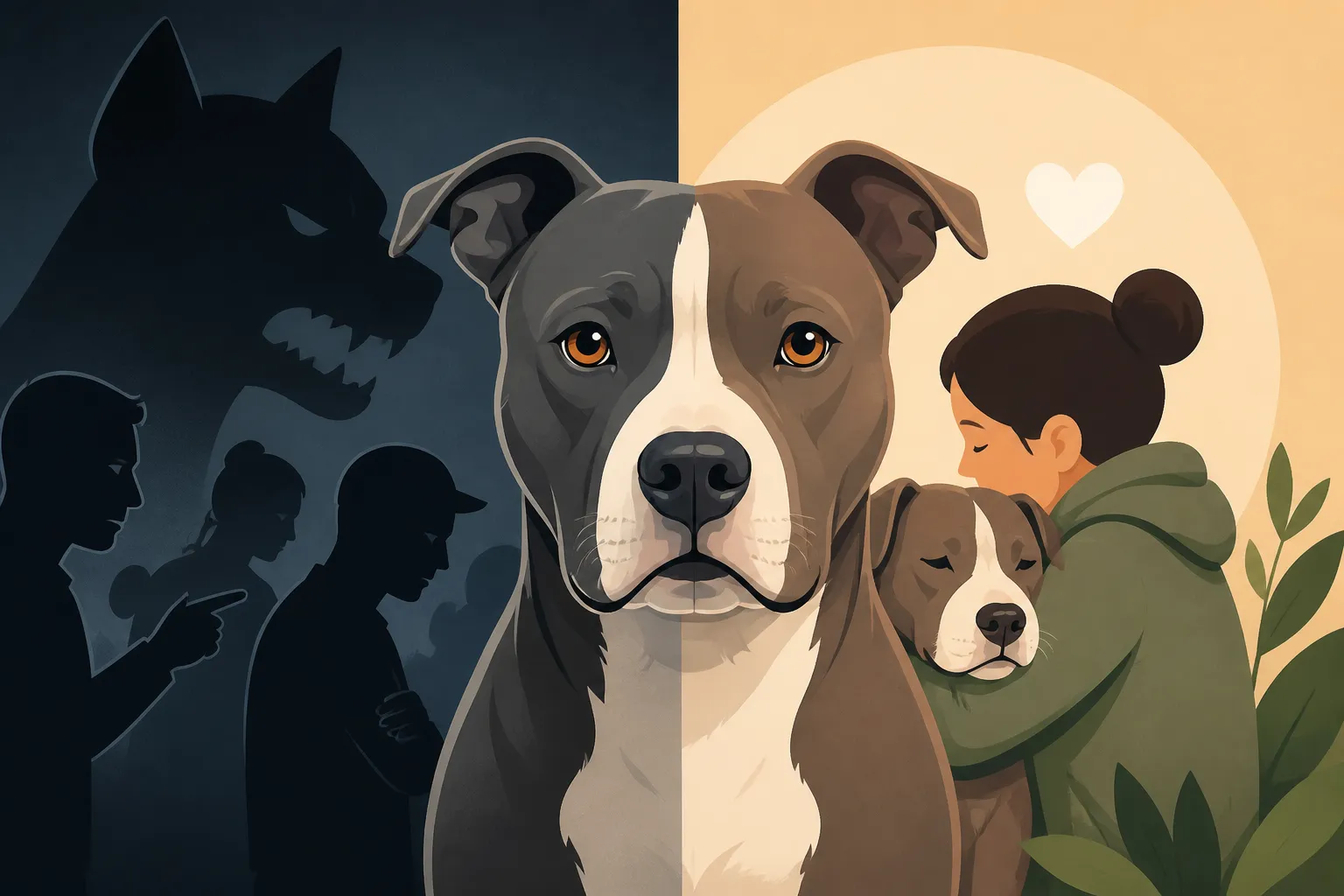
The Cost of a Pit Bull Reputation
It's a tough truth that owning a Pit Bull often comes with an invisible baggage claim: the weight of their public reputation. From whispers at the dog park to outright bans in apartment complexes, the societal perception of these wonderful dogs can deeply impact an owner's life, creating unexpected challenges and costs that other dog owners rarely face. This guide will delve into the real-world financial, social, and practical burdens that Pit Bull owners shoulder, all due to widespread misunderstandings and outdated stereotypes.
The Hidden Financial Toll: Insurance and Housing Headaches
One of the most immediate and frustrating costs of a Pit Bull's reputation is the direct hit to your wallet, especially concerning housing and insurance. What might seem like a simple matter of finding a place to live or protecting your home becomes a labyrinth of breed restrictions and inflated premiums, all because of a dog's appearance.
Homeowner and Renter Insurance Challenges
Imagine finding the perfect home, only to discover your insurance provider won't cover you because of your dog. This is a stark reality for many Pit Bull owners. While some states have made strides to prevent insurers from discriminating based on breed, many still allow it, leaving owners in a difficult position. You might find yourself scrambling to find an alternative carrier, and often, those who do offer coverage come with significantly higher premiums or reduced liability limits. It's not uncommon to pay hundreds more per year just for the privilege of owning a Pit Bull, adding a substantial, recurring cost that other dog owners rarely factor into their budget.
The denial isn't just a hassle; it feels like a judgment against your family. You know your dog, you know their gentle nature, but an algorithm or an outdated policy sees only a "high-risk" breed. This can lead to tough decisions, where you might have to compromise on other aspects of your insurance, or even consider providers you wouldn't normally, simply because they don't have a blanket ban. Getting Home Insurance With a Pit Bull is a common struggle.
Navigating Breed-Specific Housing Restrictions
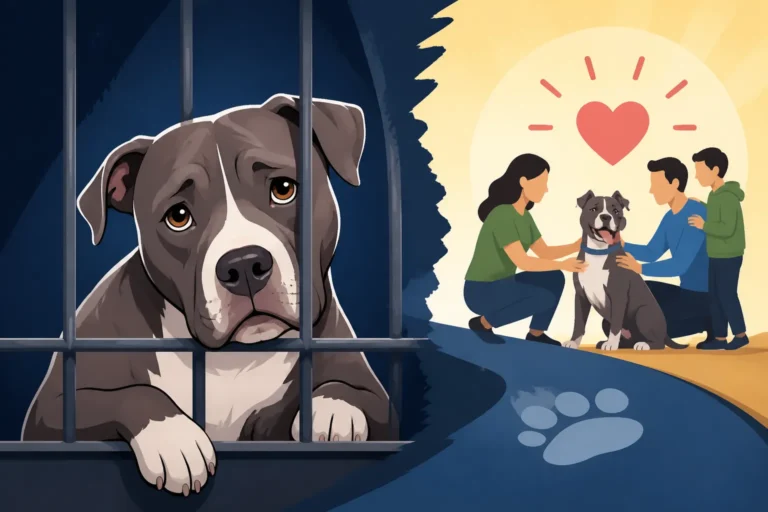
Finding a place to live can turn into a full-time job if you share your life with a Pit Bull. Apartment complexes, HOAs, and even individual landlords often have strict breed bans that explicitly name "Pit Bulls" or "Pit Bull-type dogs." This isn't just about renting; it can even impact homeowners within certain communities with restrictive covenants. You might find a beautiful apartment, perfect for you and your dog, only to be turned away at the application stage, or worse, face eviction if you move in without disclosing your dog's breed type.
This isn't just an inconvenience; it restricts your freedom of choice and can force you into less-than-ideal living situations, simply because of your dog. You might have to settle for a smaller place, a less desirable neighborhood, or a significantly higher pet deposit and "pet rent." These financial penalties pile up. Many owners have stories of driving for hours to look at rentals, only to be told at the door, "Sorry, no Pit Bulls," making the search for Finding a Rental That Takes a Pit Bull an exhausting endeavor. The economic impact can be profound, limiting job opportunities if you can't find housing near your workplace or forcing long, expensive commutes.
Navigating the Social Landscape: Public Perception and Prejudice
Beyond the direct financial hits, the reputation of Pit Bulls carries a heavy social and emotional toll. Owners frequently find themselves subject to scrutiny, judgment, and outright prejudice from strangers, neighbors, and even family members.
The Weight of Constant Scrutiny
Walking a Pit Bull in public can feel like walking under a spotlight. You become acutely aware of every glance, every hurried step a stranger takes to avoid your dog, every parent who pulls their child closer. It's an exhausting reality to constantly be "on," anticipating negative reactions and feeling the need to over-manage your dog's behavior, even if they are perfectly calm and well-behaved. This isn't just anxiety; it's a form of emotional labor that other dog owners rarely experience.
You might find yourself walking at off-peak hours, avoiding crowded parks, or taking circuitous routes just to bypass people who might react negatively. Every bark, every playful lunge, every moment of exuberance from your dog is scrutinized, often misinterpreted, and sometimes even reported as aggression. This constant pressure can erode the joy of dog ownership and make even simple walks a source of stress. It really highlights Why a Pit Bull Gets Less Benefit of the Doubt.
Overcoming Misconceptions and Stereotypes
The public narrative surrounding Pit Bulls is often steeped in sensationalism and misinformation, portraying them as inherently dangerous or aggressive. As an owner, you become an accidental ambassador, constantly having to educate, advocate, and defend your dog and the breed type as a whole. This means countless conversations explaining that "Pit Bull" isn't a single breed, that temperaments vary wildly, and that responsible ownership is paramount. It means challenging deeply ingrained stereotypes, often with people who are unwilling to listen.
This effort to counter widespread misconceptions is emotionally draining. You face judgment not just for your dog, but for your choice to own one. Comments like "Why would you get one of those?" or "Aren't you worried?" become commonplace. It makes you feel like you're constantly fighting an uphill battle to prove your dog's worth and your own responsibility. This constant need to educate and defend, especially when people are deeply entrenched in the Pit Bulls in Culture and Public Perception myths, is a significant emotional cost.
Practical Hurdles: Training, Access, and Everyday Life
The ripple effects of a Pit Bull's reputation extend into daily practicalities, making routine tasks and even recreational activities more complicated and often more expensive.
Elevated Training Standards and Expectations
Because of the stigma, Pit Bulls are often held to a higher standard of behavior than other dogs. Where another dog might get a pass for a little pulling on the leash or an excited jump, a Pit Bull doing the same might draw harsh stares, fearful reactions, or even complaints. This means owners feel compelled to invest more time, effort, and often money into intensive training, ensuring their dogs are impeccably behaved in public. Training a Pit Bull to a Higher Standard Than Other Dogs isn't just a suggestion; for many, it's a necessity for peaceful coexistence.
You might enroll your Pit Bull in multiple obedience classes, invest in private training sessions, or spend extra hours on socialization, all to ensure your dog is perceived as a "good ambassador." Even then, it's not always enough to change public opinion. The goal is often not just to have a well-trained dog, but to have a dog so exemplary that it actively disproves stereotypes, which is a monumental task. When shopping for durable training gear or high-value treats to aid this intensive training, many owners turn to online retailers like Chewy for a wide selection.
Limited Access to Public Spaces and Services
The consequences of a negative reputation are stark when it comes to accessing everyday services and recreational opportunities. Dog parks, certain hiking trails, public transportation, and even some veterinary clinics might have unwritten or explicit restrictions against Pit Bulls. Finding suitable boarding or daycare can be a nightmare, with many facilities outright refusing the breed or charging higher rates. This means your choices are limited, and you might have to travel further or pay more for essential services.
Even something as simple as a weekend getaway can become a logistical challenge. Hotels and vacation rentals often have breed restrictions, making travel plans complicated and stressful. This limits the experiences you can share with your beloved pet, forcing you to adjust your life around these societal barriers. It's a constant reminder that your dog's breed overshadows their individual personality. For owners looking for reliable places, checking online listings for pet-friendly amenities or specific breed policies becomes part of the routine, and sites like Chewy can be a useful resource for finding breed-specific items or larger supplies that are harder to find locally.
Here’s a summary of some of the indirect costs faced by Pit Bull owners due to reputation:
| Category of Cost | Description | Examples |
|---|---|---|
| Financial | Higher expenditures and limited options for essential services. | Increased homeowner/renter insurance premiums, higher pet deposits/rent, fewer affordable housing options, potentially higher veterinary costs (due to fewer available vets), specialized training costs, higher boarding/daycare fees. |
| Social/Emotional | Psychological strain from public judgment and constant advocacy. | Stress from constant public scrutiny, feeling misunderstood, emotional labor of educating others, frustration from prejudice, limited social interactions (e.g., dog park avoidance), isolation from breed-specific bans. |
| Practical | Restrictions and added difficulties in daily routines and activities. | Limited access to public spaces (parks, trails), challenges finding pet-friendly travel accommodations, fewer options for pet care services, necessity for extraordinary public manners, potential need for specific gear like Muzzle Training Every Pit Bull Should Have for perceived safety, difficulty finding breed-friendly veterinarians. |
| Time | Extra effort and time investment to manage reputation challenges. | Hours spent searching for housing/insurance, extensive time dedicated to public manners training, time spent advocating for the breed, planning complicated logistics for travel or services, extra errands to find specific products or services not locally available due to restrictions. |
Building a Positive Narrative: Countering the Stereotypes
Despite the very real costs and challenges, Pit Bull owners are often fiercely dedicated to their dogs, driven by a deep love and an understanding of their true nature. Many actively work to counter negative perceptions, turning their personal experiences into advocacy.
The Power of Responsible Ownership and Education
For many Pit Bull owners, every public outing is an opportunity to change minds. This means focusing intensely on socialization from a young age, ensuring their dogs are well-adjusted and comfortable in various environments. It means enrolling in classes like Canine Good Citizen (CGC) to demonstrate their dog's manners and reliability. These aren't just for personal benefit; they become tools to chip away at the negative image. Showing a calm, well-behaved Pit Bull interacting politely with strangers and other dogs can be incredibly impactful.
Owners often share their stories, pictures, and positive experiences online and in person, acting as living proof that the stereotypes are inaccurate. They understand that every positive interaction is a step towards How Public Opinion on Pit Bulls Has Shifted. This dedication transforms a personal responsibility into a broader mission to educate the public, showing that a dog's character is shaped by upbringing, not breed. And let's be honest, finding durable, high-quality gear and enrichment toys that stand up to a Pit Bull's enthusiasm, available conveniently from stores like Chewy, helps make responsible ownership a little easier.
Advocating for Breed-Neutral Legislation
Beyond individual efforts, many Pit Bull owners actively engage in advocacy for breed-neutral legislation. This involves supporting local and national organizations working to repeal breed-specific bans and promote laws that focus on responsible pet ownership, regardless of breed. The belief is that judging a dog by its actions, rather than its appearance, is the only fair and effective approach to public safety.
This advocacy takes many forms: attending city council meetings, writing letters to legislators, participating in peaceful demonstrations, and sharing information about the ineffectiveness of breed bans. Owners understand that by working together, they can create lasting change that benefits all dogs and their families. They also look at cases like Where Pit Bull Legislation Still Applies to guide their efforts. It’s a collective effort to dismantle the systemic biases that penalize innocent dogs and their devoted human companions. From finding specialized foods to supporting their active lifestyle, Pit Bull owners frequently rely on resources like Chewy to ensure their dogs receive the best care, enabling them to focus on this important advocacy.
Disclaimer
This article is for general informational purposes only and does not constitute professional advice. Laws, prices and regulations vary by location and change over time. Consult a qualified professional for guidance on your specific situation.