Pit Bull Chewing Through Furniture and Crates
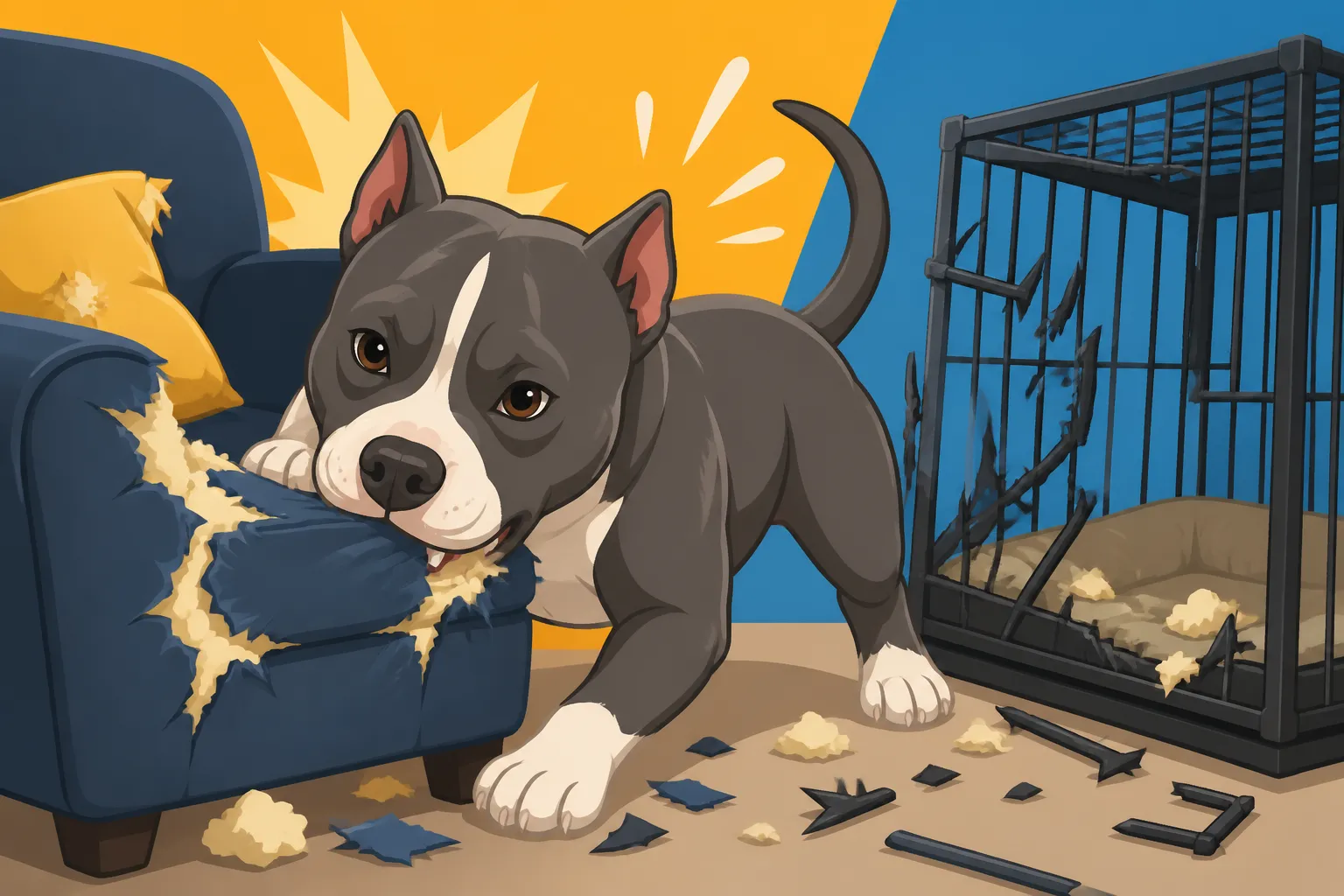
Finding your favorite couch cushion shredded or coming home to a crater-sized hole in your dog's crate is one of the most disheartening experiences a Pit Bull owner can face. It's not just the monetary cost of the damage; it's the confusion and frustration of wondering why your beloved dog is behaving this way, especially when you know they're capable of such sweetness. This comprehensive guide will delve deep into the common reasons behind Pit Bull chewing through furniture and crates, and, more importantly, equip you with actionable strategies to understand, manage, and ultimately redirect this powerful chewing drive.
Understanding Why Your Pit Bull Chews Destructively
It's easy to jump to conclusions when you see the aftermath of a chewing spree, often leading to frustration or even anger. But the truth is, destructive chewing in Pit Bulls, like in many dogs, is almost always a symptom of an unmet need or an underlying issue. Your Pit Bull isn't doing it to be "bad" or spiteful; they're communicating. Our job as responsible owners is to learn to interpret that communication.
Puppy Teething and Exploration
Let's start with the basics: if you have a Pit Bull puppy, chewing is simply part of their world. Just like human babies, puppies explore their environment with their mouths. Everything new is a potential chew toy, a way to understand texture, taste, and how things respond. This natural exploratory chewing intensifies when those tiny, needle-sharp puppy teeth start to fall out, making way for adult teeth. The discomfort of teething can be intense, and chewing provides relief by massaging their gums. Without appropriate outlets, your antique chair leg or the bars of their crate suddenly become a lot more appealing than a designated chew toy. This phase is crucial for developing appropriate chewing habits, so offering a variety of safe, appealing chews is paramount. For a young Pit Bull, this can range from frozen washcloths to softer rubber toys designed for teething mouths.
Boredom and Lack of Mental Stimulation
Pit Bulls are intelligent, powerful dogs that thrive on engagement. If their minds aren't stimulated, they'll find their own entertainment, and often, that comes in the form of chewing. Imagine being cooped up all day with nothing to do; wouldn't you start looking for something to occupy your time, even if it's not ideal? For a Pit Bull, that mental void can manifest as systematically dismantling a sofa or turning their crate pan into confetti. This isn't just about physical exercise; it's about challenging their brains. Without puzzles, training sessions, or interactive toys, a Pit Bull can quickly become bored, and boredom is a powerful motivator for destructive behavior. The mental energy expended in problem-solving or learning a new trick can be just as tiring, if not more so, than a long walk, and it helps to satisfy that inherent drive to do something.
Anxiety and Stress-Related Chewing
Chewing is a self-soothing behavior for many dogs, and Pit Bulls are no exception. If your dog is experiencing anxiety, whether it's separation anxiety when you leave the house or general stress from changes in their environment, chewing can be a way to cope. They might gnaw on objects to release pent-up energy, calm their nerves, or simply distract themselves from uncomfortable feelings. This kind of chewing often goes beyond typical exploration or boredom; it can be frantic, obsessive, and targeted at items that carry your scent, like your shoes or blankets, or their own crate, which represents their safe space, but also the place where they are left alone. Recognizing the signs of anxiety – pacing, excessive drooling, destructive chewing only when left alone, or frantic greetings – is key to addressing this root cause rather than just punishing the symptom. This deeper issue often requires a multi-faceted approach. A Pit Bull That Destroys Furniture When Alone might be struggling with significant separation distress, requiring careful management and counter-conditioning.
Undermet Exercise Needs
Pit Bulls are athletes. They are bred for strength, stamina, and agility, and they possess incredible physical prowess. If your Pit Bull isn't getting enough physical exercise, that boundless energy has to go somewhere. Just like a child who hasn't run around enough will bounce off the walls, a Pit Bull with unspent energy will find ways to burn it off – often through destructive acts. A quick stroll around the block simply isn't enough for many Pit Bulls. They need opportunities to run, jump, play, and explore. Without that physical outlet, they become restless, and that restlessness can easily translate into chewing everything in sight. This isn't just about tired muscles; it's about fulfilling their breed's inherent need for vigorous activity, which contributes to their overall mental well-being and contentment.
Assessing the Damage: Is It Normal Puppy Behavior or Something More?
It's crucial to differentiate between normal, developmental chewing and chewing that signals a deeper behavioral issue. While all puppies chew, the intensity, frequency, and targets of the chewing can tell you a lot about what's going on with your Pit Bull. Understanding this distinction helps you apply the most effective solutions.
Differentiating Puppy Chewing from Destructive Adult Chewing
Puppy chewing, while sometimes destructive to your belongings, is fundamentally about exploring and teething. It tends to be indiscriminate, focusing on whatever is available and provides relief to sore gums. A puppy might chew on a shoe one moment, a rug the next, and then their favorite plush toy. The chewing is often accompanied by other normal puppy behaviors like nipping, play-biting, and general rambunctiousness. You might notice them focusing on new items each day. This kind of chewing typically lessens as they mature, especially if appropriate chewing habits are consistently reinforced.
Adult destructive chewing, on the other hand, often has more specific triggers or patterns. It might be intensely focused on a single type of object, like furniture legs or crate bars, and can appear suddenly, even in a dog that previously had good chewing manners. If an adult Pit Bull starts chewing furniture or destroying their crate, it's a strong indicator of boredom, anxiety, or unfulfilled needs. It's not just exploring; it's often an outlet for stress or pent-up energy. The damage tends to be more severe, reflecting the increased jaw strength of an adult dog, and the behavior is less likely to resolve on its own without intervention. When your Pit Bull hits The Pit Bull Teenage Months, their chewing might even intensify as they test boundaries and mature.
When Crate Destruction Becomes a Safety Concern
A crate should be a safe, secure den for your Pit Bull. When a dog starts chewing through their crate, it's not just annoying; it can be incredibly dangerous. Dogs can ingest pieces of plastic, metal, or fabric, leading to choking hazards, internal blockages, or cuts in their mouth and digestive tract. Beyond ingestion, a determined Pit Bull can injure their teeth, gums, and even break a jaw trying to escape. If your dog is consistently bending bars, chewing through plastic trays, or breaking latches, it's a clear sign that the crate is no longer a safe containment solution for them. This level of destruction often points to severe anxiety or extreme frustration, and it requires immediate attention to prevent injury. A dog that is breaking out of its crate is likely experiencing significant distress. For serious crate chewers, considering The Crate a Pit Bull Cannot Break Out Of is a vital safety measure.
The Role of Breed-Specific Chewing Drive
It's important to acknowledge that Pit Bulls, by their very nature, are powerful chewers. Their strong jaws and inherent drive to "work" with their mouths mean they require more robust and appropriate chewing outlets than many other breeds. What might be a durable chew toy for a smaller dog could be dismantled by a Pit Bull in minutes. This isn't a flaw in their character; it's a trait of their physical build and historical purpose. Understanding this breed-specific drive means you can't just provide any old chew toy and expect it to suffice. You need to be intentional about selecting toys that can withstand their powerful jaws and satisfy their need to chew, otherwise, they'll inevitably turn to less desirable, and often more expensive, alternatives.
Management Strategies to Prevent Furniture and Crate Chewing
Prevention is always easier than correction when it comes to destructive chewing. By thoughtfully managing your Pit Bull's environment and providing ample appropriate outlets, you can steer their powerful chewing drive in a positive direction. This often involves a combination of removing temptation and offering irresistible alternatives.
Creating a "Chew-Proof" Environment
When you can't directly supervise your Pit Bull, whether you're leaving the house or simply stepping into another room, it's vital to "chew-proof" their environment. This means removing anything they could chew that you don't want them to. If they're in a designated safe space, like a puppy-proofed room or a large, secure pen, ensure all electrical cords are covered, valuable items are put away, and furniture corners are protected. This isn't about blaming the dog; it's about setting them up for success. If they don't have access to your favorite armchair, they can't chew it.
Consider using baby gates or exercise pens to restrict access to certain areas of your home. You can also temporarily use deterrents like bitter apple spray on furniture legs, though these are often only effective if your Pit Bull finds the taste truly aversive, and some dogs power right through it. The goal is to make it impossible for them to fail while you're not there to guide them. Over time, as their chewing habits improve and their training progresses, you can gradually grant them more freedom, but always start with a highly managed environment.
Providing Appropriate Chew Outlets
This is where you directly channel your Pit Bull's natural instincts. Your dog needs to chew, so give them plenty of things they are allowed to chew. The key here is variety and durability. A single Nylabone won't cut it for a persistent Pit Bull. You need a rotating selection of high-quality, long-lasting chew toys. Think about different textures and types:
- Durable Rubber Toys: Brands like Kong offer classic options that can be stuffed with treats to increase mental engagement. These are often great for strong chewers.
- Hard Nylon Chews: These come in various shapes and flavors and are designed for sustained chewing. Just be sure they don't splinter or break off in large pieces.
- Edible Chews: Bully sticks, dental chews, or yak chews can be fantastic, but always supervise and ensure they are appropriately sized and consumed safely. Remember, these are often higher calorie, so factor them into your dog's daily intake.
Many pet supply stores and online retailers like Amazon offer a vast selection of durable chew toys. Look for products specifically labeled for "power chewers" or "extra-tough." Stuffing Kongs with peanut butter, kibble, or specialized paste and freezing them can provide hours of mental stimulation and satisfy their chewing urge. Chew Toys That Hold Up to a Pit Bull are essential investments for any Pit Bull owner.
The Importance of Crate Training for Safety and Containment
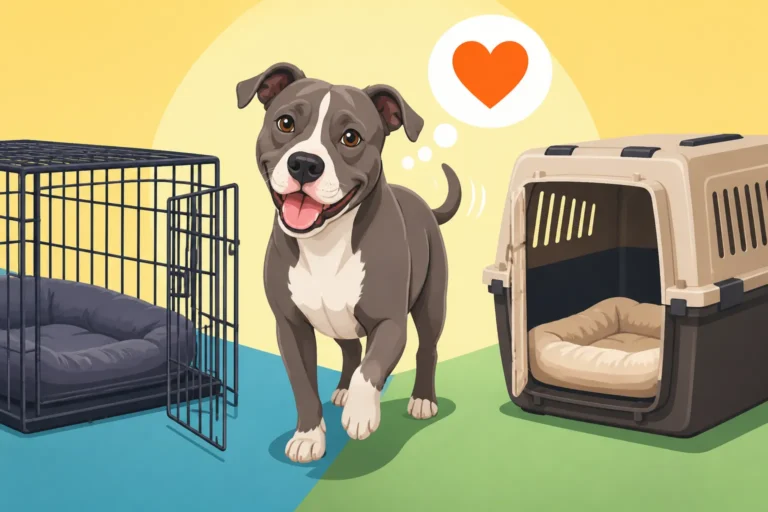
A properly introduced and positively reinforced crate can be an invaluable tool for managing a Pit Bull's chewing. It provides a safe, personal den where they can feel secure and where you know they can't get into trouble or damage your home when unsupervised. The operative phrase here is "properly introduced." A crate should never be used as punishment. Instead, it should be associated with positive experiences – tasty treats, favorite toys, and peaceful naps.
Start with short periods, gradually increasing the time your Pit Bull spends in the crate. Always leave a safe chew toy or a stuffed Kong in there with them. The goal is for them to want to be in their crate, to view it as their personal sanctuary. If your Pit Bull views the crate as a prison, their chewing might be an attempt to escape, fueled by fear or frustration, rather than just boredom. A solid crate training foundation is crucial not just for chewing management, but for overall well-being. This early training is vital for Getting a Pit Bull to Choose Its Crate.
Training Interventions to Redirect Chewing Habits
Management sets your Pit Bull up for success, but training teaches them what to chew and what not to chew. These interventions empower your dog with clear communication and help them make good choices even when you're not directly supervising.
Teaching "Leave It" and "Drop It"
These two commands are fundamental for managing any dog, but especially a strong chewer like a Pit Bull. "Leave It" teaches your dog to disengage from an object they are focused on, whether it's a sock they're about to grab or a furniture leg they're eyeing. "Drop It" teaches them to release something they already have in their mouth.
Start practicing "Leave It" with low-value items, rewarding heavily when they comply. Gradually increase the value of the item and the duration they have to "leave it." For "Drop It," offer a higher-value treat in exchange for the item they have. Consistency and high-value rewards are key. These commands give you the ability to interrupt inappropriate chewing before it causes damage and redirect their attention to an appropriate chew toy. Many reputable online training programs, such as those offered by BAXTER & Bella, incorporate these crucial commands into their curriculum, providing step-by-step guidance.
Reinforcing Appropriate Chewing Behavior
When your Pit Bull chews on an appropriate toy, make a big deal about it! Praise them, give them a gentle pet, and sometimes even offer a small, high-value treat. This positive reinforcement tells them, "Yes! That's exactly what I want you to chew!" The more you reinforce the right behavior, the more likely they are to repeat it.
Conversely, if you catch them chewing on something inappropriate, calmly interrupt them with a "No" or "Ah-ah," redirect them to an approved chew toy, and then praise them when they start chewing the correct item. Avoid harsh punishment, as this can create fear or make them sneak-chew when you're not looking. The goal is to show them the preferred alternative, not just scold them for the undesirable one. Having a supply of High-Value Treats That Hold a Pit Bull's Focus is a great way to reward these good choices.
Increasing Mental Enrichment and Structured Play
Beyond physical exercise, mental stimulation is paramount for a Pit Bull. An engaged mind is less likely to resort to destructive chewing out of boredom. Incorporate daily training sessions, even short ones, focusing on basic obedience commands or learning new tricks. Puzzle toys, snuffle mats, and scent games can provide excellent mental workouts. Hide treats around the house and encourage your Pit Bull to sniff them out.
Structured play, like fetch, tug, or flirt pole games, not only burns physical energy but also engages their minds. Teach them rules for tug-of-war – "take it," "drop it" – and ensure you initiate and end the game. This teaches impulse control and strengthens your bond. The more engaging and enriching their daily life is, the less likely they are to seek out destructive forms of entertainment. Puzzle Feeders a Pit Bull Cannot Destroy are excellent tools for this.
Addressing Underlying Causes: Beyond Just Chewing
Sometimes, destructive chewing is a symptom of a deeper issue that needs to be directly addressed. Simply managing the chewing might not be enough if the root cause isn't resolved. This often involves a holistic approach to your Pit Bull's well-being.
Boosting Exercise and Physical Activity
As mentioned earlier, Pit Bulls are powerful dogs with significant energy reserves. A lack of adequate exercise is a common contributor to destructive behavior. This isn't just about a walk around the block; it's about vigorous activity that truly tires them out, both physically and mentally.
Aim for at least 60-90 minutes of dedicated, high-intensity exercise daily, broken into multiple sessions if possible. This could include fast-paced walks, jogging, hiking, off-leash play in a secure area (where permitted), or active games of fetch. Consider dog sports like agility, flyball, or weight pulling if your Pit Bull enjoys them and is physically cleared by a vet. A tired Pit Bull is a good Pit Bull, and a well-exercised dog is far less likely to resort to chewing out of sheer boredom or pent-up energy. For more ideas, check out Pit Bull Exercise for a Powerful Athletic Dog.
Reducing Separation Anxiety and Stress
If chewing primarily occurs when you're away, separation anxiety is a strong possibility. This requires a much more nuanced approach than simply providing chew toys. It involves desensitization and counter-conditioning, gradually teaching your Pit Bull that being alone isn't scary.
Start with very short absences, literally seconds, and build up extremely slowly. Practice "mock departures" where you go through your leaving routine but don't actually leave. Provide a highly enticing, long-lasting chew or puzzle toy only when you leave, removing it when you return. This helps create a positive association with your departure. Avoid making a big fuss when you leave or return, as this can heighten their anxiety. In severe cases, a vet may recommend medication to help manage anxiety during the retraining process. Addressing Leaving a New Pit Bull Alone for the First Time carefully can prevent these issues from developing.
Consulting a Professional Trainer or Vet Behaviorist
There are times when destructive chewing, especially if it's severe, persistent, or accompanied by other behavioral issues, warrants professional help. A certified professional dog trainer, particularly one experienced with Pit Bulls and positive reinforcement methods, can assess your specific situation and develop a tailored training plan. They can help identify triggers, teach you effective communication techniques, and guide you through behavior modification protocols.
For cases involving severe anxiety, aggression, or obsessive behaviors, a veterinary behaviorist (a veterinarian with specialized training in animal behavior) might be necessary. They can consider medical factors, prescribe medication if appropriate, and work with you on a comprehensive treatment plan that addresses both the physical and psychological aspects of your Pit Bull's chewing. Don't hesitate to seek help; it's a sign of a responsible owner committed to their dog's well-being.
Choosing the Right Gear: Crates and Chews That Last
When you have a strong, determined chewer like a Pit Bull, the standard pet store fare often won't cut it. Investing in durable, high-quality gear is essential for safety, effectiveness, and saving money in the long run.
Durable Crate Options for Strong Chewers
Standard wire or plastic crates, while suitable for many dogs, can be no match for a motivated Pit Bull chewer. If your dog is bending bars or breaking plastic, it's time to upgrade. Look for:
- Heavy-Duty Wire Crates: Some manufacturers offer industrial-strength wire crates with thicker gauge wire, double latches, and reinforced welds. These are significantly more robust than basic models.
- Aluminum Crates: These are often used for travel and offer exceptional durability. They are lighter than steel but incredibly strong and resistant to chewing. They tend to be a higher investment but can last a lifetime.
- Impact-Resistant Plastic Crates: While regular plastic crates are easily chewed, some heavy-duty plastic options are designed with harder, more chew-resistant materials. Check reviews specifically from owners of strong chewers.
Always ensure the crate is appropriately sized, allowing your Pit Bull to stand up, turn around, and lie down comfortably. Never use a crate that your dog can escape or injure themselves in. Safety is paramount.
| Crate Type | Pros | Cons | Best For |
|---|---|---|---|
| Standard Wire Crate | Affordable, good visibility, foldable | Easily bent/chewed by determined Pit Bulls | Mild chewers, temporary use, non-anxious dogs |
| Heavy-Duty Wire Crate | Much stronger, more secure, still good airflow | Heavier, more expensive than standard wire | Moderate chewers, escape artists, long-term use |
| Impact-Resistant Plastic | Den-like feel, good for travel, more enclosed | Can still be chewed if highly motivated | Dogs preferring a den, travel, lighter chewers |
| Aluminum Crate | Extremely durable, lightweight for its strength, secure | Expensive, less visibility, not foldable | Power chewers, severe anxiety, frequent travel |
Indestructible Chew Toys for Pit Bulls
Forget the cute plush toys; your Pit Bull needs chew toys that can stand up to their impressive jaw strength. When shopping, prioritize materials like:
- Hard Rubber: Brands like Kong, West Paw, and Goughnuts offer toys made from extremely durable rubber compounds that are designed for aggressive chewers. Many of these have a lifetime guarantee.
- Solid Nylon: Nylabone and similar brands produce chew bones made from a very hard nylon. Ensure you choose the "extreme" or "power chewer" versions.
- Natural, Durable Chews: Antlers (supervised!), bully sticks, and yak chews can be excellent, but always ensure they are size-appropriate and don't pose a choking hazard or risk breaking teeth. Never leave your dog unsupervised with edible chews.
Avoid toys with small parts that can be chewed off and ingested. Regularly inspect your Pit Bull's chew toys for wear and tear, and discard any that are broken or show signs of becoming a hazard. Rotating toys can also keep them more interesting for your dog. A variety of textures and shapes keeps the chewing experience novel and satisfying.
Using Deterrents and Barriers
While not a standalone solution, deterrents can be a helpful temporary measure to make off-limits items less appealing. Bitter sprays, like Grannick's Bitter Apple, can be applied to furniture legs, baseboards, or other items your Pit Bull targets. The unpleasant taste can deter some dogs, but others might ignore it. Always test in an inconspicuous area first to ensure it doesn't stain.
Physical barriers are often more effective. Puppy gates, exercise pens, or even strategically placed furniture can block access to chewing hot zones. If your Pit Bull is chewing the crate bars, you might need to cover the inside with a chew-resistant lining (like heavy-gauge wire mesh or industrial-strength kennel panels, carefully installed to prevent injury) or upgrade to an escape-proof crate. Remember, deterrents are most effective when combined with providing appropriate chew alternatives and addressing the underlying reason for the chewing. You can find a range of deterrent sprays and protective covers on Amazon.
Disclaimer
This article is for general informational purposes only and does not constitute professional advice. Laws, prices and regulations vary by location and change over time. Consult a qualified professional for guidance on your specific situation.