The Pit Bull Teenage Months
Oh, the teenage months with a Pit Bull! If you're nodding along, probably with a slight groan, you're not alone. What felt like a well-behaved puppy suddenly morphs into a creature with selective hearing, boundless energy, and an uncanny ability to test every single boundary you've ever set. This guide is here to walk you through the tumultuous, yet ultimately rewarding, period of Pit Bull adolescence, offering practical advice and a healthy dose of empathy.
Understanding Pit Bull Adolescence: More Than Just a Phase
Just like human teenagers, adolescent Pit Bulls are navigating a complex world of physical changes, surging hormones, and a growing sense of self-awareness. It's a critical developmental period that shapes the adult dog they will become, and it often feels like a giant step backward in training. But understanding why these changes happen can help you approach them with patience and effective strategies.
When the Teenage Phase Kicks In for Pit Bulls
For many Pit Bull owners, the "teenage months" or adolescence typically begin around 6 to 8 months of age and can extend all the way up to 18 to 24 months, sometimes even longer for larger or slower-maturing individuals. It's not a sudden switch, but a gradual transition where that sweet, eager-to-please puppy starts flexing its independent muscles. You might notice subtle changes first – a slower response to a command, a sudden interest in things they previously ignored, or an increase in rough-and-tumble play. This phase is often characterized by a push for independence and a re-evaluation of the rules you thought were firmly established. It's a time when many dogs, including Pit Bulls, are rehomed because owners aren't prepared for the shift from puppy cuteness to adolescent challenge.
The Hormonal Rollercoaster and Its Impact
Hormones play a huge role in adolescent behavior. For intact males, rising testosterone can lead to an increased interest in sniffing, marking, and challenging other male dogs. For females, heat cycles bring their own set of hormonal fluctuations, leading to restlessness, irritability, and an intense desire to find a mate. Even if your Pit Bull has been spayed or neutered, these hormonal shifts influence brain development and behavior, often before the actual surgery. The brain is literally rewiring itself, moving from the rapid learning of puppyhood to a more complex, mature understanding of the world. This rewiring can make them more impulsive, less attentive, and prone to making "bad" decisions because their impulse control hasn't fully caught up with their physical capabilities. Think of it as their brain being under construction, and sometimes, the construction zone is messy and loud.
Why Pit Bulls Can Be Extra Challenging During Adolescence
While all dog breeds go through adolescence, Pit Bulls often present unique challenges due to their inherent traits. Their strength and athleticism mean that a sudden burst of energy or a stubborn refusal to comply can be a significant physical challenge for an owner. A fifty-pound Pit Bull with a strong prey drive or an aversion to another dog can be incredibly difficult to manage on a leash, especially if they haven't solidified their Pit Bull Leash Pulling at Fifty Pounds training. Furthermore, the public perception of Pit Bulls, unfortunately, often means that any adolescent exuberance or vocalization is viewed through a lens of suspicion, adding extra pressure on owners to ensure their dog is impeccably behaved. They are often held to a higher standard than other breeds, and their teenage antics can exacerbate this societal scrutiny. This is a time when the foundational training you did as a puppy, from Socializing a Pit Bull Puppy Thoroughly to basic obedience, will be truly tested.
Common Behavioral Shifts During Pit Bull Teenage Months
The adolescent period is a minefield of new behaviors and a resurgence of old, unwanted ones. Knowing what to expect can help you prepare and react effectively, rather than feeling blindsided by your once-perfect puppy's sudden transformation.
The Return of Selective Hearing and Boundary Pushing
Remember how your Pit Bull puppy used to come bounding to you the moment you called their name? Or how they seemed to intuitively understand what "no" meant? During the teenage months, that often goes right out the window. Suddenly, your recall might be ignored in favor of a particularly interesting scent or another dog across the park. Boundaries you thought were firmly in place – like not jumping on guests or staying off the furniture – become suggestions, not rules. This isn't usually malicious; it's a combination of their developing brain, burgeoning independence, and a natural instinct to test limits. They're trying to figure out where they stand in the world and what they can get away with. It's a common frustration, and many owners feel like they're back to square one with their training, but it's vital to stay consistent.
Increased Independence and "Testing the Waters"
Along with selective hearing comes a stronger sense of independence. Your Pit Bull might be less inclined to stick by your side on walks, venturing further out on their long line, or show less interest in constant cuddles. They might also start testing limits in more subtle ways, like taking items they know they shouldn't have and daring you to chase them, or being more persistent in begging for food. This push for independence is a normal part of their development, as they learn to navigate the world with less reliance on their primary caregiver. However, it also means you need to be extra vigilant in setting clear expectations and consequences. For example, if your Pit Bull is prone to destructive chewing when left alone, their increased independence might manifest as chewing through furniture or even their crate if it's not robust enough. Chew Toys That Hold Up to a Pit Bull become absolutely essential during this time.
Heightened Reactivity and Environmental Awareness
As Pit Bulls mature, their awareness of their surroundings often increases, and this can sometimes lead to heightened reactivity. What might have been a minor distraction as a puppy could now elicit a strong bark, lunge, or growl. This can apply to other dogs, strangers, cars, or even novel objects in the environment. Their instinct to protect their space or their people can become more pronounced. This isn't necessarily aggression, but often a lack of confidence, over-excitement, or an inability to self-regulate. Their physical strength and presence can make these reactions particularly concerning in public, leading to difficult and embarrassing situations. It's important to address any signs of reactivity promptly and proactively, as letting it fester can make it much harder to manage later on. Consistent exposure to new environments in a controlled, positive way is key.
Training Strategies for the Adolescent Pit Bull
Training an adolescent Pit Bull requires a blend of patience, consistency, and a willingness to adapt your methods. What worked perfectly for a puppy might need a little tweaking now that you're dealing with a more independent and powerful dog.
Reinforcing Foundational Commands with Higher Stakes
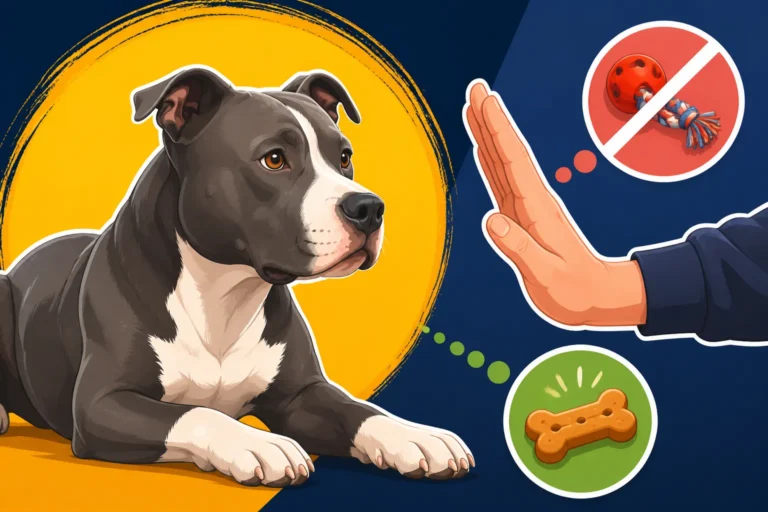
This is not the time to stop training; it's time to double down! Go back to basics, but practice in increasingly distracting environments. If "sit" is solid in your living room, try it in your yard, then on a quiet street, then near a bustling park. Your Pit Bull needs to learn that commands are not optional, regardless of what exciting things are happening around them. Use high-value treats and enthusiastic praise to make yourself the most interesting thing in their world. This is where those tiny, incredibly motivating treats come in handy for continuous reinforcement. Starting Clicker Training on a Pit Bull can also be a fantastic way to sharpen communication and maintain focus during this "challenging" phase. Remember that Pit Bulls thrive on clear communication and a strong leader, so reiterating those early lessons is crucial.
Building Impulse Control Through Structured Games
Impulse control is often the biggest casualty of adolescence. Your Pit Bull might know "leave it," but their surging hormones and drive can make it incredibly difficult for them to choose to leave a dropped treat or a squirrel. Structured games can be a fun and effective way to build this critical skill. Games like "fetch and drop," where they learn to bring back a toy and release it on command, or "wait" games before going through a door or eating their meal, all reinforce self-control. "Zen Bowl" exercises, where you present food but only allow them to eat it when they are calm and look at you, are also excellent. Incorporate short training bursts throughout the day rather than one long, tedious session. You can find many ideas for these types of games through online platforms like BAXTER & Bella, which often provides engaging lesson plans that keep both you and your dog motivated.
Seeking Professional Guidance or Group Classes
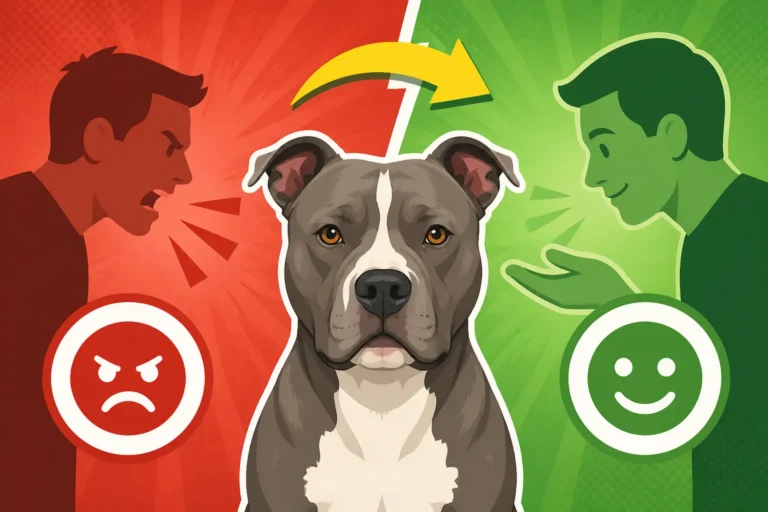
Sometimes, despite your best efforts, you might feel overwhelmed by your adolescent Pit Bull's behavior. There is absolutely no shame in seeking professional help. A good trainer can provide an objective perspective, identify underlying issues, and equip you with tailored strategies. Group classes, especially those focused on advanced obedience or Canine Good Citizen preparation, can be incredibly beneficial. They provide a structured environment for socialization and expose your Pit Bull to distractions while you practice commands, all under the watchful eye of a professional. When looking for a trainer, make sure they have experience with strong, powerful breeds and utilize positive reinforcement methods. Finding a Trainer Experienced With Pit Bulls is crucial for getting the right kind of support. A good trainer can help you navigate common issues like A Pit Bull That Greets Too Enthusiastically or managing their excitement around other dogs.
Managing Energy and Impulse Control in Your Teenage Pit Bull
The sheer energy of an adolescent Pit Bull can be exhausting for owners. These are powerful, athletic dogs, and if that energy isn't channeled appropriately, it can manifest as destructive behavior, excessive barking, or general mayhem around the house.
Tailoring Exercise to the Adolescent Body
While your Pit Bull puppy needed limits on strenuous exercise to protect their developing joints, an adolescent Pit Bull requires significant physical outlets. However, it's still important to ensure the exercise is appropriate for their age and physical development. High-impact activities like repeated, high jumps should still be done in moderation. Long, brisk walks, jogging (once their growth plates have closed, typically around 12-18 months), hiking on varied terrain, and swimming are excellent ways to burn off steam. Remember, a tired Pit Bull is a good Pit Bull! Ensure you're paying attention to the weather, especially in warmer climates, as Pit Bulls can overheat. Working a Pit Bull Through a Hot Summer requires careful planning. If you're going for long walks, a sturdy harness from a brand you can find on Amazon designed for strong pullers can make a world of difference.
| Exercise Type | Suitability for Adolescent Pit Bull | Benefits | Considerations |
|---|---|---|---|
| Long Walks/Hikes | Excellent | Stamina, mental stimulation, scent work | Check pavement temperature, carry water |
| Jogging/Running | Good (after ~12-18 months) | Cardio, burns high energy | Avoid hard surfaces, monitor for lameness |
| Swimming | Excellent | Low impact, full body workout, cooling | Ensure safety (life vest), supervised only |
| Flirt Pole Play | Good (moderate) | Impulse control, prey drive outlet, short bursts | Avoid excessive jumping/twisting, protect joints |
| Tug-of-War | Excellent (with rules) | Builds bond, strength, bite inhibition | Teach "drop it," no aggressive tugging |
| Weight Pull | Not Recommended for Pets | Extreme sport, requires specific training | High injury risk for recreational dogs |
Mental Stimulation Beyond Physical Outlets
Physical exercise alone often isn't enough for the intelligent Pit Bull. Their minds need to be worked just as much as their bodies. Puzzle feeders, often available from brands on Amazon, that require them to problem-solve to get their food can be fantastic for engaging their brains and slowing down meal times. Scent work, where they use their noses to find hidden treats or toys, is another excellent mental workout. Learning new tricks, even silly ones, keeps their minds active and strengthens your bond. Rotating toys, providing different textures and types of enrichment, and offering chew items that truly last will prevent boredom-driven destructive behaviors. If your Pit Bull is constantly looking for trouble, they're likely under-stimulated mentally.
Chew Toys and Appropriate Outlets for Destructive Urges
Adolescent Pit Bulls have strong jaws and an innate need to chew. This is a crucial outlet for stress, boredom, and simply exploring their world. Providing appropriate, durable chew toys is paramount. Invest in high-quality, long-lasting chews that can stand up to their powerful bite. Many owners find success with brands that produce extremely tough rubber or nylon toys. Avoid anything that can be easily shredded or swallowed, as this can lead to blockages or choking hazards. If your Pit Bull starts Pit Bull Chewing Through Furniture and Crates, it's a clear sign they need more appropriate outlets, more exercise, or more mental stimulation. Rotating a selection of engaging chew toys can keep their interest high and their teeth off your furniture.
Navigating Social Dynamics: Dogs, People, and the Teenage Pit Bull
One of the most challenging aspects of Pit Bull adolescence is navigating their developing social dynamics. Their interactions with other dogs and people can shift dramatically, requiring careful management and continued socialization.
Understanding the Onset of Dog Selectivity
A common and often misunderstood characteristic that emerges during Pit Bull adolescence is "dog selectivity" or "dog tolerance." While your Pit Bull might have loved every dog they met as a puppy, they might now become more discerning. This can manifest as an indifference to some dogs, a preference for certain play styles, or even an aversion to specific types of dogs (e.g., intact males, pushy dogs). It's important to understand that What Dog Selectivity Means in a Pit Bull is not necessarily aggression, but rather a mature understanding of their own space and boundaries. This is often the age when owners report their Pit Bull starting Reading a Pit Bull Before a Scuffle Starts. It means you need to be more proactive in managing introductions, supervising play, and sometimes, simply choosing to avoid certain dogs or situations. Not every dog needs to be best friends, and it's okay for your Pit Bull to be selective.
Managing Greetings with Strangers and Visitors
The way your Pit Bull greets people can also change during adolescence. Some might become more exuberant, jumping with unchecked enthusiasm, while others might become more reserved or even wary of strangers. It's vital to continue teaching polite greeting manners. This means no jumping, no excessive barking, and keeping all four paws on the floor. Practice having them sit politely when people approach, rewarding calm behavior heavily. For guests coming to your home, set up a plan: have your Pit Bull on a leash initially, ask guests to ignore them until they are calm, and reward them for polite greetings. The more you reinforce these behaviors, the more ingrained they become. Remember, Teaching a Pit Bull Not to Jump on Guests is an ongoing process.
Public Perception and Responsible Handling
As a Pit Bull owner, you unfortunately carry the burden of public perception. During adolescence, when your dog is full of energy and testing boundaries, this burden can feel heavier. Every boisterous greeting, every loud bark, every tug on the leash might be judged more harshly than if it came from another breed. This makes responsible handling and training even more critical. Always keep your Pit Bull on a leash in public, especially if their recall isn't 100% reliable. Consider Muzzle Training Every Pit Bull Should Have as a responsible practice, even if you never intend to use it regularly. A well-trained, well-behaved Pit Bull is the best ambassador for the breed, and the teenage months are a crucial time to solidify those positive habits. If you walk a strong-pulling dog, a comfortable, escape-proof harness is a must, readily available on platforms like Amazon.
Patience, Consistency, and Seeking Help: Your Role as an Owner
Surviving the Pit Bull teenage months is as much about your resilience as it is about your dog's training. It requires an immense amount of patience, unwavering consistency, and knowing when to ask for help.
The Importance of Unwavering Routine and Boundaries
Adolescent Pit Bulls thrive on routine and clear, consistent boundaries. While they might push against them, they secretly crave the predictability and security that structure provides. Stick to a consistent feeding schedule, walk times, and training sessions. Ensure that everyone in the household is on the same page regarding rules – what's allowed and what's not. If one person lets them jump on the couch and another scolds them for it, your Pit Bull will become confused and frustrated, making boundary-testing even more likely. This is not the time to become complacent; it's the time to reinforce everything you've taught, day in and day out. Think of it as building a strong framework that will support them as they grow into well-adjusted adults. The Month a Pit Bull Starts Pushing Back is often when this consistency truly pays off.
Knowing When to Call in a Professional Trainer
There will be days when you feel like you're losing your mind, when your Pit Bull has undone weeks of training in a single afternoon. This is normal. However, if you find yourself consistently frustrated, unable to manage specific behaviors, or if your Pit Bull develops concerning issues like fear, reactivity that escalates, or resource guarding, it's time to call in a professional. Don't wait until the problem becomes entrenched. An experienced trainer, especially one familiar with the nuances of Pit Bull temperament, can offer invaluable support. They can help you understand the root cause of behaviors and provide a clear, actionable plan. Sometimes, just having an outside perspective can make all the difference. For some, even a virtual consultation with a service like BAXTER & Bella can provide quick, actionable advice to tackle specific challenges.
Celebrating Small Wins and Maintaining Perspective
The teenage months can feel like a marathon with no finish line in sight. It's easy to get caught up in the daily struggles and forget the progress you've made. Make a conscious effort to celebrate the small wins: when your Pit Bull does come when called, when they settle quietly during an exciting event, or when they offer a polite greeting to a stranger. These moments are proof that your hard work is paying off. Remember, this phase is temporary. Your goofy, frustrating, yet ultimately lovable adolescent Pit Bull will eventually mature into a wonderful adult dog, largely due to the effort and commitment you put in now. Keep a diary of their progress, look back at where you started with What to Teach a Pit Bull Puppy and When, and keep reminding yourself of the amazing companion they are becoming.
Disclaimer
This article is for general informational purposes only and does not constitute professional advice. Laws, prices and regulations vary by location and change over time. Consult a qualified professional for guidance on your specific situation.