Why Every Pit Bull Should Be Muzzle Trained
It's a tough truth that many Pit Bull owners grapple with: the world often judges our beloved dogs before they even get a chance to wag their tail. Because of persistent stereotypes and breed-specific fears, even the most gentle Pit Bull can face suspicion, leading to awkward encounters or even outright discrimination. This comprehensive guide is here to shed light on why positive muzzle training isn't just a safety measure, but a powerful act of responsible ownership and advocacy, giving you and your dog more freedom and peace of mind.
The Undeniable "Why" Behind Muzzle Training for Pit Bulls
Let's be real: no one wants to put a muzzle on their dog. It conjures up images that are often negative, signaling aggression or danger. But for Pit Bull owners, the decision to muzzle train often comes from a place of deep love and responsibility, driven by factors unique to our dogs. It's about being proactive in a world that often isn't fair to these wonderful breeds.
Navigating Societal Perceptions and Breed-Specific Legislation
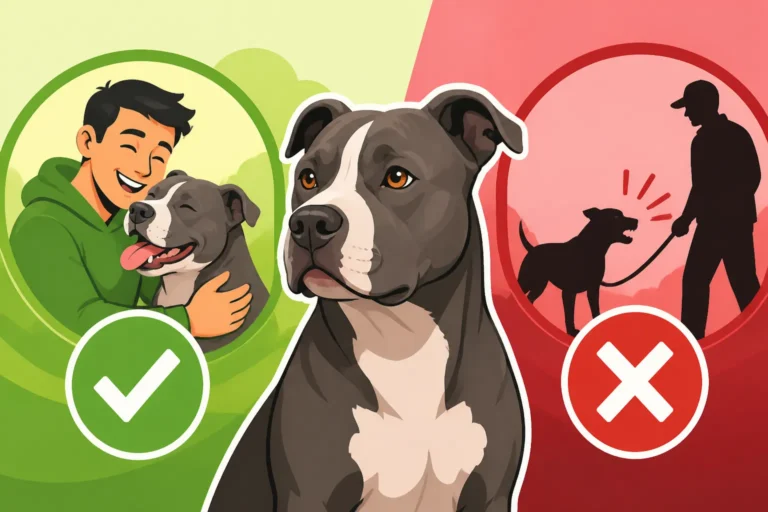
This is perhaps the hardest pill to swallow for many of us. Our Pit Bulls are family, gentle giants, goofy clowns – but to a significant portion of the public, they are still seen through a lens of fear and misunderstanding. This isn't fair, and it's certainly not always accurate, but it's the reality we live in. Muzzle training, in this context, becomes a way to manage these external perceptions and, frankly, to protect our dogs from potential incidents that could be blown out of proportion.
Think about it: a Golden Retriever might snap at a child who tugs its tail too hard, and while regrettable, it might be brushed off as "just a dog being a dog." A Pit Bull doing the same, however, could lead to far more severe consequences, including legal action, impoundment, or even euthanasia, simply because of its breed label. This is the unfortunate reality of breed-specific legislation (BSL) and general societal bias. By proactively muzzle training, you're creating a visual cue for the public that says, "My dog is safely managed, and I am a responsible owner." It can reduce anxiety in passersby, de-escalate potential tensions, and frankly, keep you and your dog out of difficult situations. It's an extra layer of protection, not because your dog is inherently dangerous, but because the world often assumes it is. For tips on navigating these tricky waters, you might find our article on Handling a Pit Bull in Public Without Incident particularly helpful.
A Preparedness Tool, Not a Punishment or Admission of Guilt
Let's clarify something critical right from the start: a muzzle is not a tool of punishment, nor does its use imply that your dog is aggressive or dangerous. Rather, it's a preparedness tool, much like a seatbelt in a car or a smoke detector in your home. You hope you never need them, but you're profoundly grateful they're there if an emergency arises. Muzzle training your Pit Bull is about being ready for anything.
Imagine an unexpected accident, where your dog is injured and in pain. Even the sweetest dog, when in agony, might instinctively lash out to protect itself from perceived threats, including the very hands trying to help it. A muzzle, worn comfortably by a dog accustomed to it, allows veterinary staff or emergency responders to safely examine and treat your dog without fear of being bitten. It ensures your dog gets the care it needs, without added stress or risk to human helpers. It's about proactive care and ensuring the best outcome for your beloved companion, not about admitting any fault in their character. It's about equipping your Pit Bull with a skill that could literally save its life one day. It also ties into the general philosophy of Training a Pit Bull to a Higher Standard Than Other Dogs, where we prepare them for every eventuality.
Practical Benefits for Everyday Life and Emergencies
Beyond societal pressures, muzzle training offers tangible, everyday benefits that enhance your Pit Bull's quality of life and your peace of mind. It opens up new possibilities and safeguards against common canine mishaps, turning potential problems into manageable situations.
Enhancing Safety During Vet Visits and Grooming
Vet visits and grooming appointments can be stressful for any dog. Strange smells, unfamiliar hands, and sometimes uncomfortable procedures can trigger anxiety or fear, leading to defensive behaviors. For a powerful dog like a Pit Bull, even a slight nip can be perceived as a serious incident, causing distress for everyone involved. Muzzle training can completely change this dynamic.
If your Pit Bull is accustomed to wearing a muzzle in a positive context, these visits become significantly less stressful for both your dog and the professionals handling them. A well-fitted, comfortable muzzle (we'll talk about types later) allows the vet to perform examinations, draw blood, administer injections, or even handle minor procedures without the constant worry of a reactive bite. Groomers, too, can work more confidently, especially when dealing with sensitive areas like nails or ears. This isn't about controlling an aggressive dog; it's about providing a safe and predictable environment for routine care. Many dogs, even those who love their vet, can react poorly when in pain or discomfort, and a muzzle ensures that necessary care can be provided without incident. This proactive approach supports a smoother experience for everyone involved and helps build a positive association with handling, a critical part of a dog's overall well-being. Regular check-ups, including discussions around Pit Bull Dental Cleaning Schedule, are essential, and muzzle training helps ensure these go smoothly.
Preventing Scavenging and Accidental Ingestion
One of the most common, and sometimes dangerous, habits for dogs is scavenging. Whether it's picking up discarded food during a walk, exploring questionable items in the yard, or trying to eat something truly toxic, accidental ingestion is a frequent cause of emergency vet visits. For a dog with a strong prey drive or a tendency to explore with their mouth, this can be a constant battle for owners.
A muzzle, specifically a basket muzzle, can be an incredibly effective tool for preventing scavenging. It allows your dog to pant, drink water, and even take small treats (if trained correctly), but prevents them from picking up and ingesting larger objects off the ground. This is invaluable when walking in areas prone to litter, around construction sites, or even when visiting friends or family whose homes aren't perfectly dog-proofed. It buys you precious time to intervene, removing the hazardous item before your dog can swallow it. This isn't about denying your dog enjoyment; it's about safeguarding their health and preventing potentially life-threatening situations, such as choking or poisoning. Think of it as a safety net that lets your dog explore the world more freely, under your supervision, without the constant stress of what they might try to eat next.
Facilitating Travel and Access to Public Spaces
Traveling with a Pit Bull, or even just navigating certain public spaces, can be fraught with challenges due to breed restrictions and public perception. Many airlines, train services, and even some public transportation systems have specific rules for "strong" or "bully" breeds, often requiring them to be muzzled. Furthermore, some public parks, outdoor dining areas, or community events might request muzzling for certain dogs, or it might simply be a courtesy that helps everyone feel more comfortable.
By accustoming your Pit Bull to a muzzle, you unlock more opportunities for them to join you on adventures. Imagine taking a road trip and confidently bringing your dog into a pet-friendly cafe, knowing they are comfortably and safely muzzled. Or being able to visit a new city park without worrying about how your dog's presence might be perceived. Muzzle training expands your dog's world, giving them access to experiences they might otherwise miss out on due to breed stereotypes or specific regulations. It removes barriers, reduces stress, and demonstrates your commitment to being a responsible dog owner, no matter where your journey takes you. It's about inclusion, not exclusion, and helping your dog be a well-mannered ambassador for their breed wherever they go. Knowing What Happens When You Walk a Pit Bull in Public can help you prepare for different reactions, and a muzzle can often smooth these interactions.
Humane and Positive Muzzle Training Methods
The idea of muzzle training might seem daunting, but it’s crucial to remember that it’s a process built on positive reinforcement, making it a comfortable and even enjoyable experience for your Pit Bull. We want our dogs to love their muzzles, not fear them.
Choosing the Right Muzzle for Comfort and Safety
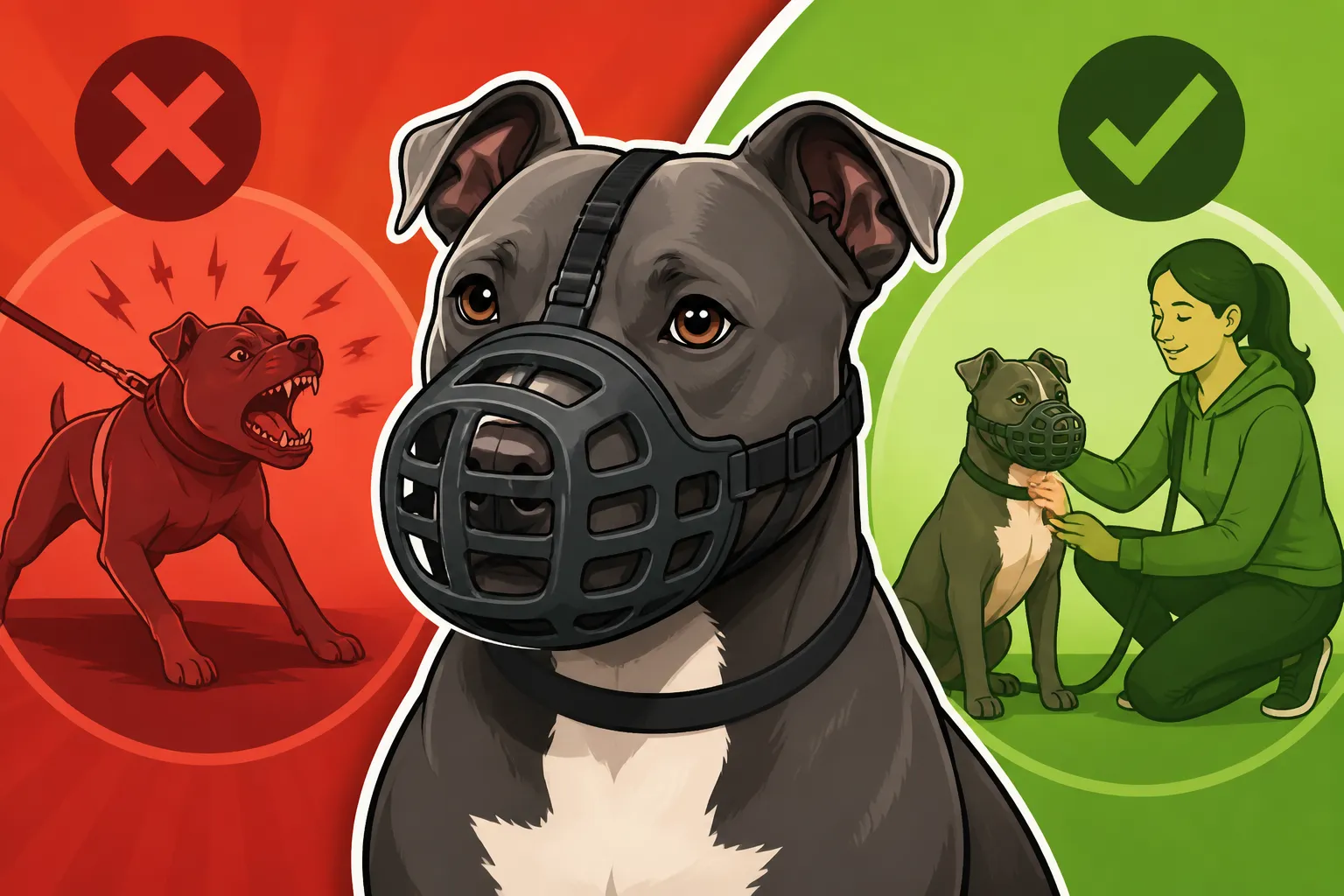
Selecting the correct muzzle is paramount. A poorly fitted or inappropriate muzzle can cause discomfort, stress, and even injury, completely undermining your training efforts. For Pit Bulls, due to their powerful jaws and sometimes broad heads, a basket muzzle is almost always the recommended choice. Unlike cloth muzzles that hold a dog's mouth shut, a good basket muzzle allows your dog to pant freely, drink water, and even take treats. This is essential for their comfort, especially during exercise or in warmer weather, and for making the training process positive.
When looking for a basket muzzle, focus on fit, durability, and material. Brands found on platforms like Amazon often offer a range of sizes and styles. You want one that provides ample room for your dog to open their mouth comfortably for panting, without being so loose that they can paw it off. It should sit securely on their snout and behind their ears without rubbing or pinching. Materials like durable plastic or wire baskets are common. Measure your dog's snout length (from just below the eyes to the tip of the nose) and circumference (around the widest part of the snout) to ensure a proper fit. Many companies provide sizing guides, and it's often worth trying a couple of sizes to find the perfect match. Remember, this is an investment in your dog's safety and comfort, so don't cut corners here. For more in-depth guidance, consider our article on Choosing a Basket Muzzle for a Pit Bull.
Here's a quick comparison of common muzzle types:
| Muzzle Type | Pros | Cons | Best Use Case |
|---|---|---|---|
| Basket Muzzle | Allows panting, drinking, and treating; durable; good for extended wear. | Can be bulky; requires precise fitting for comfort. | All-purpose, essential for Pit Bulls, safety, public spaces, vet visits. |
| Fabric Muzzle | Compact; easy to carry; inexpensive. | Prevents panting/drinking; only for very short periods; can cause overheating. | Emergency situations only, or very brief handling where safety is paramount. |
| Mesh Muzzle | Lighter than basket; some breathability. | Still restricts panting more than a basket; less durable than basket. | Short-term use, less restrictive than fabric but not ideal for long periods. |
| Grooming Muzzle | Usually fabric or lightweight; specifically for quick, supervised tasks. | Same panting restrictions as fabric; not for prolonged wear. | Very brief grooming or nail trims. |
Step-by-Step Muzzle Conditioning for Success
Muzzle training should always be a gradual, positive experience. The goal is for your Pit Bull to associate the muzzle with good things, making it a non-event, or even a welcome signal. This isn't a race; patience is key. A structured approach, often starting with tiny steps and lots of high-value treats, works wonders. Online resources like the BAXTER & Bella program often provide excellent step-by-step guidance on positive reinforcement training, which is ideal for muzzle conditioning.
- Introduce the muzzle positively: Start by simply letting your dog see and sniff the muzzle. Reward them with a treat and praise. Don't force interaction.
- Treats near, then in, the muzzle: Hold the muzzle in one hand and a treat in the other, letting your dog eat the treat through the muzzle. Repeat this several times. The goal is for them to voluntarily put their nose into the muzzle to get the treat.
- Duration, then fastening: Once your dog is happily putting their nose in, start to gradually increase the time their nose is in the muzzle, slowly building up to the point where you can fasten the straps for a second or two, always rewarding them generously.
- Short intervals, then longer periods: Begin with very short periods of wearing the muzzle, combined with enjoyable activities like a quick game, a walk, or a special treat. Gradually extend the duration.
- Practice in different environments: Once your dog is comfortable wearing it at home, practice in different, low-stress environments before taking it to busier places.
The key is never to rush, never to force, and always to pair the muzzle with something enjoyable. If your dog shows any signs of stress, go back a step. Consistency, positive reinforcement, and patience are your best friends here. For a more detailed regimen, check out Muzzle Conditioning a Pit Bull in Two Weeks.
Maintaining Muzzle Skills Throughout Your Pit Bull's Life
Muzzle training isn't a "one-and-done" deal. Like any skill, it needs to be maintained and reinforced throughout your Pit Bull's life to ensure they remain comfortable and cooperative. Life changes, and so can a dog's comfort levels with certain situations or equipment.
Regular, positive "muzzle refreshers" are important. This doesn't mean your dog needs to wear a muzzle every day, but incorporating it into fun activities occasionally keeps the positive association strong. Maybe once a week or a few times a month, have your Pit Bull wear their muzzle for a few minutes while they get a favorite chew, play a game, or go for a short, enjoyable walk. This prevents the muzzle from becoming associated only with stressful events, should one arise. Also, be mindful of any changes in your dog's health or behavior. If they suddenly become uncomfortable with the muzzle, it might be a sign of pain, anxiety, or a poorly fitting muzzle due to weight gain or loss. Addressing these issues promptly is part of responsible ownership. By consistently maintaining their muzzle skills, you ensure that this valuable tool remains a comfortable and reliable part of your Pit Bull's safety toolkit for years to come.
Overcoming the Stigma and Advocating for Your Dog
Despite all the logical reasons for muzzle training, the visual of a Pit Bull in a muzzle can unfortunately still carry a heavy stigma. As responsible owners, part of our role is to challenge these misconceptions and advocate for our dogs and the breed as a whole.
Educating Others About Responsible Muzzle Use
One of the most powerful things you can do is to be an ambassador for responsible muzzle use. When people see your Pit Bull in a muzzle, they might immediately jump to negative conclusions. This is your opportunity to educate, gently and confidently. Instead of feeling shame or embarrassment, adopt a posture of pride in your preparedness and proactive care.
If someone asks why your dog is wearing a muzzle, you can calmly explain that it's a safety measure, much like a child wearing a helmet on a bike, or that it's to prevent scavenging. You might say, "My dog is very sensitive, and this helps keep them comfortable during vet visits," or "We're working on not eating things off the ground, so this helps them stay safe." The key is to frame it as a positive choice, not a reaction to a problem. Demonstrate that your muzzle-trained Pit Bull is calm, happy, and well-adjusted while wearing it. This can help dismantle the stereotype that muzzles are only for "bad" dogs. Your confident, informed approach can change perceptions, one person at a time, showcasing the dedication of The Advice Experienced Pit Bull Owners Give.
Building Confidence in Your Muzzle-Trained Pit Bull
A confident dog is a happy dog, and muzzle training, done correctly, can actually boost your Pit Bull's confidence. When they learn that wearing a muzzle leads to positive experiences, they learn to trust the process and, by extension, trust you to keep them safe and comfortable. This can be especially important for dogs who might be anxious in certain situations, as the muzzle can become a comforting routine that signals "we're going somewhere fun" or "we're going to do something safe."
Continue to reinforce the positive associations with high-value treats and praise every time the muzzle comes out. Practice in familiar, safe environments before introducing new challenges. Remember, the goal is not just compliance, but genuine comfort. A dog that is confident in its muzzle is less likely to show stress or resistance, which in turn reinforces positive public perception. This confidence will spill over into other areas of their life, strengthening your bond and making them a more secure and adaptable companion. By being consistent and making muzzle use a normal, positive part of your Pit Bull's routine, you're not only ensuring safety but fostering a more confident and well-adjusted dog, ready to face the world with you. Whether a CGC Title Helps a Pit Bull Policy also touches upon how public perception and training go hand in hand to benefit your dog.
Disclaimer
This article is for general informational purposes only and does not constitute professional advice. Laws, prices and regulations vary by location and change over time. Consult a qualified professional for guidance on your specific situation.