Getting a Pit Bull Used to Handling by Strangers
One of the biggest anxieties many Pit Bull owners face is how their beloved companion will be perceived and interact with strangers. Because of unfair stereotypes, your sweet, goofy Pit Bull is often judged by a stricter standard, and encounters with new people, especially those who want to pet or handle them, can become a source of stress. This guide will walk you through how to systematically and positively get your Pit Bull comfortable and confident with handling by strangers, turning potentially awkward situations into positive experiences for everyone.
The Unique Challenge for Pit Bull Owners
Let's be real: owning a Pit Bull comes with its own set of unique challenges that often aren't faced by owners of other breeds. When you walk your Pit Bull down the street, people aren't just seeing "a dog"; they're seeing "a Pit Bull," and with that comes a load of preconceived notions, both good and bad. This means that every interaction your dog has in public is under a microscope, and even a minor slip-up can reinforce negative stereotypes. It's an unfair burden, but it's our reality as Pit Bull parents.
Public Perception and Breed Stereotypes
The sad truth is that despite their loving nature, Pit Bulls often carry a heavy reputation. Movies, news headlines, and even casual conversations can paint a picture of aggression or unpredictability, which couldn't be further from the truth for the vast majority of these dogs. However, this perception means that when a stranger approaches your Pit Bull, they might already be feeling wary or nervous. This isn't their fault, but it places a greater responsibility on us, the owners, to ensure our dogs are not just well-behaved, but demonstrably comfortable and calm when interacted with. A friendly wagging tail and relaxed posture from your Pit Bull can go a long way in changing hearts and minds. It’s about being an ambassador for the breed, even when you didn’t sign up for the job.
Why Calm Handling Is Crucial for Pit Bulls
Beyond just changing minds, ensuring your Pit Bull is calm with handling is vital for their safety and well-being. Think about routine vet visits, grooming appointments, or even just a friendly neighbor wanting to say hello. If your dog isn't comfortable being touched by people they don't know, these necessary interactions can become terrifying, stressful, or even lead to defensive reactions. A dog that tolerates, or better yet, enjoys gentle handling from various people is a safer, happier, and much more manageable dog. It reduces stress for them and for you, and it helps prevent potential misunderstandings or incidents that can have serious repercussions for you and your dog. We all want our dogs to be comfortable and confident, especially when facing new situations.
Building a Solid Foundation: Early Socialization and Positive Associations
The journey to a Pit Bull that's happy with handling by strangers begins long before they meet their first new friend on the street. It starts with a comprehensive approach to socialization and consistently pairing new experiences with overwhelmingly positive feelings. This foundation is like building a strong house; if the base isn't solid, everything else might crumble.
Early Puppy Socialization Essentials
If you have a Pit Bull puppy, the period from about 8 to 16 weeks is absolutely golden for socialization. This is when their brains are like sponges, soaking up information about the world. During this time, expose your puppy to a wide variety of safe and positive experiences. This means meeting different types of people: men with beards, women with hats, children (under strict supervision), people in uniforms, people with canes, people with different skin colors, people of different sizes. The key is to make every encounter brief, positive, and paired with high-value treats and praise. Don't force interaction. Let the puppy approach on their terms, and always reward calm, curious engagement.
For example, invite a few trusted friends over, one at a time. Have them sit quietly while your puppy investigates. When the puppy approaches, they can offer a small, pea-sized piece of chicken or cheese. The focus isn't on a long petting session, but on the puppy associating "new person" with "delicious snack." This gentle approach helps them build a positive mental catalog of human diversity. For more on this, check out The Weeks That Shape a Pit Bull Puppy.
Creating Positive Associations with Touch
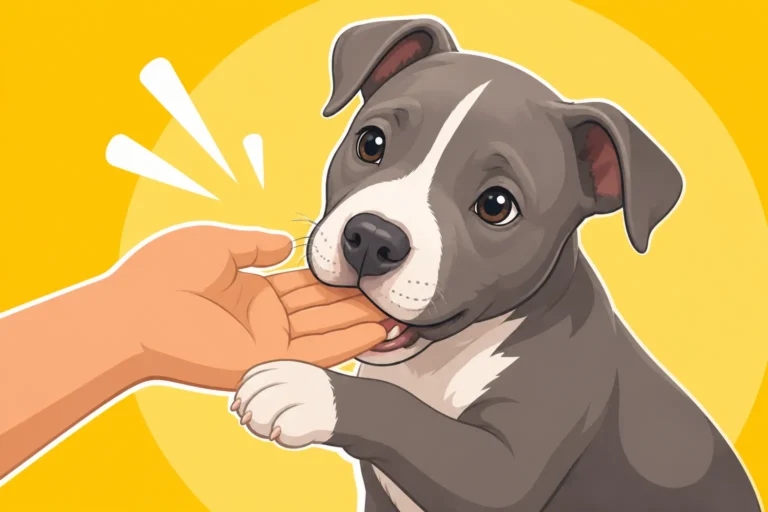
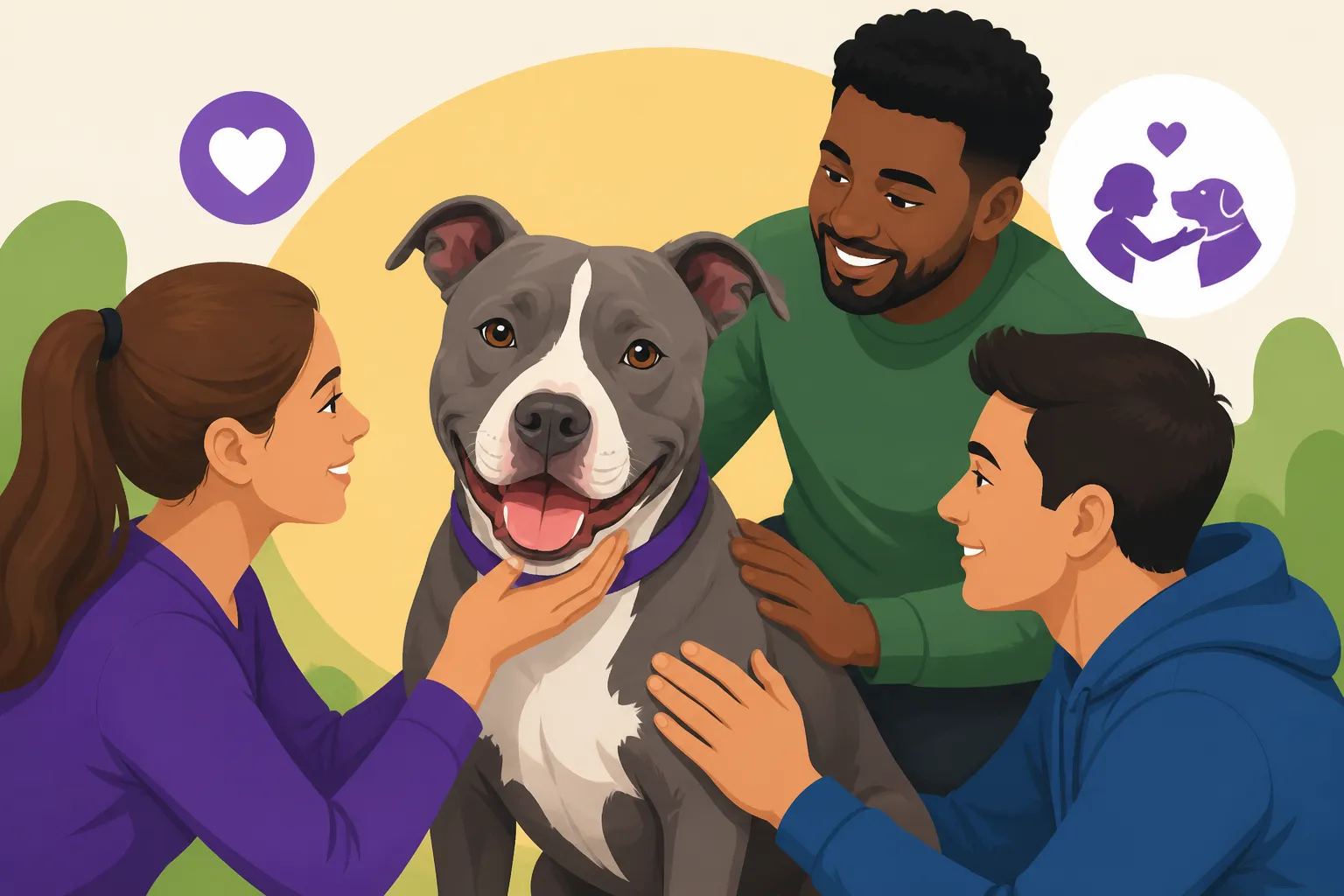
Beyond just seeing new people, your Pit Bull needs to associate being touched by unfamiliar hands with good things. Start with people your dog already knows and trusts. Gently touch different parts of your dog's body – ears, paws, tail, flank, head – always following with a treat. Make it a game! "Touch, treat. Touch, treat." The goal is to build a reflexive positive response.
Once your dog is comfortable with you and familiar friends doing this, introduce the concept with a "friendly stranger." This might be a friend or family member who your dog has only met a few times. Have them offer a treat, then gently touch an easy spot like the shoulder, followed immediately by another treat. The touch should be light, brief, and in a non-sensitive area. It’s a classic counter-conditioning technique: "When a new person touches me, good things happen!" Consistency is the name of the game here. If you're looking for structured programs that walk you through these steps, online resources like BAXTER & Bella offer comprehensive puppy and adult dog training courses that emphasize positive reinforcement and confidence building, which is ideal for this kind of work.
Step-by-Step Training for Calm Handling
Now that we've covered the foundational work, let's get into the nitty-gritty of practical, actionable steps you can take to make your Pit Bull a pro at handling. Remember, patience and positive reinforcement are your best friends here. We're building trust, not forcing compliance.
The "Friendly Stranger" Exercise
This exercise is a cornerstone of getting your Pit Bull comfortable with handling by new people. You'll need a helper (a friend or family member who your dog doesn't know intimately), high-value treats (think cooked chicken, cheese, hot dogs), and a calm environment.
- Start at a Distance: Have your helper stand a little distance away, ignoring your dog. Keep your dog on a loose leash.
- Approach and Treat: As your dog notices the helper, give them a treat. Slowly walk closer, treating your dog repeatedly for calm behavior. If your dog shows any tension, increase the distance.
- The "Hi, Friend" Greeting: Once you're comfortably close (say, 5-10 feet), have your helper turn slightly sideways, avoid direct eye contact, and toss a treat past your dog. This encourages them to move away slightly, which can feel less threatening than a direct approach. Repeat this a few times.
- Gentle Touch and Treat: If your dog is relaxed and taking treats, have your helper gently extend a hand to touch an easy, non-threatening spot like the side of their neck or shoulder. The touch should be very brief, immediately followed by a treat from the helper's hand. If your dog pulls back, that's okay! Re-evaluate the distance, make the touch even lighter, or just stick to tossing treats for now.
- Vary the Helper: Repeat this exercise with different people – tall, short, male, female, wearing hats, glasses, etc. The more variety, the better your dog's generalization will be. Remember, the goal is for your Pit Bull to see new people as sources of good things, not threats. Many essential training items, like treat pouches or longer leashes for distance work, can be found easily on Amazon.
| Step | Description | Desired Pit Bull Reaction | Reward Strategy |
|---|---|---|---|
| Observation | Stranger stands at a distance, ignoring the dog. | Calm, curious glance, no tension. | Treat from owner. |
| Approach | Stranger slowly walks past or towards the dog (or vice versa), still ignoring them. | Loose body, soft gaze, continues to walk or stand calmly. | Frequent treats from owner. |
| "Hi, Friend" Toss | Stranger turns slightly, avoids eye contact, tosses treat past the dog. | Approaches and eats treat, relaxed posture. | Treat from stranger (tossed). |
| Gentle Touch | Stranger offers a treat, then a brief, light touch to a non-sensitive area (shoulder, chest). | Accepts touch and treat, remains relaxed. | Treat from stranger immediately after touch. |
| Gradual Increase | Stranger increases duration/location of touch (e.g., brief ear scratch, quick paw lift). | Maintains calm posture, takes treat, tolerates touch. | High-value treat from stranger for successful handling. |
Practicing for Vet and Grooming Visits
These are often the most high-stakes handling situations. Rehearsing these types of interactions at home can significantly reduce stress.
- Mock Exams: Practice handling your Pit Bull as a vet would. Gently lift lips to check teeth, look in ears (using an ear cleaning solution like those for Cleaning a Pit Bull Ear Properly can help make this positive), examine paws, lift the tail, and feel along their body. Do each step briefly, followed by a treat and praise.
- Introduce Medical Equipment: Get your dog comfortable with the sight and sound of things like nail clippers (even if you only pretend to clip), brushes, or even a stethoscope if you have one. Pair these items with treats. For instance, show the clippers, give a treat. Touch a clipper to a nail, give a treat.
- Muzzle Training: This is a non-negotiable for many Pit Bull owners. Muzzles aren't just for emergencies; they can make vet visits, grooming, or other necessary handling situations much safer and less stressful for everyone involved. Introduce a basket muzzle slowly and positively, always pairing it with high-value treats. Your dog should see the muzzle as a good thing, not a punishment. For a detailed guide, see Muzzle Training Every Pit Bull Should Have. Many vets and groomers will appreciate a dog that is comfortable wearing a muzzle, as it demonstrates responsible ownership and ensures their safety.
Managing Real-World Encounters and Troubleshooting
Even with the best training, real-world scenarios can throw curveballs. It's crucial to be prepared to manage various interactions and know how to respond if your Pit Bull isn't quite ready for a specific level of handling.
Setting Your Dog Up for Success in Public
When you're out and about with your Pit Bull, you are their advocate and their protector. It's up to you to manage situations to ensure positive outcomes.
- Read Body Language: Pay close attention to your Pit Bull's body language. Are their ears back? Is their tail tucked? Are they lip licking or yawning excessively? These are signs of stress or discomfort. If you see these, it's time to create distance or politely decline interaction. Understanding subtle cues is vital for Reading Pit Bull Body Language Before a Greeting.
- Advocate for Your Dog: It's perfectly okay to say "No thank you" to strangers who want to pet your dog, especially if your dog seems unsure. You can say, "He's in training right now, maybe another time," or "She's a little shy with new people." Don't feel guilty about protecting your dog from overwhelming interactions.
- Manage the Environment: Try to choose calmer times and places for public outings, especially when you're still working on handling. Avoid crowded dog parks or busy street fairs if your dog is easily overstimulated. When a stranger does approach, keep the interaction brief, and reward your dog heavily for calm behavior. Have a few high-value treats ready in your pocket or a convenient treat pouch from Amazon.
- Practice Polite Greetings: Teach your Pit Bull to Teach a Pit Bull to Greet Calmly by keeping all four paws on the floor. If they jump, gently turn your back or step away until they sit, then reward. This teaches them that calm greetings get attention and treats.
What to Do If Your Pit Bull Reacts Negatively
Despite your best efforts, sometimes your Pit Bull might react negatively to a stranger attempting to handle them. This could manifest as pulling away, growling, lunging, or even a snap. It's scary, and it's frustrating, but it's important to respond calmly and constructively.
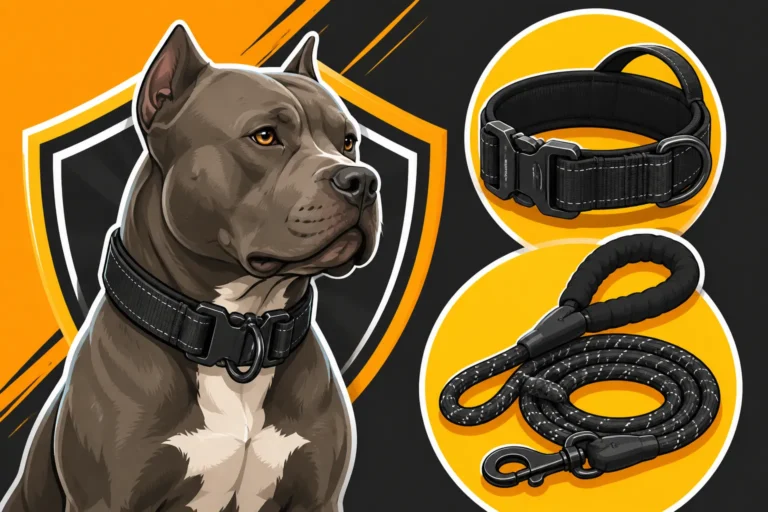
- Immediate Management: First and foremost, calmly remove your dog from the situation. Put distance between your dog and the stranger. This is not about punishment; it's about de-escalation and preventing further distress or potential harm. A solid Leads and Collars That Will Not Fail on a Pit Bull is crucial here.
- Assess the Situation: Once you're in a safe space, think about what triggered the reaction. Was it the person's approach? A specific type of touch? The environment? Understanding the trigger is the first step in addressing the behavior.
- Re-evaluate Training: If your Pit Bull is reacting negatively, it's a clear sign that you need to go back to basics in your training. This might mean working with fewer distractions, increasing the distance from strangers, or using even higher value rewards. It might also mean seeking professional help.
- Seek Professional Guidance: For any significant reactivity or aggression related to handling by strangers, working with a certified professional dog trainer or veterinary behaviorist is highly recommended. They can help you identify the root cause of the behavior and develop a safe, effective modification plan tailored to your dog. Look for trainers experienced with Pit Bull breeds and positive reinforcement methods, as found in resources like Finding a Trainer Experienced With Pit Bulls. Never punish a growl, as a growl is your dog's way of saying, "I'm uncomfortable," before escalating.
Remember, building comfort and confidence with handling by strangers is an ongoing process. Every positive interaction builds on the last, and with patience, consistency, and a deep understanding of your Pit Bull, you can help them navigate the world with grace and ease. It truly makes a difference, not just for your dog, but for how the world sees them.
Disclaimer
This article is for general informational purposes only and does not constitute professional advice. Laws, prices and regulations vary by location and change over time. Consult a qualified professional for guidance on your specific situation.