Reading Pit Bull Body Language Before a Greeting
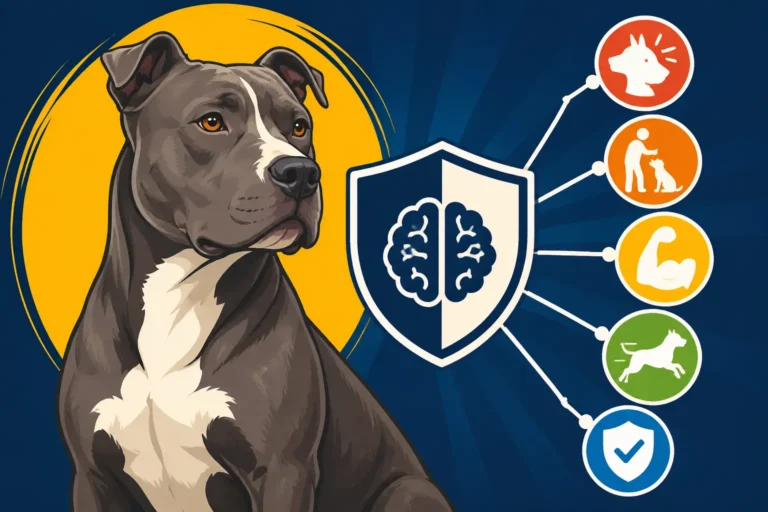
As a Pit Bull owner, you know the mixed bag of emotions that comes with public greetings. Sometimes it's a joy, sometimes it's an anxious dance, and sometimes it's downright stressful, not just for you but for your dog. The key to navigating these encounters smoothly, reducing stress, and building confidence in both you and your Pit Bull lies in truly understanding their body language before any "hello" even happens. This guide will walk you through the essential cues to watch for, helping you interpret what your Pit Bull is really saying.
Why Reading Pit Bull Body Language is Crucial for Greetings
Let's be honest, living with a Pit Bull type dog means you're often under a microscope. Every wag, every sniff, every interaction is sometimes judged more harshly than it would be for other breeds. This can put immense pressure on us as owners to ensure our dogs are always "on their best behavior," especially when meeting new people or other dogs. But it's not just about public perception; it's about your dog's well-being and preventing situations that can be uncomfortable or even unsafe.
The Weight of Public Perception
It’s an unfortunate reality that Pit Bulls often carry a heavy burden of misunderstanding. A simple curious sniff from a Golden Retriever might be seen as friendly, while the exact same behavior from a Pit Bull might be interpreted as aggressive or threatening. This inherent bias means we, as Pit Bull owners, have to be exceptionally tuned into our dogs' signals. We need to be proactive, not reactive, in managing interactions. If we can read our dog's subtle cues — the slight stiffening, the quick lip lick, the averted gaze — we can intervene before any potentially negative perception forms. This proactive approach helps protect our dogs from unfair judgments and helps us advocate for them by demonstrating responsible ownership. It’s not just about what our dog is feeling; it’s also about managing how the world perceives them.
Preventing Awkward or Worse Encounters
Beyond public perception, understanding your Pit Bull's body language is fundamental to preventing genuinely awkward or even dangerous situations. Dogs communicate constantly, and their signals are rarely subtle if you know what to look for. An enthusiastic pull towards another dog, while seemingly friendly, could escalate quickly if the other dog isn't receptive or if your Pit Bull is actually over-aroused rather than purely happy. Imagine your Pit Bull spots another dog across the park, and their body language shifts from loose and wiggly to stiff and focused. If you miss that subtle change, you might allow a greeting that leads to a tense interaction, a quick snap, or even a full-blown scuffle. By catching these early signals, you gain the power to redirect your dog, create distance, or communicate with the other handler about whether a greeting is appropriate. This foresight doesn't just prevent problems; it builds trust between you and your dog, as they learn that you understand and respond to their needs. You can find excellent resources on managing these daily challenges in guides like Pit Bull Leash Manners and Physical Strength and Walking a Pit Bull Past Reactive Dogs.
Key Body Language Cues Before a Greeting
Dogs use a universal language of posture, facial expressions, and movement to convey their intentions and emotional states. For Pit Bulls, these cues are often clear, but because of their powerful build and sometimes intense focus, it’s easy to misinterpret excitement for aggression or vice-versa. Learning to differentiate these signals is paramount for a safe and positive greeting experience.
Initial Interest vs. Over-Arousal
When your Pit Bull sees another dog or person they might want to greet, their initial reaction can tell you a lot.
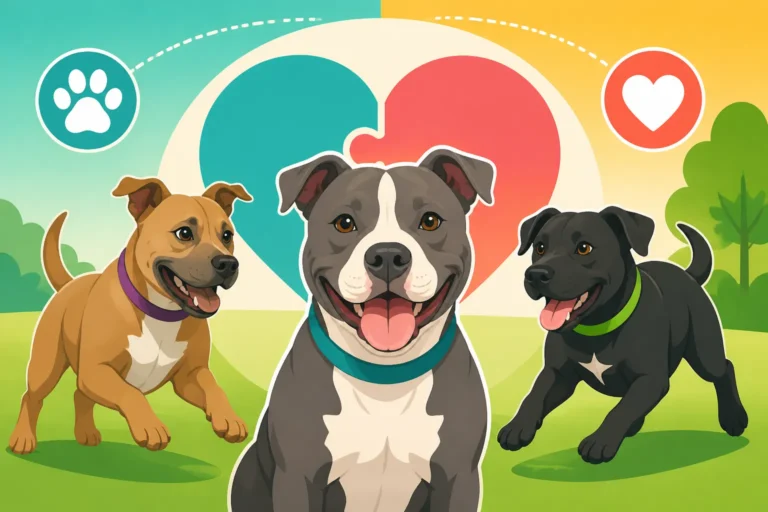
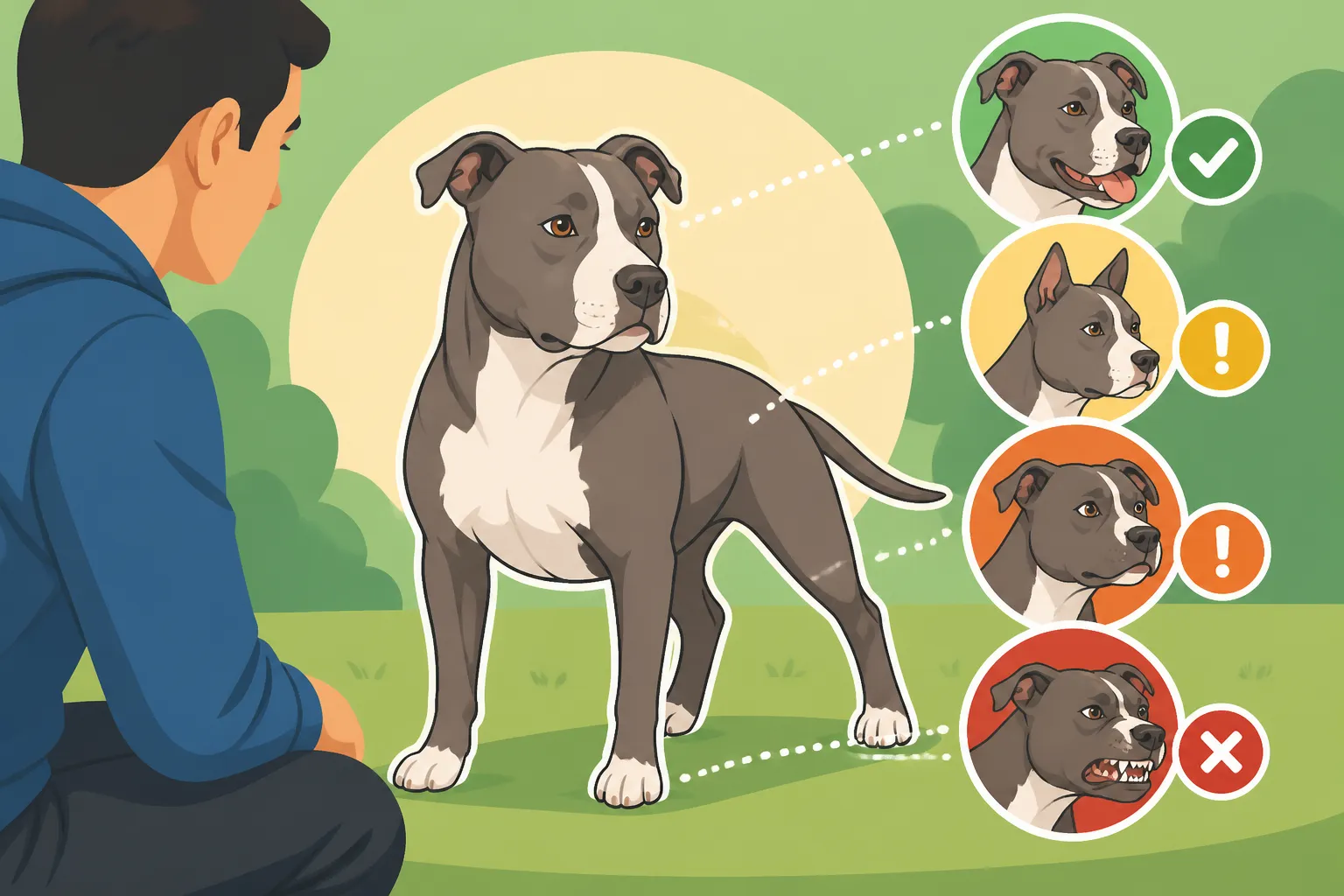
- Healthy Curiosity/Interest: This often looks like a loose, slightly wagging tail (not stiff and high), relaxed ears, a soft gaze (not fixed or intense), and perhaps a gentle lean forward. They might do a little "play bow" if it's another dog, or a soft sniff towards a person. Their muscles are relaxed, and their movements are fluid. This is a dog saying, "Hey, you look interesting, mind if I get closer?"
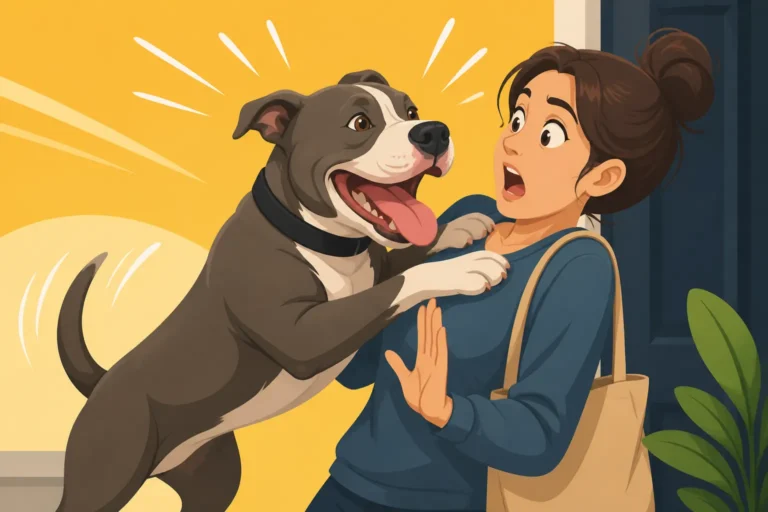
- Over-Arousal: This is where things get tricky, as it can be mistaken for extreme friendliness. An over-aroused Pit Bull might have a stiff, high tail wag (a "flagging" tail), ears forward and alert, and a very focused, hard stare. Their body might be stiff and forward-leaning, almost leaning into the leash. You might see what's called "whale eye," where the whites of their eyes are visible at the sides. Their breathing might become shallow and rapid. This isn't necessarily aggression, but it indicates a dog that's getting too excited and losing its ability to think calmly, which can lead to poor decision-making or an overwhelming greeting. If your Pit Bull tends to get over-aroused, working on Building a Pit Bull's Impulse Control can be incredibly helpful.
- Fixed Stare, Raised Hackles: These are more concerning. A hard, fixed stare without blinking is a challenge signal, not an invitation. If their hackles (the hair along their spine) are raised, it indicates arousal, fear, or a perceived threat. While raised hackles don't always mean aggression, it's a clear sign your dog is uncomfortable or highly alert, and a greeting should be avoided.
Calming Signals and When They Appear
Calming signals are a fascinating part of canine communication. These are a set of behaviors dogs use to de-escalate tension, avoid conflict, and communicate that they mean no harm. For Pit Bulls, who can appear intimidating to some, these signals are vital.
- Lip Licking: A quick flick of the tongue over the lips, especially when no food is present, is a classic calming signal. Your Pit Bull might do this when another dog is approaching too fast, or if a person is looming over them. It's their way of saying, "I'm a little uncomfortable, let's take it easy."
- Yawning: Similar to lip licking, a yawn when not sleepy can be a sign of stress or an attempt to calm themselves and the situation.
- Head Turns/Averted Gaze: If your Pit Bull turns their head away or avoids direct eye contact, they're often trying to signal, "I'm not a threat, please don't push me." This is a polite way to reduce tension.
- Sniffing the Ground: A dog suddenly becoming intensely interested in a patch of grass as another dog approaches is rarely about a fascinating smell. It's usually a calming signal, an attempt to appear non-threatening and diffuse potential conflict.
- Slow Movement/Curving Approach: A dog that moves slowly, perhaps in an arc rather than a direct line, is trying to be polite and non-confrontational. A direct, fast approach can be perceived as rude or threatening by other dogs.
Recognizing these signals in your Pit Bull allows you to respond appropriately, perhaps by creating more space or ending the interaction before it becomes too much for them. This is an important part of Consent Based Handling With a Pit Bull.
Signs of Discomfort or Fear
These are the signals that tell you unequivocally that a greeting is not a good idea, or that your Pit Bull needs immediate support. Ignoring these can lead to negative outcomes.
- Tail Tucked: A tail tucked tightly between the legs is a clear sign of fear or insecurity. It's a defensive posture indicating your dog wants to be smaller and less noticeable.
- Ears Back/Flattened: Ears plastered back against the head also signify fear, anxiety, or submission.
- Cowering/Lowered Body: A dog that lowers its body, crouches, or tries to shrink away is showing fear. They might also lean into you, trying to hide.
- Turning Away/Trying to Escape: If your Pit Bull is actively trying to pull away from an approaching person or dog, or constantly turning their head and body away, they are clearly uncomfortable and trying to avoid the interaction.
- Growling: This is a crucial one. A growl is a warning. It's your dog saying, "Stop! I'm uncomfortable, and if you don't listen, I might have to do something more." While it can be startling, a growl is actually a gift of information. It gives you a chance to intervene before a bite happens. Never punish a growl; instead, thank your dog for communicating and remove them from the situation. Understanding Reading a Pit Bull Growl Correctly is vital for any Pit Bull owner.
Here's a quick summary of some key cues:
| Body Language Cue | Potential Meaning (Pre-Greeting) | Recommended Action |
|---|---|---|
| Loose, Mid-Height Wagging Tail | Happy, relaxed, interested, friendly | Observe, consider allowing a brief, calm greeting if other cues are positive |
| Stiff, High-Set Tail Flagging | Over-arousal, intense focus, potential tension | Create distance, redirect focus, no greeting until calm |
| Tail Tucked Between Legs | Fear, anxiety, insecurity, submission | Immediately create distance, no greeting, remove dog from situation |
| Relaxed Ears, Soft Gaze | Calm, friendly, receptive | Proceed cautiously, continue observing |
| Ears Pinned Back/Flattened | Fear, anxiety, appeasement | Create distance, no greeting, reassure your dog |
| Hard Stare, Whale Eye | Tension, warning, potential challenge | Create distance, do not allow greeting, redirect attention |
| Lip Licks, Yawning (not tired) | Stress, attempting to calm self/situation | Pause, observe, create space, possibly end interaction |
| Sniffing Ground, Head Turn | Calming signal, avoidance of conflict | Give space, wait for dog to re-engage calmly, respect their need for distance |
| Stiff Body, Leaning Forward | High arousal, intense focus, potential challenge | Create distance, no greeting, redirect attention with a high-value treat |
| Soft Body, Wiggling | Happy, soliciting play, friendly | Observe, ensure other dog/person is receptive, keep greeting brief and positive |
| Growling, Low Rumbly Bark | Warning, discomfort, fear | IMMEDIATELY remove dog from the situation; this is a clear "stop" signal |
| Pulling Towards, Vocalizing | Over-excitement, frustration, lack of impulse control | Work on leash manners, do not allow greeting until calm, consider a harness |
Practical Steps for Applying Body Language Knowledge to Greetings
Knowing the signals is one thing; putting that knowledge into practice is another. The real magic happens when you combine your understanding of canine communication with proactive management strategies. It's about being your Pit Bull's advocate and ensuring their interactions are positive, or at least neutral.
The Pre-Greeting Scan and Your Role
Before any potential greeting, whether it's with another person or another dog, you need to conduct a thorough "pre-greeting scan." This involves not just looking at your Pit Bull, but also at the approaching party, and critically, how you are feeling.
- Scan the Environment: What's happening around you? Are there distractions? Is the other dog on a tight leash, barking? Is the person approaching too quickly? Pay attention to the overall vibe.
- Scan the Other Dog/Person: Is the other dog showing stiff body language, fixed stare, or excessive barking? Does the person look uncomfortable, or are they rushing in for a hug? Remember, a friendly person might inadvertently stress your dog by bending over them or reaching out too fast.
- Scan Your Pit Bull: Now, apply everything you've learned. Is their tail loose or stiff? Are their ears relaxed or pinned? Is their gaze soft or hard? Are they doing any calming signals like lip licking or sniffing the ground? Look for the entire picture, not just one signal. A wagging tail doesn't always mean happy!
- Your Own Demeanor: This is paramount. Dogs are masters at reading our emotions. If you're tense, anxious, or anticipating a problem, your Pit Bull will pick up on that. Practice staying calm, breathing deeply, and speaking in a reassuring tone. Your calm energy can often help your Pit Bull stay calm too. For tools that can aid in management and communication, look to platforms like Amazon for high-quality harnesses or long lines. If you're struggling with public interactions, an online program like BAXTER & Bella offers guided training that can build your confidence and your dog's skills.
Managing the Approach and Retreat
Once you've done your scan, you need to decide if a greeting is even appropriate, and then manage it carefully.
- Creating Distance: If your scan reveals any signs of discomfort, over-arousal, or tension in any party (your dog, the other dog, or the person), your first step should be to create distance. Turn and walk in another direction, step behind a car, or simply stop and wait for the other party to pass. There is absolutely no shame in avoiding a greeting. In fact, it's a sign of responsible ownership.
- Using Management Tools: A well-fitting harness (one that doesn't put pressure on their throat) can give you better control without causing discomfort. For strong pullers, a head halter can be a game-changer. Carrying high-value treats (think cooked chicken or cheese) can help redirect your Pit Bull's attention away from an undesirable interaction and back to you. Always remember to check equipment regularly, as a Pit Bull's strength means gear takes a beating. Harnesses and Head Halters for a Pit Bull has more details on this.
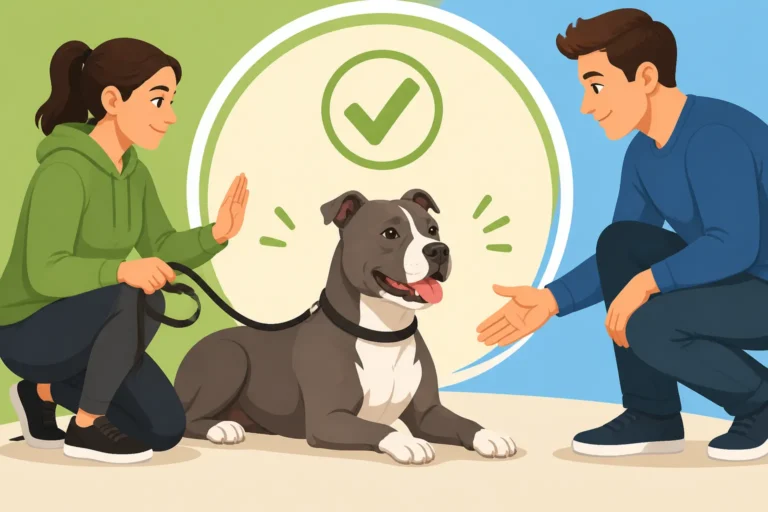
- The "Permission to Greet" Protocol: Teach your Pit Bull that they never get to greet without your permission. This means teaching them to look at you for a cue before approaching. If they are calm and look at you, you can give a release cue. If they are pulling, barking, or showing any negative signals, you stop, redirect, and wait for calm. This builds impulse control and teaches them that good things (like greetings) happen when they are polite. Many Pit Bull owners find immense value in specific training programs like those offered by BAXTER & Bella, which focus on positive reinforcement and clear communication, helping you teach your Pit Bull to make better choices in these moments.
- Short and Sweet Greetings: If a greeting is appropriate, keep it brief and positive. A quick sniff-and-move-on is often far better than a prolonged, intense interaction, especially with other dogs. Monitor body language throughout. If either dog stiffens, averts gaze, or shows any signs of discomfort, politely end the interaction. With people, a quick calm pet on the chest or side is usually enough. Teach people to greet calmly, not by hovering or reaching over your dog's head.
- Knowing When to Abort: Don't be afraid to cut a greeting short or avoid it entirely. Your dog’s comfort and safety, and the safety of others, are always the top priority. If your Pit Bull is starting to show signs of stress or over-arousal during a greeting, simply and calmly lead them away. Explain to the other person, "He's had enough," or "We're working on polite greetings." Most reasonable people will understand. You can also learn more about specific training techniques to enhance public interactions through articles like Teaching a Pit Bull to Greet Calmly.
By becoming an expert in reading your Pit Bull’s body language, and the language of those they encounter, you empower yourself to make informed decisions that lead to safer, happier interactions for everyone involved. It builds a stronger bond with your dog, founded on understanding and trust, allowing both of you to navigate the world with more confidence.
Disclaimer
This article is for general informational purposes only and does not constitute professional advice. Laws, prices and regulations vary by location and change over time. Consult a qualified professional for guidance on your specific situation.