Teaching a Pit Bull to Greet Calmly
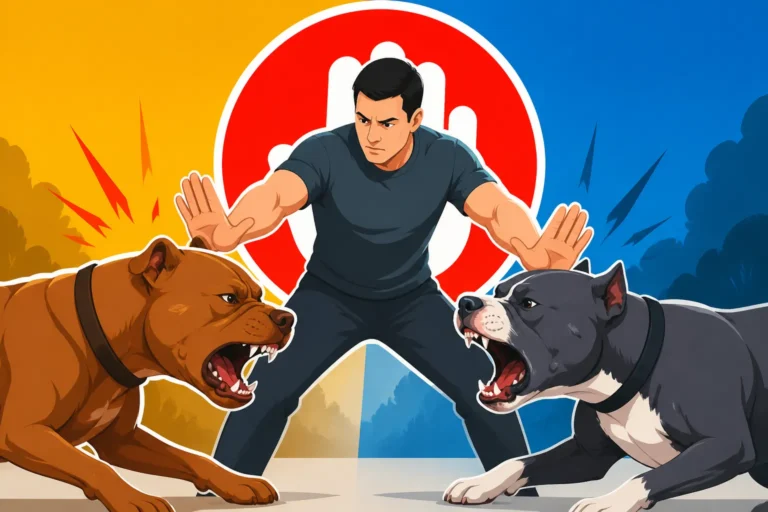
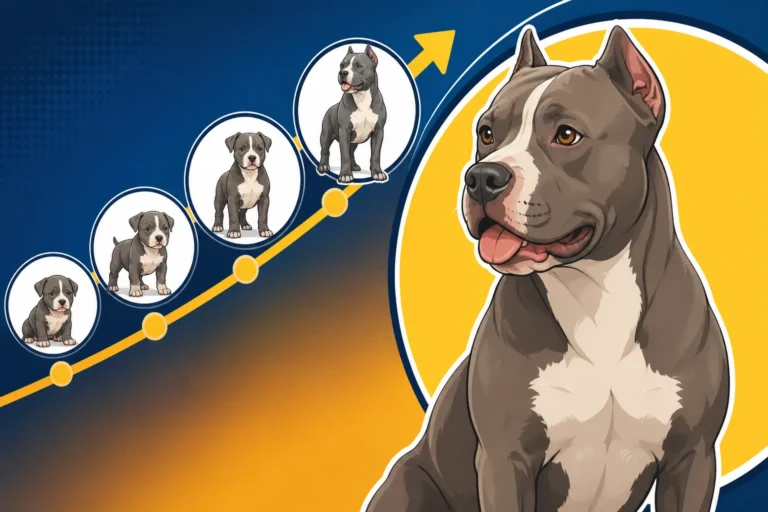
It's a common, if sometimes a little embarrassing, problem many of us Pit Bull parents face: your big, loving blockhead just can't contain their excitement when meeting new people or dogs. They jump, they whine, they pull, and they might even knock someone over in their sheer exuberance. This guide is here to walk you through practical, empathetic strategies to help your Pit Bull learn the art of a calm, polite greeting, ensuring happier interactions for everyone.
Understanding the Pit Bull Greeting Style
Pit Bulls are renowned for their loyalty and affectionate nature, often expressed with an enthusiasm that can be, shall we say, a lot. While this zest for life is endearing to us, their family, it can be overwhelming for strangers or other animals. It’s not about them being "bad" dogs; it’s about their strong emotions and physical power needing proper guidance.
Why Pit Bulls Get Overly Excited
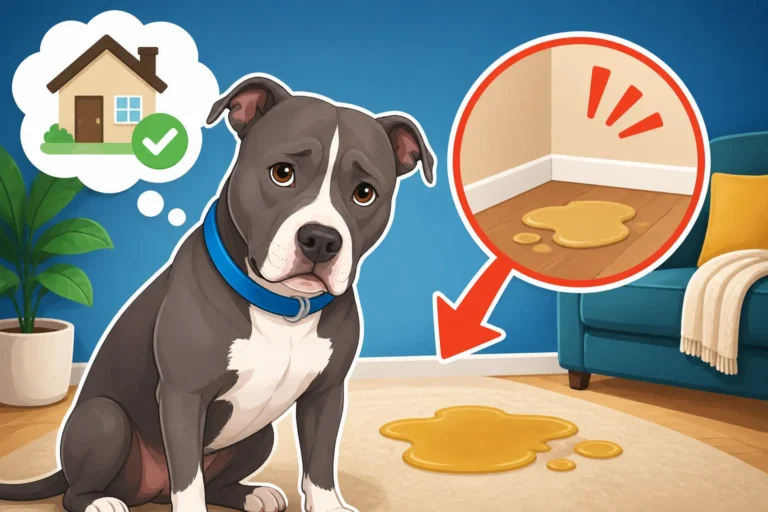
Imagine having a heart so full of joy, and a body so powerful, that every new encounter feels like the most exciting thing in the world. That's often what's going on inside your Pit Bull. They’re not trying to be rude; they're genuinely thrilled. This intense excitement can stem from a few places:
- Genetics and Temperament: Many Pit Bulls are bred to be very people-oriented and eager to please, which translates into an intense desire for interaction. They love being the center of attention!
- Lack of Early Socialization: If a puppy wasn't properly exposed to a variety of people, sounds, and situations in a positive, controlled way during their critical development period, they might lack the coping skills for novel situations. They might default to over-excitement or even anxiety, which manifests as hyperactivity.
- Reinforcement (Accidental or Intentional): Let's be honest, sometimes we accidentally reward the very behavior we want to stop. If your dog jumps up and gets attention – even negative attention like "no!" or pushing them down – they've still achieved their goal: interaction. They've learned that jumping gets a response. Understanding Reading Pit Bull Body Language Before a Greeting can help you spot the signs before they escalate.
- Energy Levels: Pit Bulls are active, muscular dogs. If they aren't getting enough appropriate physical exercise and mental stimulation, that pent-up energy has to go somewhere, and greetings become an outlet for it.
Reading Your Pit Bull's Pre-Greeting Cues
Before your Pit Bull even launches into their excited greeting, they're usually giving off subtle signals. Learning to recognize these cues is your first line of defense. It allows you to intervene before the jumping starts, not after.
Look for:
- Stiffening Body Language: Their body might become rigid, their tail might start a fast, stiff wag, or they might lean forward intensely. This isn't a relaxed "hello" posture.
- Fixated Stare: They lock eyes with the approaching person or dog, often ignoring your calls or cues. Their focus is 100% on the target.
- Whining or Low Growls: Some Pit Bulls will start to vocalize quietly, building in intensity as the target gets closer. This isn't always aggression; it can be pure anticipation.
- Panting or Hyper-Salivation: Even if it's not hot, excessive panting can indicate heightened arousal and excitement. Drooling can also increase.
- Leash Tension: Before they even jump, they'll likely start pulling hard on the leash, their whole body straining forward. This is a clear indicator that their emotional state is escalating.
By catching these early signs, you can redirect your Pit Bull's attention, create distance, or ask for an alternative, calmer behavior. It's about being proactive, not reactive.
Foundation Training for Calmness
Before you can tackle the specific act of greeting, you need to lay a strong foundation of general obedience and impulse control. Think of it as building the mental muscles your Pit Bull needs to make better choices in exciting situations.
The Power of "Sit" and "Stay" in Greetings
These aren't just parlor tricks; "sit" and "stay" are critical tools for calm greetings. A solid "sit" gives your dog an alternative, polite behavior to offer instead of jumping, and a "stay" gives you precious seconds to manage the interaction.
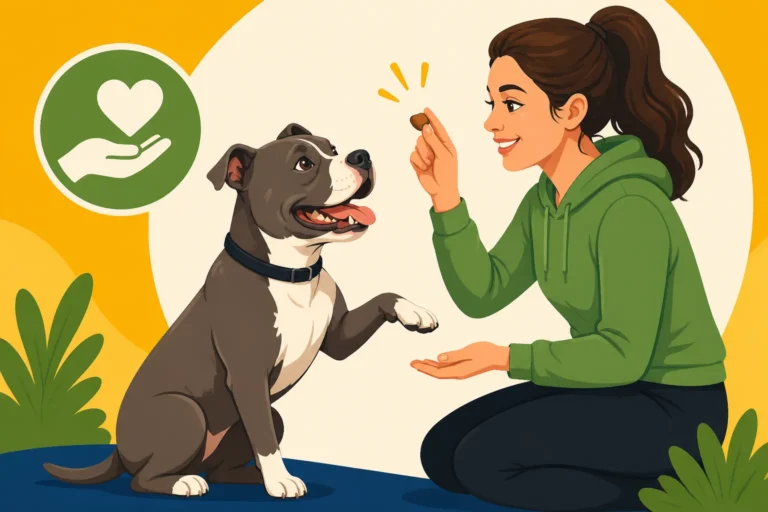
- Mastering the "Sit": Practice "sit" in a variety of environments, starting with quiet, low-distraction areas and gradually moving to more stimulating ones. Use positive reinforcement – Starting Clicker Training on a Pit Bull can be very effective here – rewarding immediately with a high-value treat when their rear hits the ground. Make it fun, short, and frequent.
- Building a Reliable "Stay": Once "sit" is solid, add "stay." Start with very short durations and minimal distance. Gradually increase both, always returning to your dog to reward them, rather than calling them to you (which breaks the "stay"). Practice with distractions like a toy rolling by or a family member walking past. The goal is for your Pit Bull to understand that staying put, even when exciting things are happening, leads to good rewards.
- Integrating into Greetings: The ultimate goal is for your Pit Bull to automatically offer a "sit" when someone approaches, or for you to be able to cue it easily. Practice "sit-stays" as people approach your yard or come into your house. If they can hold a sit for a few seconds as someone walks by, you’re well on your way.
Building Impulse Control Through Everyday Exercises
Impulse control is the ability to resist an immediate urge in favor of a more appropriate, delayed, or different action. This is crucial for a Pit Bull who wants to greet every person with full-body enthusiasm. You're teaching them to think before they act.
- The "Wait" Game: This is a simple but powerful exercise. Hold a treat in your hand, close your fist. Your dog will likely try to paw, lick, or nudge it. Ignore all of this. The moment they back off or look away, even for a split second, say "yes!" and open your hand to give them the treat. Repeat this, gradually increasing the time they have to "wait" before getting the reward. You can then apply this to waiting at doors, for their food bowl, or before going outside. Building a Pit Bull's Impulse Control is a lifelong endeavor, but these small steps make a huge difference.
- "Leave It": This command is invaluable. Start with low-value items, teaching your dog to disengage from something tempting when you say "leave it," and then reward them with an even better treat. Gradually increase the value of the items they have to "leave." This translates directly to ignoring distractions on walks and resisting the urge to jump.
- "It's Your Choice": Similar to the "wait" game but with their food bowl. Place their food bowl down, but cover it or stand in front of it. When they look at you, or sit, or show any calm behavior, then say "yes!" and let them eat. This teaches them that calm, polite behavior earns them what they want.
- Interactive Play: Games like fetch, tug (with rules), or puzzle toys can help your Pit Bull burn energy and engage their brains, which contributes to overall calmness. Just make sure the play is structured and doesn't over-excite them further right before a greeting situation.
Practical Steps for Teaching Calm Greetings
Now that your Pit Bull has a solid foundation, let’s apply these skills directly to greeting scenarios. This involves managing the environment, practicing gradual introductions, and directly addressing the problematic behaviors like jumping.
Managing the Environment for Success
Setting your Pit Bull up for success means controlling the variables as much as possible, especially in the early stages of training. Don't expect them to perform perfectly in a highly stimulating environment from day one.
- Controlled Introductions: Don't let your Pit Bull greet every single person they see right away. Start with friends or family members who are willing to follow your training rules. They need to understand that their role is to help your dog succeed, not to encourage unwanted behaviors.
- Leash Management: Use a well-fitting harness that gives you control without causing discomfort. A front-clip harness can be particularly useful as it redirects your Pit Bull's pulling power to their side, making it harder for them to lunge forward. You can find many options on Amazon, including those specifically designed for stronger dogs with broad chests. Harness Fit Across a Broad Pit Bull Chest is key to comfort and effectiveness.
- Barrier Method: If your Pit Bull is extremely excitable at the door, try putting them behind a baby gate or in their crate when guests first arrive. This gives them a moment to observe calmly and de-escalate their initial enthusiasm before they even get to the person.
- Pre-Greeting Exercise: A tired Pit Bull is a calmer Pit Bull. Before expecting them to greet someone politely, ensure they’ve had a good walk, playtime, or mental exercise session. This helps burn off excess energy and makes them more receptive to training.
Gradual Introductions to People
This is where you put your foundation skills to the test, slowly increasing the difficulty. Remember, patience is absolutely essential.
- "Look at That" Game (Threshold Training): Start outside, far enough away from your house or a public place where people pass by, so your Pit Bull notices people but doesn't react excessively. The moment your dog spots a person (before they get excited), say "yes!" and give them a treat. The goal is to create a positive association: "person = treat." Gradually decrease the distance over many sessions. If your dog starts to pull or whine, you've moved too close too quickly; increase the distance again.
- Practice with a Helper: Ask a friend to approach, pausing frequently. As they get closer, ask your Pit Bull for a "sit" and "stay." If they hold it for even a second, reward heavily. If they break, the helper freezes or turns away. The helper only approaches again when your Pit Bull is calm. The key is that the calmness makes the person "come back."
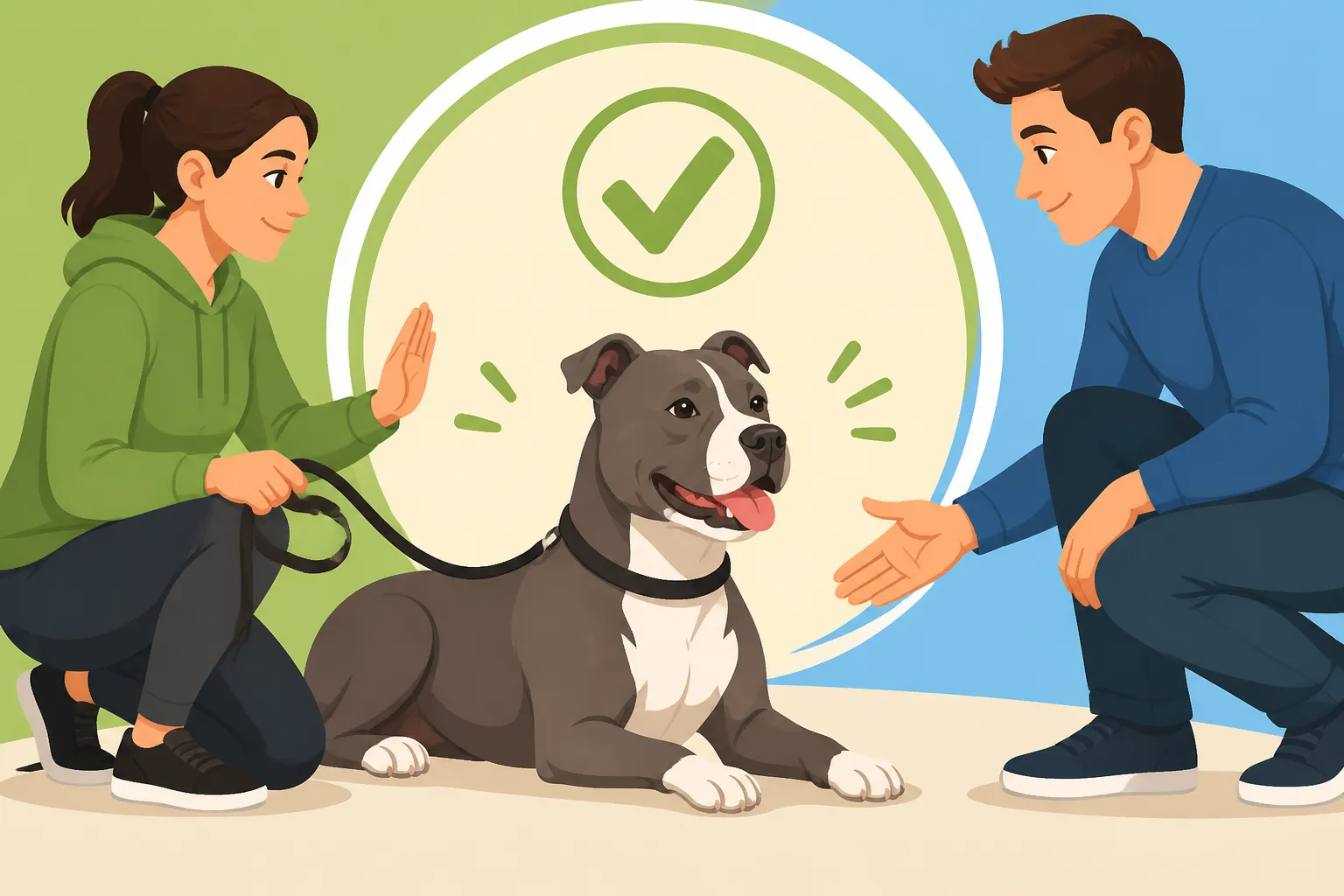
- The "Four Paws on the Floor" Rule: When a person finally gets close enough to greet, the absolute rule is: "four paws on the floor." The guest should only offer attention (petting, talking) if your Pit Bull is sitting or standing calmly with all four paws on the ground. The moment they jump, the attention stops, and the person turns away.
- Short, Positive Interactions: Keep initial greetings brief. A quick pet, a calm voice, and then disengage. This prevents your Pit Bull from getting over-aroused. You can always have more interactions later if they maintain their calm. Socializing a Pit Bull Around Strangers requires careful planning and consistency.
Addressing Jumping and Mouthiness
These are the two most common manifestations of over-excitement during greetings, and they need direct, consistent intervention.
- Ignoring the Jump: This is tough, but effective. If your Pit Bull jumps up, turn your back completely, cross your arms, and completely disengage. No eye contact, no pushing them down, no "no!" – just ignore. Wait until all four paws are on the floor, and then turn around and praise softly, or ask for a sit. This teaches them that jumping makes the fun go away, and calmness makes it return. This is particularly important when Teaching a Pit Bull Not to Jump on Guests.
- Redirection to a Toy: For Pit Bulls who get mouthy or grabby when excited, offer a designated "greeting toy." When a guest arrives, immediately hand your Pit Bull a sturdy chew toy or favorite squeaky toy. The guest can then engage with the dog while it's holding the toy, giving the dog an appropriate outlet for its oral fixation. You can keep a basket of toys right by the door, and the guest can grab one before entering.
- Leash Up Indoors: Even inside your home, a leash can be a great management tool during greetings. If your Pit Bull starts to jump, you can calmly step on the leash (near the handle, not near their neck) to prevent them from getting full height, or guide them gently into a sit. This is a subtle way to interrupt the behavior without getting into a physical struggle.
- "Off" Command: Teach a clear "off" command. When your Pit Bull jumps, say "off" calmly and lure them down with a treat to all four paws. Reward when they are down. This gives them a clear directive for what you do want them to do (get off) rather than just what you don't want (jump).
Tools and Aids for Training Support
Having the right equipment can make a world of difference in your training journey, especially with a strong, enthusiastic dog like a Pit Bull. These tools aren't a substitute for training, but they are invaluable aids.
Harnesses and Leashes for Better Control
A good harness and leash setup isn't about punishment; it's about clear communication and managing your Pit Bull's strength effectively and humanely.
- Front-Clip Harnesses: These are often recommended for Pit Bulls who pull. Instead of clipping on the back, the leash attaches to a ring on the dog's chest. When your dog pulls, it gently redirects their body sideways, making it harder and less comfortable for them to forge ahead. This reduces pulling, which in turn makes it easier to keep their focus during greetings. Brands like Freedom No-Pull Harness or Easy Walk Harness are popular and widely available on Amazon. Ensure you get the right size and fit to avoid chafing or discomfort.
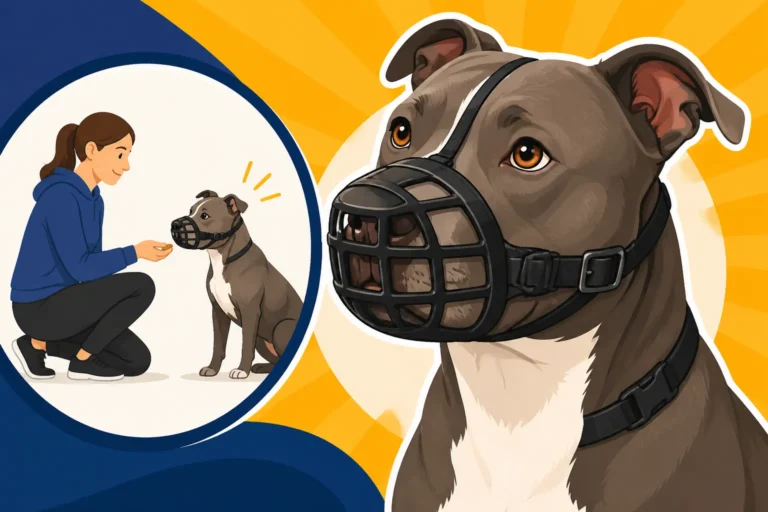
- Head Halters: For some Pit Bulls, a head halter (like a Halti or Gentle Leader) can provide even more control, especially for very strong pullers or those prone to lunging. It works by guiding the dog's head, and where the head goes, the body follows. Many people worry these look like muzzles, but they are a training tool. Introduce it gradually and positively, pairing it with treats, so your Pit Bull associates it with good things.
- Sturdy Leashes: A strong, comfortable leash is essential. Avoid retractable leashes, which offer little control and can be dangerous. A 4-6 foot standard nylon or leather leash provides the best balance of freedom and control for training. Make sure the clasp is robust enough for your Pit Bull's strength.
- Management Leash (Long Line): For practicing recall or distance "stays" in a safe, open area, a long line (15-30 feet) can be beneficial. It allows your Pit Bull more freedom to explore while still keeping them safely connected to you, which can be useful when practicing greetings from a distance.
High-Value Treats and Training Pouches
When you're asking your Pit Bull to perform a difficult task like ignoring their instincts to jump on a new friend, your rewards need to be compelling!
- High-Value Treats: These are the treats your Pit Bull goes absolutely crazy for. Think small pieces of cooked chicken, cheese, hot dogs, or commercially available soft, smelly training treats. These are not everyday kibble; these are special rewards reserved for challenging training moments. They need to be soft and easy for your dog to swallow quickly so you don't lose the training momentum. For more ideas, check out High-Value Treats That Hold a Pit Bull's Focus.
- Training Pouches: A treat pouch worn around your waist is a game-changer. It allows you to deliver treats instantly and efficiently, which is critical for marking the desired behavior at the exact moment it happens. Fumbling in your pocket for treats means missed opportunities for reinforcement. Look for one with a wide opening and a secure closure from retailers like Amazon.
- Clicker (Optional but Recommended): A clicker is a precise marker for the exact moment your dog performs the desired behavior. It creates a clear communication bridge between you and your Pit Bull, telling them "that's exactly what I want!" Pair it with your high-value treats for maximum effect. For a structured online training course that incorporates clicker training and other positive reinforcement methods, you might find resources like BAXTER & Bella helpful in guiding you through comprehensive training.
Troubleshooting Common Greeting Challenges
Even with the best intentions and consistent effort, you're bound to run into bumps along the road. It’s part of the process, and knowing how to troubleshoot can save you a lot of frustration.
When Your Pit Bull Ignores Commands
It's disheartening when your Pit Bull, who knows "sit" perfectly in the living room, acts like they've never heard the word when a new person approaches. This usually means the distraction level is too high, or the reward isn't high enough.
- Increase Distance, Decrease Distraction: If your Pit Bull is failing, you've asked too much too soon. Move further away from the approaching person or dog. Go back to an environment where they can succeed, even if it feels like taking a step backward. Success builds confidence for both of you.
- Elevate the Reward: Is that piece of kibble really competing with the thrill of a new human? Probably not. Break out the cooked chicken or cheese. The value of the reward must match or exceed the value of the distraction.
- Re-evaluate Energy Levels: As mentioned earlier, a well-exercised Pit Bull has an easier time focusing. If they're bouncing off the walls, no treat in the world might be enough to get their attention. Ensure they've had a good physical and mental workout before expecting calm greetings.
- Proofing: This is the process of practicing commands in diverse environments, with varying distractions, people, and objects. You've taught "sit" at home; now practice it in the park, at a friend's house, on a busy street corner. Each new environment is a chance to solidify the command under new pressures. Keeping Pit Bull Training Sessions Productive means knowing when to push and when to pull back.
Handling Guests Who Don't Follow Rules
This is a big one. You can be doing everything right, but if guests or well-meaning strangers undermine your efforts, it's an uphill battle.
- Educate Your Guests (and Yourself): Before anyone interacts with your Pit Bull, give them clear instructions. "Please only pet him if all four paws are on the floor. If he jumps, turn your back and ignore him completely until he's calm." Don't be shy about it. It’s your dog, your house, and your training.
- Post a Sign: For houseguests, a small, friendly sign on the door can serve as a gentle reminder: "I'm learning polite greetings! Please wait until I sit calmly before petting me."
- Leash Up: If you have a guest who just can't resist rewarding the jumping, keep your Pit Bull on a leash attached to your waist or have them on a tether in a safe spot, allowing you to manage the interaction more directly.
- Management is Key: If a stranger approaches while you’re out, it's okay to advocate for your dog. A simple, "He's in training right now, please don't pet him," or "We're working on calm greetings, please give us space" is perfectly acceptable. You are your dog's best advocate.
Maintaining Consistency for Long-Term Success
Training a calm greeting isn't a one-and-done event. It's a continuous process that requires daily reinforcement.
- Everyone on Board: Every member of your household needs to be consistent with the rules. If one person allows jumping, it confuses your Pit Bull and undermines the training. Schedule a family meeting to discuss the rules and ensure everyone understands their role.
- Daily Practice: Integrate polite greeting practice into your daily routine. Practice a calm "sit" before putting the food bowl down, before going out the door, and when anyone approaches. These small repetitions add up.
- Praise Calmness: Don't just correct unwanted behaviors; actively praise and reward calm, relaxed behavior when your Pit Bull is just hanging out. This reinforces the idea that calmness is a highly valued state.
- Don't Give Up: There will be setbacks. Your Pit Bull will have days where they backslide. Don't get discouraged. Revert to easier steps, celebrate small victories, and remember that with a dog as enthusiastic as a Pit Bull, consistency truly is the key to creating those well-mannered greeting habits. The Manners a Pit Bull Needs in Public are paramount, and they start at home.
| Greeting Scenario | Pit Bull Behavior | Owner's Action | Guest's Action (if applicable) | Goal |
|---|---|---|---|---|
| New Person Approaching | Stiffens, strains on leash, whines, fixated stare | Increase distance, ask for "sit," reward for calm attention on you | Maintain distance, avoid eye contact with dog until calm | Dog offers calm "sit" as person approaches |
| Guest Enters Home | Jumps, mouths, barks excitedly, runs to door | Leash dog (or use gate), ask for "sit," turn back if jumps, reward calm | Ignore jumping, turn back. Only greet when 4 paws on floor. | Calm "sit-stay" at threshold, polite greeting |
| Meeting a Dog on Leash | Pulls hard, lunges, barks, body tense | Increase distance, "look at that" game, ask for "heel" or "sit," redirect focus | Maintain distance, keep own dog calm | Pit Bull can pass another dog calmly, or offer a calm "sit" |
| Encountering a Known Friend | Jumps for joy, body wiggles, tries to lick face | Ask for "sit" before friend gets too close, reward calm. Remind friend of rules. | Only pet when dog is sitting calmly. Avoid over-stimulating praise. | Relaxed, four-paws-on-floor greeting with brief affection |
| Over-Excitement (General) | Pacing, panting, unable to settle, nipping at clothes | Redirect to appropriate chew toy or puzzle, engage in structured mental game, brief walk | Avoid direct engagement that fuels excitement | Self-regulation, ability to settle and relax on cue |
Disclaimer
This article is for general informational purposes only and does not constitute professional advice. Laws, prices and regulations vary by location and change over time. Consult a qualified professional for guidance on your specific situation.