A Pit Bull That Zooms Around the House
It can be incredibly frustrating, and let's be honest, sometimes downright chaotic, when your strong, energetic Pit Bull suddenly decides your living room is the perfect racetrack. One minute they're lounging, the next they're tearing through the house at top speed, skidding on rugs, leaping over furniture, and generally transforming your peaceful home into an indoor obstacle course. This guide will help you understand why your Pit Bull gets these sudden bursts of indoor energy, what triggers them, and most importantly, how to manage and redirect that enthusiasm into more desirable, calmer behaviors.
The Energy Bursts: Understanding Pit Bull Zoomies Indoors
Those sudden, frantic bursts of energy, often dubbed "zoomies" or FRAPs (Frenetic Random Activity Periods), are a common phenomenon in dogs, and Pit Bulls, with their powerful build and high-energy drive, are certainly no strangers to them. It's not just "being bad"; it's a natural release of pent-up energy or excitement.
What Exactly Are Zoomies?
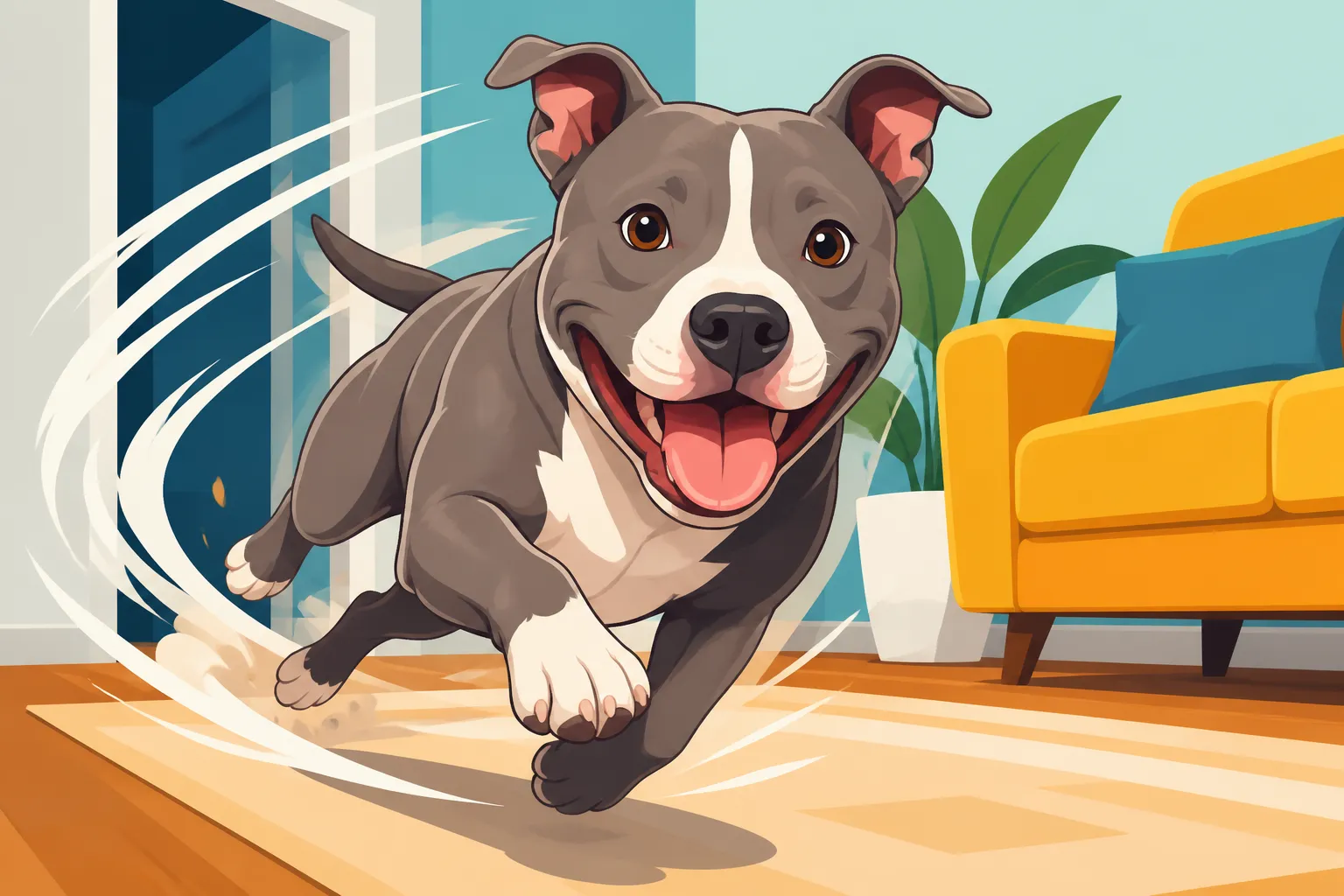
Picture this: your Pit Bull might suddenly tuck their tail, lower their head, and launch into a wild, high-speed dash around the house, often with wide, excited eyes. They might do tight circles, bump into things (usually without injury, thankfully!), and look like they've just had an espresso shot. These are zoomies – an almost uncontrollable explosion of kinetic energy that usually lasts for just a few minutes before they suddenly flop down, exhausted but happy. It’s a completely normal canine behavior, a way for dogs to blow off steam quickly. Think of it like a child getting a case of the giggles and running around until they fall down laughing.
It's typically seen in puppies and younger dogs, but adult Pit Bulls can absolutely get them too. It’s often triggered by a sudden release from restraint, a moment of excitement, or simply an accumulation of energy that needs an immediate outlet. While it can be startling, and a little inconvenient if you have delicate decor, it's generally a healthy display of canine exuberance.
Why Pit Bulls Seem Prone to These Energy Bursts
Pit Bulls, as a type, are bred for athleticism, strength, and a tenacious drive. This means they often come equipped with a significant amount of energy, even when they appear to be relaxing. They're dogs that thrive on activity, mental stimulation, and a good "job" to do. When these needs aren't fully met, or if they experience sudden shifts in their environment, that energy can manifest as zoomies.
Their powerful muscles and strong bodies are built for explosive movement. So when the urge to run strikes, they really run. It's not uncommon for them to seem calm all day, only to explode into a frenzy in the evening, especially if their daily exercise has been a little short, or if they've had a particularly exciting interaction. Understanding this inherent drive is key to managing the behavior; it's not a flaw in their personality, but a reflection of their genetic makeup. They're just fulfilling their need to move, and sometimes that movement has to happen indoors.
Telling Normal Zoomies From Something More
While zoomies are usually harmless, it's important to distinguish between normal bursts of happy energy and behavior that might signal stress, anxiety, or even pain. A typical zoomie session is short-lived, involves the dog looking happy and engaged, and usually ends with them flopping down to rest. Their body language will be loose, their tail might be wagging, and their movements, though fast, will seem fluid rather than frantic or panicked.
However, if your Pit Bull's "zoomies" are accompanied by signs of distress, such as excessive panting beyond normal exertion, whining, destructive chewing beyond typical play, frantic pacing that doesn't resolve, or if they repeatedly run into walls or furniture as if disoriented, it could be something more. These might be indicators of anxiety, overstimulation to a problematic degree, or even an underlying health issue. For example, a sudden onset of uncharacteristic indoor hyperactivity in an older Pit Bull could warrant a vet check to rule out pain or discomfort. Keep an eye on A Pit Bull That Paces at Night in Old Age for clues if your senior dog suddenly starts showing new, restless behaviors. If the behavior seems obsessive, self-injurious, or causes significant distress to the dog or household, it's time to dig a little deeper.
Common Triggers for Indoor Frenzies
Understanding what sets off your Pit Bull's indoor zoomies is the first step in managing them. Often, these triggers are predictable, and once you identify them, you can start to intervene proactively.
Post-Walk Overstimulation
This one surprises a lot of owners. You'd think after a long walk or a good play session, your Pit Bull would be ready for a nap. Instead, they come inside and launch into a full-speed dash around the house! This is often a case of "overstimulation" or a release of residual energy. The walk itself, especially if it involved exciting smells, other dogs, or new sights, can amp up their system. When they step back into the familiar, safe environment of home, that heightened state finds an outlet in zoomies.
It's also a release from the leash. Even the best-behaved Pit Bull might feel a sense of freedom when the leash comes off, leading to an immediate burst of unrestrained movement. We talk a lot about Pit Bull Leash Manners and Physical Strength for outdoor walks, but the transition back inside is equally important. Try to calm the energy down before unhooking the leash. A few minutes of quiet sitting, a quick game of "find it" with a few treats, or simply waiting until they've settled a bit can make a big difference.
Pent-Up Energy and Lack of Outlets
This is probably the most common culprit. Pit Bulls are active dogs, and they need appropriate physical and mental exercise to be well-behaved and calm indoors. If your Pit Bull hasn't had enough rigorous activity – be it a brisk walk, a good romp in a secure yard, or an engaging training session – that unspent energy has to go somewhere. The house then becomes the default outlet. They'll zoom, chew, or generally act restless because their fundamental needs for movement haven't been met.
Consider your Pit Bull's daily routine. Is there enough dedicated time for vigorous exercise? For many Pit Bulls, a simple stroll around the block isn't enough. They often need at least 60-90 minutes of active exercise daily, split into multiple sessions. This could involve running, fetch, flirt pole play, or even something like scent work that engages their minds as well as their bodies. Skipping a day or shortening a session can quickly lead to an evening full of indoor sprints. Our guide on Pit Bull Exercise for a Powerful Athletic Dog delves deep into meeting these needs.
Excitement-Based Triggers
Beyond walks and pent-up energy, many other things can trigger a burst of indoor zoomies. These are often excitement-driven:
- Arrival of Visitors: New people entering the home can be incredibly exciting for a social Pit Bull. The thrill of greeting, even if they're well-trained, can boil over into zoomies.
- Mealtime Anticipation: The moment they hear the food bag crinkle or their bowl clank, some Pit Bulls will race around in joyful anticipation.
- New Toys or Games: Introducing a brand-new chew toy or starting an exciting game of tug can immediately escalate their energy levels.
- Specific Times of Day: Many dogs have a "witching hour," often in the evening, where their energy peaks regardless of the day's activity.
- Weather Changes: Being cooped up due to bad weather (rain, extreme heat or cold) can mean less outdoor activity, leading to compensatory indoor zoomies once the weather breaks, or even just from the frustration of being inside. For tips on managing the latter, check out Indoor Enrichment for a Pit Bull.
- Owner Engagement: Sometimes, you are the trigger! If you suddenly start an exciting game, or if you've been busy all day and then give them full attention, that sudden engagement can spark a flurry of activity.
Recognizing these patterns is crucial. If you know your Pit Bull always zooms when guests arrive, you can anticipate it and prepare a calming strategy beforehand.
Practical Strategies to Calm the Chaos
Once you understand why your Pit Bull is zooming, you can implement strategies to manage and redirect that energy more constructively.
Proactive Management and Routine
The best offense is a good defense when it comes to zoomies. Establishing a clear routine and managing your environment can prevent many episodes before they even start.
- Consistent Exercise Schedule: This is paramount. Ensure your Pit Bull gets consistent, high-quality exercise every single day. This includes not just physical activity but also mental stimulation like training sessions or puzzle toys. A well-exercised dog is a calmer dog. If you find yourself struggling with how much exercise they need, consider what The Daily Exercise a Pit Bull Actually Needs truly entails.
- Pre-Entry Calm Down: Before bringing your Pit Bull inside after a walk or play, spend a few minutes actively calming them down. This could be a short "sit" or "down" stay, or simply waiting until they offer a calmer behavior at the door. Reward calm entry with a quiet treat, not enthusiastic praise that might re-excite them.
- Designated "Wind-Down" Zones: Create a specific, cozy spot, like a crate or a special bed, where your Pit Bull can go to decompress. Teach them to go to this spot and settle. This is especially helpful after high-excitement events like walks or visitor arrivals. A comfortable, secure crate can be a lifesaver, and remember to ensure it's durable enough – you don't want to be Crate Training a Pit Bull That Breaks Out.
- Manage Triggers: If you know visitors or mealtime trigger zoomies, plan ahead. Have your Pit Bull on a leash when guests arrive, or put them in their designated calm spot with a stuffed Kong. Prepare meals calmly and present them without excessive fanfare.
Redirecting High-Energy Behavior
When the zoomies do strike, instead of trying to stop them outright (which can be difficult and sometimes reinforces the behavior with attention), focus on redirection.
- Safe Indoor Outlets: Have appropriate, safe outlets ready. Durable chew toys, puzzle feeders, or a game of indoor fetch with a soft toy can channel that energy. Brands like KONG offer robust toys, readily available on Amazon, that can stand up to a Pit Bull's powerful jaws. Instead of letting them run wild, try tossing a favorite toy down a hallway for a controlled burst of speed.
- Mental Stimulation: Sometimes zoomies happen because a dog is bored. Engage their brains! Scent games, where you hide treats around the house for them to find, can be incredibly tiring. Interactive puzzle toys, like those mentioned in Puzzle Feeders a Pit Bull Cannot Destroy, can keep their minds busy and their bodies relatively still.
- Interactive Play (Controlled): Instead of a free-for-all, initiate a structured game. A flirt pole can be great for controlled bursts of chase and pounce, or a solid game of tug (with clear "drop it" rules) can burn energy effectively without involving a house-wide race. Remember, the goal is controlled release, not just more chaos.
- Offer a High-Value Chew: When you see the early signs of zoomies, offering a long-lasting, high-value chew can divert their attention and give them something calm and productive to do with their mouth and energy. Look for something that will really hold their interest, as discussed in High-Value Treats That Hold a Pit Bull's Focus.
Training for Calmness and Impulse Control
Training isn't just for outdoor walks or basic commands; it's vital for teaching your Pit Bull how to be calm and settled indoors.
- "Place" or "Mat" Training: Teach your Pit Bull to go to a specific "place" (a mat, bed, or cot) and stay there until released. This is a powerful tool for managing excitement, especially when guests arrive or during meal prep. It helps them practice self-control in exciting situations.
- Impulse Control Games: Play games that build impulse control, like "leave it" or "wait." These teach your Pit Bull that good things come to those who wait calmly. You can practice waiting at doors, before food bowls, or before being allowed to greet you. Our guide on Building a Pit Bull's Impulse Control offers more in-depth strategies.
- Reinforce Calm Behavior: Actively reward your Pit Bull when you see them being calm and settled. Quietly drop a treat near them, or offer gentle praise. Many owners accidentally reinforce excited behavior by giving attention when the dog is hyped up. Make calm behavior rewarding!
- Online Training Resources: If you're struggling to implement these strategies, don't hesitate to seek help. Online platforms like BAXTER & Bella offer comprehensive puppy and dog training programs that focus on impulse control, calmness, and good house manners. Their structured approach can provide the guidance you need to tackle these issues systematically. Even experienced owners find value in structured courses to keep their skills sharp and learn new techniques. Remember, What to Teach a Pit Bull Puppy and When often lays the groundwork for calmer adult behavior.
When the Zoomies Become a Concern
While most zoomies are harmless, there are times when this energetic behavior might be a sign of something more, warranting closer attention or professional intervention.
Recognizing Stress or Anxiety in the Behavior
Sometimes, what looks like zoomies can actually be a manifestation of underlying stress, anxiety, or even frustration. These behaviors might include:
- Excessive and Unrelenting Pacing: If the running seems less like play and more like frantic, repetitive pacing that doesn't resolve into a calm state, it could indicate anxiety.
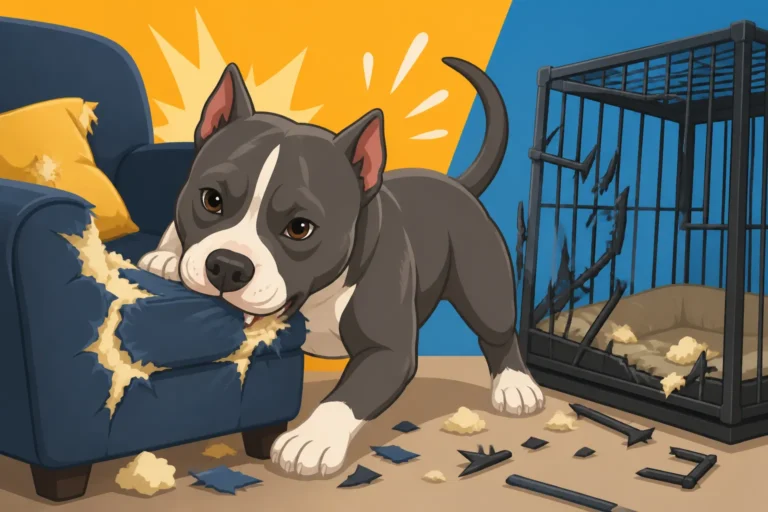
- Destructive Elements: If the indoor running consistently leads to destructive chewing of furniture, walls, or inappropriate items, it's a sign that the energy release is coupled with frustration or an inability to cope with an emotional state. This is different from a playful chew; it's often more intense and urgent. If your Pit Bull is Pit Bull Chewing Through Furniture and Crates, the zoomies might be linked to this destructive tendency.
- Self-Injurious Behavior: Bumping into things, falling, or scratching themselves excessively during these episodes could indicate a lack of control that goes beyond normal zoomies.
- Vocalization: While some playful barks might accompany zoomies, if your Pit Bull is whining excessively, growling, or barking in a stressed way, it’s worth noting. See How Much a Pit Bull Actually Barks for insights into typical vocalizations.
- Inability to Settle After the Episode: Normal zoomies end with a crash and a relaxed sleep. If your Pit Bull remains agitated, restless, or unable to settle for a long time afterward, it suggests something deeper.
If you suspect stress or anxiety, consider what might be causing it. Is it separation anxiety when you leave? Is it triggered by loud noises, changes in routine, or a perceived threat? Addressing the root cause of the anxiety is key.
Seeking Professional Guidance
If you've tried all the proactive management and redirection strategies and your Pit Bull's indoor zoomies are still overwhelming, destructive, or seem to stem from anxiety, it’s time to call in a professional.
- Certified Professional Dog Trainer (CPDT-KA): A trainer can observe your Pit Bull's behavior in your home environment, help identify specific triggers, and develop a tailored training plan. They can teach you more advanced techniques for impulse control, relaxation protocols, and how to effectively manage your dog's energy. When looking for help, consider Finding a Trainer Experienced With Pit Bulls to ensure they understand the unique characteristics of the breed.
- Veterinary Behaviorist (DACVB): For more complex cases, especially when anxiety, fear, or aggression seem to be underlying factors, a veterinary behaviorist is the specialist you need. These are veterinarians with advanced training in animal behavior and can prescribe medication if necessary, alongside behavior modification plans. They can rule out any medical conditions contributing to the behavior.
- Your Regular Veterinarian: Always start with your vet to rule out any pain, discomfort, or medical conditions that could be contributing to the restless or frantic behavior. Sometimes, simple discomfort can manifest as agitated energy.
Management Tools and Safety
While working on training and behavior modification, ensure your home environment is safe and that you have the right tools to manage intense bursts of energy.
- Secure the Home: Move fragile items, secure rugs that might slide, and create clear paths for movement. This reduces the risk of injury to both your Pit Bull and your belongings. Consider what a Pit Bull Car Barriers and Crash-Tested Crates guide advises for safe containment if you need to use a crate to manage these situations.
- Indoor Leash or Drag Line: For truly difficult-to-manage zoomies, a light indoor leash or drag line can give you a safe way to intervene without grabbing at your dog. This is not for pulling them around, but for gently guiding them to a calmer spot or interrupting an escalating behavior.
- Regular Physical Check-ups: Ensure your Pit Bull is regularly checked by a vet. An unaddressed ache or pain can lead to changes in behavior and contribute to restlessness or unusual energy releases. If your Pit Bull is prone to joint issues, for instance, this can impact their comfort and behavior.
Remember, patience and consistency are your best friends. Your Pit Bull isn't trying to be difficult; they're expressing a need or a feeling. With understanding, proper management, and sometimes professional guidance, you can help them channel that incredible energy into calmer, more appropriate outlets, making for a happier home for everyone.
| Trigger Type | Description | Example Situations | Management Strategy |
|---|---|---|---|
| Energy Release | Accumulation of unspent physical or mental energy | Short walks, rainy days, long periods alone, boredom | Increase structured outdoor exercise, mental games, puzzle feeders, Indoor Enrichment for a Pit Bull |
| Overstimulation | Heightened excitement from external stimuli | Post-walk entry, arrival of guests, exciting new toys | Calm entry routine, pre-empt with "place" command, quiet greetings, offer high-value chew |
| Anticipation | Excitement in expectation of a desired event | Mealtime, owner coming home, getting ready for a walk | Establish consistent routines, demand calm behavior before rewards, practice impulse control, A Pit Bull That Rushes the Door |
| Stress/Anxiety | Underlying emotional discomfort manifesting as frantic movement | Loud noises, separation anxiety, new environment, pain | Identify and address root cause, vet consultation, professional trainer/behaviorist, provide safe haven |
Disclaimer
This article is for general informational purposes only and does not constitute professional advice. Laws, prices and regulations vary by location and change over time. Consult a qualified professional for guidance on your specific situation.