Crate Training a Pit Bull That Breaks Out
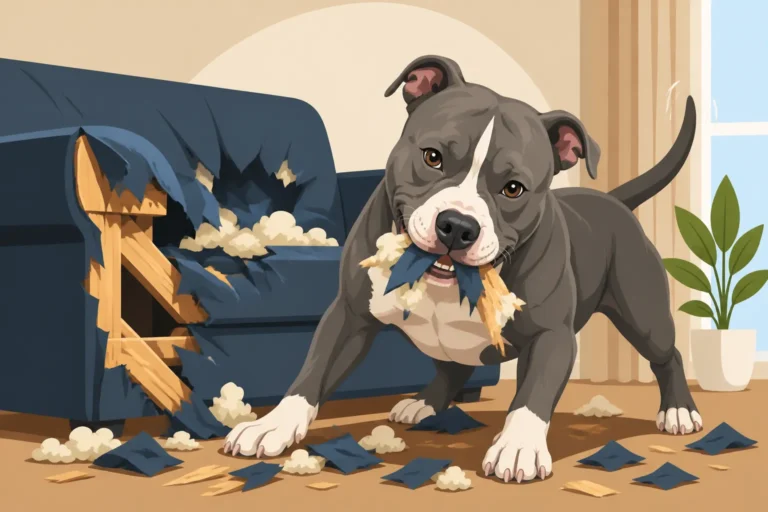
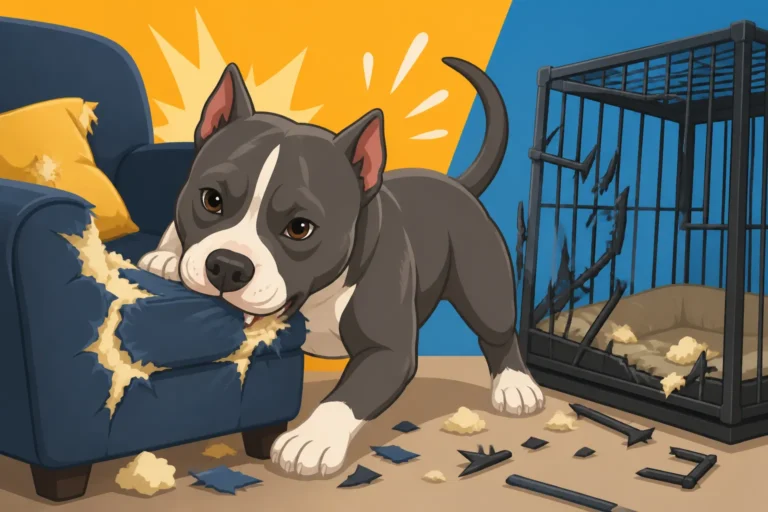
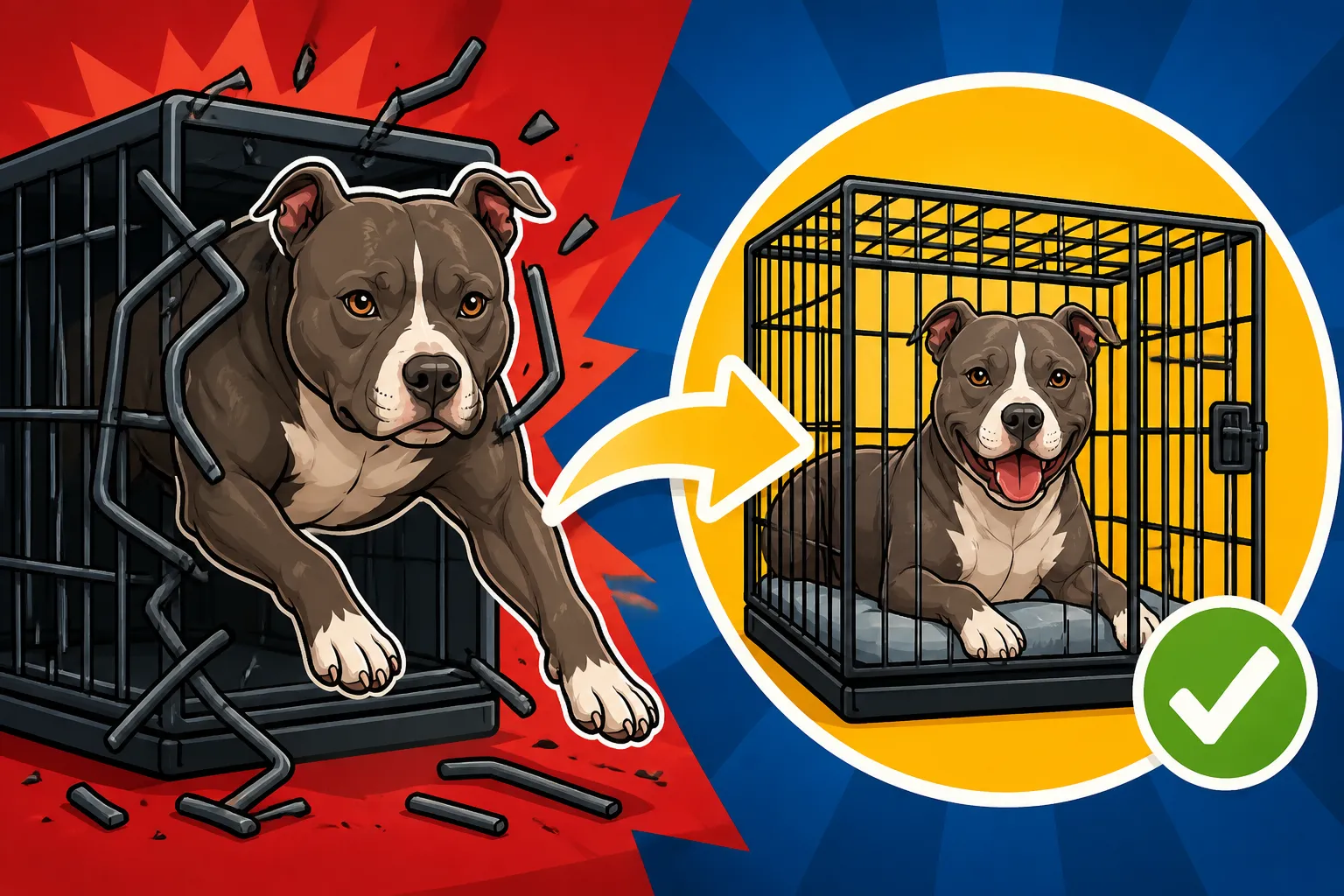
It’s incredibly frustrating, not to mention alarming, to come home and find your strong, determined Pit Bull has managed to Houdini their way out of their crate – or worse, has damaged the crate itself in the process. This isn't just about chewed-up bars or a bent door; it’s a sign of a deeper issue, whether it's anxiety, boredom, or simply a crate that isn't up to the task. This guide is here to walk you through understanding why your Pit Bull might be breaking out and, more importantly, how to implement solutions to keep them safely and happily contained when you can't supervise them.
Understanding Why Your Pit Bull Is Breaking Out
Before you can effectively tackle the problem of your Pit Bull breaking out of their crate, you need to play detective. There's almost always a root cause behind the escape artistry, and it’s rarely just about being "naughty." These are intelligent, powerful dogs, and if they’re going to the extreme of breaking out, they’re motivated by something significant.
Anxiety and Stress
One of the most common reasons a Pit Bull might desperately try to escape their crate is underlying anxiety, particularly separation anxiety. If your dog gets stressed when left alone, the crate can feel like a trap rather than a safe haven. You might notice signs like excessive drooling, destructive chewing (even outside the crate), incessant barking or howling, pacing, or even house training accidents right before or during confinement. These aren't acts of spite; they are manifestations of genuine distress.
Imagine a scenario where you leave for work, and your Pit Bull, Duke, starts to whine even before you've locked the door. Once you're gone, the whining escalates to frantic barking. He might start digging at the crate floor, then systematically testing every seam and bar, driven by a powerful urge to reunite with you or simply escape the overwhelming feeling of being alone. This isn't just a strong dog trying to get out; it's a dog in panic mode. Understanding this emotional component is crucial because it dictates a very different training approach than if the issue were merely boredom. If you've observed A Pit Bull That Panics When the Door Shuts, this is likely a major factor.
Boredom and Excess Energy
Pit Bulls are athletic, intelligent dogs that thrive on physical and mental stimulation. If they're not getting enough exercise or mental engagement before being crated, all that pent-up energy has to go somewhere. A crate, especially a boring one, can quickly become a source of intense frustration, leading them to channel their energy into destructive escape attempts.
Consider Bella, a three-year-old Pit Bull who gets a quick potty break before her owner leaves for eight hours. She hasn't had a proper walk, played a game of fetch, or had any engaging mental exercise. Left alone in her crate with nothing but a stale chew toy, she'll inevitably get restless. Her powerful jaws and strong physique, designed for enduring work, will find a challenge in the weakest point of her crate. This isn't a malicious act; it's simply a physically capable dog looking for an outlet for her abundant energy and intelligence. A quick walk around the block isn't enough for a dog that could easily cover miles and problem-solve complex tasks.
Improper Crate Introduction or Negative Association
Many owners make the mistake of rushing the crate training process or only using the crate as punishment. If a Pit Bull's first experiences with the crate are negative – being shoved in, left for too long, or associated with being left alone when they don’t want to be – they will develop a strong aversion to it. This negative association will make them see the crate as a prison, triggering escape attempts.
Think of Rocky, a rescue Pit Bull who spent his first few nights in a crate after a stressful adoption. His new owners, eager to prevent accidents, left him in there for extended periods without proper desensitization. Now, even the sight of the crate door opening makes him nervous. He associates it with long, lonely hours and frustration. Instead of viewing it as a den, he views it as a place he must fight his way out of. This foundational mistrust needs to be rebuilt entirely, focusing on positive reinforcement and gradual exposure to transform his perception.
Test of Strength and Perseverance
Let's be real: Pit Bulls are incredibly strong dogs. They have powerful jaws, immense physical strength, and a tenacious spirit. A poorly constructed or flimsy crate simply isn't a match for a determined Pit Bull. If they discover a weak point, whether it's a bent bar, a weak latch, or a plastic tray they can chew through, they will exploit it. This isn't always tied to anxiety or boredom; sometimes, it's just pure physical capability meeting an inadequate barrier.
Imagine a standard wire crate with thin gauge wire. Your Pit Bull, Tank, pushes against the door, and it flexes slightly. He pushes again, harder this time, and notices the give. Soon, he's using his body weight, his powerful jaws, and sheer willpower to bend the wire, eventually creating a gap large enough to squeeze through. He's not panicking; he's simply leveraging his physical attributes against a structural weakness. It's a testament to their strength that many crates designed for "all dogs" simply don't stand up to a persistent Pit Bull. This often leads owners to seek out The Crate a Pit Bull Cannot Break Out Of.
Choosing the Right Crate: Built for a Powerful Pit Bull
Once you understand why your Pit Bull is breaking out, the next step is ensuring their containment is genuinely escape-proof and safe. Many standard crates just aren't designed to withstand the strength and determination of a Pit Bull. You need a crate that’s built like a fortress, not a suggestion.
Heavy-Duty Materials
Forget the flimsy, lightweight wire crates you might find at typical pet stores. For a Pit Bull, you need crates made from heavy-duty materials. Look for crates constructed from strong steel, often with thicker gauge wire or solid bars. Some crates are made from impact-resistant, high-density polyethylene plastic or aluminum, which can also offer significant durability. The goal here is to invest in a crate that your Pit Bull cannot bend, chew through, or dismantle.
These industrial-strength crates are designed to prevent escape and ensure safety. They often feature welded joints and thicker frames, making them far more resilient than standard options. While they come with a higher price tag, the investment is worth the peace of mind knowing your dog is safe and your home isn't being destroyed. Many owners find these types of crates on platforms like Amazon, searching specifically for "heavy-duty dog crates" or "escape-proof crates for large breeds."
Secure Latches and Design
A strong crate is useless if the latch isn't equally secure. Pit Bulls are smart, and they can learn to manipulate simple sliding bolts or spring-loaded clasps. Look for crates with multiple, heavy-duty latches or those with a "double-locking" mechanism that requires more complex movements to open. Some crates feature a slam-latch design, where the door simply closes and locks itself, offering added security.
Beyond the latches, consider the overall design. Are there any gaps your dog could exploit? Are the bars close enough together that they can't force their head or a limb through? A truly escape-proof crate will minimize weak points and offer a seamless, robust structure. Some designs even feature reinforced corners and bases to prevent digging and chewing. If your dog has a history of Pit Bull Chewing Through Furniture and Crates, the floor and lower sections of the crate need to be particularly robust.
Size Matters
The right size crate is essential for both comfort and security. Your Pit Bull should be able to stand up, turn around, and lie down comfortably without feeling cramped. However, a crate that is too large can also be problematic. If there's too much extra space, a dog might be able to gain momentum to push against the sides or find enough room to relieve themselves in one corner and avoid lying in it, which can hinder house training.
Measure your dog from the tip of their nose to the base of their tail, and from the top of their head to the ground. The crate should be about 4-6 inches longer and taller than these measurements. For puppies, a crate with a divider allows you to adjust the space as they grow, preventing them from having too much room initially. Remember, the crate is a den, not a playpen, so aim for snug comfort rather than excessive space.
Here's a quick comparison of common crate types and their suitability for a strong Pit Bull:
| Crate Type | Pros | Cons | Suitability for Pit Bulls |
|---|---|---|---|
| Standard Wire Crate | Affordable, good ventilation, collapsible for travel. | Easy to bend, latches can be flimsy, not chew-proof. | Poor. Often too weak, easily damaged by a determined Pit Bull, leading to escape or injury. |
| Plastic Travel Crate | Den-like, good for travel, more secure than wire for some. | Plastic can be chewed through, limited ventilation in some designs, not easily collapsible. | Moderate. Better than wire if very heavy-duty plastic, but can still be chewed if dog is motivated. |
| Heavy-Duty Steel Crate | Extremely durable, strong latches, virtually escape-proof, good ventilation. | Expensive, heavy, not easily collapsible, can be noisy if dog rattles it. | Excellent. Best option for strong, escape-prone Pit Bulls, built to withstand immense force. |
| Furniture-Style Crate | Blends with home decor, often made of wood or metal. | Can be very expensive, wood components are easily chewed, often not designed for escape artists. | Poor to Moderate. Often prioritizes aesthetics over true security. Not recommended for escapees. |
Strategies for Successful Crate Training
Once you've got the right hardware, it's time to focus on the software: the training itself. Crate training a Pit Bull, especially one with a history of breaking out, requires patience, consistency, and a deeply positive approach. The goal is to make the crate a rewarding, comfortable space, not a punishment. Positive Reinforcement Training With a Pit Bull is absolutely key here.
Positive Association and Gradual Introduction
Start by making the crate the most wonderful place in the world. Toss high-value treats inside, scatter some kibble, or place a favorite, durable chew toy in there. Leave the door open and let your Pit Bull explore it at their own pace. Never force them in. Feed meals near the crate, then inside it with the door open, eventually with the door briefly closed. The idea is to build a positive association, so they willingly choose to enter.
Once they're comfortable going in, begin closing the door for very short periods – just a few seconds – while you're still in the room. Reward calm behavior. Gradually increase the time the door is closed, then try leaving the room for a minute or two, returning before they show signs of distress. This gradual approach helps them understand that the crate isn't a permanent separation, and you always come back. Resources like those from BAXTER & Bella can be incredibly helpful for structured, positive puppy training, including crate introduction techniques that build a solid foundation.
Exercise Before Crating
A tired Pit Bull is a good Pit Bull, and a good Pit Bull is less likely to try escaping their crate. Before crating your dog for any significant period, ensure they’ve had plenty of physical and mental exercise. This means a long walk, a vigorous game of fetch, a training session, or some mentally stimulating puzzle toys. Burn off that excess energy so they’re ready to relax and settle down when they go into their crate.
For a powerful dog like a Pit Bull, a simple stroll around the block probably won't cut it. Think about a brisk 30-60 minute walk, a solid session with a flirt pole, or some off-leash running in a secure area (if appropriate and safe). This isn't just about physical exertion; mental exercise through training or puzzle toys can be just as tiring. The goal is for them to enter the crate feeling content and ready for a nap, not brimming with unused energy that needs an outlet. Consider their daily needs for Pit Bull Exercise for a Powerful Athletic Dog.
High-Value Rewards and Chew Toys
When your Pit Bull is in their crate, especially during the initial stages, you want to make it as enjoyable as possible. Offer them special, high-value rewards that they only get when in the crate. This could be a stuffed Kong, a dental chew, or a puzzle toy filled with delicious treats. These items serve a dual purpose: they keep your dog occupied and reinforce the positive association with the crate.
The key is "high-value" and "durable." For a Pit Bull, a regular biscuit might not cut it. Think about something that takes time to consume and is incredibly appealing. Frozen Kongs filled with peanut butter, plain yogurt, or canned pumpkin can keep them busy for a good while. Just be sure the chew toy is appropriate for their strong jaws and won't splinter or be entirely consumed too quickly. You'll want to stock up on Chew Toys That Hold Up to a Pit Bull to keep them engaged and prevent destruction. These specific, rewarding items help them view the crate as a place of special treats and relaxation.
Addressing Underlying Behavioral Issues
Sometimes, the crate breaking isn't just about a poorly chosen crate or a rushed training process; it's a symptom of deeper behavioral challenges. Ignoring these underlying issues means the problem will likely persist, no matter how strong your crate is. For dogs with significant distress, you might need to involve a professional.
Separation Anxiety Protocols
If your Pit Bull's escape attempts are clearly rooted in separation anxiety, you'll need a more targeted approach beyond basic crate training. This often involves desensitization and counter-conditioning. Desensitization means gradually increasing the time your dog is left alone, starting with seconds and slowly building up. Counter-conditioning involves creating a positive emotional response to your departure by associating it with high-value treats or activities.
This can be a slow, painstaking process, but it's vital for your dog's well-being. It might involve practicing "mock departures" where you grab your keys, walk to the door, and then immediately return, gradually extending the time you are "gone." The goal is to keep your dog under their threshold of anxiety, ensuring they never fully panic. This is often best done under the guidance of a certified professional dog trainer or veterinary behaviorist. They can help tailor a plan specifically for your dog's anxiety levels. If your dog is A Pit Bull That Screams When You Leave, this is paramount.
Enrichment and Mental Stimulation
As mentioned earlier, boredom can lead to destructive behavior. Pit Bulls are intelligent and need their brains worked as much as their bodies. Incorporate daily mental enrichment into their routine. This includes puzzle feeders, scent work games, obedience training, and interactive toys. A mentally tired dog is a calm dog.
Rotate toys to keep things fresh and engaging. Instead of just putting food in a bowl, use a puzzle feeder. Hide treats around the house for them to sniff out. Even short training sessions teaching new tricks can be incredibly mentally stimulating. When your Pit Bull is mentally satisfied, they’re less likely to channel their energy into destructive escape attempts from their crate. Think about providing them with a task or a problem to solve that occupies their mind while you are away. This can significantly reduce the likelihood of them seeing their crate as a challenge to be conquered. When considering Hours a Pit Bull Copes With on Its Own, adequate mental stimulation becomes even more critical.
Professional Trainer Consultation
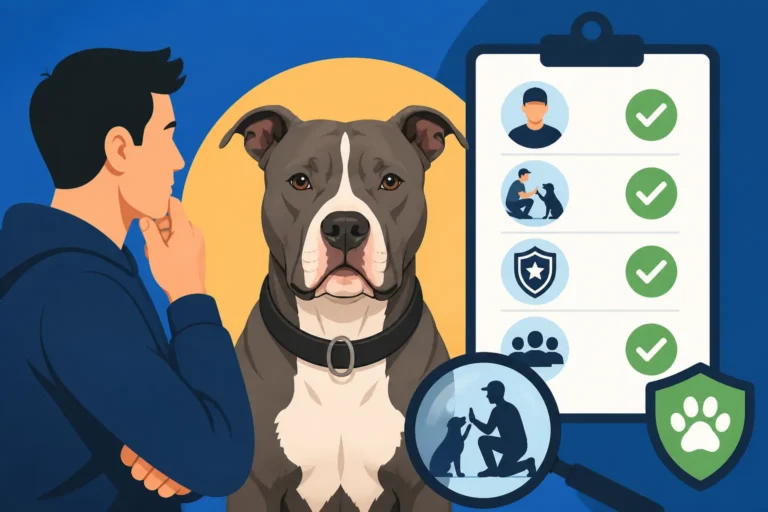
If you've tried all the above and your Pit Bull is still breaking out, or if their anxiety seems severe, it's time to call in the cavalry. A certified professional dog trainer or a veterinary behaviorist can provide invaluable guidance. They can assess your specific situation, identify subtle cues you might be missing, and develop a customized training plan.
Finding a trainer experienced with strong breeds and behavioral challenges like separation anxiety is crucial. They can teach you advanced techniques, help you understand your dog's body language better, and provide the support you need to overcome these hurdles. Don't be afraid to seek expert help; it's a sign of a responsible pet owner committed to their dog's safety and well-being. A good trainer can make all the difference, especially when you are trying to effectively train a powerful breed. When looking for help, seek out Finding a Trainer Experienced With Pit Bulls.
Disclaimer
This article is for general informational purposes only and does not constitute professional advice. Laws, prices and regulations vary by location and change over time. Consult a qualified professional for guidance on your specific situation.