Why a Pit Bull Is Judged by a Stricter Standard
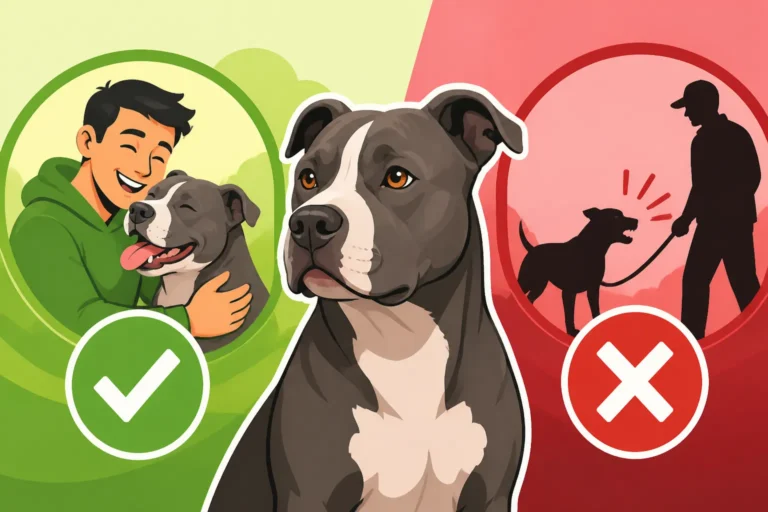
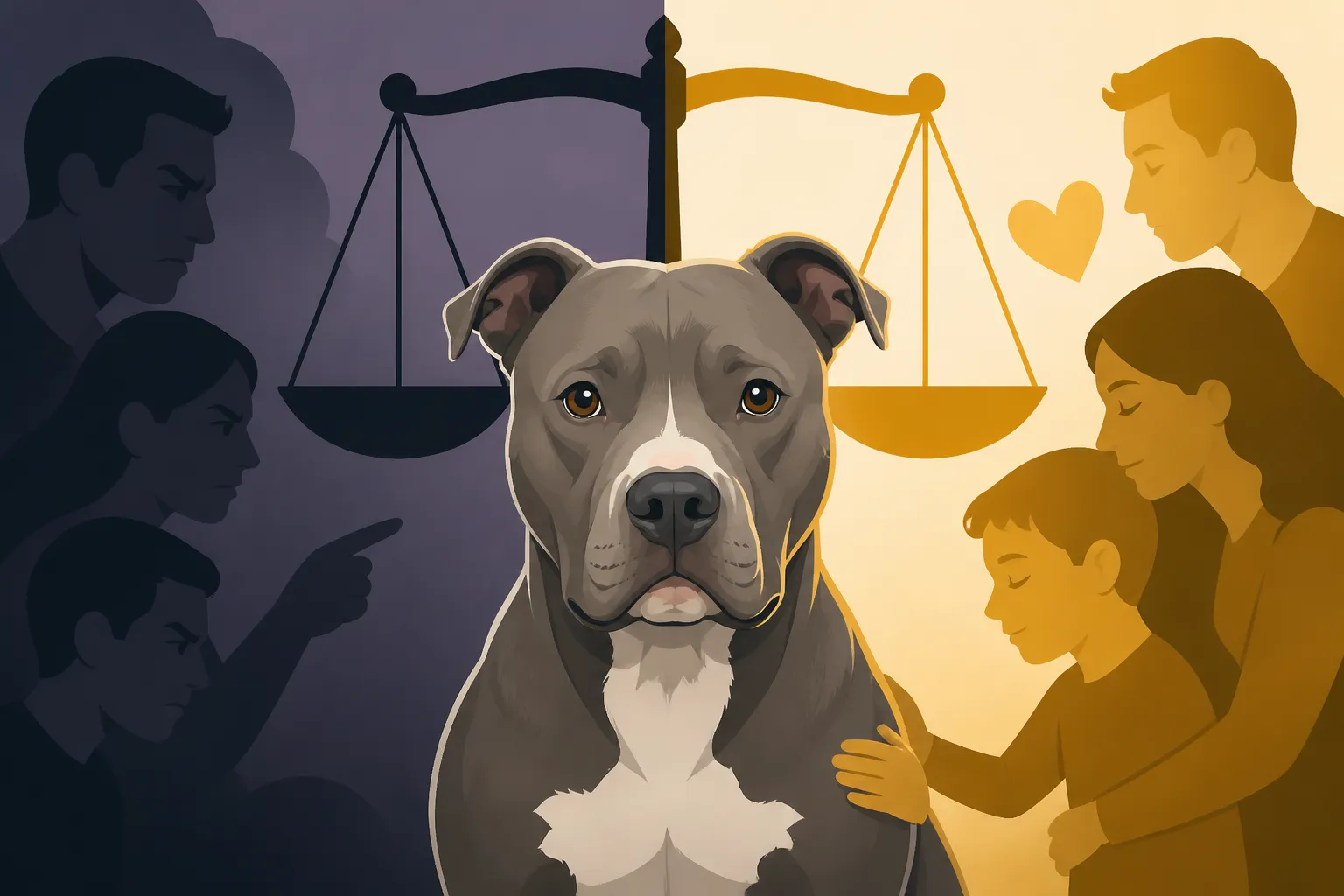
It’s a frustrating reality for many of us who share our lives with a Pit Bull: our dogs, through no fault of their own, are often held to a different, often unfairly strict, standard compared to other breeds. You walk down the street, and while a Golden Retriever might elicit smiles and pats, your Pit Bull might garner wary looks, people pulling their children closer, or even outright avoidance. This guide is dedicated to exploring why this double standard exists, how it impacts Pit Bull owners, and what steps you can take to navigate this challenging landscape.
The Lingering Shadow of Public Perception
It's truly exhausting, isn't it? Knowing that every time your Pit Bull so much as barks at a squirrel, it's scrutinized in a way a Labrador's bark never would be. This isn't just in your head; it's a deeply ingrained societal issue, born from decades of misunderstanding and, frankly, fear-mongering. The perception of Pit Bulls as inherently dangerous, unpredictable animals persists, casting a long shadow over every dog that even remotely resembles the type.
The "Pit Bull" Label vs. Genetic Reality
One of the biggest hurdles we face is that "Pit Bull" isn't even a single breed, but a general term that encompasses several distinct breeds and their mixes, like the American Pit Bull Terrier, the American Staffordshire Terrier, and the Staffordshire Bull Terrier. When people talk about "Pit Bulls," they're often lumping together a wide variety of dogs with different temperaments, histories, and genetic predispositions. It’s like calling every large, fluffy dog a "Husky" and expecting them all to behave identically. This broad generalization means that any dog resembling the "type" is immediately saddled with all the negative stereotypes, regardless of its actual lineage or individual personality. Many shelter dogs, for example, are labeled as "Pit Bulls" based purely on visual cues, even if their DNA tells a completely different story. How Shelters Decide a Dog Is a Pit Bull can deeply affect their chances of adoption and how they are perceived by potential families.
Media Representation and Misinformation
Let's be honest, the media hasn't done Pit Bulls any favors. Sensationalized headlines often focus on incidents involving dogs identified as "Pit Bulls," without providing crucial context like responsible ownership, prior neglect, or the dog's actual breed makeup. These stories stick in people's minds, reinforcing negative biases and creating a distorted view of the entire type. You rarely see headlines celebrating a Pit Bull that saved a life, served as a therapy dog, or simply lived out its days as a beloved family pet. Instead, the narrative often leans towards fear, making it incredibly difficult to change deeply held public opinions. This constant drumbeat of negative reporting means we're always fighting an uphill battle to showcase the true nature of these intelligent, affectionate dogs.
The "Nanny Dog" Myth and its Collapse
For a while, there was a resurgence of the "nanny dog" myth, suggesting Pit Bulls were historically bred to be exceptional with children. While it was well-intentioned and aimed at countering the negative stereotypes, it ultimately created another form of misinformation. While many Pit Bulls are wonderful with children, just like any dog, they are individuals and require supervision, training, and careful introductions. No dog, regardless of breed, should ever be left unsupervised with a child. Why the Pit Bull Nanny Dog Story Is a Myth dives deeper into the origins and inaccuracies of this well-meaning but ultimately unhelpful narrative. When this myth was debunked, it inadvertently gave fuel to those who wanted to paint the entire type as untrustworthy, making our job as responsible owners even harder. It's a classic example of how extremes in narrative, whether positive or negative, can ultimately harm the overall effort to foster understanding.
The Historical Roots of Misunderstanding
To truly understand why Pit Bulls face such scrutiny today, we need to dig a little into their past. It’s a complex history, riddled with twists and turns that ultimately led to their current reputation. Knowing this history helps us frame the conversation and gives us a better context for the challenges we face.
From Valued Companions to Vilified "Fighting Dogs"
The ancestors of today's Pit Bulls were originally developed in England in the early 19th century, bred from Old English Bulldogs and terriers. Their initial purpose was primarily for blood sports like bull-baiting and bear-baiting. When these barbaric "sports" were outlawed in 1835, dog fighting unfortunately took their place, continuing to exploit their strength and tenacity. However, when these dogs came to America, they quickly became valued farm dogs, working companions, and beloved family pets. They were celebrated for their loyalty, strength, and gentle nature with families. Images of Pit Bulls graced product labels, appeared in advertising campaigns, and even served as war heroes, like Sergeant Stubby. The shift from this revered status to the vilified image we often see today is a stark and painful contrast, driven by specific cultural changes and media narratives that started much later. The Bull and Terrier Origin of the Pit Bull gives a good overview of their early development.
The Rise of Sensationalism in the 1980s
The late 20th century marked a dramatic turning point. In the 1980s, an unfortunate combination of factors led to the Pit Bull's downfall in public opinion. Increased media sensationalism around dog bites, often misidentifying breeds, coincided with a rise in illegal dogfighting and gang association with these dogs. Certain individuals exploited the breed's impressive physical capabilities for nefarious purposes, leading to a surge in negative press. This period cemented the image of the Pit Bull as a dangerous, aggressive animal in the public consciousness, overshadowing their long history as cherished family members. It was a perfect storm of circumstances that unfairly demonized an entire type of dog, a stigma that has proven incredibly difficult to shake off even decades later.
Breed-Specific Legislation's Role in Stigmatization
One of the most devastating consequences of this shift in public opinion has been the proliferation of breed-specific legislation (BSL). Across the country and even globally, laws have been enacted that specifically target Pit Bulls and similar breeds, imposing restrictions, requirements, or even outright bans based solely on their appearance. This legislation often doesn't consider individual temperament, training, or responsible ownership. Instead, it operates on the flawed premise that a dog's breed alone dictates its behavior. BSL not only severely limits where Pit Bull owners can live, travel, and even obtain insurance, but it also perpetuates the idea that these dogs are inherently more dangerous, further cementing the negative stereotype. Where Pit Bull Legislation Still Applies highlights areas where these laws continue to pose challenges for owners. It's a legal framework built on fear rather than evidence, making life incredibly difficult for many loving families.
Navigating Breed-Specific Legislation and Restrictions
If you own a Pit Bull, you already know the frustration of encountering barriers that simply don't exist for owners of other breeds. These obstacles are not just inconvenient; they can profoundly impact your ability to provide a stable, loving home for your dog. It often feels like you're constantly jumping through hoops just to live a normal life with your pet.
Housing Challenges: Renters and Homeowners
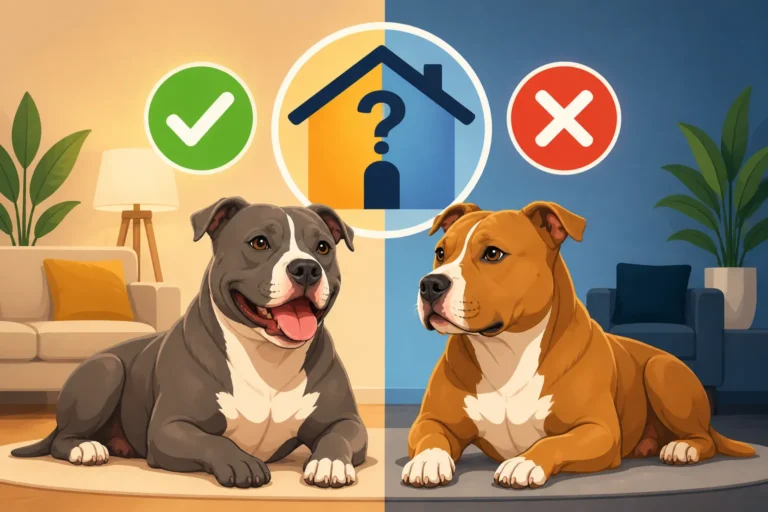
Finding suitable housing can feel like a full-time job when you have a Pit Bull. Landlords, often driven by insurance requirements or outdated prejudices, frequently have "breed restriction" clauses that explicitly ban Pit Bull type dogs. This can lead to heartbreaking situations where families are forced to choose between their beloved pet and a place to live. Even if a landlord is open to it, securing renters insurance that covers a Pit Bull can be a nightmare. For homeowners, the situation isn't much easier. Many homeowner's insurance carriers either refuse to cover homes with Pit Bulls or charge exorbitant premiums, sometimes even threatening to cancel policies if they discover a restricted breed lives on the property. This discrimination forces many owners into a stressful cycle of searching for elusive "Pit Bull-friendly" housing or insurance. Finding a Rental That Takes a Pit Bull is a constant struggle, and it's a burden that no pet owner should have to bear.
Insurance Hurdles and Coverage Denial
The insurance industry is notoriously strict when it comes to Pit Bulls. Many major insurers maintain "dangerous dog breed" lists, and Pit Bulls are almost always at the top. This means that even if you're a responsible owner with a perfectly well-behaved dog, you might find it impossible to get liability coverage or your current policy might be canceled. This isn't just about protecting against potential incidents; it's also about fulfilling requirements for housing or simply having peace of mind. The financial strain can be significant, as owners are often forced to seek out specialty insurers who charge higher rates, or go without crucial coverage altogether. Pit Bull Pet Insurance and Breed Exclusions is a minefield many owners have to navigate, and it adds another layer of stress to responsible pet ownership.
Public Access and Community Bans
Beyond housing and insurance, the stricter standard often dictates where you can take your Pit Bull in public. Many public spaces, from parks to specific trails, might have unspoken or explicit restrictions on breeds perceived as "dangerous." In communities with BSL, simply walking your dog outside your home can be a regulated activity, sometimes requiring muzzles, specific leash lengths, or even a permit. This can isolate owners and their dogs, making it harder to provide adequate socialization and exercise, which ironically can contribute to behavioral issues. Imagine living in an area where your dog is welcome in one park but banned from another just a few blocks away, simply because of how they look. This patchwork of rules makes consistency impossible and creates an environment where Pit Bull owners always have to be on guard.
Common Pit Bull Misconceptions vs. Realities
| Feature/Aspect | Common Misconception | Reality | Impact on Judgment |
|---|---|---|---|
| Breed Identity | "Pit Bull" is a single, easily identifiable breed. | "Pit Bull" is a term for a type of dog, encompassing several breeds like APBT, AmStaff, and mixes. Visual identification is often inaccurate. | Leads to misidentification and blanket condemnation of diverse dogs. |
| Temperament | Inherently aggressive, unpredictable, or dangerous. | Like any dog, individual temperament varies. Many are loyal, affectionate, and stable with proper training and socialization. ATTS scores show good temperament. | People assume aggression without knowing the individual dog, leading to fear and avoidance. |
| Bite Strength | Possess "locking jaws" or extraordinary bite force. | Pit Bulls do not have locking jaws. Their bite force is comparable to other medium-to-large breeds. Strong jaws, but not unique. | Exaggerated claims fuel fear and overreaction to perceived threats. |
| "Nanny Dog" Myth | Were historically bred to be perfect with children. | While many are great with kids, this is a myth. No dog should ever be left unsupervised with children, regardless of breed. | The myth's debunking is used to support negative narratives, undermining positive traits. |
| Training Needs | Cannot be trained due to stubbornness or aggression. | Highly trainable, intelligent, and eager to please. Excel in obedience, agility, and therapy work with positive reinforcement. | Disregards proven trainability, fostering the idea that training is futile or exceptionally difficult for this type of dog. |
| Socialization | Should not be around other dogs or strangers. | Proper socialization from a young age is crucial for all dogs, including Pit Bulls, to develop appropriate social skills. | Leads to social isolation, making it harder for dogs to learn appropriate behavior and reinforcing the idea they are "dog aggressive." |
The Impact on Daily Life and Social Interaction
Living with a Pit Bull under these heightened standards isn't just about navigating rules; it's about navigating daily interactions, emotional toll, and the constant awareness that your dog is under a microscope. It can be profoundly isolating and demanding, adding a layer of stress to what should be a joyous relationship with your companion.
The Burden of Constant Vigilance
As a Pit Bull owner, you often feel an immense pressure to be "perfect." Every outing, every interaction, becomes an opportunity for judgment. A playful nip, a rough-and-tumble game, or even an excited greeting might be overlooked in another breed, but in a Pit Bull, it can be misconstrued as aggression or a sign of an unstable temperament. This leads to a constant state of vigilance, where you’re always anticipating potential negative reactions from strangers or trying to preemptively manage situations. This isn't just about protecting your dog from unfair judgment; it's also about preventing an incident that could have severe consequences for your family due to breed-specific laws. This constant awareness can be incredibly draining, making even a simple walk feel like a performance where you're always on stage. Handling a Pit Bull in Public Without Incident becomes a primary concern every time you leave the house.
Dealing with Unsolicited Opinions and Fear
It’s almost a given that at some point, you'll encounter someone who expresses their fear or negative opinion of your Pit Bull, often unsolicited. These comments can range from subtle body language – like someone crossing the street or pulling their child away – to outright verbal criticisms or warnings. It's frustrating and hurtful, especially when you know your dog is a gentle, loving member of your family. You learn to develop a thick skin, but it never truly stops stinging. This constant reinforcement of negative stereotypes can also make it difficult to find playmates for your dog or engage in community activities, further isolating both you and your Pit Bull. We often feel compelled to defend our dogs, to educate, and to advocate, even when we simply want to enjoy a quiet moment with our furry best friend.
The Need for Exceptional Training and Socialization
Because of the strict judgment, Pit Bulls truly do need to be trained and socialized to a higher standard than many other breeds. While every dog benefits from good manners, for a Pit Bull, impeccable behavior isn't just a nice-to-have; it's a necessity for their safety and acceptance. A well-trained Pit Bull can be an incredible ambassador for the type, subtly challenging misconceptions with their calm demeanor and polite interactions. This means investing more time, effort, and sometimes money into professional training and consistent socialization experiences. From puppy classes to advanced obedience, ensuring your Pit Bull is a model citizen in every situation is paramount. Training a Pit Bull to a Higher Standard Than Other Dogs is not an exaggeration, it's a strategic imperative. This commitment to excellence in training can feel like an unfair burden, but it’s often the most effective way to counteract negative perceptions.
Proactive Measures: Training and Advocacy
Despite the challenges, owning a Pit Bull is incredibly rewarding. As owners, we have a unique opportunity – and frankly, a responsibility – to be powerful advocates for our dogs. By focusing on responsible ownership, rigorous training, and active advocacy, we can collectively work towards changing perceptions and fostering a more understanding environment for these incredible animals.
Emphasizing Responsible Ownership and Training
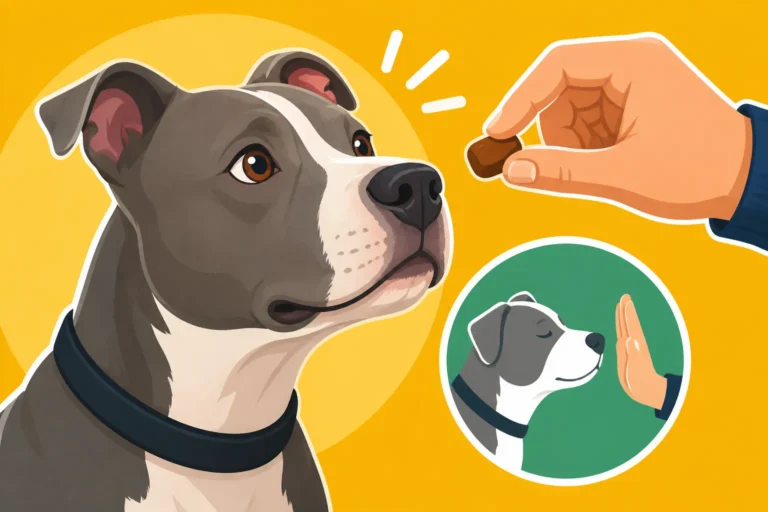
The single most effective tool we have against unfair judgment is exemplary responsible ownership. This means more than just feeding and walking your dog; it means understanding their needs, providing consistent training, and ensuring they are always under control in public. For a Pit Bull, this often means going above and beyond. Using positive reinforcement methods and consistency are key. Online platforms like BAXTER & Bella offer fantastic virtual puppy and adult dog training programs that emphasize foundational skills and clear communication, which are crucial for any dog, but particularly important when your dog is under scrutiny. Having a dog that reliably comes when called, walks politely on a leash, and greets strangers calmly can do more to change minds than any argument. Positive Reinforcement Training With a Pit Bull builds trust and a strong bond, making your dog a willing participant in their education.
Leveraging Canine Good Citizen and Therapy Dog Certifications
One of the most powerful ways to counter negative stereotypes is by actively pursuing certifications like the American Kennel Club's Canine Good Citizen (CGC) title. The CGC test demonstrates that a dog has good manners both at home and in the community, proving their reliability and training. For a Pit Bull, a CGC title is a tangible piece of evidence that your dog is well-behaved and manageable, which can be invaluable when dealing with landlords, insurance companies, or skeptical individuals. Furthering this, many Pit Bulls excel as therapy dogs, bringing comfort and joy to hospitals, nursing homes, and schools. A Pit Bull in a vest, gently interacting with vulnerable people, is an undeniable force for positive change. These roles challenge perceptions directly and showcase the true potential of the type. Canine Good Citizen and Why It Matters for a Pit Bull isn't just a title; it's a statement.
Supporting Breed-Neutral Policies and Advocacy Groups
While individual efforts are vital, systemic change requires collective action. Supporting organizations that advocate for breed-neutral legislation and responsible ownership, rather than breed bans, is crucial. These groups work tirelessly to educate policymakers and the public, promoting laws based on a dog's behavior, not its appearance. They help challenge existing BSL and prevent new ones from being enacted, often providing resources and legal guidance to owners affected by discriminatory laws. Engaging with these groups, whether through volunteering, donations, or simply sharing their message, contributes to a larger movement for change. You can also actively participate in local government meetings to speak out against breed-specific proposals, sharing your personal experiences and data. We need to be the voices for our dogs, pushing for a future where all dogs are judged as individuals. Many resources, including specialized harnesses and chew toys designed for strong chewers, can be found easily on platforms like Amazon, helping owners manage their dogs effectively while advocating for their acceptance.
Disclaimer
This article is for general informational purposes only and does not constitute professional advice. Laws, prices and regulations vary by location and change over time. Consult a qualified professional for guidance on your specific situation.