Vetting a Trainer Before Booking a Pit Bull
Bringing a Pit Bull into your life is an incredibly rewarding experience, but let's be real – it also comes with a unique set of challenges, especially when it comes to training. The public perception of these dogs often means they're held to a higher standard, and finding a trainer who truly understands their nuances, strengths, and sensitivities can feel like searching for a needle in a haystack. This guide is here to help you navigate that often-tricky process, ensuring you find the perfect partner to help your Pit Bull thrive.
Understanding the Unique Training Needs of a Pit Bull
It’s no secret that Pit Bulls often get a bad rap. Because of this, Pit Bull owners frequently feel a pressure to have a dog that is exceptionally well-behaved, sometimes even better than other breeds, just to defy stereotypes. This isn't just about showing off; it's about making sure your dog is a polite, respected member of the community. But what does that mean for choosing a trainer? It means you need someone who isn't just good with "dogs," but genuinely understands the breed type.
Dispelling Myths and Addressing Reality
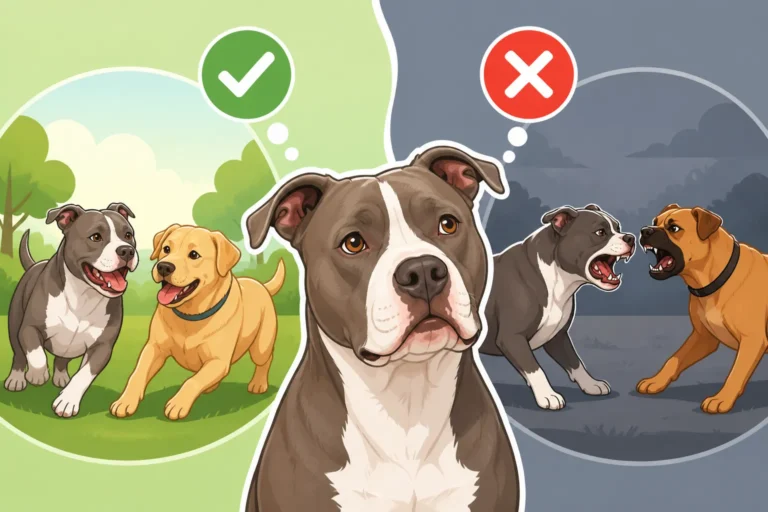
First off, let's cut through the noise. Pit Bulls are not inherently aggressive monsters. The "nanny dog" myth, while well-intentioned, also doesn't give a full, realistic picture. What they are often is physically powerful, highly intelligent, and incredibly driven. They can possess what’s known as "dog selectivity," meaning they might not be thrilled with every other dog they meet, especially as they mature. They also tend to have a strong prey drive. A good trainer acknowledges these breed-specific traits without demonizing them. They understand that these aren't flaws, but characteristics that need careful management and specific training strategies, rather than being ignored or punished. You want a trainer who sees your dog for who they are: an individual with breed tendencies, not just a label.
Imagine a scenario where your Pit Bull, Daisy, is an absolute sweetheart at home but becomes overly excited or vocal when she sees other dogs on leash. An inexperienced trainer might dismiss this as simple excitement or even aggression, and recommend harsh corrections. A trainer who understands Pit Bulls, however, might recognize it as a manifestation of frustration or dog selectivity, and propose a plan that focuses on positive redirection, desensitization, and building impulse control, ensuring Daisy learns to remain calm in the presence of other canines. This nuanced approach is vital for long-term success and your dog's well-being. This might mean you need Training a Pit Bull to a Higher Standard Than Other Dogs.
The Importance of Consistent, Positive Reinforcement
For any strong, intelligent dog like a Pit Bull, positive reinforcement isn't just a kind way to train; it's often the most effective. These dogs thrive on clear communication, engaging tasks, and rewards for good behavior. They are eager to please their people and build strong bonds. A trainer who relies on outdated, force-based methods, choke chains, or prong collars as a primary tool not only risks damaging your relationship with your dog but can also suppress natural behaviors without addressing the underlying cause. This can lead to new problems down the line, especially in a breed that already faces public scrutiny.
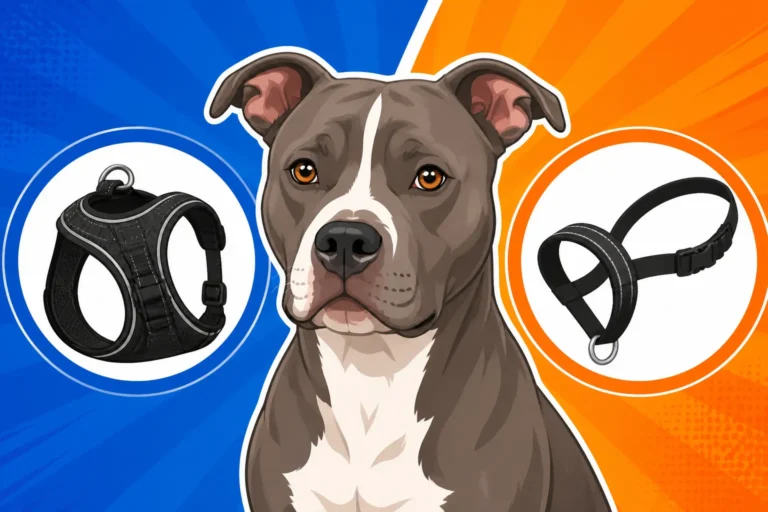
Think about it: your Pit Bull, Gus, is pulling like a freight train on his leash. A trainer using punishment might yank the leash every time he pulls, creating an immediate cessation of the behavior due to discomfort or fear. But what has Gus actually learned? He's learned that walks are unpleasant, that seeing other dogs or squirrels means pain, and that you are the source of that pain. A positive reinforcement trainer, however, will equip you with tools like a well-fitting front-clip harness (many great options are available on platforms like Amazon) and teach you how to reward Gus for loose-leash walking, making walks a positive experience where he chooses to stay by your side. They understand that a Pit Bull's physical strength means Pit Bull Leash Manners and Physical Strength requires consistent effort and rewarding the desired behavior, not just punishing the unwanted.
Key Questions to Ask Potential Pit Bull Trainers
So, you’ve got a list of potential trainers. Now it’s time to start asking the tough questions. Don't be shy! This is an investment in your dog's future, and you deserve to feel confident in the person you're entrusting with their education.
Experience with Muscular, Strong-Willed Breeds
This is non-negotiable. It's not enough for a trainer to say they work with "all breeds." You need to ask specifically about their experience with Pit Bulls, American Staffordshire Terriers, Staffordshire Bull Terriers, or similar strong, powerful breeds.
- "How many Pit Bull type dogs have you personally trained?"
- "What specific challenges have you encountered with these breeds, and how did you address them?"
- "Can you provide references from other Pit Bull owners?"
A trainer who has extensive experience with these dogs will understand their physical capabilities and their tendency for intense focus and drive. They won't be intimidated by a strong puller or a dog that plays rough. They'll have a repertoire of strategies tailored to their intelligence and resilience. Someone who shies away from acknowledging breed-specific traits, or worse, stereotypes them, isn't the right fit. They should be able to explain how they structure training sessions to keep a Pit Bull engaged and motivated, often using high-value rewards to maintain their focus. High-Value Treats That Hold a Pit Bull's Focus is a common strategy discussed by experienced trainers.
Training Methods and Philosophy
This is where you differentiate between trainers. You want a trainer whose philosophy aligns with modern, ethical, and effective practices.
- "What training methods do you primarily use?"
- "What tools do you recommend or discourage (e.g., clickers, flat collars, harnesses, head halters, prong collars, e-collars)?"
- "How do you handle unwanted behaviors?"
- "Can you explain your approach to positive reinforcement training?"
Look for trainers who emphasize positive reinforcement, force-free methods, and reward-based training. They should be able to articulate why they choose these methods, focusing on building a dog's confidence and understanding, rather than relying on fear or intimidation. If a trainer immediately talks about "dominance theory" or advocates for heavy-handed corrections without explaining a balanced approach that prioritizes positive engagement, that's a major red flag. They should be able to discuss how they promote Positive Reinforcement Training With a Pit Bull and why it's so effective. Online programs like those offered by BAXTER & Bella also lean heavily into positive reinforcement, which can be a great resource for owners looking for a consistent, accessible approach.
Handling Dog Selectivity and High Prey Drive
These are two common traits in Pit Bull type dogs that require particular attention.
- "How do you address dog reactivity or dog selectivity in Pit Bulls?"
- "What strategies do you employ for dogs with a strong prey drive?"
- "Do you offer group classes, and if so, how do you manage different dog temperaments?"
A skilled trainer will have specific, actionable plans for these scenarios. For dog selectivity, they might suggest parallel walks, desensitization exercises, and teaching a solid "look at me" cue. They'll understand that Pit Bull Dog Selectivity and Multi-Dog Homes is a real consideration, not just a label for aggression, and they'll help you manage it safely and effectively. For prey drive, they should emphasize strong recall training, management techniques (like keeping your dog on a long line in unfenced areas), and safe outlets for their instincts, such as flirt poles or scent work. A trainer who dismisses these concerns or suggests simple "corrections" to suppress them without addressing the underlying drive is likely not equipped to handle a Pit Bull's specific needs. They should be able to articulate how to build a strong Recall Training a Pit Bull From Scratch.
| Key Questions for a Pit Bull Trainer | What to Look For (Green Flags) | What to Watch Out For (Red Flags) |
|---|---|---|
| Experience with Pit Bulls | Extensive, positive experience with the breed type. References available. | Limited or no direct Pit Bull experience. Stereotypes the breed. |
| Training Philosophy | Positive reinforcement, force-free, science-based, reward-focused. | Dominance theory, heavy reliance on fear/punishment, harsh corrections. |
| Tools Used | Clickers, harnesses, head halters, long lines. Explains tool purpose. | Primarily prong collars, choke chains, e-collars for basic training. |
| Handling Behavior Issues | Addresses root cause, management, desensitization, counter-conditioning. | Focuses only on suppressing symptoms, blames the dog. |
| Approach to Dog Selectivity | Specific, safe management plans; positive exposure; impulse control. | Dismisses or punishes reactivity; unsafe introductions. |
| Approach to Prey Drive | Strong recall, management, safe outlets, alternative behaviors. | Ignores prey drive; advocates for unsafe off-leash situations. |
| Certifications/Education | Recognised certifications (CPDT-KA, KPA-CTP, etc.), ongoing learning. | No certifications, claims "natural" talent, no desire for further education. |
What to Look For in a Trainer's Credentials and Approach
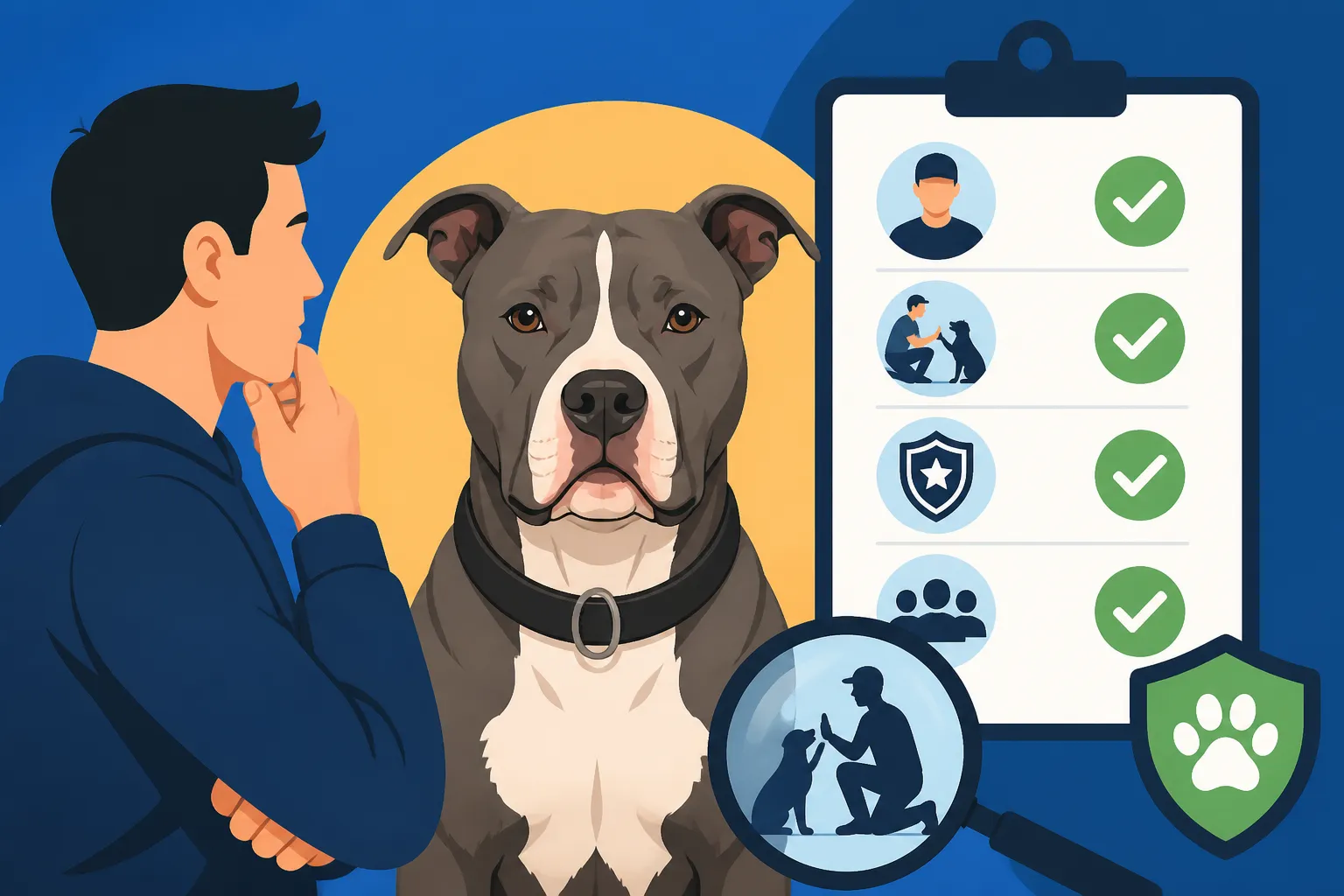
Beyond the direct questions, there are other signs that point to a quality trainer. You're looking for professionalism, knowledge, and a genuine passion for both dogs and their human companions.
Certifications, Continuing Education, and Professional Memberships
Just like any other profession, dog training has standards and continuing education. Look for certifications from reputable organizations. Examples include:
- CPDT-KA (Certified Professional Dog Trainer – Knowledge Assessed): This signifies a trainer has met certain knowledge requirements and has hands-on experience.
- KPA-CTP (Karen Pryor Academy Certified Training Partner): These trainers are highly skilled in positive reinforcement and clicker training.
- Fear Free Certified Professional: This certification shows a commitment to reducing fear, anxiety, and stress in animals, which is invaluable for sensitive dogs.
These certifications aren't just fancy letters; they often mean the trainer is committed to ethical practices, ongoing learning, and science-based methods. Ask about their continuing education. Do they attend conferences, workshops, or seminars? Do they keep up with the latest research in animal behavior? A good trainer is always learning and evolving their methods. Membership in professional organizations, like the Association of Professional Dog Trainers (APDT), also indicates a commitment to professional standards.
Observing a Trainer in Action
A trainer can say all the right things, but seeing them work is key. Most reputable trainers will allow you to observe a session (either with your dog or another client's, with permission).
- How do they interact with the dog? Are they patient, calm, and clear in their communication? Do they use force or intimidation?
- How do they interact with the owner? Do they explain things clearly? Are they supportive and encouraging? Do they empower the owner?
- Is the dog engaged and happy? You want to see a dog that is willingly participating, not cowering or shutting down.
- What equipment do they use? Are they using humane, effective tools, or are they relying on heavy-handed equipment?
Pay close attention to how they introduce new concepts. Are they breaking tasks down into small, achievable steps? Are they quick to reward success? The training environment should feel positive and productive, not stressful or chaotic. If you see a trainer constantly pulling, shouting, or using physical corrections, it's a sign to reconsider. Remember, The Advice Experienced Pit Bull Owners Give often includes finding a trainer who truly respects the dog's autonomy and works with them, not against them.
Red Flags and When to Walk Away
Unfortunately, not all trainers are created equal. Be wary of these warning signs:
- Guaranteeing results: No reputable trainer can guarantee a dog's behavior, especially in a specific timeframe. Animals are individuals.
- Focusing on "dominance" or "alpha" theory: These theories have been widely debunked by modern science and can lead to harsh, counterproductive training.
- Refusing to explain methods: If a trainer is secretive about their techniques or can't clearly articulate the why behind their approach, that's a problem.
- Using fear or pain: Any trainer advocating for shock collars, prong collars as a first resort, choke chains, physical punishment, or intimidation tactics should be avoided.
- Unrealistic promises or quick fixes: Real training takes time, consistency, and effort from both the trainer and the owner.
- Lack of empathy or dismissiveness: A good trainer understands that owners often feel frustrated or overwhelmed. They should be empathetic and supportive, not judgmental.
If your gut feeling is off, listen to it. Finding a good match is about chemistry, too. You and your Pit Bull need to feel comfortable and safe with your chosen trainer. Sometimes a seemingly "great" trainer just isn't the right fit for your specific dog or your personal training style. There are many options out there, including online courses (like those found on platforms like BAXTER & Bella) that provide structured, positive-reinforcement based lessons which can be a valuable supplement or alternative to in-person training, especially if local options are limited.
Preparing Your Pit Bull for Training Success
Vetting the trainer is a huge step, but your role in your Pit Bull's training journey doesn't end there. In fact, it's just beginning. The most effective training is a partnership between you, your dog, and the trainer.
Building a Foundation at Home
Before you even step into a formal training class, or even during private lessons, a strong foundation at home is crucial. This means consistent routines, clear boundaries, and starting to teach some basic cues.
- House Training: A well-house-trained dog is less stressful to manage. Getting a Pit Bull Puppy Clean in the House is foundational.
- Crate Training: A secure, comfortable crate can be an invaluable tool for management, especially for a powerful dog like a Pit Bull. Look for durable options on Amazon if your Pit Bull is a chewer – The Crate a Pit Bull Cannot Break Out Of is a good read on this.
- Basic Manners: Start with simple cues like "sit," "stay," "come," and "down" using positive reinforcement. Keep sessions short, fun, and frequent.
- Socialization: If you have a puppy, exposure to a wide variety of sights, sounds, people, and appropriate dog interactions during the critical socialization window is incredibly important. Even for adult rescues, thoughtful, positive exposure to new experiences can build confidence. Consider resources on Socializing a Pit Bull Puppy Thoroughly or Socializing a Pit Bull Around Strangers.
- Handling: Get your Pit Bull used to being handled all over – paws, ears, mouth, tail – in a positive way. This helps with vet visits, grooming, and general safety. Consent Based Handling With a Pit Bull is an excellent approach to this.
The more work you put in at home, the more your Pit Bull will get out of formal training. A trainer can provide the roadmap and the tools, but you're the one driving. This also helps your trainer assess your dog more accurately and tailor their approach.
Understanding Training Costs and Commitment
Let's talk brass tacks: dog training is an investment. Prices vary wildly depending on your location, the trainer's experience, the type of training (group classes, private sessions, board-and-train), and the duration.
- Group Classes: Generally the most affordable option, great for socialization and learning basic manners in a distracting environment.
- Private Sessions: More expensive but offer personalized attention for specific issues or when group classes aren't suitable.
- Board-and-Train: Where your dog lives with the trainer for a period. This is often the most costly option and should be approached with extreme caution, thoroughly vetting the trainer and their facility to ensure humane practices.
Always get a clear breakdown of costs, what's included, and the expected duration of the program. Remember that training isn't a one-and-done deal. It's an ongoing commitment throughout your Pit Bull's life. You'll continue to reinforce learned behaviors and perhaps address new challenges as they arise. Budgeting for training, alongside other essential costs like food, vet care, and preventatives, is part of responsible Pit Bull ownership. Articles like Trainer Rates for a Strong Pulling Pit Bull can give you a general idea of what to expect financially. The goal is to set both you and your Pit Bull up for a lifetime of successful partnership and enjoyment.
Disclaimer
This article is for general informational purposes only and does not constitute professional advice. Laws, prices and regulations vary by location and change over time. Consult a qualified professional for guidance on your specific situation.