Medicated Shampoo Routines for a Pit Bull
It's incredibly frustrating when your strong, resilient Pit Bull starts itching, developing rashes, or dealing with chronic skin issues. Many of us have been there, watching our beloved companions suffer, and knowing that regular baths just aren't cutting it. This guide is here to walk you through everything you need to know about medicated shampoo routines for your Pit Bull, helping you tackle those persistent skin problems head-on and bring real relief.
Understanding Why Medicated Shampoos Are Needed for Pit Bulls
Pit Bulls, with their short, often sparse coats and sometimes sensitive skin, are unfortunately prone to a variety of dermatological challenges. It’s not just a minor irritation; these issues can escalate quickly, causing significant discomfort and even pain for your dog. Understanding the underlying reasons for their skin woes is the first step toward effective treatment.
Common Pit Bull Skin Conditions
From seasonal allergies to bacterial invaders, a range of conditions can wreak havoc on a Pit Bull's skin. One of the most common culprits we see is environmental allergies, often referred to as atopy. Dogs with atopy react to everyday allergens like pollen, dust mites, and molds, leading to relentless itching, redness, and inflammation. This often manifests in areas like their paws, belly, ears, and armpits. If your Pit Bull is constantly licking their paws or rubbing their face on the carpet, allergies might be at play. We’ve covered this extensively in Pit Bull Skin Allergies and the Atopy Pattern.
Beyond allergies, Pit Bulls can also grapple with bacterial and yeast infections. A small scratch or an area of inflamed skin from itching can quickly become a breeding ground for bacteria (pyoderma) or yeast (Malassezia dermatitis). These secondary infections often present as greasy skin, a distinctive pungent odor, crusts, pustules, or "hot spots" – those rapidly appearing, red, moist, and painful lesions. Conditions like demodectic mange, while less common in adult dogs, can also occur, especially in puppies or those with compromised immune systems. Identifying the specific condition, often with the help of your veterinarian, is crucial, as it dictates the type of medicated shampoo that will be most effective.
How Medicated Shampoos Work
Medicated shampoos are far more than just regular dog shampoos; they are specialized treatments designed to address specific dermatological problems. Think of them as topical medications for the skin. Each shampoo contains active ingredients formulated to combat bacteria, fungi, parasites, or to alleviate specific symptoms like excessive oiliness, scaling, or itching.
For instance, shampoos containing antiseptics like chlorhexidine are excellent for bacterial skin infections, working by disrupting bacterial cell walls. Antifungal agents such as miconazole target yeast and other fungal overgrowths. Shampoos with benzoyl peroxide can help flush hair follicles, which is particularly useful for conditions involving blocked pores or deep skin infections. Some shampoos include soothing ingredients like oatmeal or aloe vera to calm inflamed skin, while others, like those with coal tar or salicylic acid, are designed to reduce scaling and greasiness associated with seborrhea. The magic isn't just in the ingredients, though; it's also in the application and "contact time"—the duration the shampoo needs to remain on the skin to allow the active ingredients to do their job. This contact time is critical and often overlooked, but we'll dive into that more later.
Choosing the Right Medicated Shampoo for Your Pit Bull's Skin Issues
Selecting the correct medicated shampoo is paramount. Using the wrong one might not only be ineffective but could potentially worsen your Pit Bull's skin condition. This isn't a "one size fits all" situation, and what works for one dog might not work for another, even if they appear to have similar symptoms.
Active Ingredients and Their Uses
Medicated shampoos come packed with a variety of active ingredients, each designed for specific skin ailments. Here’s a quick rundown of some common ones and what they target:
- Chlorhexidine: A powerful antiseptic effective against a broad spectrum of bacteria and some yeasts. It's often prescribed for bacterial pyoderma.
- Miconazole: An antifungal agent, excellent for combating yeast infections (like Malassezia) and other fungal issues. Often found in combination with chlorhexidine for broad-spectrum antimicrobial action.
- Benzoyl Peroxide: Helps flush hair follicles, making it useful for deep bacterial infections, demodectic mange, and oily skin. It's a keratolytic, meaning it helps shed dead skin cells.
- Selenium Sulfide: Another antifungal and keratolytic agent, effective for seborrhea (oily, flaky skin) and some fungal infections.
- Coal Tar & Salicylic Acid: Both are keratolytic and keratoplastic (normalize skin cell turnover), making them useful for scaly, crusty, or excessively oily skin associated with seborrhea.
- Hydrocortisone/Pramoxine: These are anti-inflammatory and anti-itch agents, providing symptomatic relief for irritated, itchy skin, often used in conjunction with other medicated shampoos or as a follow-up.
It’s truly a science to match the right ingredient to the right problem. For example, if your vet suspects Yeast Infections in Pit Bull Skin Folds, a miconazole-based shampoo would be a primary recommendation.
Here's a simple table to help you categorize some common medicated shampoo ingredients:
| Active Ingredient | Primary Use | Common Conditions Addressed | How it Works |
|---|---|---|---|
| Chlorhexidine | Antibacterial, Antiseptic | Bacterial skin infections (Pyoderma), some yeast infections | Disrupts bacterial cell membranes, broad-spectrum killing |
| Miconazole | Antifungal | Yeast infections (Malassezia), ringworm | Inhibits fungal growth and replication |
| Benzoyl Peroxide | Keratolytic, Follicular Flushing, Antibacterial | Demodectic mange, deep pyoderma, oily skin, folliculitis | Penetrates follicles, flushes debris, has antibacterial properties |
| Selenium Sulfide | Antifungal, Keratolytic, Antiseborrheic | Seborrhea (oily/flaky skin), some fungal infections | Reduces oil production, sheds dead skin cells, inhibits fungal growth |
| Salicylic Acid | Keratolytic, Antiseborrheic | Scaling, crusting, dry seborrhea | Softens keratin, promoting exfoliation of dead skin cells |
| Hydrocortisone/Oatmeal | Anti-inflammatory, Anti-itch | Itchy, inflamed skin (symptomatic relief) | Reduces inflammation and provides a soothing barrier |
Prescription Versus Over-the-Counter Options
While many effective medicated shampoos can be found over the counter at pet supply stores or online retailers like Chewy or Amazon, it's crucial to understand their limitations. Over-the-counter (OTC) options often contain lower concentrations of active ingredients or focus on symptomatic relief rather than treating the root cause. They can be a good starting point for mild issues or as maintenance, but for persistent or severe skin conditions, a prescription from your veterinarian is almost always necessary.
Your vet will accurately diagnose the specific problem through skin scrapes, fungal cultures, or cytology (examining cells under a microscope). Based on this diagnosis, they can prescribe a shampoo with the appropriate active ingredients and concentrations to effectively tackle the infection or underlying condition. Never hesitate to consult your vet when dealing with anything more than very minor, transient skin irritation. They can guide you towards the most potent and suitable medicated baths for a Pit Bull with atopy or any other serious condition.
The Step-by-Step Medicated Bathing Process for Pit Bulls
Giving a medicated bath to a strong, sometimes reluctant, Pit Bull can feel like a wrestling match. However, with proper preparation and technique, it becomes a manageable, even routine, part of their care. Remember, consistency and correct application are key to success.
Preparation is Key
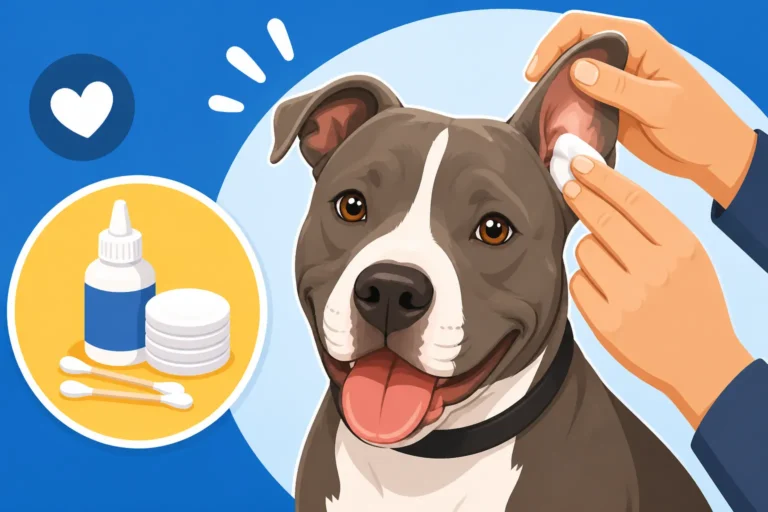
Before you even think about getting your Pit Bull wet, gather all your supplies. This includes the medicated shampoo, a timer, several clean towels, cotton balls (for ears), maybe a non-slip mat for the tub, and plenty of high-value treats. If your Pit Bull isn't keen on baths, having a helper can make a huge difference, one person to hold and soothe, the other to wash. Ensure the water temperature is comfortably warm, not hot or cold. A good brush-down before the bath can help remove loose hair and any surface debris, allowing the shampoo to penetrate the skin more effectively. For dogs with thick coats or matting (less common in Pit Bulls but still possible), consider a pre-shampoo rinse or even a quick trim in affected areas to ensure maximum contact. It’s also wise to place cotton balls loosely in their ears to prevent water from entering, which can lead to ear infections, a common woe for many Pit Bulls. For more on preventative ear care, you can read Cleaning a Pit Bull Ear Properly.
The Application and Contact Time
Once prepared, thoroughly wet your Pit Bull's coat with warm water. This isn't just a quick splash; you need to get them soaked down to the skin. Then, apply the medicated shampoo generously. Start from the neck and work your way back, paying close attention to problem areas like paws, armpits, groin, and belly. Lather the shampoo well, ensuring it makes good contact with the skin, not just the fur. Many Pit Bulls have short coats, which makes this easier, but it's still vital to massage it in properly.
This is where the timer becomes essential: contact time. Most medicated shampoos require a contact time of 5 to 10 minutes to allow the active ingredients to work their magic. This can feel like an eternity when you have a wet dog in the tub! Use this time wisely. Gently massage the shampoo into their skin, offering praise and those irresistible treats. This makes the experience more positive for them. You might also find a lick mat smeared with peanut butter stuck to the tub wall to be a lifesaver, keeping them distracted and still. Distraction is a powerful tool. Do not rinse until the recommended contact time is complete; otherwise, you're essentially just washing expensive soap down the drain without gaining the therapeutic benefit.
Thorough Rinsing
After the prescribed contact time, rinse, rinse, and then rinse some more! This step is just as critical as the application. Any residual shampoo left on the skin can cause irritation, dryness, or even make the itching worse. Imagine leaving soap on your own skin after a shower; it would feel awful.
Use lukewarm water and ensure you rinse every single part of your Pit Bull's body, paying special attention to folds of skin, armpits, and between their toes. You should continue rinsing until the water running off their coat is completely clear and you can no longer feel any slipperiness from the shampoo. For heavily muscled Pit Bulls, this can take longer than you might expect. Once rinsed, gently squeeze excess water from their coat and towel them dry. If using a hairdryer, ensure it's on a cool or low-heat setting to avoid skin burns or irritation. Completely drying the skin is important, especially in skin folds, to prevent secondary yeast or bacterial growth.
Establishing a Consistent Medicated Shampoo Routine
Consistency is truly the unsung hero when it comes to managing chronic skin issues with medicated shampoos. It's not just about one good bath; it's about establishing a regular schedule that supports your Pit Bull's skin health over time.
Determining Frequency
The frequency of medicated baths will depend entirely on your Pit Bull's specific condition and your veterinarian's recommendations. For acute infections, your vet might suggest bathing every 2-3 days initially, sometimes for several weeks, to get the infection under control. This intensive phase is crucial for knocking back bacterial or yeast overgrowth.
As the condition improves, the frequency will likely be reduced. For chronic conditions like allergies or seborrhea, a common maintenance schedule might be once or twice a week, or even every other week, depending on how your Pit Bull responds. Some dogs with Pit Bull Atopy and Seasonal Itching might need more frequent baths during peak allergy seasons and less during quiescent periods. It's a delicate balance; too often can strip natural oils and dry out the skin, while too infrequently might allow the problem to flare up again. Always follow your vet’s specific instructions for frequency, as they have the best understanding of your dog's individual needs.
Long-Term Maintenance Schedules
Once the initial skin crisis has passed, transitioning to a long-term maintenance schedule is key to preventing relapses. This might involve using the medicated shampoo less frequently, or even alternating it with a gentle, moisturizing shampoo if dryness becomes an issue. For example, you might use a chlorhexidine/miconazole shampoo once a week for prevention, and then a soothing oatmeal shampoo on another week if your Pit Bull is prone to environmental allergies.
Sometimes, after a severe flare-up, a medicated shampoo might become a permanent, albeit less frequent, part of your Pit Bull's grooming routine, perhaps every 2-4 weeks. Your vet might also suggest switching to a different medicated shampoo if the initial one is no longer yielding results, or incorporating other treatments like Apoquel and Cytopoint for an Itchy Pit Bull for underlying allergic disease. Remember, the goal of a maintenance routine is to keep your Pit Bull comfortable, itch-free, and to prevent future flare-ups before they become severe. Regular skin checks at home during this phase can help you spot early signs of trouble and adjust the bathing schedule as needed.
Common Challenges and Troubleshooting Medicated Bathing
Even with the best intentions and the right products, medicated bathing can present some hurdles. Pit Bulls are powerful dogs, and if they decide they're not fans of bath time, you'll know it! Learning to anticipate and troubleshoot these challenges can save you a lot of stress and ensure your dog gets the treatment they need.
Dealing with Resistance
A common challenge is simply getting your Pit Bull to cooperate during bath time. Some dogs tolerate it, others love it, and then there are those who fight it tooth and nail. For the latter, a positive reinforcement approach is crucial. Associate the bath with good things: treats, praise, and gentle handling. Start slowly; perhaps just getting them in the tub without water, rewarding them, and letting them out. Gradually introduce water, then shampoo. Lick mats with high-value treats (like peanut butter or canned pumpkin) can be invaluable distractions, keeping their mouth busy and their mind focused elsewhere while the shampoo does its work. You can find these easily on sites like Amazon.
If your Pit Bull is truly terrified or aggressive, consider consulting a professional dog trainer or veterinary behaviorist. They can offer strategies like desensitization and counter-conditioning. Never use force that could make them fear baths even more or put you at risk. For very anxious dogs, your vet might even prescribe a mild sedative to help with the bathing process initially, allowing them to have a calm, positive experience before gradually reducing the need for medication. Remember, a calm, patient approach works far better than trying to overpower your strong Pit Bull.
Skin Irritation After Bathing
Occasionally, despite your best efforts, your Pit Bull might experience some skin irritation after a medicated bath. This could manifest as increased redness, dryness, flaking, or even intensified itching. There are several reasons this might happen.
Firstly, insufficient rinsing is a common culprit. As mentioned, any shampoo residue can be irritating. Secondly, the shampoo itself might be too harsh for your Pit Bull's sensitive skin, or they might have a specific sensitivity to one of its ingredients. While medicated shampoos are designed to help, some active ingredients, like benzoyl peroxide or coal tar, can be drying for some dogs. If you notice excessive dryness, talk to your vet about using a moisturizing conditioner specifically designed for dogs after rinsing the medicated shampoo. Many brands offer compatible conditioning rinses. Thirdly, if your Pit Bull is still very itchy, it might be that the shampoo isn't adequately addressing the underlying cause, or there's a co-existing issue. Always inform your veterinarian if your Pit Bull's skin seems worse after a medicated bath. They may recommend a different shampoo, adjust the frequency, or investigate further for other contributing factors such as Food Allergies Behind Pit Bull Itching.
Beyond the Bath: Holistic Care for Pit Bull Skin Health
Medicated shampoos are a powerful tool, but they are often just one piece of a larger puzzle when it comes to managing chronic skin issues in Pit Bulls. True, long-term skin health often requires a holistic approach, addressing diet, environment, and overall well-being.
Diet and Supplements
What goes into your Pit Bull’s body can significantly impact what comes out on their skin. A high-quality, balanced diet is fundamental. For many Pit Bulls with skin sensitivities, a diet rich in omega-3 and omega-6 fatty acids can be incredibly beneficial for skin barrier function and reducing inflammation. These essential fatty acids, found in fish oils and some plant-based oils, can contribute to a healthier, less reactive skin and coat. You can learn more about this in Omega Oils for Pit Bull Skin and Coat.
Some owners choose to explore novel protein or hydrolyzed diets if food allergies are suspected. Brands like Ollie often provide fresh, balanced meal options that can be tailored, which some owners find beneficial for managing allergies or sensitivities through diet, though always consult your vet before making significant dietary changes, especially for therapeutic purposes. Beyond diet, specific supplements can also play a role. Probiotics can support gut health, which has links to immune function and skin health, while Vitamin E and other antioxidants can help protect skin cells. Always discuss any dietary changes or supplements with your veterinarian to ensure they are appropriate and won't interact negatively with other treatments.
Environmental Management
For Pit Bulls suffering from environmental allergies, managing their exposure to allergens is a critical component of skin care. While you can't eliminate all allergens, you can certainly reduce their impact. This includes regular cleaning of your home to minimize dust mites, frequent washing of their bedding in hot water, and using air purifiers.
After outdoor walks, especially during high pollen seasons, simply wiping down your Pit Bull's paws and coat with a damp cloth can remove a significant amount of allergens before they have a chance to settle on the skin and trigger an allergic reaction. This simple step can make a big difference in reducing overall allergen load. Regular vacuuming with a HEPA filter can also help. For severe cases, your vet might discuss allergy testing and immunotherapy (allergy shots) as a long-term solution. Combining environmental management with medicated baths and appropriate diet/supplements creates a comprehensive strategy for keeping your Pit Bull's skin as healthy and comfortable as possible. This integrated approach is often necessary for conditions that don't just "go away" but require ongoing, diligent care.
Disclaimer
This article is for general informational purposes only and does not constitute professional advice. Laws, prices and regulations vary by location and change over time. Consult a qualified professional for guidance on your specific situation.