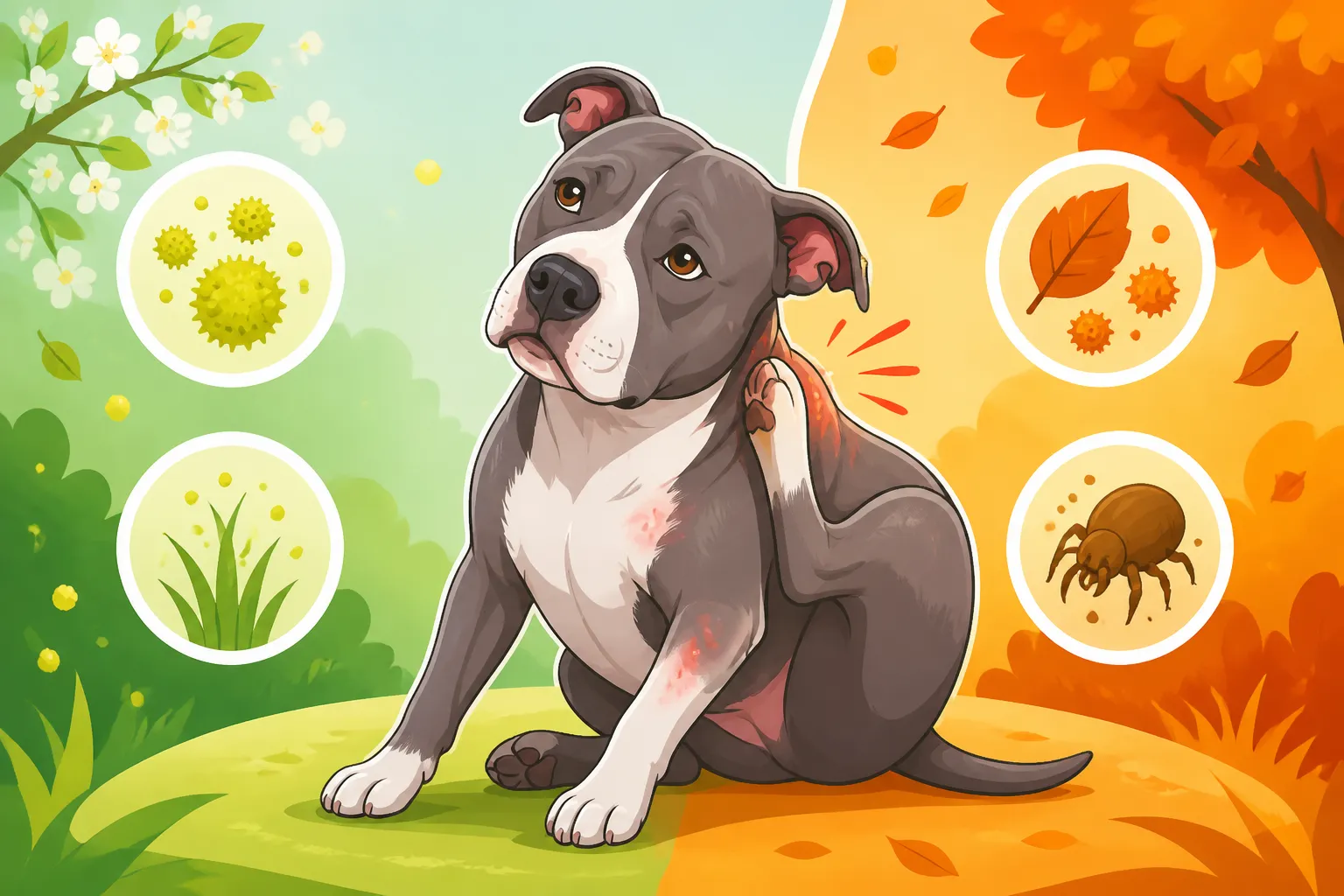
Pit Bull Atopy and Seasonal Itching
Few things are as frustrating for a Pit Bull owner as watching your beloved companion relentlessly scratch, chew, and rub themselves, especially when those dreaded seasonal changes roll around. It’s heart-wrenching to see their discomfort, the inflamed skin, and the endless cycle of itching that seems to steal their joy. This guide dives deep into understanding and managing seasonal itching caused by atopy in Pit Bulls, offering realistic strategies to bring relief and comfort back into their lives.
Understanding Atopy in Pit Bulls
When your Pit Bull starts itching every spring or fall, it's not just a passing irritation; it's often a sign of something much deeper: atopy. This isn't just a simple itch, it's a chronic, often lifelong condition that requires understanding and consistent management. It’s tough to accept that your furry friend might always be prone to these flare-ups, but knowing what you’re up against is the first step toward effective care.
What Atopy Really Means for Your Pit Bull
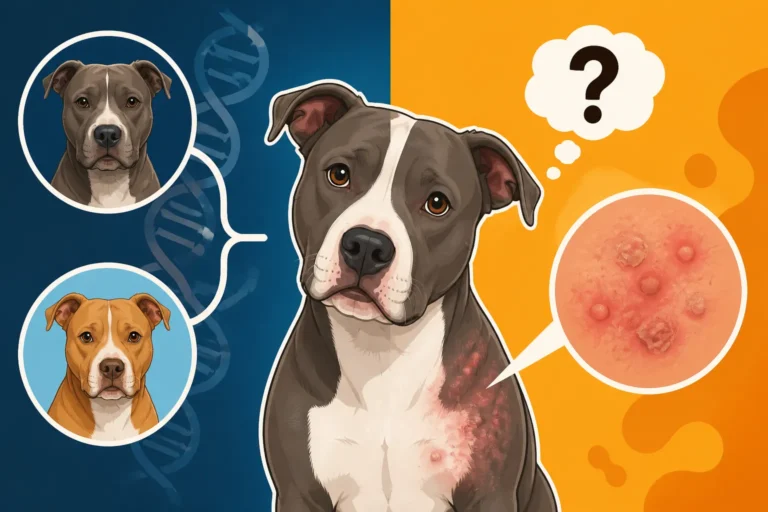
Atopy, or atopic dermatitis, is essentially an inherited predisposition for your Pit Bull's immune system to overreact to otherwise harmless substances in their environment. Think of it like human hay fever or asthma, but for dogs, it mostly manifests as skin issues. This isn’t something your Pit Bull "caught" or that you could have prevented by better hygiene; it's written in their genetic code. The frustration here is real because there’s no magic bullet to make it disappear entirely, but there are definitely ways to manage it.
Unlike a one-off itch from a bug bite, atopy is persistent and often follows a seasonal pattern, though some dogs can suffer year-round. Their immune system, instead of ignoring common environmental allergens, perceives them as threats and launches an inflammatory response. This causes the intense itching, redness, and discomfort that we see. Understanding this genetic component is crucial, as it helps explain why Pit Bulls, among other breeds like French Bulldogs, Boxers, and Golden Retrievers, seem particularly prone to these frustrating skin conditions.
Common Environmental Allergens Triggering Atopy
So, what exactly are these invisible culprits that send your Pit Bull into an itchy frenzy? They’re usually very common things we encounter every day. Outdoors, the biggest offenders are pollens from trees (especially in spring), grasses (late spring through summer), and weeds (late summer and fall). Mold spores, which are prevalent in damp environments and decaying vegetation, also play a significant role, particularly after rain or in humid conditions. You might notice your dog's itching worsens after a walk through tall grass or a romp in the leaves.
But it's not just the great outdoors that harbors these irritants. Indoors, common allergens include dust mites, which thrive in bedding, carpets, and upholstered furniture, and storage mites, often found in dry dog food. Even dander from other pets can be a trigger for some highly sensitive Pit Bulls. These allergens can be inhaled, but more often for dogs, they are absorbed through direct contact with the skin, especially on areas like the paws, belly, and face. It's why you might see your Pit Bull rubbing its face on the carpet or constantly licking its paws after coming inside.
Recognizing the Signs of Seasonal Itching
Identifying atopy can sometimes feel like playing detective, especially when the symptoms overlap with other skin issues. But knowing what to look for and where to look can help you catch it early and start appropriate treatment. It's never fun to see your dog uncomfortable, and the visible signs of itching are often just the tip of the iceberg of their internal struggle.
Where Pit Bull Atopy Shows Up First
When atopy strikes a Pit Bull, it usually manifests in predictable areas, and understanding these hotspots can help you identify a flare-up quickly. The paws are almost always ground zero. You’ll see incessant licking, chewing, and sometimes even raw, irritated pads or between the toes. This constant moisture and trauma can lead to secondary yeast or bacterial infections, making the problem even worse. Many owners report their Pit Bull chewing its feet through the night, disrupting everyone's sleep.
Ears are another common target. Frequent head shaking, persistent scratching at the ears, and red, inflamed ear canals are classic signs, often leading to full-blown ear infections. If you notice your Pit Bull ear infections and allergy links, it's a strong indicator of an underlying atopic issue. Other commonly affected areas include the armpits, groin, belly, and inner thighs, where the skin is thinner and more exposed. You might see general redness, little bumps, hair loss, skin thickening (lichenification), or a darkening of the skin (hyperpigmentation) in these regions. Sometimes, a Pit Bull rubbing its face on the carpet is trying to alleviate an itch around its muzzle or eyes. It's a distressing sight, knowing they're so uncomfortable. Many Pit Bulls also experience Pit Bull Skin Fold and Belly Irritation as a symptom of their atopic dermatitis, particularly in warmer, humid climates.
The Cycle of Itch and Infection
The most frustrating aspect of atopy is the vicious cycle it creates. The initial allergic reaction causes the skin to itch. Your Pit Bull, seeking relief, scratches, licks, or chews these areas. This trauma, no matter how gentle it seems, damages the delicate skin barrier. Imagine tiny cracks forming in your skin's protective layer. This compromised barrier then makes it easier for normal skin inhabitants – bacteria (like Staphylococcus) and yeast (Malassezia) – to overgrow and penetrate deeper into the skin.
Once these opportunistic organisms take hold, they cause secondary infections. These infections, in turn, intensify the itching, leading to more scratching, more damage, and more infection. It's a self-perpetuating nightmare that can spiral out of control quickly, often resulting in hot spots. A hot spot, or acute moist dermatitis, can appear overnight as a red, oozing, painful lesion, making the itch unbearable. Breaking this cycle is paramount. Without addressing both the underlying allergy and any secondary infections, true relief remains elusive. If you suspect Pit Bull Hot Spots and Secondary Infection, immediate veterinary attention is crucial.
Diagnosing Atopy and Ruling Out Other Causes
Getting a definitive diagnosis for atopy can be a journey, not a single destination. It often involves a process of elimination, which can be frustrating and time-consuming for owners and uncomfortable for dogs. However, systematically ruling out other causes of itching is vital to ensure your Pit Bull gets the most effective treatment. Rushing to a conclusion without proper investigation can lead to ineffective or even harmful therapies.
The Diagnostic Process for Atopic Dermatitis
Unlike some diseases that have a single definitive test, diagnosing atopic dermatitis in Pit Bulls is largely a diagnosis of exclusion. This means your veterinarian will methodically rule out every other possible cause of itching before confirming atopy. This process usually begins with a thorough physical examination and detailed history-taking. Be prepared to discuss when the itching started, if it's seasonal, what foods your dog eats, and any previous treatments.
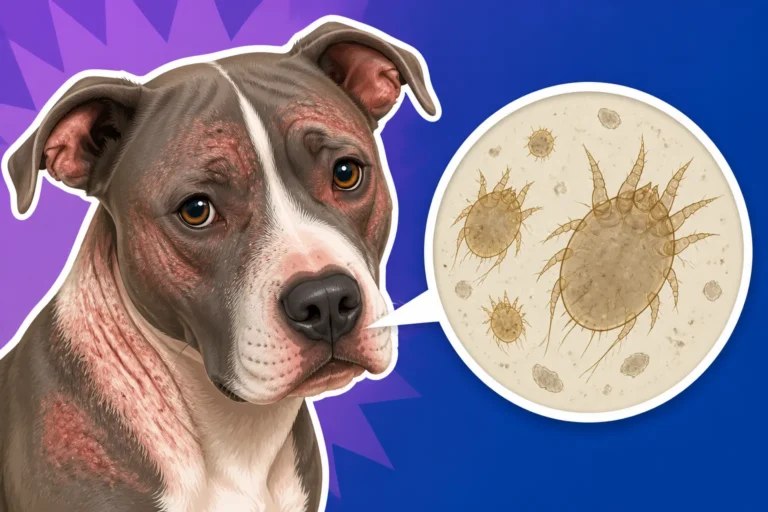
The first step is almost always to rule out parasites. This might involve flea combing, skin scrapings to check for mites like Demodex or Sarcoptes, and possibly even a trial treatment for fleas and mites, especially if there's any doubt. Mites, for instance, can cause intense itching that mimics allergies. Your vet might perform tape strips to look for yeast or bacteria on the skin surface or take a fungal culture to rule out ringworm. Only once parasites and infections have been thoroughly addressed and ruled out or controlled, and the itching persists, does atopy become the primary suspect. If you're struggling to tell Telling Demodex From an Allergy in a Pit Bull, your vet's expertise is invaluable.
Allergy Testing Options for Pit Bulls
Once other causes have been eliminated, and atopy is strongly suspected, allergy testing can be pursued to identify the specific environmental allergens your Pit Bull is reacting to. It’s important to understand that these tests confirm what your dog is allergic to, not if they are allergic – the latter is determined by the diagnostic process of exclusion.
There are two main types of allergy testing:
- Intradermal Skin Testing (IDAT): Considered the gold standard, this test involves shaving a small patch of fur on your dog's side and injecting tiny amounts of various common allergens just under the skin. The vet then observes for localized reactions (redness, swelling) that indicate sensitivity. This test is usually performed by a veterinary dermatologist and requires light sedation. The results are quite accurate and provide a clear picture of specific triggers.
- Serum Allergy Testing (Blood Tests): These tests measure antibodies (IgE) in the blood against a panel of environmental allergens. They are less invasive than skin testing, requiring only a blood sample, and can be performed by most general practitioners. While more accessible, their accuracy in predicting clinical response to immunotherapy can vary, and they may sometimes yield false positives or negatives.
The results from either test are crucial, as they guide the formulation of immunotherapy, a long-term treatment designed to desensitize your Pit Bull to the identified allergens. Without these tests, immunotherapy would be a shot in the dark, and your vet would have to rely on broad symptomatic relief.
Managing Seasonal Atopy in Pit Bulls
Living with a Pit Bull suffering from seasonal atopy means embracing a multi-faceted approach to management. There's no single cure, but by combining different strategies, you can significantly reduce their discomfort and improve their quality of life. This usually involves a partnership between you, your vet, and a commitment to ongoing care.
Environmental Management and Avoidance
One of the most immediate and impactful ways to help an atopic Pit Bull is by minimizing their exposure to the allergens that trigger their itching. This isn't always easy, especially with outdoor pollens, but every little bit helps. During peak pollen seasons, try to walk your Pit Bull during times when pollen counts are typically lower, such as early morning or late evening, and avoid heavily vegetated areas like tall fields.
After outdoor activities, establish a routine of wiping your Pit Bull's paws and belly with a damp cloth or hypoallergenic dog wipes to remove pollen and other irritants from their coat. Regular bathing, especially with medicated or soothing shampoos, can wash away allergens and provide immediate relief. Consider using an air purifier with a HEPA filter indoors to reduce airborne allergens like dust mites and pollens. Frequent vacuuming with a HEPA filter vacuum and washing your dog's bedding weekly in hot water can also make a big difference for those sensitive to indoor allergens. If you're wondering about specific bath routines, our guide on Medicated Baths for a Pit Bull With Atopy offers detailed advice, and for paw care, check out Wiping Pit Bull Paws After Grass.
Topical Treatments and Barrier Support
Beyond environmental controls, topical treatments play a vital role in soothing irritated skin and supporting the skin barrier, which is often compromised in atopic dogs. Regular bathing with appropriate shampoos can be a game-changer. Oatmeal-based shampoos offer soothing relief, while medicated shampoos containing ingredients like chlorhexidine or miconazole can help manage secondary bacterial or yeast infections that often accompany atopy. Always ensure you follow the contact time instructions on medicated shampoos for maximum effectiveness.
After bathing, using a good conditioner formulated for sensitive skin is important to rehydrate and protect the skin. Leave-on sprays, mousses, or wipes containing soothing ingredients like ceramides, essential fatty acids, or hydrocortisone can provide targeted relief for itchy spots between baths. These products not only reduce itching but also help repair and strengthen the skin's natural barrier, making it less permeable to allergens. Don't forget specialized paw balms to protect and heal cracked or irritated paw pads from constant licking.
Medications for Itch Relief
For many Pit Bulls with atopy, environmental management and topical treatments alone aren't enough to control the intense itching. This is where modern medications become invaluable, providing much-needed relief and allowing the skin to heal.
Two of the most common and effective medications for atopic dermatitis are:
- Apoquel (oclacitinib): This oral tablet works by specifically targeting the itch pathway, blocking certain cytokines that cause the sensation of itching and inflammation. It typically provides rapid relief, often within hours, and can be given long-term.
- Cytopoint (lokivetmab): This is an injectable medication that consists of a monoclonal antibody. It works by specifically neutralizing canine interleukin-31 (cIL-31), a key cytokine involved in sending itch signals from the skin to the brain. A single injection can provide 4-8 weeks of itch relief, making it a great option for seasonal allergies or owners who prefer injections over daily pills.
Corticosteroids, such as prednisone, are also highly effective at reducing inflammation and itching, especially during acute, severe flares. However, due to potential long-term side effects like increased thirst, urination, appetite, and risks to organ health, they are typically used sparingly or at the lowest effective dose for short periods. Antihistamines, like diphenhydramine or cetirizine, are generally less effective for atopic itching in dogs compared to humans, but some dogs may find mild relief. Your vet may also prescribe antibiotics or antifungals to clear up any secondary infections that are exacerbating the itch. For a deeper dive into these options, our guide on Apoquel and Cytopoint for an Itchy Pit Bull provides more detailed information. It's worth noting that managing these ongoing medication costs can add up, and services like Healthy Paws can be a significant help in covering these recurring expenses.
Allergy Immunotherapy (Allergy Shots/Drops)
If allergy testing identifies specific allergens, immunotherapy offers the most disease-modifying approach to managing atopy. Instead of just treating the symptoms, immunotherapy aims to retrain your Pit Bull's immune system to stop overreacting to the allergens.
This treatment involves administering small, increasing doses of the specific allergens your Pit Bull is sensitive to, either through injections (allergy shots) or oral drops placed under the tongue. The goal is to gradually desensitize the immune system, teaching it to tolerate these allergens rather than attacking them. It's a long-term commitment, often requiring daily drops or regular injections for many months or even years, but the payoff can be significant. Many dogs experience a substantial reduction in itching, leading to decreased reliance on symptomatic medications like Apoquel or Cytopoint. While it doesn't work for every dog, for those it does help, it can dramatically improve their quality of life. The initial investment in testing and ongoing treatment can be substantial, so understanding What Allergy Shots Cost a Pit Bull Owner is important for budgeting. Pet insurance providers like Healthy Paws can be an invaluable partner in managing the long-term costs associated with allergy testing and ongoing immunotherapy, making this effective treatment more accessible.
Dietary Considerations and Supplements
While environmental allergies are distinct from food allergies, diet plays a crucial supporting role in managing your Pit Bull’s overall skin health. A strong, healthy skin barrier is your dog’s first line of defense, and what they eat can significantly impact that barrier. It's not a direct cure for atopy, but good nutrition can certainly make the fight against seasonal itching much easier.
The Role of Diet in Skin Health
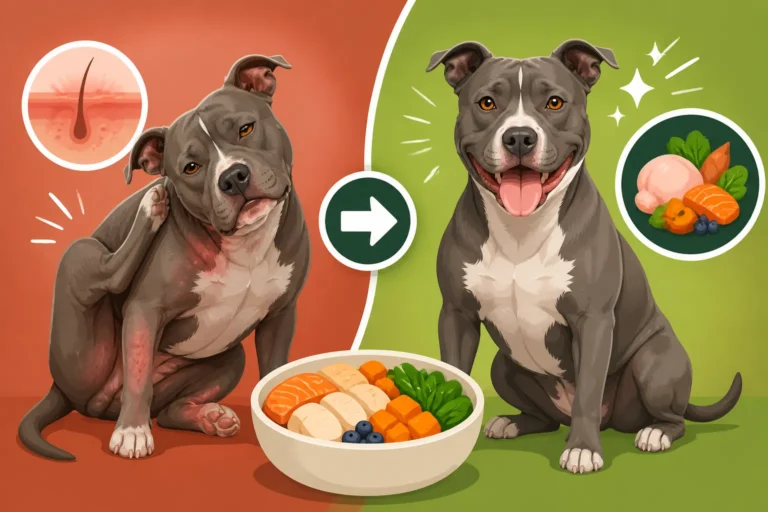
It’s vital to understand that environmental atopy and food allergies are different conditions. While a Pit Bull can certainly have both, treating environmental atopy with a simple diet change won't work if food isn't the primary trigger. However, a high-quality, balanced diet is fundamental for overall health, including skin health. A diet rich in essential nutrients supports a robust immune system and a healthy skin barrier.
One of the most impactful dietary additions for skin health is omega-3 fatty acids, particularly EPA and DHA found in fish oil. These powerful anti-inflammatory agents can help reduce the overall inflammatory response in the body, including in the skin. Supplementing with omega-3s can improve coat quality, reduce dryness, and make the skin less reactive. When choosing a dog food, look for high-quality protein sources and limited artificial ingredients, which can sometimes exacerbate sensitivities. Our article on Omega Oils for Pit Bull Skin and Coat offers more insights into beneficial supplements. If you suspect Food Allergies Behind Pit Bull Itching, a veterinarian-supervised food elimination trial would be necessary to diagnose and manage that specific issue.
Supplements for Skin Barrier Support
Beyond omega-3s, several other supplements can contribute to a stronger skin barrier and a more resilient immune system in Pit Bulls prone to atopy. These often work synergistically with diet and medication to provide comprehensive support.
- Probiotics: A healthy gut microbiome is increasingly linked to overall immune function and skin health. Probiotics can help balance gut flora, potentially reducing systemic inflammation.
- B Vitamins (especially Biotin): These vitamins are essential for healthy skin and coat. Biotin, in particular, plays a role in maintaining skin integrity and strength.
- Zinc: An essential trace mineral, zinc is crucial for immune function, wound healing, and maintaining a healthy skin barrier. Deficiencies can lead to skin problems.
While these supplements can be beneficial, it’s always best to discuss them with your veterinarian before adding them to your Pit Bull's regimen. They can advise on appropriate dosages and ensure there are no contraindications with other medications or existing health conditions. Be wary of "miracle cures" and focus on evidence-backed supplements as part of a holistic approach. Pet insurance providers like Healthy Paws can often help cover the costs of veterinary consultations regarding appropriate nutritional strategies and supplements, ensuring you're getting expert advice for your Pit Bull's unique needs.
Living with a Pit Bull with Seasonal Atopy
Bringing a Pit Bull with seasonal atopy into your life means accepting a commitment to ongoing care, but it also means forging an even stronger bond as you work together to manage their condition. It can be emotionally and financially challenging, but seeing your dog comfortable and happy makes every effort worthwhile.
Creating a Consistent Management Routine
Consistency is truly the unsung hero when it comes to managing atopy in Pit Bulls. Because it's a chronic condition, there's no quick fix; it's about establishing and maintaining a routine that addresses all aspects of their care. This means diligent adherence to medication schedules, whether it's daily pills like Apoquel or regular Cytopoint injections. It also involves sticking to a consistent bathing schedule with appropriate shampoos and conditioners, even when your Pit Bull seems to be doing well, as these maintenance baths help keep allergens at bay and the skin barrier intact.
Proactive measures during known "allergy seasons" are also key. If you know tree pollen is going to spike in spring, start those preventative baths and paw wipes before the itching begins. Keeping a detailed symptom diary can be incredibly helpful – noting when flare-ups occur, what you've been doing differently, and how well treatments are working can provide invaluable data for your vet and help you fine-tune your approach over time. Regular vet check-ups, even when things are going smoothly, are important to monitor their progress, address any emerging issues, and adjust their treatment plan as needed.
The Emotional and Financial Toll on Owners
Let’s be honest: living with a chronically itchy Pit Bull can be incredibly tough, both emotionally and financially. It's heartbreaking to see your dog constantly uncomfortable, sometimes drawing blood from scratching, or developing secondary infections that require more aggressive treatment. The constant worry, the interrupted sleep from their nighttime scratching, and the sheer effort involved in medicating, bathing, and cleaning can be utterly exhausting. Many owners feel a deep sense of frustration, guilt, or helplessness, wondering if they're doing enough or if their beloved companion will ever truly be itch-free.
Beyond the emotional strain, the financial burden of managing atopy is substantial and often underestimated. The cost of special diets, medicated shampoos, veterinary consultations, diagnostic tests, medications like Apoquel or Cytopoint, and potentially long-term immunotherapy can quickly add up. A single year of managing allergies can easily run into thousands of dollars, making consistent, quality care a significant challenge for many families. This is why planning and budgeting are so important. Our guide on What a Pit Bull Costs a Year With Allergies can give you a clear picture of what to expect, and learning about Saving Ahead of a Pit Bull Allergy Year can help you prepare. This is where pet insurance, like a comprehensive plan from Healthy Paws, truly becomes an indispensable resource. By covering a significant percentage of eligible vet bills for chronic conditions, pet insurance can alleviate much of the financial stress, allowing you to focus on getting your Pit Bull the best possible care without constant worry about the cost. It makes consistent management more accessible and sustainable for the long haul.
| Treatment Type | Mechanism of Action | Typical Onset of Relief | Common Side Effects | Pros | Cons |
|---|---|---|---|---|---|
| Apoquel | Oral JAK inhibitor, blocks itch signaling pathways | Hours to days | Vomiting, diarrhea, lethargy (usually mild/transient) | Rapid relief, well-tolerated long-term, specific to itch | Daily administration, can be expensive, may not fully control severe inflammation |
| Cytopoint | Injectable monoclonal antibody, neutralizes IL-31 (itch cytokine) | Within 1 day | Mild injection site reactions, lethargy (rare) | Long-lasting (4-8 weeks), few systemic side effects, good for seasonal/intermittent itch | Does not treat inflammation directly, requires vet visit for injection, can be expensive |
| Corticosteroids | Systemic anti-inflammatory and immunosuppressant | Hours | Increased thirst/urination/appetite, panting, weight gain, long-term risks | Highly effective for severe flares, inexpensive in generic form | Significant short-term side effects, serious long-term health risks with chronic use |
| Antihistamines | Blocks histamine receptors | Hours (if effective) | Drowsiness, dry mouth | Over-the-counter, inexpensive, generally safe for mild cases | Limited effectiveness in most atopic dogs, may only provide mild relief |
| Immunotherapy | Desensitizes immune system to specific allergens | 6-12 months | Occasional mild flare-ups | Only treatment that targets the underlying cause, can reduce/eliminate need for other meds | Long-term commitment, slow onset, not effective for all dogs, initial testing can be costly |
| Medicated Shampoos | Removes allergens, soothes skin, treats secondary infections | Immediate | Skin dryness (if not followed by conditioner) | Provides immediate topical relief, treats secondary infections | Temporary relief, requires consistent bathing routine, not a standalone solution for severe cases |
Disclaimer
The information provided in this article is for educational purposes only and is not intended to be a substitute for professional veterinary advice, diagnosis, or treatment. Always seek the advice of your veterinarian or other qualified animal health provider with any questions you may have regarding a medical condition.