Yeast Infections in Pit Bull Skin Folds
It's incredibly frustrating when you notice your beloved Pit Bull constantly licking, scratching, or rubbing at themselves, especially when that tell-tale yeasty odor starts to creep in. Skin fold yeast infections are a common, uncomfortable issue for many Pit Bull owners, often making daily life a misery for both dog and human. This guide is here to help you understand why these infections happen in Pit Bulls, how to recognize the signs, and, most importantly, how to tackle them effectively to bring your furry friend much-needed relief.
Understanding Yeast Infections in Pit Bull Skin Folds
Pit Bulls, with their strong, muscular builds and sometimes distinctive facial features, are unfortunately prone to certain skin conditions, and yeast infections in their skin folds are high on that list. It’s not a reflection of poor care, but often a result of their unique anatomy and how their skin works.
Why Pit Bulls Are Prone to Skin Folds and Moisture Trapping
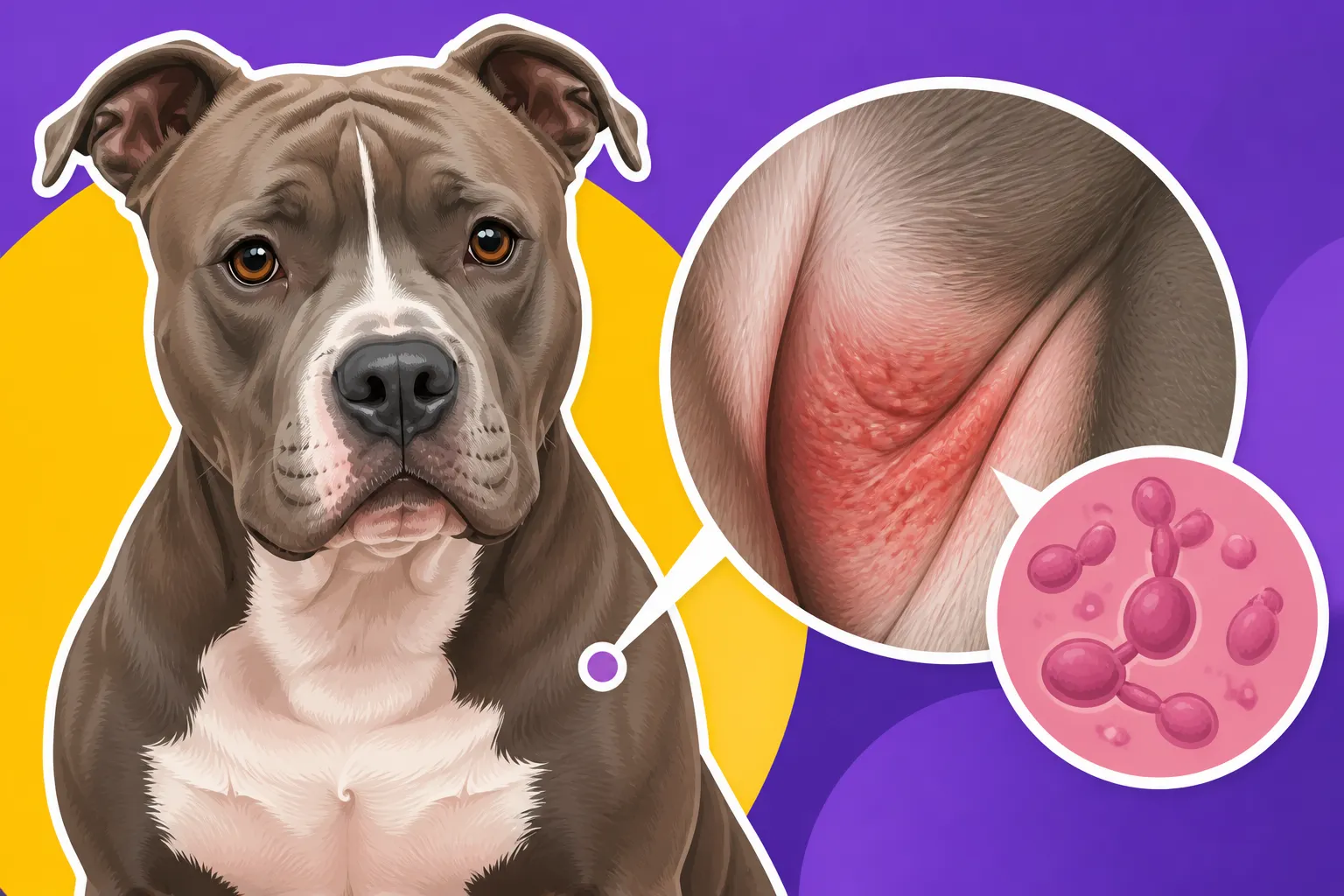
Think about your Pit Bull's build for a moment. Many have those wonderful, expressive faces that can create delightful wrinkles around their muzzles and lips. Then there are those broad, powerful chests and often thicker necks. These characteristics, while defining their handsome appearance, can also create natural "pockets" where skin presses against skin. These areas—around the mouth, under the chin, in the armpits, the groin, and even sometimes a "tail pocket" if they have a tightly coiled tail—are prime real estate for yeast to set up shop.
What makes these folds so appealing to yeast? It's simple: warmth, moisture, and a lack of air circulation. Imagine a sweaty armpit on a humid day; it's the perfect breeding ground for anything that loves damp, dark conditions. The same goes for your Pit Bull. When moisture gets trapped in these folds from sweat, drool, humidity, or even incomplete drying after a bath, it creates a microclimate where yeast can flourish. The constant friction in these areas also irritates the skin, making it easier for opportunistic microorganisms like yeast to take hold.
Recognizing the Red Flags: Signs and Symptoms
Spotting a yeast infection early can make a world of difference in your Pit Bull’s comfort and the ease of treatment. The signs can be subtle at first, but they quickly become impossible to ignore.
Visually, you might start to see redness and inflammation within the skin folds. The skin might look irritated, raw, or even a bit shiny. As the infection progresses, you could notice dark patches forming, a condition known as hyperpigmentation. This darkening of the skin is a classic sign of chronic irritation and inflammation. You might also observe some hair loss in the affected areas, and the skin itself can become greasy or oily to the touch. In really bad cases, the skin can even thicken and develop a leathery texture, often accompanied by crusting or small pustules.
Then there’s the smell. Oh, that smell. Many Pit Bull owners know it all too well. It’s often described as a distinct, musty, sweet, or even "cheesy" odor that seems to cling to your dog, no matter how much you try to clean them. This is the unmistakable scent of yeast overgrowth. It's not just an unpleasant smell; it's a huge clue that something isn't right on your dog's skin. You might find yourself searching for its source, only to realize it's emanating from those warm, hidden folds.
Behaviorally, your Pit Bull will likely tell you they’re uncomfortable. You’ll see increased itching, rubbing their face on the carpet, constantly licking their paws (which can also suffer from yeast in between the toes), or scratching at their armpits and groin. They might seem generally restless or irritable, unable to settle down due to the persistent itch. This incessant scratching and licking only makes the problem worse, further damaging the skin barrier and giving the yeast an even stronger foothold. If you notice your Pit Bull constantly engaging in these behaviors, especially around skin folds, it's time to take a closer look and likely a trip to the vet. This type of chronic irritation can lead to a lot of discomfort, and understanding Why Pit Bull Skin Allergies Start on the Feet often sheds light on the broader issue of skin health.
The Root Causes Behind the Yeasty Beasties
It's easy to blame the yeast itself, but like many skin issues, a yeast infection is rarely the primary problem. It’s usually a secondary opportunist, thriving because something else has compromised your Pit Bull’s skin defenses. Pinpointing and addressing that underlying cause is key to truly solving the problem.
Underlying Allergies: The Primary Driver
For many Pit Bulls, the most common reason they develop recurring yeast infections in their skin folds is an underlying allergy. Whether it’s environmental allergies (atopy) or food allergies, these conditions trigger an inflammatory response in your dog’s skin. This inflammation compromises the skin barrier, making it less effective at fending off normal skin inhabitants like yeast.
When your Pit Bull is allergic to pollen, dust mites, or certain ingredients in their food, their body reacts by causing their skin to become itchy and inflamed. This constant itching and scratching, which can manifest as Pit Bull Paw Licking and Chewing or intense facial rubbing, further damages the skin's surface. These tiny abrasions and areas of chronic irritation create the perfect warm, moist, and nutrient-rich environment for yeast to multiply out of control. So, while you're treating the yeast, it's crucial to remember that the yeast itself isn't the root of the problem; it's merely a symptom of a deeper immunological issue. Without addressing the allergy, the yeast will likely return again and again. For a deeper dive, understanding Pit Bull Skin Allergies and the Atopy Pattern can be incredibly insightful.
Moisture, Heat, and Lack of Airflow
Beyond allergies, the physical environment within your Pit Bull's skin folds plays a huge role. Yeast thrives in warm, moist conditions, and those deep, shadowed folds are a perfect habitat. Think about what happens when your dog gets wet – maybe after a bath, a swim in the lake, or even just a particularly dewy morning walk. If those skin folds aren’t thoroughly dried, moisture gets trapped.
Combine that trapped moisture with body heat and the lack of air circulation that comes from skin pressing against skin, and you’ve created a veritable greenhouse for Malassezia pachydermatis, the common culprit behind these yeast infections. Humidity in the air can also contribute, making it harder for the skin to stay dry. It’s a vicious cycle: the yeast proliferates, causing more irritation, which can lead to more moisture from exudates, further fueling the infection. This is particularly relevant for issues like Pit Bull Skin Fold and Belly Irritation, where moisture can accumulate.
Other Contributing Factors
While allergies and moisture are the big players, other factors can also make your Pit Bull more susceptible to yeast infections. A weakened immune system, perhaps due to illness or stress, can leave them less equipped to fight off opportunistic organisms. Hormonal imbalances, such as hypothyroidism (an underactive thyroid), can affect skin health and make infections more likely. Dogs who are overweight or obese tend to have deeper and more numerous skin folds, exacerbating the moisture and friction issues. Even certain medications, like long courses of antibiotics, can sometimes disrupt the natural balance of microorganisms on the skin, allowing yeast to take over. It’s a complex interplay of factors, and sometimes it takes a bit of detective work with your veterinarian to uncover all the pieces of the puzzle.
Diagnosing and Treating Yeast Infections in Pit Bulls
When you suspect a yeast infection, the first and most important step is to get your veterinarian involved. While the symptoms can seem obvious to an experienced owner, other conditions mimic yeast infections, and a precise diagnosis ensures effective treatment.
Getting an Accurate Diagnosis from Your Vet
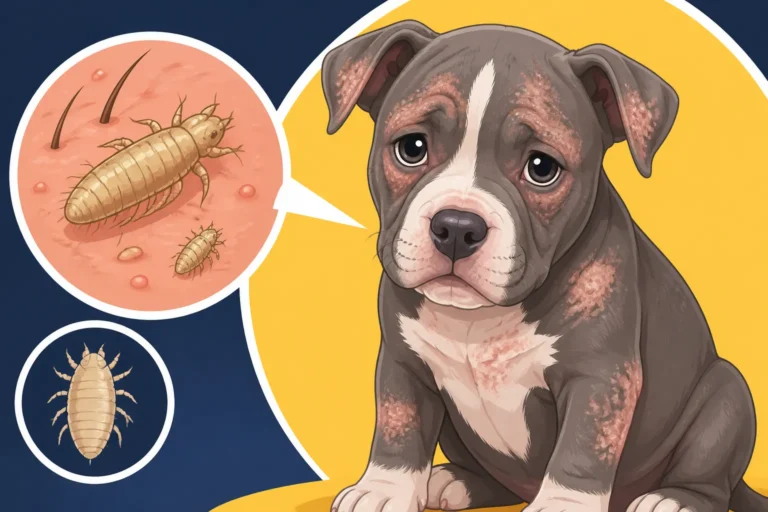
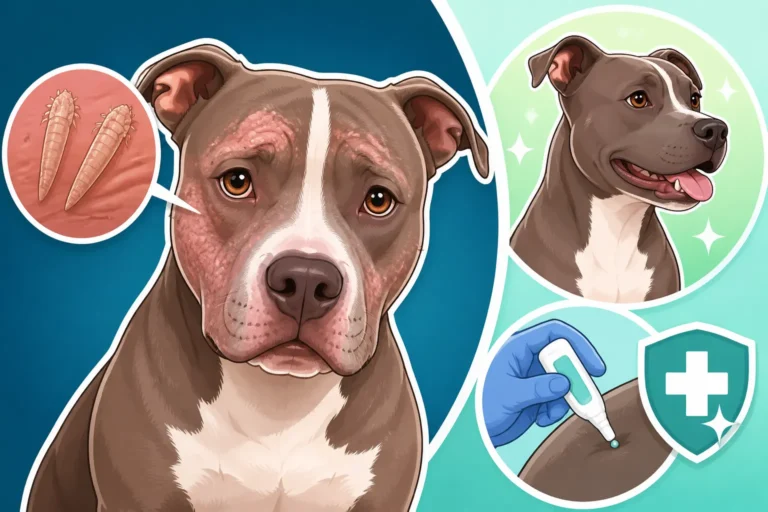
Your vet will start with a thorough physical examination, paying close attention to all the skin folds, paws, ears, and any other areas where your Pit Bull is showing signs of irritation. They’ll likely take samples from the affected skin using a few different methods. A "tape strip" involves pressing a piece of clear adhesive tape onto the skin and then staining and examining it under a microscope to look for yeast organisms. An "impression smear" might be done by pressing a glass slide directly onto the inflamed skin. Sometimes, a skin scraping is also performed, especially if mites (like those causing Demodex mange) are a possibility, as these can present with similar itching and skin irritation.
It’s crucial not to self-diagnose based purely on the smell or visual signs. Other conditions, like bacterial pyoderma or even certain auto-immune diseases, can look and feel similar. An accurate diagnosis by your vet ensures your Pit Bull receives the correct medication and avoids unnecessary or ineffective treatments. This is where pet insurance providers like Healthy Paws can be a real asset, as they often help cover the diagnostic tests needed to get to the bottom of these frustrating skin issues.
Topical Treatments and Medicated Shampoos
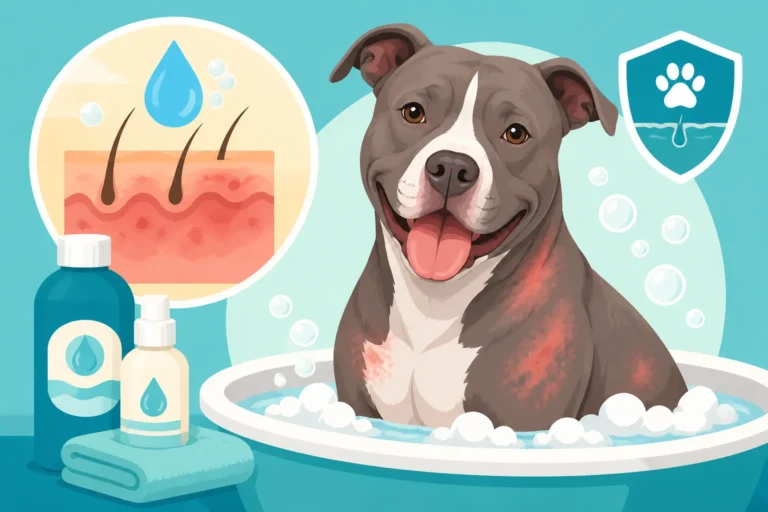
For many yeast infections, especially those caught early or localized to specific skin folds, topical treatments are the first line of defense. Medicated shampoos containing ingredients like miconazole, chlorhexidine, or a combination of both, are incredibly effective. The key with these shampoos isn't just to wash your dog, but to ensure the medicated suds have adequate "contact time" on the skin—usually 10-15 minutes—before rinsing thoroughly. This allows the active ingredients to penetrate the skin and kill the yeast. Your vet will advise you on how often to bathe, which might be two or three times a week initially, then tapering off as the infection improves. Knowing how to give Medicated Baths for a Pit Bull With Atopy can make a big difference in the efficacy of this treatment.
Beyond shampoos, medicated wipes or sprays are fantastic for daily management of skin folds or for use between baths. Brands like Douxo S3 Pyo, Malaseb, or even some generic chlorhexidine/miconazole wipes can be used to clean and treat specific areas like lip folds, under the chin, or in armpits. For particularly stubborn or raw spots, your vet might prescribe a topical cream or ointment that contains antifungal agents, sometimes combined with a low-dose steroid to reduce inflammation and itch.
Systemic Medications for Stubborn Cases
When topical treatments aren't enough, or if the yeast infection is widespread and severe, your veterinarian might prescribe oral antifungal medications. These are systemic treatments, meaning they work throughout your Pit Bull’s body. Common medications include ketoconazole, fluconazole, or itraconazole. These medications are highly effective at clearing up yeast infections, but they typically need to be given for several weeks, and your vet will monitor your dog for any potential side effects.
It’s vital to understand that while these oral medications clear the yeast, they don’t address the underlying cause. If the infection is secondary to an allergy, the yeast will likely return once the antifungal medication is stopped unless the allergy itself is managed. This is where the long-term strategy comes into play, making sure you're not just fighting the symptoms.
Addressing the Underlying Allergy
This is arguably the most critical part of managing recurrent yeast infections. If allergies are driving the problem, simply treating the yeast will only offer temporary relief. Your vet will work with you to identify and manage the underlying allergy.
For environmental allergies, options range from daily medications like Apoquel or Cytopoint, which target the itch and inflammation, to more long-term solutions like allergen-specific immunotherapy (allergy shots), which aim to desensitize your Pit Bull to their specific triggers. If food allergies are suspected, your vet will likely recommend a strict novel protein or hydrolyzed protein food trial, which often involves feeding a specialized diet for at least eight weeks to see if symptoms resolve. This can be a challenging process, as explained in An Eight Week Food Trial on an Itchy Pit Bull, but it's essential for pinpointing dietary triggers. Managing these allergies not only makes your Pit Bull more comfortable but also dramatically reduces the likelihood of recurring yeast infections, saving you stress and veterinary bills in the long run. Many comprehensive pet insurance plans, like those from Healthy Paws, can significantly ease the financial burden of managing chronic conditions like allergies and the secondary infections they cause.
Long-Term Management and Prevention
Successfully treating a yeast infection is a huge win, but the real challenge often lies in preventing its return. For Pit Bulls prone to these issues, a consistent, proactive approach to skin care is absolutely essential.
Consistent Skin Fold Hygiene
This is your first line of defense against recurring yeast infections. For Pit Bulls with prominent skin folds, daily or every-other-day cleaning and drying of these areas can make a world of difference. Use soft cotton pads or gauze squares moistened with a gentle, vet-approved antiseptic wipe or cleaning solution (often containing chlorhexidine, which has both antibacterial and antifungal properties). Carefully wipe inside all folds – lips, under the chin, neck, armpits, and groin – removing any debris, saliva, or moisture.
The most critical step is ensuring these folds are completely dry afterward. You can gently pat them dry with a clean cloth or even use a hairdryer on a cool, low setting, keeping it moving to avoid overheating the skin. After baths, make sure you don't just towel dry the body, but actively and meticulously dry all skin folds. For dogs who love to swim or get wet outdoors, this post-wetness drying routine is non-negotiable. Consistent hygiene, much like regular dental care for Pit Bull Dental Disease and Hard Chewing, is vital for overall health.
Environmental and Dietary Management
Since underlying allergies are a major culprit, managing your Pit Bull's environment and diet is paramount. If environmental allergens like pollen or dust mites are triggers, you can take several steps. Wiping down your Pit Bull’s paws and belly with a damp cloth after outdoor walks can remove allergens before they can irritate the skin further. Using air purifiers indoors, frequent vacuuming (with a HEPA filter), and washing bedding regularly can also reduce allergen exposure.
From a dietary perspective, if a food allergy has been identified, maintaining a strict novel protein or hydrolyzed protein diet is essential. Even if a food allergy hasn't been confirmed, feeding a high-quality, balanced diet that supports skin health can be beneficial. Supplements like Omega-3 fatty acids (found in fish oil) are excellent for improving the skin barrier function, reducing inflammation, and promoting a healthier coat, making the skin less hospitable to yeast. You can learn more about suitable options in Omega Oils for Pit Bull Skin and Coat. Always discuss supplements with your vet to ensure they are appropriate for your specific Pit Bull.
Regular Vet Check-ups and Monitoring
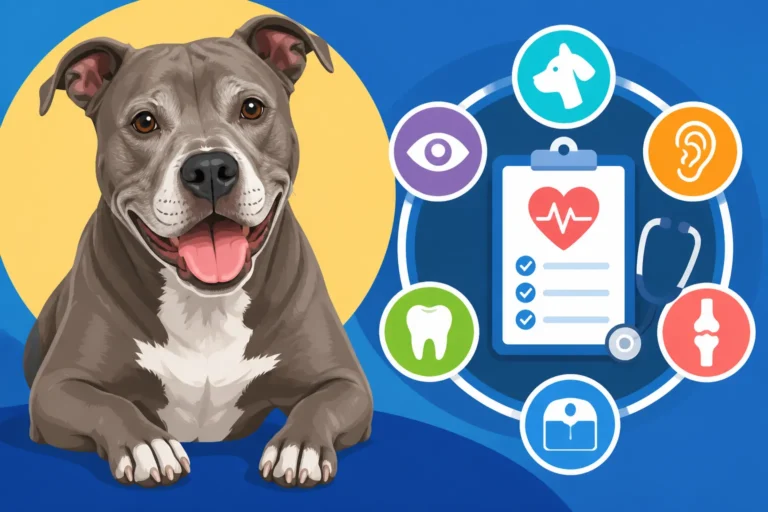
Even when things seem to be going well, regular veterinary check-ups are crucial for Pit Bulls prone to skin issues. Your vet can spot early signs of irritation or infection that you might miss, allowing for intervention before the problem escalates. These check-ups also provide an opportunity to discuss any new symptoms, adjust allergy management plans, or fine-tune hygiene routines. For example, if your Pit Bull is also dealing with Pit Bull Ear Infections and What Drives Them, these check-ups can help link seemingly separate issues.
Monitoring your Pit Bull at home is also key. Make it a habit to routinely check their skin folds, especially after they’ve been outside or gotten wet. Look for any redness, dampness, or that tell-tale yeast odor. Early detection means you can often intervene with topical wipes or a medicated bath before a full-blown infection takes hold, saving your Pit Bull from significant discomfort and you from more intensive treatment costs. Staying on top of routine care is an ongoing commitment, but it’s the best way to keep your Pit Bull comfortable and yeast-free.
| Symptom Category | Yeast Infection Signs | Common Locations | Treatment Focus |
|---|---|---|---|
| Visual | Redness, greasy skin, dark patches (hyperpigmentation), hair loss, thickening/leathery skin, small pustules. | Lip folds, neck folds, armpits, groin, paw pads (between toes), tail pocket. | Topical antifungals (shampoos, wipes, creams), oral antifungals for severe cases. |
| Olfactory | Distinctive musty, sweet, "cheesy" odor. | General body odor, concentrated in folds. | Medicated bathing, addressing underlying moisture/allergies. |
| Behavioral | Excessive licking, chewing, scratching, rubbing on surfaces, restlessness, discomfort. | Paws, face, armpits, groin, tail area. | Anti-itch medications (e.g., Apoquel, Cytopoint) for underlying allergy, direct treatment of infection. |
| Underlying Cause | Often secondary to allergies (environmental or food), exacerbated by moisture and friction. | Throughout the body, but manifest in skin folds. | Allergy management (diet trials, immunotherapy, medications), consistent hygiene. |
Disclaimer
The information provided in this article is for educational purposes only and is not a substitute for professional veterinary advice. Always consult with a qualified veterinarian for any health concerns or before making any decisions about your Pit Bull's health care plan.