Whether Pit Bulls Bark Less Than Other Breeds
Pit Bull vocalization habits and barking tendencies explained, including common triggers like alert, attention, and frustration.
Work with the temperament you have.
House-training and crate work, recall, leash manners, separation anxiety, and the behaviors this breed is wired for.
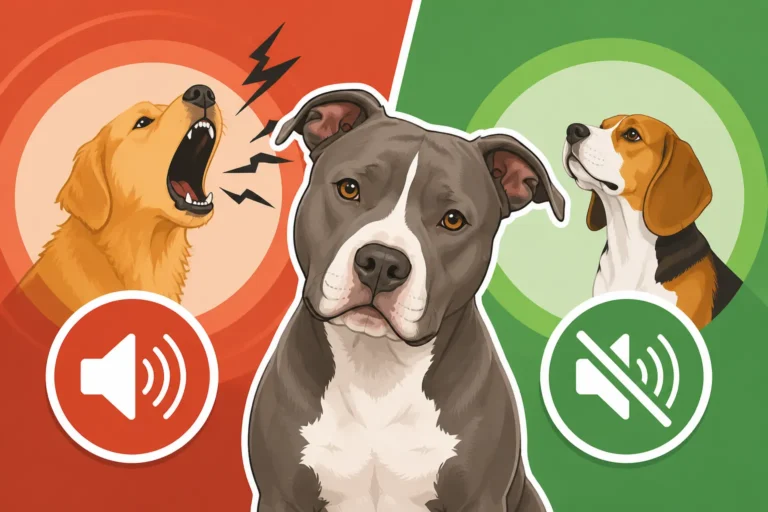
Pit Bull vocalization habits and barking tendencies explained, including common triggers like alert, attention, and frustration.
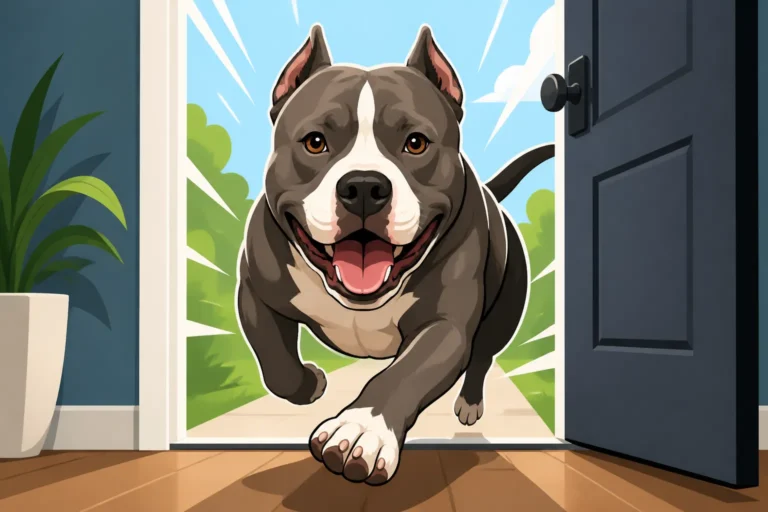
Pit Bull door rushing behaviors, instinctual triggers, and step-by-step training strategies to teach calm, controlled manners.

Pit Bull separation anxiety causes intense distress, but routine changes and practical strategies help dogs feel secure.
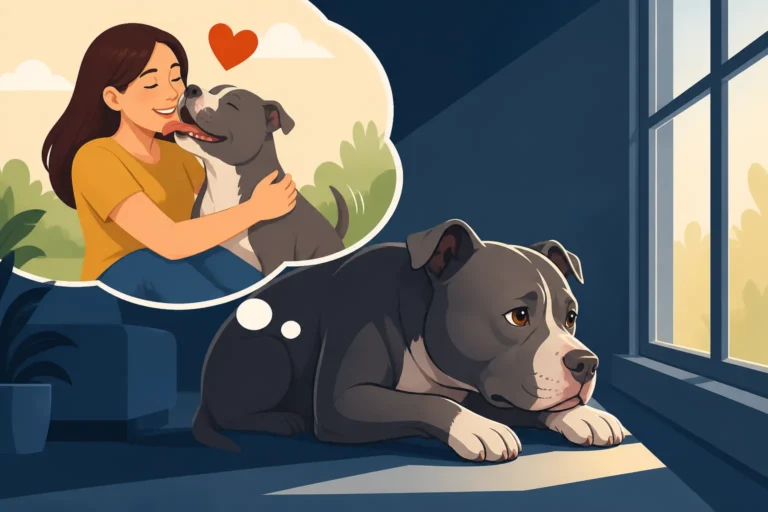
Pit Bull alone time limits depend on age, health, and training history, explaining how long these dogs handle solitude safely.
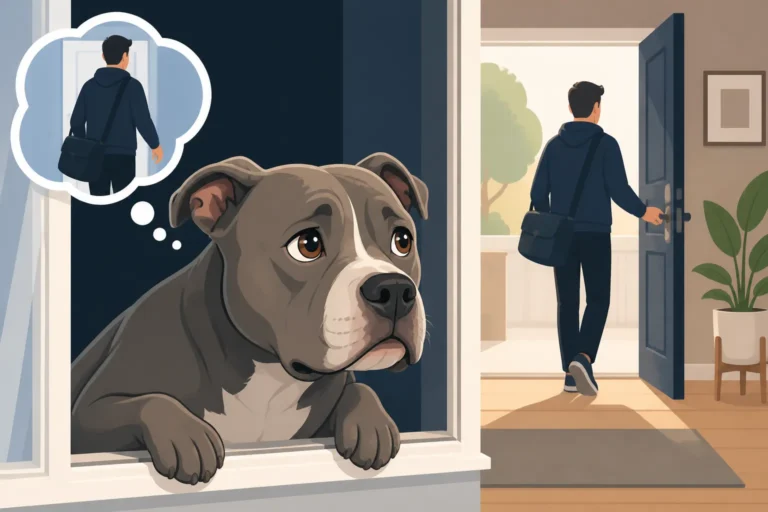
Preparing a rescue Pit Bull for solo time minimizes distress and builds confidence to prevent destructive chewing during your absence.
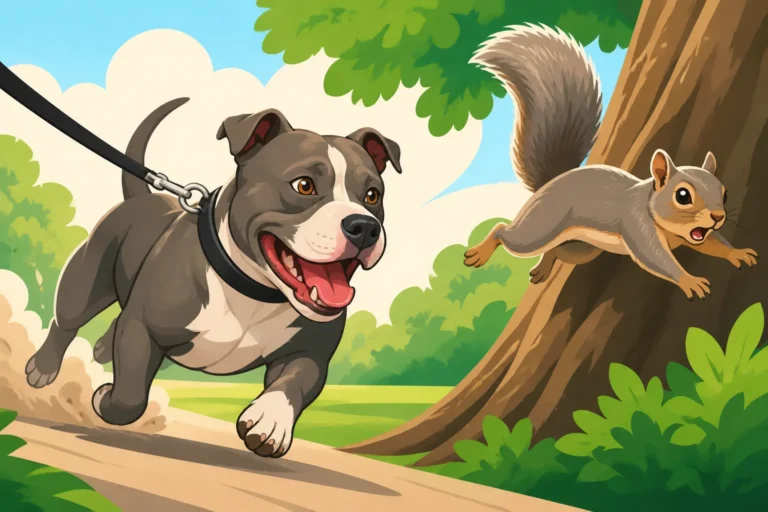
Pit Bull prey drive causes sudden squirrel chases on walks due to natural instincts requiring careful management and training.

Pit Bull prey drive toward poultry and small livestock explained, with body language signs and management training strategies.

Pit Bull and cat cohabitation requires managing innate prey drive, discarding nanny dog myths, and creating safe home environments.
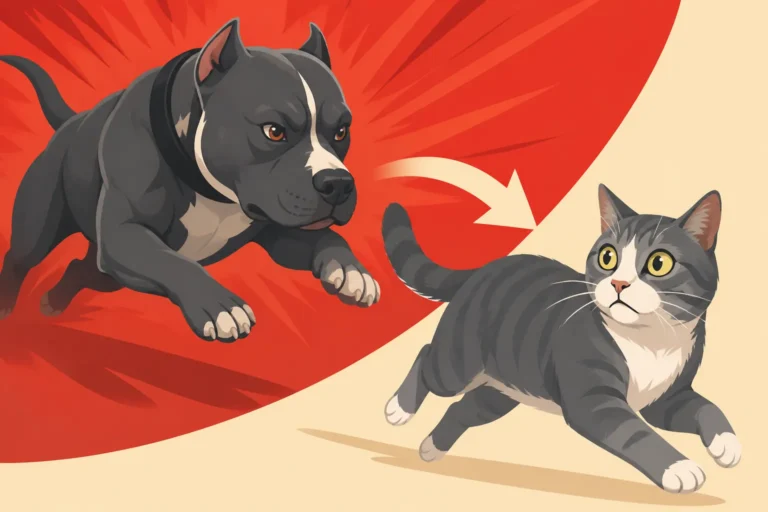
Pit Bull prey drive involves hunting behaviors like orienting, stalking, and chasing cats, which requires careful management.
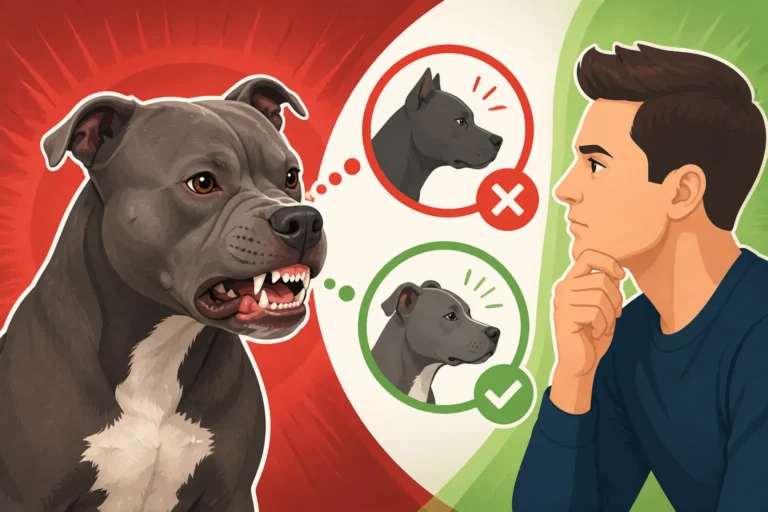
Pit Bull growling serves as a communication tool signaling fear or discomfort rather than immediate aggression or danger.