Handling a Pit Bull in Public Without Incident
Handling a Pit Bull in public safely requires higher training standards to counter unfair bias and negative stereotypes.
Work with the temperament you have.
House-training and crate work, recall, leash manners, separation anxiety, and the behaviors this breed is wired for.
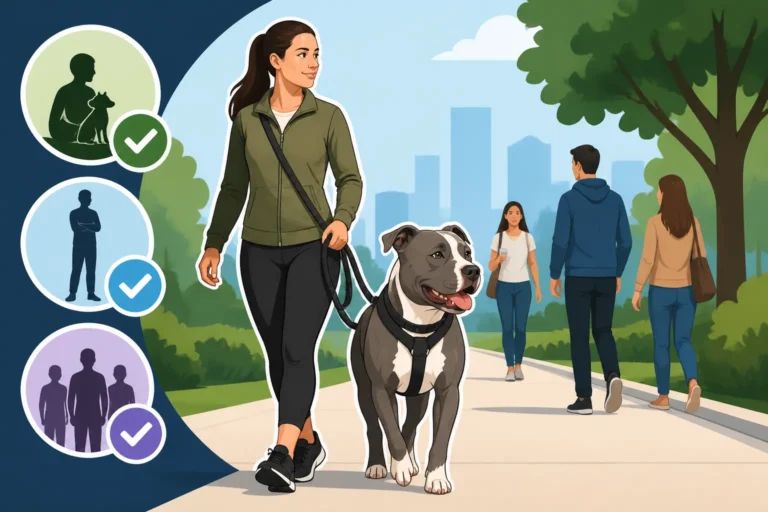
Handling a Pit Bull in public safely requires higher training standards to counter unfair bias and negative stereotypes.
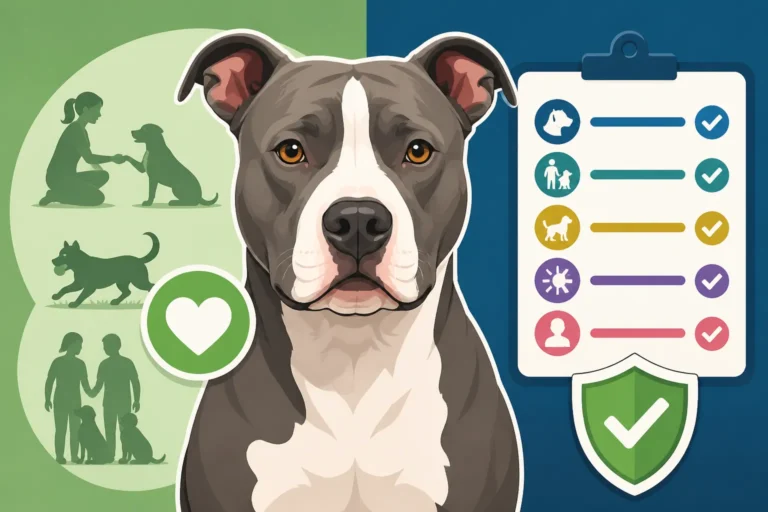
Pit Bull temperament and American Temperament Test Society data explain aggression stereotypes, dog selectivity, and breed myths.
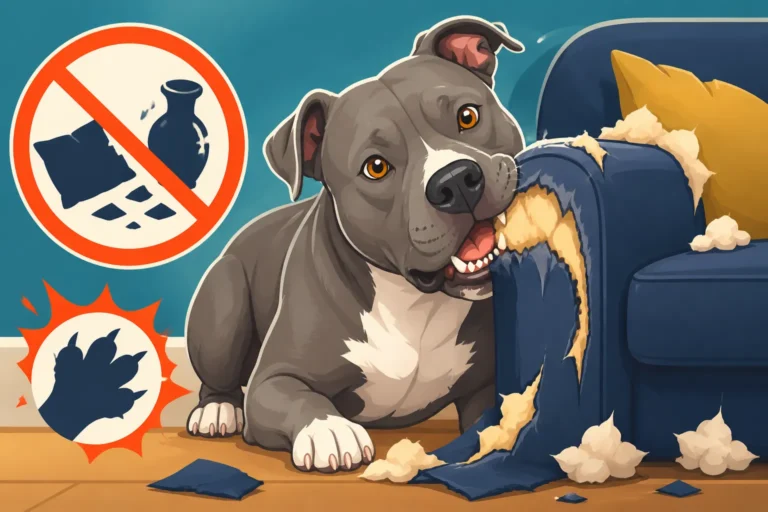
Pit Bull chewing behavior and root causes like boredom, exploration, and anxiety, plus management steps to protect household items.
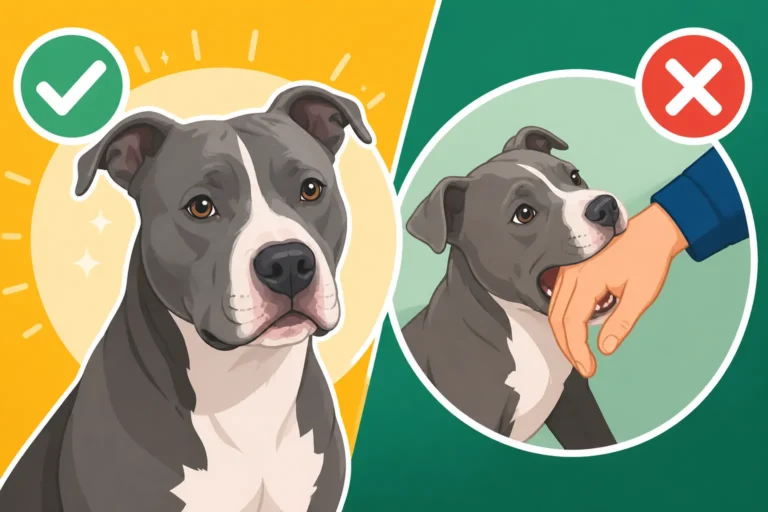
Pit Bull bite inhibition training teaches powerful puppies to control jaw pressure and develop a soft mouth for home safety.
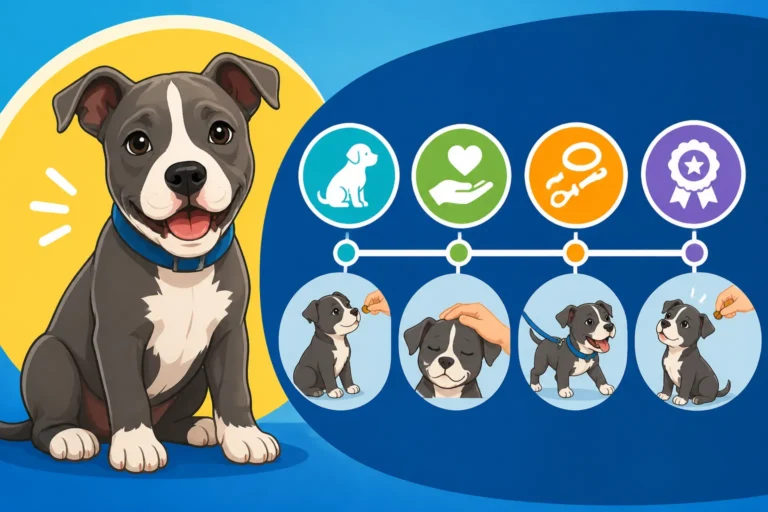
Pit Bull puppy training schedules and socialization methods explain what to teach pets from eight through sixteen weeks old.
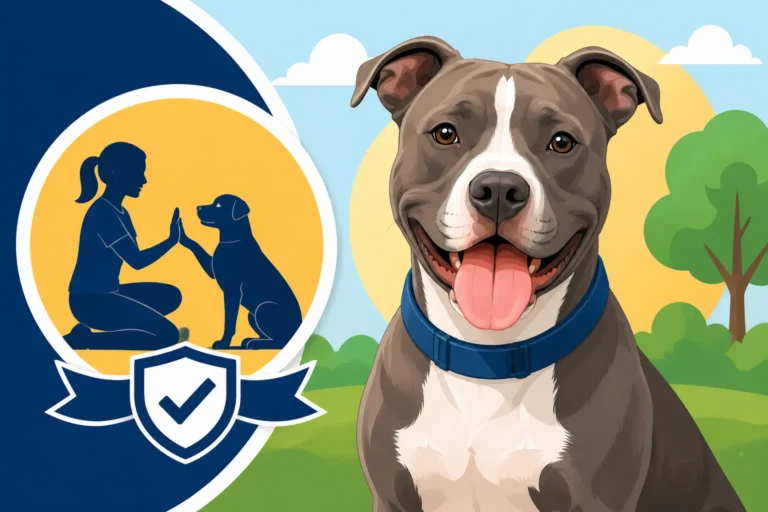
Canine Good Citizen certification helps Pit Bull owners demonstrate ten basic public manners and challenge negative stereotypes.
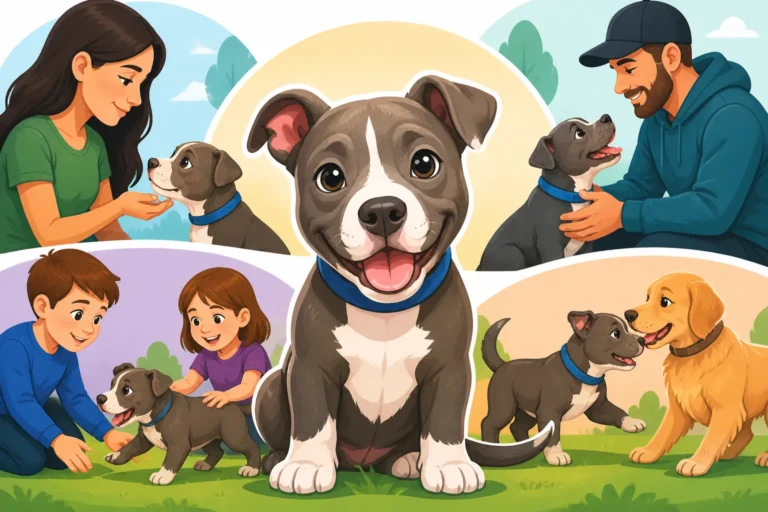
Socializing a Pit Bull puppy requires understanding breed temperament, history, genetics, and managing public perceptions safely.

Pit Bull dog selectivity means pets tolerate only specific familiar canines, requiring careful multi-dog home management.
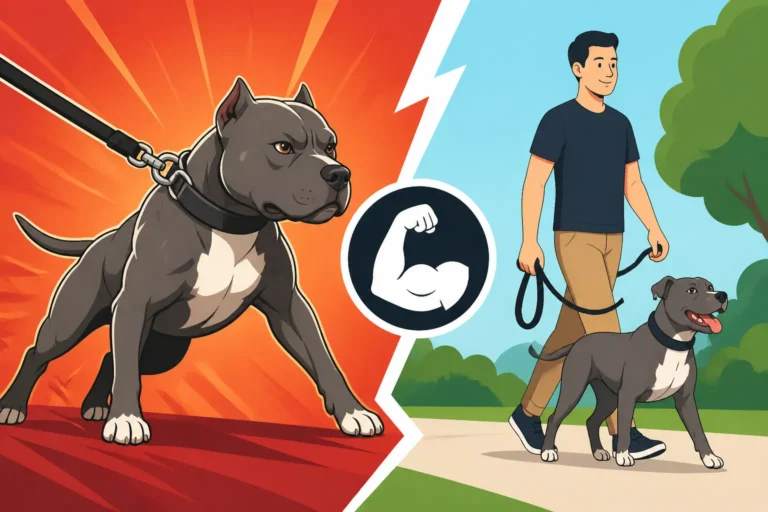
Pit Bull leash manners and physical strength management methods help handlers control powerful dogs during daily walks and reduce pulling.

Pit Bull training methods address public perception, physical strength, and natural drive to ensure reliable behavior in public.