Trading a Pit Bull Off a Stolen Item
Safe trading methods help Pit Bull owners retrieve stolen items without triggering defensive resource guarding or dangerous bites.
Work with the temperament you have.
House-training and crate work, recall, leash manners, separation anxiety, and the behaviors this breed is wired for.

Safe trading methods help Pit Bull owners retrieve stolen items without triggering defensive resource guarding or dangerous bites.
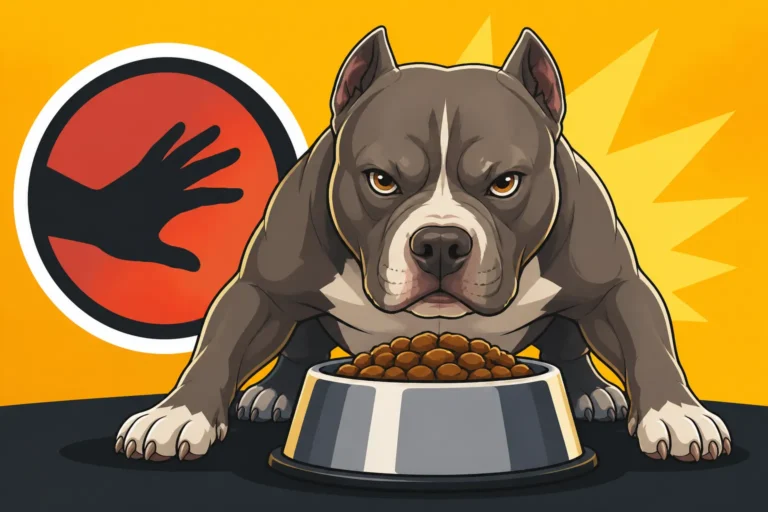
Pit Bull food bowl guarding stems from natural survival instincts and anxiety rather than dominance, explaining how to address the behavior safely.
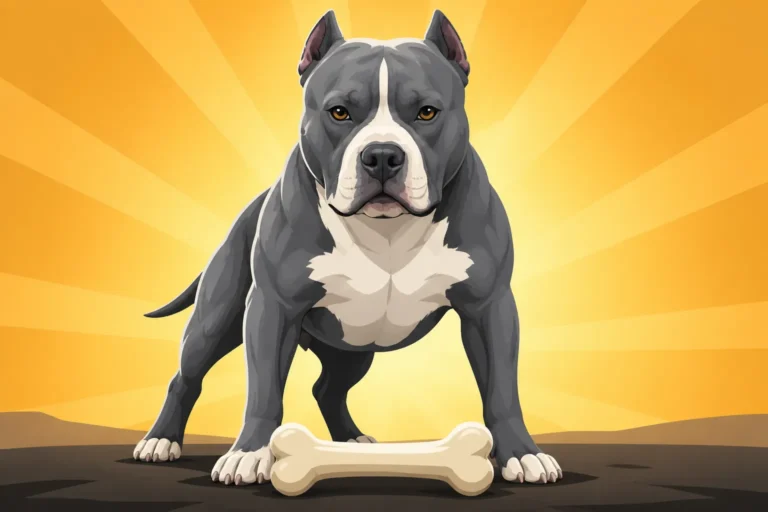
Pit Bull resource guarding is a natural instinct, explaining why dogs protect bones and how owners can safely manage it.
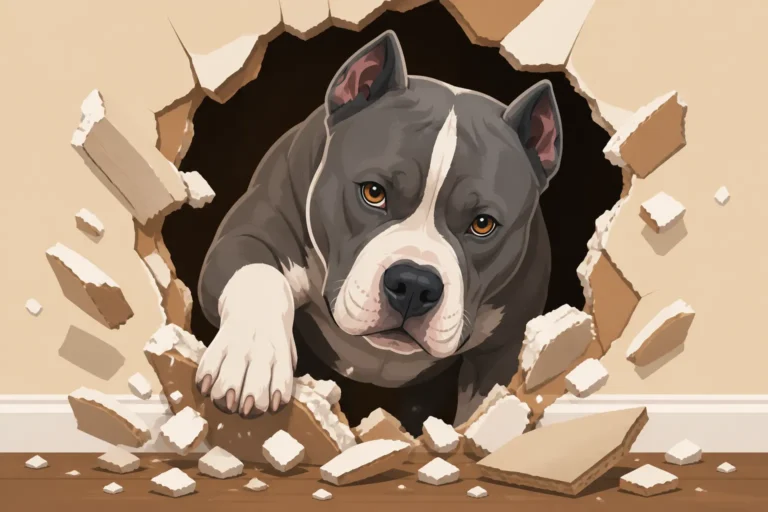
Pit Bull drywall digging stems from natural instincts, boredom, or anxiety, requiring appropriate outlets and damage control strategies.
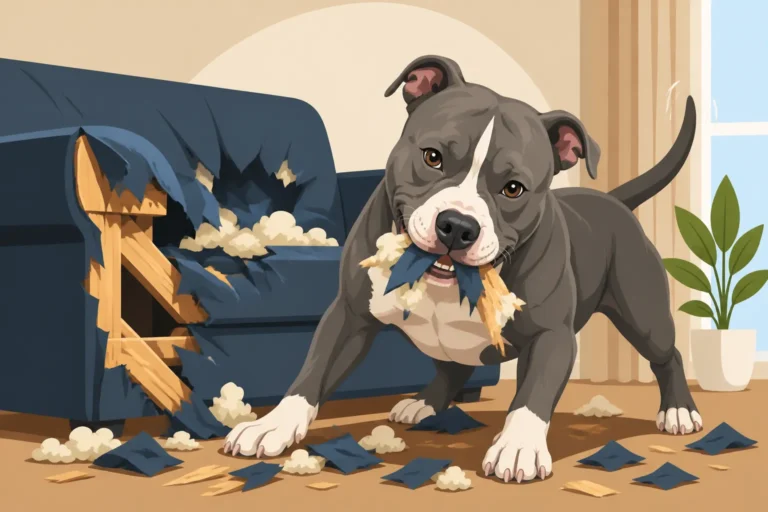
Separation anxiety and boredom cause a Pit Bull to destroy furniture when left alone, driven by a genuine panic response and unmet needs.
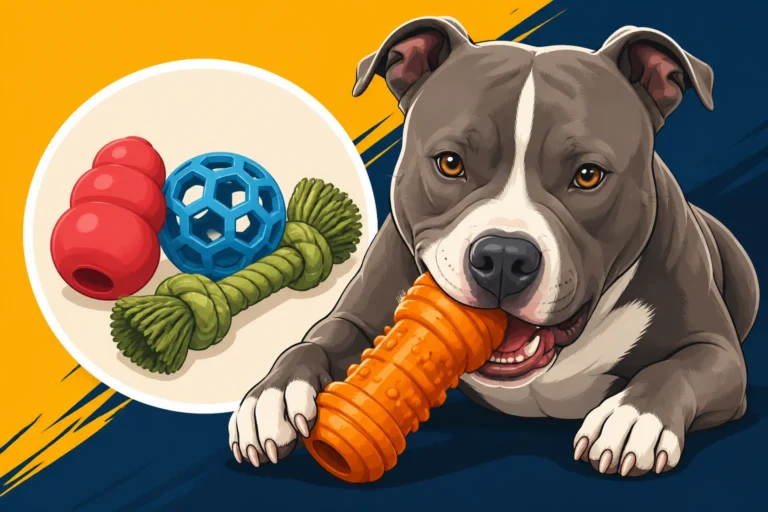
Pit Bull chew toys made from heavy-duty rubber and durable nylon prevent dangerous choking hazards and costly surgeries.
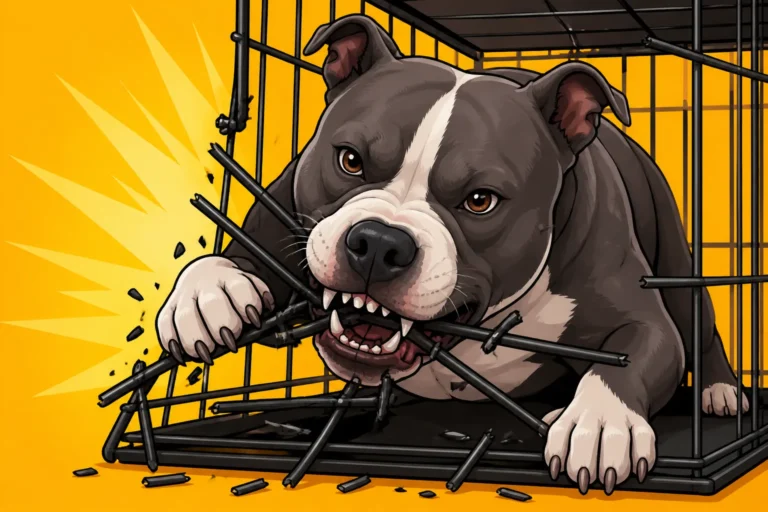
Pit Bull crate chewing stems from separation anxiety, boredom, or lacking physical exercise, presenting safety concerns.
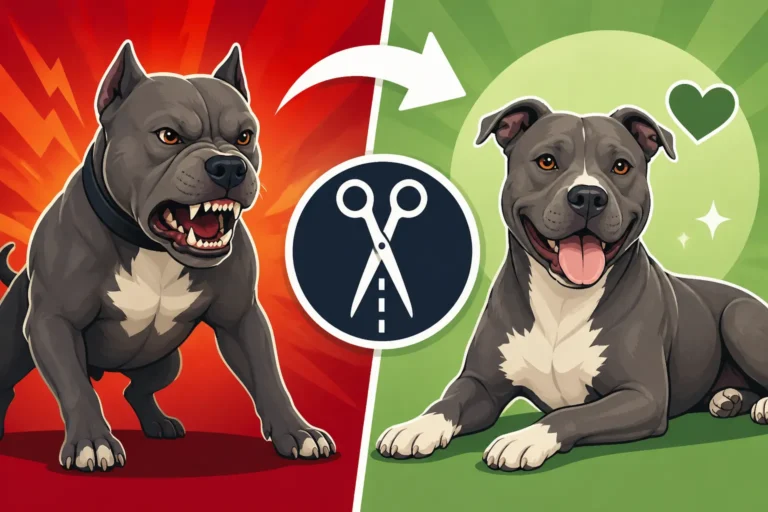
Neutering a Pit Bull changes testosterone levels, reducing roaming and territory marking while leaving learned habits intact.
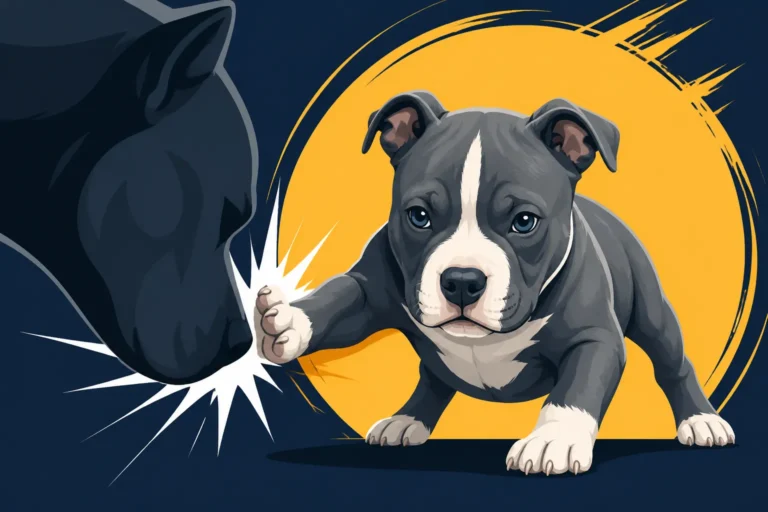
Pit Bull adolescence brings behavioral changes starting at six months, causing leash pulling, selective hearing, and boundary testing.
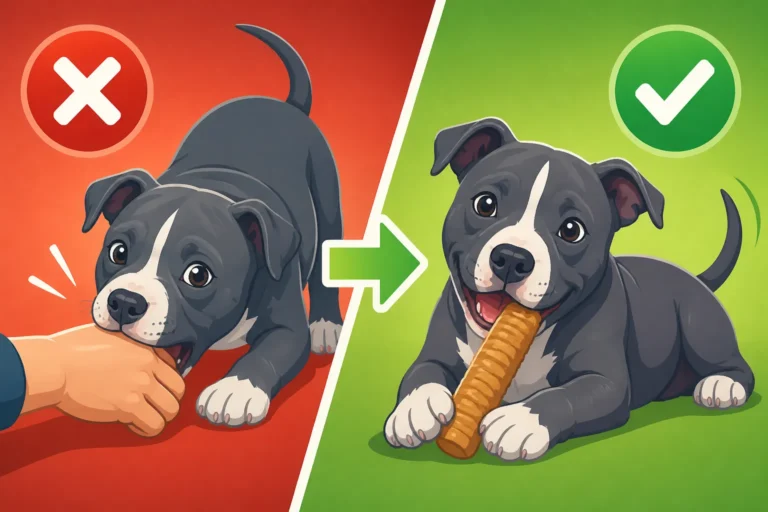
Pit Bull puppy chewing behaviors, teething, and boredom require consistent redirection onto appropriate toys to save household items.