Driving a Pit Bull Through States With Bans
Traveling with your beloved Pit Bull can feel like navigating a minefield, especially when you consider the ever-changing landscape of breed-specific legislation. Many Pit Bull owners experience a deep sense of anxiety, worrying about whether a simple road trip could lead to legal troubles or, worse, the confiscation of their cherished family member. This guide aims to alleviate some of that stress by providing a comprehensive roadmap for safely driving your Pit Bull through states and localities that might have bans or restrictions in place, offering clarity and actionable steps to protect your companion.
Understanding Breed-Specific Legislation on the Road
The term "Pit Bull" itself is often misunderstood, leading to a host of challenges for owners. It's not a single breed recognized by all major kennel clubs, but rather a catch-all term that often includes breeds like the American Pit Bull Terrier, American Staffordshire Terrier, and Staffordshire Bull Terrier, along with many mixes that simply look the part. This ambiguity is precisely what makes travel so fraught with potential issues. Many jurisdictions have enacted breed-specific legislation (BSL), which can range from outright bans on ownership to strict regulations concerning leashing, muzzling, insurance, and even microchipping. When you're driving through multiple states, you might encounter a bewildering array of these rules, some of which seem to appear out of nowhere as you cross a county line.
This patchwork of laws is incredibly frustrating because it places the burden squarely on the owner to know every nuance of every locality they might pass through, even if it's just for a gas stop. The reality is that one town might welcome your Pit Bull with open arms, while the very next town over could have a strict ordinance that views your dog as a prohibited breed, regardless of its individual temperament or training. This isn't just an inconvenience; it can be a serious legal and emotional ordeal.
The Patchwork of State and Local Laws
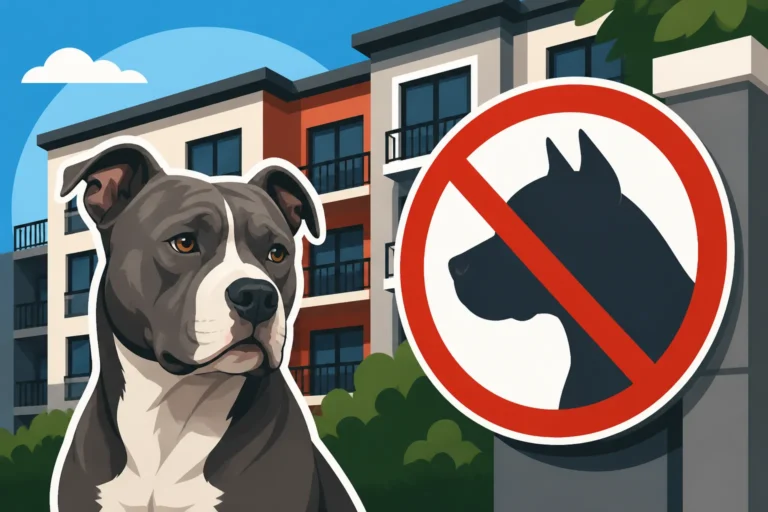
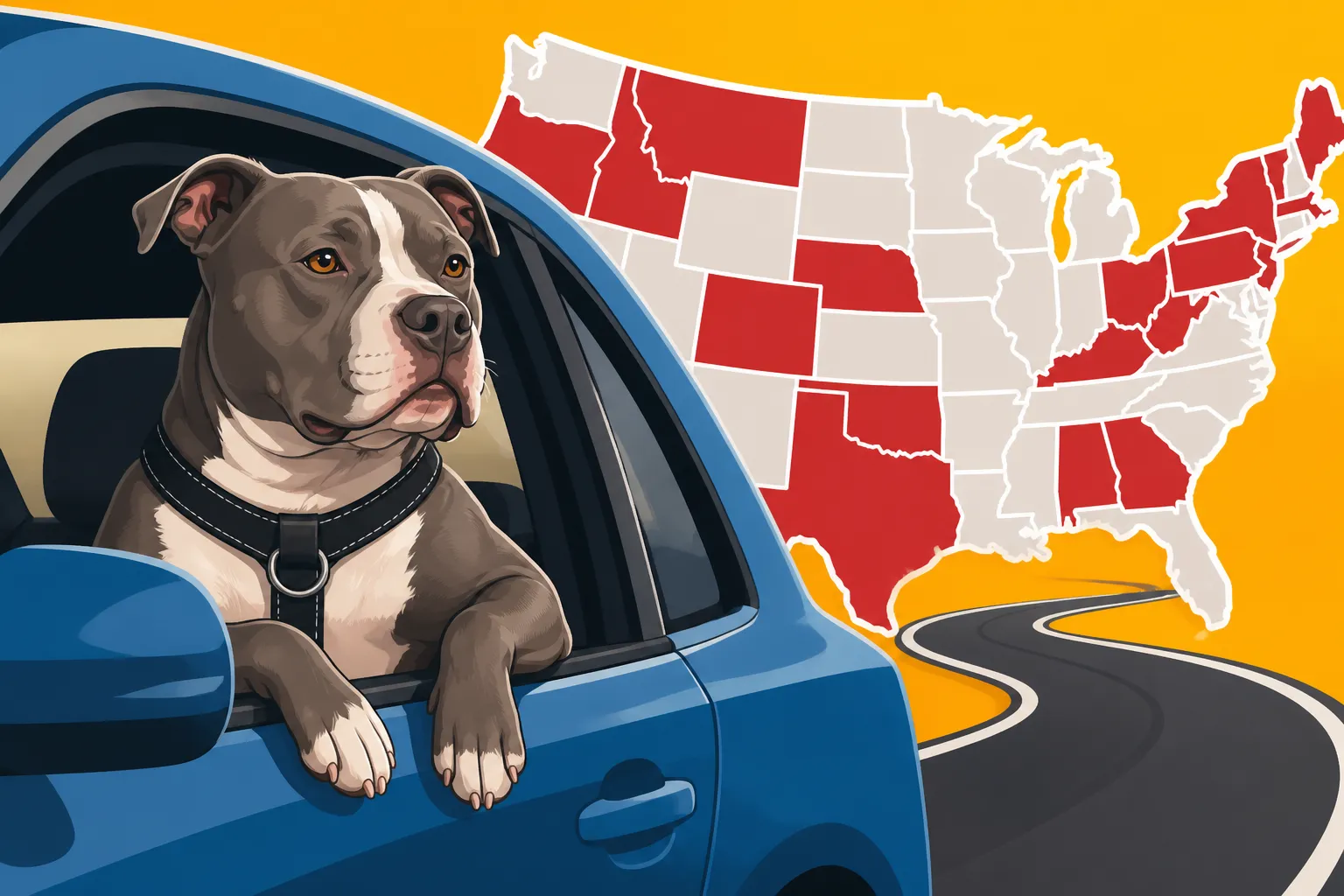
It's a common misconception that if a state doesn't have a breed ban, then you're entirely in the clear. Unfortunately, that's rarely the case. Many states delegate the authority to enact BSL to individual cities, towns, or counties. This means you could be cruising through a state that appears entirely Pit Bull-friendly, only to enter a specific municipality that has very strict rules, or even an outright ban. For instance, a state might have legislation that prevents local governments from enacting BSL, while another state might explicitly allow it, or even remain silent on the matter, leaving the door open for local ordinances. This is why a thorough understanding of Where Pit Bull Legislation Still Applies is critical, not just at the state level, but down to every county and city on your planned route.
These local laws aren't always prominently advertised on highway signs. You might not see a "Welcome to Harmonyville, No Pit Bulls Allowed" sign as you enter city limits. Instead, these rules are often buried in municipal codes and can be enforced by animal control officers or local law enforcement who might be unfamiliar with the nuances of breed identification. The arbitrary nature of these local ordinances is often a major source of distress for owners, as it can feel like a discriminatory policy that unfairly targets their dog based solely on appearance rather than behavior.
Identifying Pit Bull Type Dogs
One of the most challenging aspects of BSL is the subjective nature of breed identification. If you were driving a purebred Poodle or a Golden Retriever, there's little doubt about what breed your dog is. With Pit Bulls, it's a different story. As we discussed earlier, "Pit Bull" is a type, not a single breed, and many mixed-breed dogs can easily be mistaken for a Pit Bull type. An animal control officer, or even a concerned citizen, might visually identify your dog as a Pit Bull based on its broad head, muscular build, or short coat, even if your dog is primarily a Boxer mix or something else entirely. This often leads to situations where owners feel unjustly targeted.
The critical issue here is that visual identification can be incredibly unreliable. Studies have shown that even experienced shelter staff and veterinarians can struggle to accurately identify a dog's breed based solely on appearance, especially when dealing with mixed breeds. This becomes even more problematic when you cross into a jurisdiction where a visual assessment could trigger severe penalties. This is why understanding How a City Decides a Dog Is a Pit Bull is paramount, as the criteria can vary wildly and often lack scientific rigor. The burden of proof can sometimes fall on the owner to demonstrate their dog is not a Pit Bull, which can be an uphill battle when you're far from home and without access to your usual support network.
Planning Your Route: Research is Your Best Friend
Given the complexities of BSL, meticulous research is not just recommended, it's absolutely essential before embarking on any road trip with your Pit Bull. A spontaneous adventure can quickly turn into a nightmare if you haven't done your homework. This isn't about paranoia; it's about responsible pet ownership and protecting your dog from unnecessary stress and potential legal issues. Every segment of your journey – from your starting point to your destination, and every planned stop in between – needs to be scrutinized for potential breed restrictions.
Think of it like planning a complex itinerary, but instead of checking flight times and hotel availability, you're checking municipal codes and local regulations. This foresight can make the difference between a smooth, enjoyable trip and a highly stressful, costly, and potentially heartbreaking experience. It's an investment of time upfront that pays dividends in peace of mind.
State and County Level Checks
Your first step should always be a thorough investigation of the laws in every state you'll be driving through, and more importantly, every city and county where you plan to stop or even pass through for an extended period. Start with a broad search for "Pit Bull bans in [State Name]" or "BSL [State Name]." This will give you a general overview. However, as mentioned, many states defer to local ordinances. So, you must then drill down. For every city you plan to stop in for gas, food, or an overnight stay, search for "Pit Bull laws [City Name, State Name]" or "breed restrictions [City Name, State Name]." Pay particular attention to smaller towns and rural counties, as they often have less publicized, but equally stringent, rules. The American Veterinary Medical Association (AVMA) or national breed advocacy groups often have resources that compile lists of jurisdictions with BSL, which can be a good starting point, but always double-check with the local authorities.
Don't rely solely on online searches or forum discussions. Laws can change, and websites might not be up to date. The most reliable method is to call the animal control department or city clerk's office in each specific municipality. Explain your situation clearly: "I will be driving through your city with my dog, which is a Pit Bull type. Are there any breed restrictions or specific requirements I need to be aware of for transient visitors?" Get names, dates, and official sources if possible. It might feel like overkill, but this proactive approach is your strongest defense against an unexpected encounter. Be especially vigilant for cities on your route that are known to be among the Cities That Still Restrict Pit Bulls, as these will require extra attention.
Accommodation and Rest Stop Considerations
Finding pet-friendly accommodation can be tricky enough, but finding accommodation that is Pit Bull-friendly in a BSL zone is an entirely different challenge. Many hotels and rental properties have their own breed restrictions, often mirroring local BSL or going even further. Even if a city doesn't have a ban, a hotel within that city might. Always call ahead and explicitly state your dog's breed. Don't just ask if they're "dog-friendly"; specifically ask about Pit Bulls or "bully breeds." It’s better to be upfront and find an alternative than to arrive only to be turned away.
The same goes for rest stops, dog parks, or even quick potty breaks at gas stations. While federal highways usually don't have BSL, the areas immediately surrounding them, like service plazas or specific exits, might fall under local jurisdiction. Always keep your dog on a leash, even in designated pet areas, and be prepared to muzzle train your Pit Bull if local laws require it, or if you simply want to ensure extra peace of mind. Having a well-fitted, comfortable muzzle on hand, along with proof of training, can often de-escalate potential issues. When you're planning for your dog's needs on the go, consider resources like Chewy for sturdy travel crates and durable toys to keep them occupied, or even special chew toys designed to hold up to strong jaws.
Emergency Vet Preparedness
Even the most meticulously planned trip can encounter unforeseen circumstances, and one of the most critical considerations is what happens if your Pit Bull needs emergency veterinary care while you're in a restricted area. Imagine a scenario where your dog suddenly falls ill or sustains an injury, and the closest emergency vet clinic is located in a city with a Pit Bull ban. This is a terrifying thought for any owner. You might face questions about your dog's legality before treatment, or worse, be turned away.
Before you leave, identify veterinary clinics along your route, especially emergency and urgent care facilities. Call them and ask about their policies regarding Pit Bulls or "bully breeds" and if they have any internal policies that mirror local BSL, even if the town itself doesn't have a ban. Some clinics, while not legally bound by BSL, might have their own comfort levels or insurance requirements. This is also where having robust pet insurance like Healthy Paws can be invaluable. While it won't prevent BSL issues, it ensures that if an emergency does occur, you're not also grappling with massive, unexpected vet bills for things like a sudden injury or an allergic reaction far from home. Make sure you understand Pit Bull Pet Insurance and Breed Exclusions before you travel.
Preparing for the Journey and Your Pit Bull
Once your route is researched and planned, the next step is to ensure your Pit Bull is as prepared as possible for the journey itself. This involves more than just packing their food bowl; it means setting them up for success both physically and behaviorally, anticipating the unique challenges that come with traveling with a breed often misunderstood. Being proactive in these areas can significantly reduce stress for both you and your dog, and can provide critical documentation should you encounter any challenges.
A well-prepared Pit Bull is not only safer but also represents the breed in the best possible light, which can sometimes make a difference in how you are perceived by others on the road. Remember, you are an ambassador for your breed, and their calm, well-behaved demeanor speaks volumes.
Essential Documentation and Identification
Just like you carry your driver's license and car registration, your Pit Bull needs its own set of "papers" for travel. This documentation should be easily accessible, preferably in a dedicated folder in your glove compartment or travel bag. Include:
- Proof of Rabies Vaccination: Always current, with the official certificate from your veterinarian.
- Veterinary Records: A summary of your dog's health history, including vaccinations, spay/neuter status, and any medications they take. If your Pit Bull has a sensitive stomach and is on a specific diet from a brand like Ollie, having a vet note can be helpful.
- Microchip Registration: Proof that your dog is microchipped and that your contact information is up-to-date.
- Clear Photos of Your Dog: Front, side, and full-body shots. If your dog is a recognized breed (like an American Staffordshire Terrier) and you have official registration papers, carry those too. These can sometimes help in disputed breed identification scenarios.
- Training Certifications: If your Pit Bull has achieved its Canine Good Citizen (CGC) certification, or any other obedience titles, bring those certificates. Showing an Insurer a Pit Bull's Training Record or other authorities your dog's verifiable good behavior can be a powerful tool.
Beyond paperwork, ensure your dog is wearing a collar with up-to-date ID tags that include your cell number. Consider a secondary tag or a collar embroidered with your information. In an unfamiliar place, a lost dog situation is terrifying; immediate identification is crucial.
Travel Comfort and Safety
A long road trip can be taxing for any dog, but especially for a Pit Bull who might be more accustomed to high activity levels. Prioritize their comfort and safety. A sturdy, appropriately sized crate is often the safest way for your Pit Bull to travel in the car. It protects them during sudden stops or accidents and provides a secure den in unfamiliar environments. Make sure it’s comfortable with bedding they enjoy. For strong, muscular dogs like Pit Bulls, you might even consider a crash-tested crate for maximum safety.
If crating isn't an option, a well-fitting car harness that attaches to a seatbelt is a good alternative. Do not use standard collars for car restraints, as they can cause serious neck injury in a collision. Provide plenty of water, and plan regular stops for potty breaks and stretching. Keep their routine as consistent as possible, and bring their regular food and treats. If your dog is on a specialized diet, perhaps fresh food from a brand like Ollie, ensure you have enough for the entire trip and storage options if needed. This helps prevent upset stomachs from sudden diet changes. Don't forget their favorite toys to help them settle in the car and at rest stops; Chewy offers a wide variety of durable options designed to withstand even the strongest chewers.
Training for Public Spaces
Your Pit Bull's behavior in public spaces is your greatest asset, especially when traveling through unfamiliar areas. Regardless of BSL, a well-behaved dog always makes a better impression. Reinforce excellent leash manners: a Pit Bull Leash Pulling at Fifty Pounds can be a handful, and it's essential they walk politely by your side, even with distractions. Practice "leave it" and a solid recall, even if they're always on a leash in public.
Crucially, every Pit Bull owner should seriously consider Muzzle Training Every Pit Bull Should Have. Even if BSL doesn't explicitly require it where you're going, having your dog comfortably wearing a basket muzzle can prevent misunderstandings and provide a layer of protection in public. It shows onlookers that you are a responsible owner who prioritizes safety and management. A dog that is calm, quiet, and responsive to commands projects confidence and responsibility, which can go a long way in how they are perceived by local residents or authorities.
Navigating Challenges: What to Do If Stopped or Questioned
Even with the most thorough preparation, you might still encounter a situation where you are stopped, questioned, or challenged about your Pit Bull. This can be a high-stress scenario, especially when you're away from home. Your response in these moments can significantly impact the outcome. Remaining calm, being prepared, and knowing your rights (and responsibilities) are paramount.
The goal is always de-escalation and demonstrating responsible ownership. Panicking or becoming aggressive will only make the situation worse and could lead to more serious consequences for both you and your dog. Remember, you want to get yourself and your Pit Bull safely to your destination.
Staying Calm and Polite
If you are stopped by law enforcement or animal control, or if a concerned citizen confronts you, the first and most important rule is to remain calm and polite. Take a deep breath. Your demeanor directly influences how the situation will unfold. Avoid arguing or raising your voice. Present yourself as a responsible, cooperative pet owner. Have your dog's documentation readily available and offer it when asked.
Keep your Pit Bull under control, preferably in a sit or down-stay position next to you, on a short leash. If your dog is crate trained, keeping them securely in their travel crate might be beneficial, as it presents a more controlled environment. If you've muzzle trained your dog, and you anticipate a confrontation, having the muzzle on can also demonstrate your proactive responsibility. Simply stating, "My dog is well-trained and I've prepared all the necessary paperwork for our journey. How can I help?" can set a positive tone for the interaction.
Knowing Your Rights and Limits
While remaining polite, it's also important to be aware of your basic rights. You generally have the right to ask why you are being stopped or questioned. You are usually not required to consent to a search of your vehicle without a warrant or probable cause. However, local laws regarding animal control can vary significantly. Some jurisdictions might grant animal control officers broad powers if they suspect a violation of BSL.
If an officer or animal control asks for specific information, provide it factually and calmly. If they ask about your dog's breed, state what you know (e.g., "She is an American Staffordshire Terrier," or "She is a mixed breed; I have her DNA results if you'd like to see them"). If you are being asked to do something that feels unlawful or goes against your preparation, you can politely state, "I'd prefer to contact my attorney before proceeding with that." Always keep your hands visible. The goal is to resolve the situation without escalation, always prioritizing your dog's safety and well-being.
Legal Assistance and Advocacy
In the unfortunate event that your Pit Bull is impounded or you face legal charges, having a plan for legal assistance is crucial. Before your trip, identify organizations that specialize in breed-specific legislation and provide legal support for Pit Bull owners. These might be national advocacy groups or local legal aid organizations that focus on animal law. Have their contact information saved in your phone and written down with your dog's other important documents.
Contacting these organizations immediately can provide you with critical guidance and support during a stressful time. They often have experience with the nuances of BSL and can advise you on your best course of action, whether it's appealing a breed determination or navigating a court process. This might feel like preparing for the worst, but it's a testament to the dedication Pit Bull owners often have in protecting their dogs, even when faced with unfair challenges. They understand that for many, Pit Bulls are not just pets but cherished family members, and they'll go to great lengths to ensure their safety and well-being.
Navigating the Maze: Key Considerations for Pit Bull Travel
| Consideration | Action Steps | Why It Matters |
|---|---|---|
| Route Research | Investigate BSL for every state, county, and city on your route. Call local animal control or city clerk's office for clarification. | Laws vary wildly; a state ban might not exist, but local bans could be in effect. Avoid unexpected legal trouble and potential impoundment. |
| Accommodation | Explicitly ask about Pit Bull policies when booking hotels or rentals. Don't just ask if they are "pet-friendly." | Many establishments have their own breed restrictions, even if the local municipality doesn't. Prevents being turned away upon arrival. |
| Documentation | Carry current rabies certificates, vet records, microchip registration, proof of ownership, and training certifications (e.g., CGC). | Provides proof of responsible ownership and your dog's health/training history, crucial for verifying breed or mitigating issues. |
| Identification | Ensure your Pit Bull wears a collar with up-to-date ID tags (owner's cell phone) and is microchipped with current contact info. | Essential for safe return if your dog gets lost in an unfamiliar area. |
| Muzzle Training | Desensitize and train your Pit Bull to comfortably wear a basket muzzle before traveling. | Required by some BSL, or can be a de-escalation tool in public, demonstrating responsible ownership. |
| Travel Safety Gear | Use a sturdy, appropriately sized crate or crash-tested car harness. | Protects your dog (and you) in case of an accident or sudden stop; provides a secure space in unfamiliar surroundings. |
| Emergency Vet Plan | Identify emergency vet clinics along your route and call ahead to confirm their Pit Bull policies. Consider pet insurance like Healthy Paws. | Ensures access to critical care without breed discrimination if an emergency arises; helps manage unexpected Pit Bull Emergency Vet Visit Costs. |
| Owner Demeanor | Stay calm, polite, and cooperative if stopped or questioned. Control your dog with clear commands. | De-escalates potentially tense situations and shows you are a responsible owner. Aggression can lead to negative outcomes. |
| Legal Contacts | Have contact information for breed-specific legislation advocacy groups or animal law attorneys saved. | Provides immediate legal guidance and support if your dog is impounded or you face legal challenges. |
Disclaimer
This article is for general informational purposes only and does not constitute professional advice. Laws, prices and regulations vary by location and change over time. Consult a qualified professional for guidance on your specific situation.