Vet Credit for an Unplanned Pit Bull Surgery
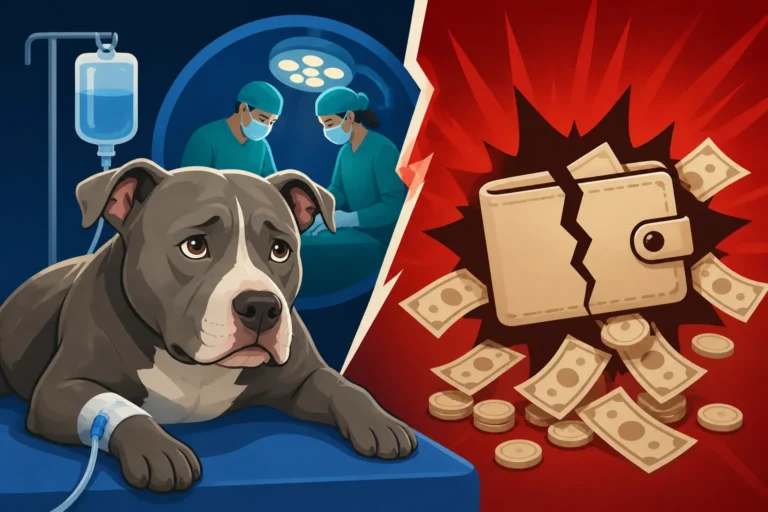
It's that heart-stopping moment: your beloved Pit Bull is suddenly in distress, and the vet is delivering news no one wants to hear – urgent surgery is needed. In that instant, beyond the sheer terror for your dog's well-being, a cold wave of financial panic often washes over you. How on earth will you cover thousands of dollars in unexpected vet bills right now? This guide is here to walk you through the often-overwhelming world of vet credit and financing options, giving you a roadmap to help manage the cost of an unplanned Pit Bull surgery.
Understanding the Unexpected Financial Burden of Pit Bull Surgery
The bond we share with our Pit Bulls is incredibly deep, and when they’re in pain or facing a critical health issue, we’d do anything for them. But the reality is, veterinary care, especially emergency surgery, can come with a price tag that leaves many of us reeling. It’s not just the surgery itself; it’s the diagnostics, anesthesia, medications, and aftercare that add up quickly.
Common Unplanned Surgeries for Pit Bulls
Pit Bulls are robust and athletic dogs, but their active lifestyles and genetic predispositions can sometimes lead to sudden and expensive surgical needs. For instance, a common and often costly issue we see is a cruciate ligament tear, which can happen during a seemingly innocent sprint in the yard or a playful wrestle. Given their strength and muscle mass, these injuries can be significant and require specialized surgery. You might find yourself researching everything about Cruciate Ligament Tears in a Muscular Pit Bull and the associated recovery.
Another terrifying emergency is bloat, or Gastric Dilatation-Volvulus (GDV). This condition, where the stomach twists, is a life-threatening emergency that requires immediate surgery. While deep-chested breeds are more prone, an active Pit Bull is certainly not immune, and the speed at which it can become critical is horrifying. Learning to recognize Recognizing Bloat in a Deep-Chested Pit Bull can be literally life-saving, but surgery is often the only definitive treatment. Foreign body ingestion, where your dog swallows something they shouldn't, is also a frequent culprit, leading to emergency abdominal surgery to remove the obstruction. Tumors, though sometimes found during routine exams, can suddenly rupture or grow rapidly, necessitating urgent removal.
The Sticker Shock of Emergency Vet Bills
When the vet outlines the treatment plan, the initial quote can feel like a punch to the gut. We're talking about costs that often range from a few thousand dollars for a straightforward procedure to upwards of $5,000 to $10,000 or more for complex surgeries like orthopedic repairs or emergency bloat surgery. For example, you might be handed a bill for Pit Bull Hip Repair and What It Runs if your dog has sudden, severe hip pain, or face questions about What Emergency Bloat Surgery Costs a Pit Bull Owner in a crisis.
This isn't just the surgeon's fee; it includes pre-surgical blood work, IV fluids, monitoring during anesthesia, the surgical procedure itself, post-operative pain management, and potentially several days of hospitalization. Then there are the follow-up visits, special diets, and medications for recovery. It's a cascading list of expenses that most of us aren't prepared for, especially when it happens out of the blue. The emotional toll is already immense, and then the financial weight can feel crushing.
Exploring Vet Credit and Financing Solutions
When faced with an emergency vet bill, traditional bank loans or credit cards might not be quick enough or offer the flexible terms you need. That's where dedicated vet credit and financing solutions come into play, specifically designed for these situations.
Dedicated Veterinary Credit Cards
One of the most widely recognized options is CareCredit. This is a healthcare credit card that functions much like a regular credit card but is specifically for health-related expenses, including veterinary care. Many vet clinics across the country accept it, making it a go-to for many pet owners in a pinch.
- How it works: You apply for CareCredit, often right there at the vet's office or online. If approved, you get a credit limit to cover the procedure. The key feature for many is their promotional financing options, which can include 6, 12, 18, or even 24-month interest-free periods if the balance is paid in full by the end of the promotional period. This can be a huge relief, allowing you to spread out payments without accruing interest.
- The Catch: It's crucial to understand the terms. If you don't pay the full balance within the promotional period, deferred interest can kick in from the original purchase date, often at a high APR. This means you could end up paying a lot more than you initially planned. Always read the fine print!
- Scratch Pay is another popular option, offering simple payment plans for vet bills. Unlike traditional credit cards, Scratch Pay doesn't have a hard credit inquiry for most of its plans, which can be a relief if your credit isn't perfect. They offer different payment options, from short-term plans to longer-term installments, often with competitive interest rates or even 0% APR for shorter terms. It’s designed to be a transparent and accessible way to get immediate financial help.
Other Financing Avenues Beyond Traditional Credit
While vet-specific credit cards are convenient, they aren't your only choice. Exploring other financing avenues can sometimes offer more favorable terms, depending on your financial situation.
- Personal Loans: Banks and credit unions offer personal loans that can be used for any purpose, including vet bills. These typically have fixed interest rates and repayment schedules, which can be predictable. The downside is that approval times can vary, and you’ll need a decent credit score to secure a favorable rate. However, if you have a good relationship with your local credit union, you might find more flexible options or quicker processing times.
- Lines of Credit: Similar to a personal loan but offering more flexibility, a personal line of credit allows you to borrow up to a certain limit as needed and only pay interest on the amount you've drawn. This can be useful if your vet bills are ongoing or if you need to cover multiple smaller expenses.
- Crowdfunding: For truly catastrophic, high-cost surgeries, platforms like GoFundMe or other pet-specific crowdfunding sites can be an option. While not a guaranteed solution, sharing your Pit Bull's story with friends, family, and compassionate strangers can sometimes generate significant support. This is often a last resort for those facing bills well into five figures, or when other credit options aren't available.
Payment Plans and Clinic-Specific Options
It's always worth asking your veterinary clinic if they offer their own payment plans. Some clinics, especially smaller, independent ones, might have limited options for in-house payment plans. However, for large, unexpected surgeries, many clinics simply cannot afford to carry the debt, as they have their own operational costs and need to be paid for their services and supplies.
- How they work (if available): If a clinic does offer a payment plan, it typically involves an initial deposit (a significant percentage of the total bill) followed by a structured repayment schedule over a few weeks or months. They might require a credit check or even a co-signer.
- Why they are less common for emergencies: The sheer cost of emergency surgeries often exceeds what a private clinic can reasonably manage through an unsecured payment plan. They might direct you towards third-party options like CareCredit or Scratch Pay, which act as a financial intermediary, ensuring the clinic gets paid upfront. Never hesitate to have an honest conversation with your vet's office manager about your financial concerns; they often have resources or suggestions you might not be aware of.
| Financing Option | Key Features | Pros | Cons |
|---|---|---|---|
| CareCredit | Healthcare-specific credit card; promotional 0% APR periods. | Immediate access to funds; widely accepted; flexible terms. | Deferred interest can be high if balance not paid in full by deadline; requires good credit. |
| Scratch Pay | Payment plans for vet bills; generally no hard credit check. | Accessible for various credit scores; transparent terms. | May have interest rates, though often competitive; not all vets accept it. |
| Personal Loan | Loan from bank/credit union for any purpose; fixed payments. | Predictable payments; potentially lower interest than credit cards. | Approval time can vary; requires good credit; not always immediate. |
| Clinic Payment Plan | Direct agreement with vet clinic for installment payments. | No third-party involvement; personalized arrangement. | Rare for large emergency surgeries; typically requires significant down payment; terms vary widely. |
Preparing for Future Veterinary Expenses
While you're dealing with an immediate crisis, it's also a valuable, albeit tough, lesson in preparing for the unpredictable nature of pet ownership. Taking steps now can prevent future financial stress during health emergencies.
The Value of Pet Insurance for Pit Bulls
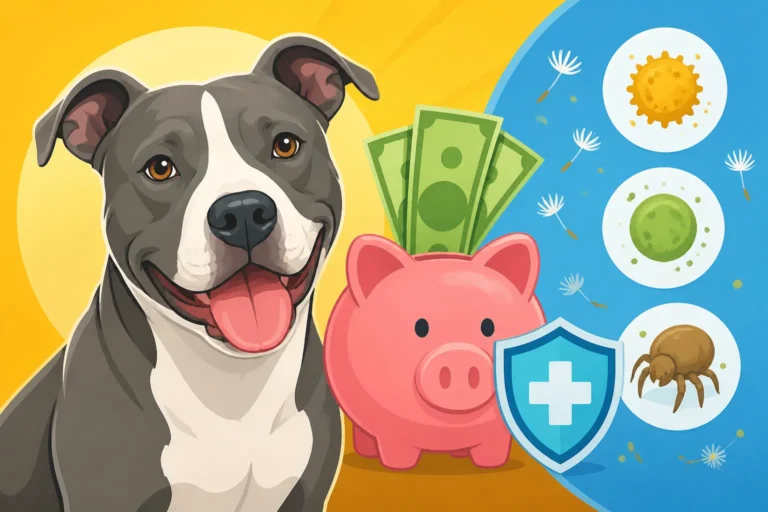
This is where pet insurance truly shines as a preventative measure for your wallet. While it won't cover an existing emergency if you sign up today, it's invaluable for future unexpected illnesses and injuries. Companies like Healthy Paws offer comprehensive plans that cover accidents, illnesses, surgeries, emergency care, and even genetic conditions.
- How it works: You pay a monthly premium. When your Pit Bull needs vet care for a covered condition, you pay the vet directly, submit the invoice to your insurer, and then get reimbursed for a percentage (e.g., 70-90%) after your deductible is met. It can significantly reduce your out-of-pocket costs for unforeseen events.
- Considerations for Pit Bulls: Unfortunately, some insurance companies have breed restrictions or higher premiums for "Pit Bull type" dogs, even if your dog is a wonderfully behaved family member. It’s crucial to shop around and get quotes from multiple providers to find one that offers good coverage for your specific Pit Bull without excessive exclusions or costs. Make sure you understand Whether Pit Bull Insurance Covers Hip Surgery or other common issues.
- Timing is Everything: The sooner you enroll your Pit Bull, the better. Any health issues diagnosed before you enroll are considered "pre-existing conditions" and won't be covered. This is why it's so important to get coverage when your dog is young and healthy. Don't wait until you're dealing with Pit Bull Hip Dysplasia Showing at One to Two Years to consider insurance.
Building an Emergency Fund
One of the most practical steps you can take is to build a dedicated emergency fund specifically for your Pit Bull's health. Even saving a small amount consistently can make a huge difference when that unexpected bill lands.
- Setting it up: Consider a separate savings account, perhaps an online high-yield savings account, that isn't easily accessible for daily expenses. Set up an automatic transfer of a small amount each week or month – even $25-$50 can accumulate surprisingly fast.
- The goal: Aim to save at least $2,000-$5,000. This could cover a significant portion, if not all, of many emergency procedures. Having this cushion means you can make decisions based on your Pit Bull's health needs, not just your immediate financial capabilities. It can also help you cover the deductible on your pet insurance or Aftercare Costs for a Fifty Pound Pit Bull that might not be fully reimbursed.
- Financial Discipline: This requires discipline, but the peace of mind it offers is invaluable. Think about where you might be able to trim a small amount from your budget, perhaps by cutting down on daily lattes or dining out a bit less often. Every dollar saved for this purpose is an investment in your Pit Bull's future.
Leveraging Online Pet Supply Retailers for Savings
While not directly about emergency surgery, smart shopping for everyday pet supplies can free up funds that can then be redirected to your emergency fund. Online retailers like Chewy offer competitive pricing, subscription services, and convenient home delivery for everything from food to toys to flea and tick preventatives.
- Cost Savings: By purchasing essentials in bulk or through subscription models, you often get discounts compared to brick-and-mortar stores. For example, if your vet recommends a prescription diet for skin sensitivities, Chewy often has better prices.
- Nutritional Support: Investing in high-quality nutrition can also play a long-term role in your Pit Bull's overall health, potentially reducing certain vet visits down the line. Brands like Ollie, which offer fresh, human-grade food, can support a healthy immune system and coat, which might minimize issues like Pit Bull Skin Allergies and the Atopy Pattern or Food Allergies Behind Pit Bull Itching, though they won't prevent all emergencies. The money saved on regular expenses can accumulate and be there for when it truly matters.
- Budgeting: Incorporating these savings into your regular pet budget can help you identify funds that can then be consistently transferred to your emergency savings account. This mindful approach to spending empowers you to be better prepared for the unexpected. You might find yourself more easily Budgeting for a Pit Bull With Chronic Allergies or simply setting aside money for future needs.
Navigating the Application Process and Making Informed Decisions
Applying for any form of credit, especially when you're under stress, requires careful attention. Understanding what's involved and how to compare options is key to making the best decision for you and your Pit Bull.
What You Need to Apply for Vet Credit
Whether you're applying for CareCredit, Scratch Pay, or a personal loan, there are some common requirements you'll need to meet. Being prepared can expedite the process, which is critical in an emergency.
- Personal Information: You'll need standard identification like your driver's license, social security number, and contact information.
- Income Verification: Lenders want to ensure you have the means to repay the loan or credit line. This might involve providing pay stubs, bank statements, or proof of other income.
- Credit Check: For most traditional credit products like CareCredit or personal loans, a credit check is a standard part of the approval process. They will look at your credit history, score, and existing debt. While Scratch Pay might offer options without a hard credit pull, for larger amounts or longer terms, a credit check is often involved. A good credit score will typically lead to better approval odds and more favorable interest rates.
- Veterinary Invoice/Estimate: While not always required for the initial application, having a clear estimate of the total surgical cost from your vet is essential. This helps you determine how much credit you need and ensures you're applying for an appropriate amount.
Understanding the Terms and Conditions
This is perhaps the most critical step. In the urgency of an emergency, it's easy to skim over the fine print, but ignoring it can lead to significant financial headaches down the road.
- Interest Rates (APR): For any credit product, understand the annual percentage rate (APR). If you don't qualify for a 0% promotional period or if that period expires, this is the rate at which interest will accrue on your outstanding balance. A higher APR means more money paid over time.
- Repayment Periods: Know exactly how long you have to pay back the full amount. Shorter periods mean higher monthly payments but less total interest paid, while longer periods reduce monthly payments but increase total interest.
- Promotional Period Details: For options like CareCredit, clarify the exact length of the 0% APR period and what happens if you don't pay the full balance within that time. Often, if you miss the deadline, all deferred interest from the original purchase date is applied retroactively. This is the biggest pitfall for many users.
- Fees: Be aware of any application fees, late payment fees, or other charges that might apply.
- Minimum Payments: While making only the minimum payment keeps your account in good standing, it often means you'll be paying interest for a much longer time, increasing the overall cost. Aim to pay more than the minimum whenever possible.
It's a lot to take in during a stressful time, but taking a moment to understand these terms can save you hundreds, even thousands, of dollars in interest and fees. Don't be afraid to ask the financial coordinator at your vet's office for clarification or to explain anything you don't understand. Their job is to help you navigate these options.
Disclaimer
This article is for general informational purposes only and does not constitute professional advice. Laws, prices and regulations vary by location and change over time. Consult a qualified professional for guidance on your specific situation.