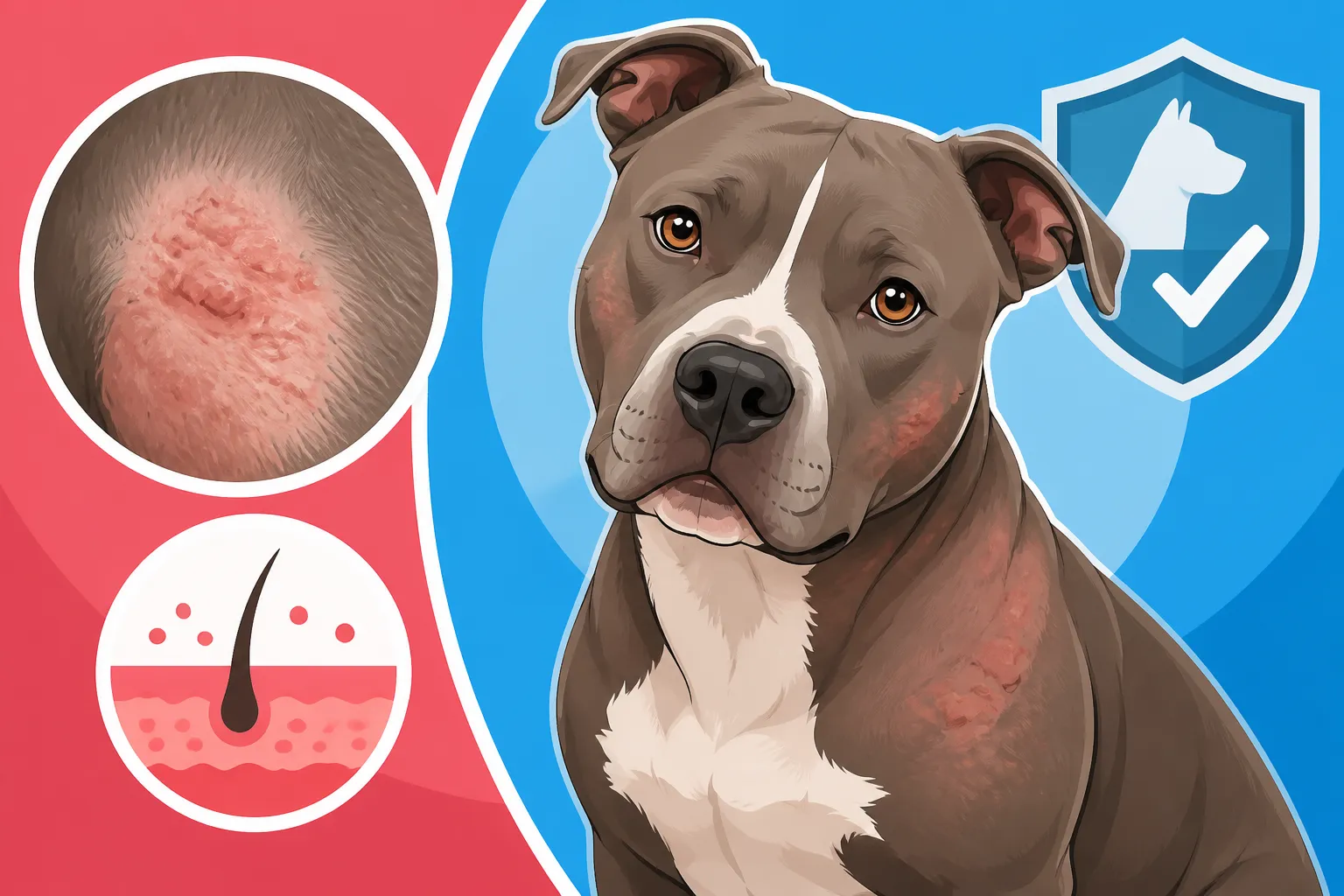
Skin Allergies as a Pre-Existing Pit Bull Condition
It’s a gut-wrenching moment when your beloved Pit Bull starts scratching relentlessly, and then you realize their persistent skin issues might be deemed a "pre-existing condition" by pet insurance. This guide is here to walk you through exactly what that means for your Pit Bull's skin allergies, how insurance companies view these common, often chronic issues, and what practical steps you can take to ensure your furry friend gets the care they need without facing unexpected financial burdens.
Understanding Pre-Existing Conditions in Pet Insurance
The term "pre-existing condition" can feel like a big, scary phrase when you're trying to get your dog the best possible care, and it's particularly relevant when we talk about common issues like skin allergies in Pit Bulls. Simply put, a pre-existing condition is any illness, injury, or symptom that was present or observable before your pet’s insurance policy started or during its waiting period. This isn't just about a formal diagnosis; it can be as subtle as a tiny scratch, a bit of ear redness, or even just a history of "itchy skin" noted in vet records before you signed up.
What Constitutes a Pre-Existing Condition
When you enroll your Pit Bull in a pet insurance plan, there's almost always a waiting period before certain conditions become eligible for coverage. This period can vary, typically from a few days for accidents to weeks or even months for illnesses like joint conditions or chronic skin problems. If your Pit Bull shows any signs or symptoms of skin allergies—even if they were mild and un-diagnosed—before this waiting period ends, or before your policy officially begins, that condition will likely be considered pre-existing. This means the insurance company will not cover the costs associated with treating it, ever.
Let's say you adopt a Pit Bull puppy, and she has a mild case of dry, flaky skin at eight weeks old. You think nothing of it, maybe put some coconut oil on it, and enroll her in pet insurance at three months. A few months later, those flaky patches erupt into full-blown hot spots and constant paw licking. When you take her to the vet, the records show that initial dry skin. An insurer might look back at those initial records and deem the current severe allergy a progression of that "pre-existing" dry skin, leaving you to shoulder the bills. It's not just about a diagnosis, it's about the earliest observed symptom in any veterinary record.
Why Pit Bulls are Prone to Skin Allergies
Pit Bulls, as a type of dog encompassing breeds like the American Pit Bull Terrier and the American Staffordshire Terrier, are unfortunately predisposed to a range of skin issues. Their short, sleek coats and often sensitive skin make them prime candidates for various dermatological challenges. The most common culprit is atopic dermatitis, or environmental allergies, which often manifest as itching, redness, ear infections, and paw licking. This is the condition often described as Pit Bull Skin Allergies and the Atopy Pattern. Beyond atopy, many Pit Bulls also suffer from Food Allergies Behind Pit Bull Itching, contact dermatitis, or secondary bacterial and yeast infections due to their persistent scratching.
This genetic predisposition means that even if a Pit Bull puppy isn't showing overt signs of allergies at the time of enrollment, the likelihood of them developing these issues later is higher than in some other breeds. Insurers are aware of breed-specific predispositions, and while they don't typically deny coverage because of breed, the timing of symptoms relative to your enrollment is critical. A Pit Bull puppy with even minor skin irritation or occasional Pit Bull Paw Licking and Chewing noted in early vet visits might have their future, more severe allergy treatments excluded. This is a tough pill to swallow for many owners who just want to provide the best for their four-legged family members.
Navigating Insurance Policies with an Allergic Pit Bull
When you're dealing with a breed prone to chronic conditions like skin allergies, choosing the right pet insurance and understanding its limitations becomes paramount. The goal is to secure coverage before any issues arise, but for many, by the time they consider insurance, some subtle symptoms may already be present.
Deciphering Policy Language and Exclusions
Every pet insurance policy comes with a hefty document of terms and conditions, and frankly, it can feel like trying to read a foreign language. The key is to pay close attention to the sections on "pre-existing conditions," "waiting periods," and "exclusions." Most policies will explicitly state that conditions that show symptoms before or during the waiting period will not be covered. Some might differentiate between "curable" and "incurable" pre-existing conditions. For instance, a one-off ear infection that clears up might be covered after a certain waiting period, but chronic, recurring ear infections linked to allergies typically won't be if the initial symptoms were pre-existing.
You'll also want to look for specific exclusions related to chronic conditions. Some policies might have limits on how much they'll pay out for chronic conditions over the pet's lifetime, or they might not cover certain types of allergy treatments if they're deemed cosmetic or preventative rather than directly therapeutic. It's not just about if a condition is covered, but how it's covered. For example, some insurers might cover the initial diagnosis and medication like Apoquel or Cytopoint (like Apoquel and Cytopoint for an Itchy Pit Bull), but not long-term immunotherapy or specialized diets. Always ask for a sample policy and review it thoroughly, calling the insurer to clarify any ambiguous language. Companies like Healthy Paws are generally known for comprehensive plans, but even they have clear definitions for pre-existing conditions.
When to Enroll Your Pit Bull for Best Coverage
The absolute best time to enroll your Pit Bull in pet insurance is as early as possible – ideally, when they are a healthy puppy, before any signs of illness or injury, especially those prone to the breed, have had a chance to surface. The younger and healthier your Pit Bull is at enrollment, the better your chances of having comprehensive coverage for any future ailments. Waiting until your Pit Bull is already showing signs of skin irritation, or has had their first ear infection, significantly increases the risk that their allergies will be classified as pre-existing.
Many people only start thinking about insurance once a vet bill lands on their lap, but by then, it's often too late for that specific condition. If you get your Pit Bull when they are 8 weeks old and enroll them immediately, by the time they hit a year or two (when many environmental allergies start to truly show up), they will have passed all waiting periods, and any new allergic symptoms would typically be covered. This proactive approach can make a monumental difference in the financial burden of managing a chronically itchy Pit Bull. Don't underestimate the value of having What a Pit Bull Health History Should Cover documented clearly before any issues appear, as this can be crucial evidence if you ever need to dispute a pre-existing condition claim.
| Scenario | Insurance Coverage for Skin Allergies | Out-of-Pocket Costs |
|---|---|---|
| Enrolled as a Healthy Puppy (No Symptoms) | Typically covered (after waiting period) | Deductible, Co-insurance, Annual Max |
| Enrolled with Existing Mild Symptoms | Likely deemed pre-existing, not covered | 100% of all allergy-related costs |
| Enrolled with Previous Resolved Symptoms | Might be covered if "curable" and symptom-free for >6-12 months (variable by policy) | Deductible, Co-insurance for recurrences, or 100% if deemed incurable pre-existing |
| No Insurance | 0% covered | 100% of all veterinary bills |
Managing Skin Allergies Without Full Insurance Coverage
It's a tough reality for many Pit Bull owners: if your dog's skin allergies are deemed a pre-existing condition, you're likely on your own for the veterinary bills. But don't despair! There are still plenty of ways to manage your Pit Bull's comfort and health without breaking the bank, even if insurance isn't footing the bill. It just requires a bit more proactive planning and resourcefulness.
Alternative Financial Planning for Chronic Conditions
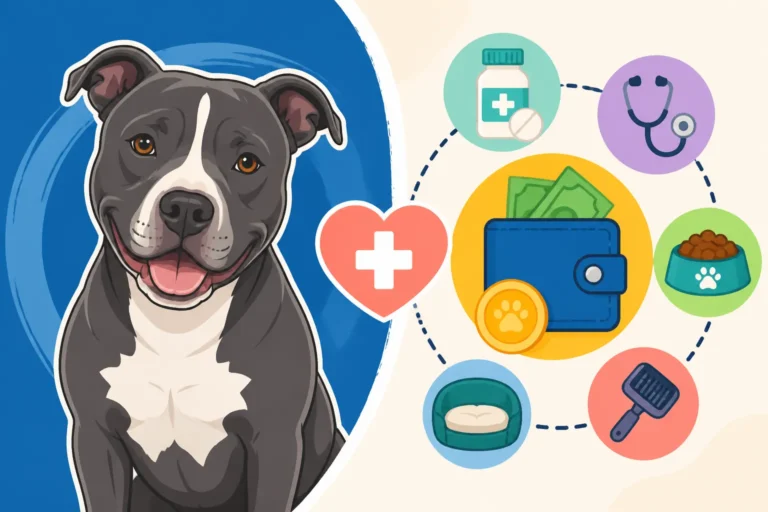
First and foremost, start an emergency fund specifically for your Pit Bull's health. Even if it's just putting away $50-$100 a month, over time, this can build up into a substantial safety net for unexpected flare-ups, medications, or specialized diagnostics. Think of it as your own personal pet insurance policy. Many veterinary clinics also offer payment plans or work with third-party financing options like CareCredit, which can help spread out large bills into manageable monthly payments. Don't be afraid to discuss your financial constraints with your vet; they often have suggestions or can prioritize treatments based on urgency and your budget. Understanding that Pit Bull Allergy Treatment as a Recurring Bill is the reality helps set expectations and encourages diligent savings, preparing you for the long haul. Remember, Saving Ahead of a Pit Bull Allergy Year can seriously reduce stress when those expensive prescriptions come due.
You might also look into breed-specific rescue organizations or charitable funds. While not always available for routine care, some organizations offer grants or financial assistance for significant veterinary procedures for Pit Bulls in need. It's worth exploring these options if you're facing particularly high costs.
Proactive Care and Prevention Strategies
Preventative care is your absolute best friend when managing allergies without insurance. The more you can prevent flare-ups, the less you'll spend on emergency vet visits and medications. This starts with a diligent routine:
- Dietary Management: If Food Allergies Behind Pit Bull Itching are suspected, embarking on An Eight Week Food Trial on an Itchy Pit Bull with a novel protein or hydrolyzed diet is crucial. Even if not food-related, a high-quality, balanced diet free of common allergens can support overall skin health. Many online retailers like Chewy offer a wide selection of prescription diets, or you might explore fresh food options from services like Ollie, which can often be customized to avoid specific allergens.
- Bathing and Topical Treatments: Regular bathing with appropriate shampoos can wash away environmental allergens and soothe irritated skin. Your vet might recommend Medicated Baths for a Pit Bull With Atopy or specialized shampoos.
- Environmental Control: Keeping your home clean, using air purifiers, and frequent vacuuming can reduce environmental allergens your Pit Bull is exposed to. Wiping paws after outdoor adventures can also help minimize allergen contact.
- Supplements: Discuss with your vet whether omega-3 fatty acids, probiotics, or other supplements could benefit your Pit Bull's skin barrier and immune system.
- Regular Vet Check-ups: Even without insurance, maintaining regular veterinary visits is vital. Your vet can catch minor issues before they escalate, adjust management plans, and help you stay on top of preventative measures. Early intervention is always less expensive than treating a full-blown crisis.
By being meticulous with your Pit Bull's daily care and maintaining open communication with your veterinarian, you can significantly reduce the frequency and severity of allergic flare-ups, ultimately saving money and improving your dog's quality of life, even if insurance isn't in the picture. The ongoing management of these conditions means considering solutions like Cleaning a Pit Bull Ear Properly if ear infections are a common symptom.
Common Misconceptions and Realities of Insuring an Allergic Pit Bull
When dealing with a beloved Pit Bull and their sometimes challenging skin issues, it’s easy to get caught up in misinformation or wishful thinking regarding pet insurance. Let’s clear up some common misunderstandings and face the realities head-on so you can make the most informed decisions for your furry family member.
Does a DNA Test Help Insurance Coverage?
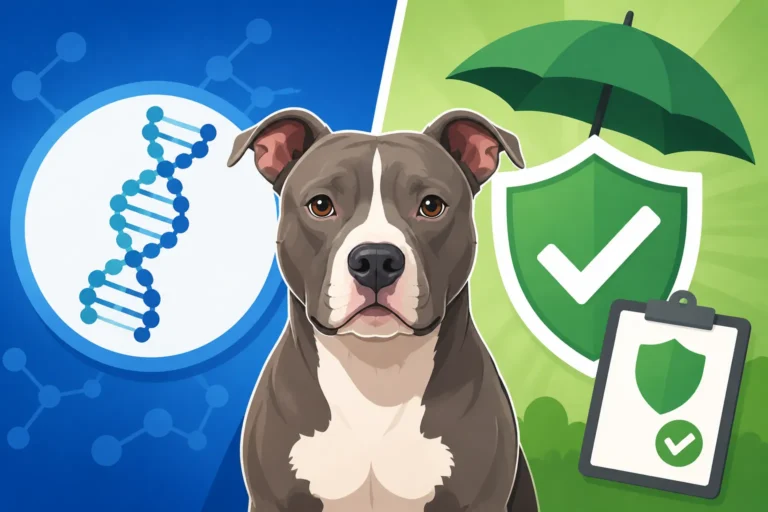
This is a question many Pit Bull owners ask, especially since the term "Pit Bull" itself can be a type rather than a single breed, and sometimes specific breed components are blamed for issues like allergies. While a DNA test can certainly be fascinating and provide insights into your dog's genetic makeup—revealing if they're a mix of American Pit Bull Terrier, American Staffordshire Terrier, or Staffordshire Bull Terrier, alongside other breeds—it generally has no bearing on whether a pre-existing skin allergy will be covered by pet insurance. Insurers are concerned with the medical history and observable symptoms, not the genetic predisposition itself.
The DNA test doesn't erase previous vet notes about itchy skin or paw licking. It doesn't magically make symptoms that appeared before enrollment disappear. Think of it this way: if a human has a genetic predisposition for heart disease, but symptoms (like high blood pressure) were present before they got health insurance, the insurance wouldn't cover those existing conditions just because a genetic test confirmed the predisposition. The same principle applies to pets. While it can be interesting to know Whether a Pit Bull Mix Inherits Its Skin Problems, it won't change your insurance outcome for a pre-existing condition.
The Impact of Medical Records on Claims
This is perhaps the single most critical reality check for pet insurance. Your Pit Bull's medical records are the bedrock of any insurance claim. Every note, every observation, every prescription your veterinarian has ever made regarding your dog’s health will be scrutinized by the insurance company when you file a claim for skin allergies. If there's a record of "mild itching," "ear redness," or "flaky skin" from a vet visit before your policy's start date or during its waiting period, that allergy issue will almost certainly be considered pre-existing, even if a formal diagnosis wasn't made at the time.
This means you need to be very transparent with your vet about any symptoms, even minor ones. Having a comprehensive What a Pit Bull Health History Should Cover from the get-go is vital. When enrolling in insurance, it's also helpful to gather all previous vet records and proactively review them yourself. Understand what's documented. If you're adopting an adult Pit Bull, try to get as complete a health history as possible from the shelter or previous owner. Any gaps or early signs of skin irritation in those records could lead to denials later on. It’s a harsh reality, but insurance companies operate on verifiable medical history, and those seemingly insignificant early notes can make all the difference.
Disclaimer
Please remember that this article is intended for informational purposes only and does not constitute veterinary advice or a substitute for professional consultation. Always consult with a qualified veterinarian regarding your Pit Bull's specific health needs and before making any decisions about their care, diet, or treatment plans. Pet insurance policies vary widely; always read your specific policy's terms and conditions carefully and contact your provider for clarification on coverage.