Apartment Complexes That Ban Pit Bulls Outright
The struggle to find a decent apartment when you share your life with a Pit Bull is a real, often heartbreaking challenge that far too many wonderful owners face. It feels like navigating a minefield, with every promising listing potentially harboring a hidden breed restriction that slams the door shut on your family. This guide is here to shed light on why apartment complexes ban Pit Bulls outright and, more importantly, to equip you with strategies to find a welcoming home for you and your beloved companion.
The Reality of Breed Restrictions in Rental Housing
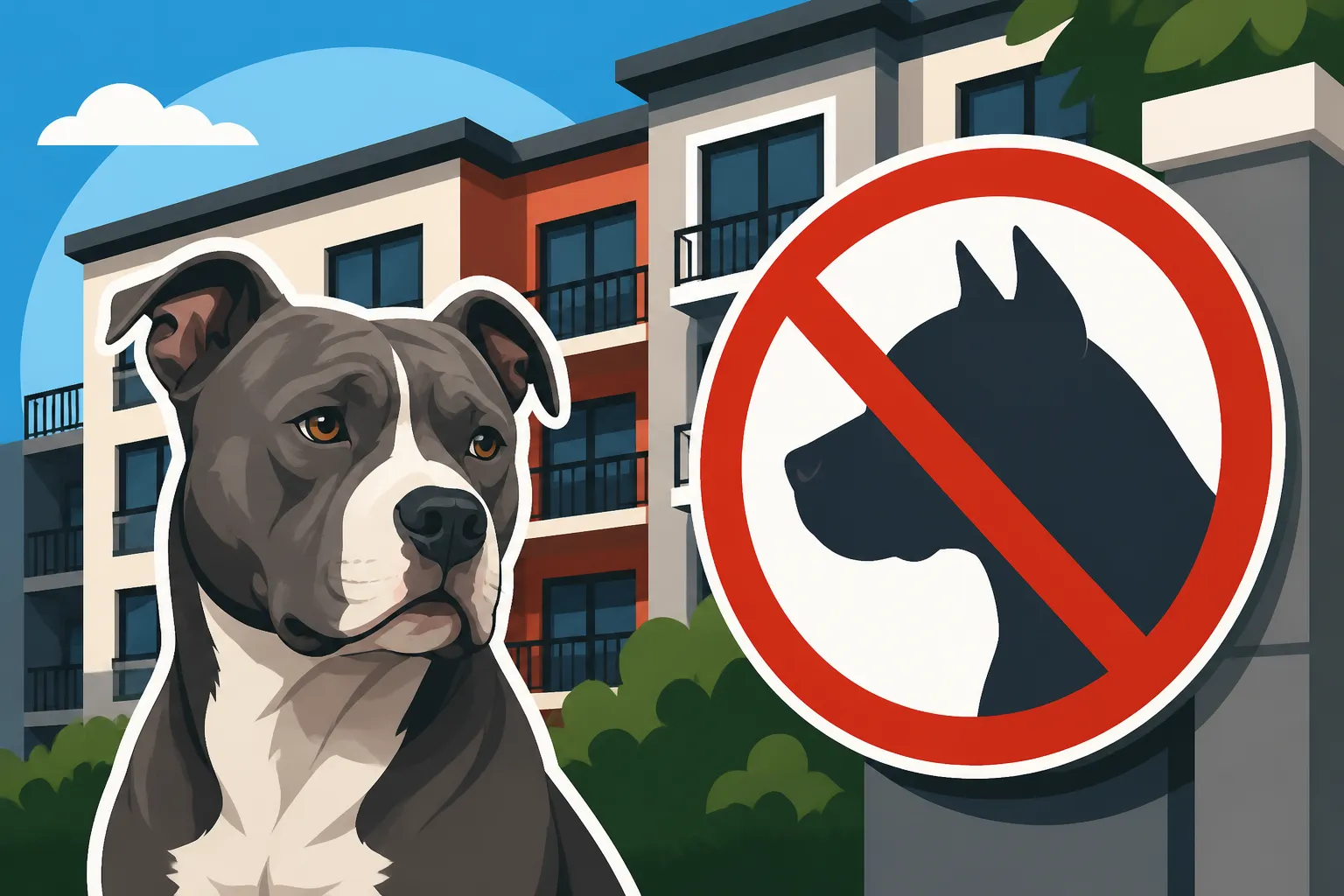
It’s an unfortunate truth that despite their loving nature, many Pit Bulls, or dogs perceived as Pit Bulls, are automatically excluded from rental properties. This isn't just about individual landlord preference; it's a systemic issue with roots in insurance policies, public perception, and broad generalizations.
Why Pit Bulls Are Often on Restricted Breed Lists
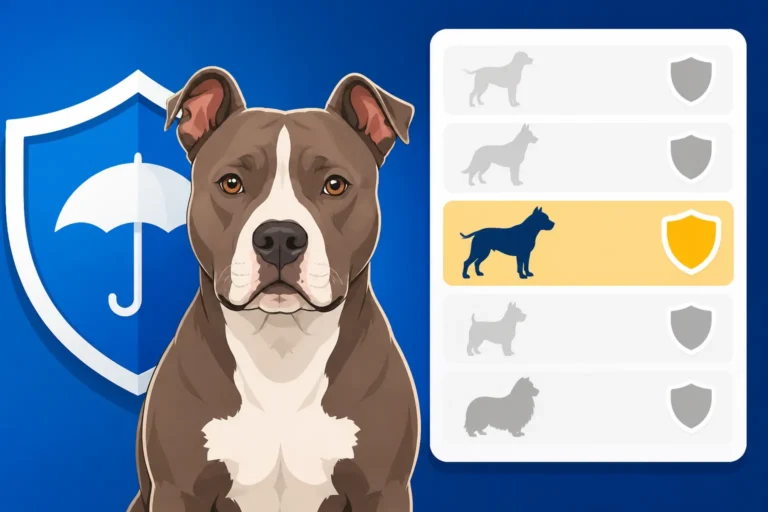
One of the biggest drivers behind breed restrictions in apartment complexes isn't the landlord's personal feelings about dogs, but the cold, hard reality of insurance policies. Many property insurance carriers maintain what are called "dangerous breed lists," and Pit Bulls are almost universally at the top of these lists. If a landlord's insurance company won't cover potential liability claims involving certain breeds, they often have no choice but to ban those breeds to maintain their coverage. This means that even if a landlord wants to be pet-friendly, their hands can be tied by the fine print of their policy.
Beyond specific breeds like the American Pit Bull Terrier or American Staffordshire Terrier, the term "Pit Bull" itself acts as an umbrella. It often includes any dog with a blocky head, muscular build, and short coat – meaning many mixed-breed dogs, or even breeds like Boxers or certain Mastiff types, can be unfairly lumped into this category. This broad classification only exacerbates the problem, as visual identification can be notoriously inaccurate. It’s a frustrating reality for owners of well-behaved, friendly dogs who simply look like a Pit Bull.
Historically, and unfortunately in some areas still today, breed-specific legislation (BSL) has played a significant role in shaping public and private policies. While many cities and states have started to repeal these bans, places like Miami-Dade County, Florida, only recently ended its ban on Pit Bulls after decades, and many other cities throughout the country still restrict them, which you can learn more about in resources like Cities That Still Restrict Pit Bulls. This legislative history contributes to a pervasive, often unfounded, negative perception that trickles down into private housing rules. Media sensationalism, often focusing on dog bite incidents without providing full context, further fuels this fear, making it harder for landlords to see beyond the stereotype.
Common Lease Clauses and What They Mean
When you’re sifting through apartment listings, you’ll often encounter various ways landlords try to implement pet policies. Some leases will explicitly list "Pit Bulls" or "Pit Bull type dogs" as prohibited. This is the most straightforward, albeit disheartening, ban. These clauses are usually non-negotiable, as bending the rules could jeopardize their insurance. It’s important to read every word of a potential lease, because what seems like a general "no aggressive breeds" clause can be interpreted very broadly by management, or by their insurer.
Other times, a lease might use more subtle language, such as "no dangerous breeds" or "breeds with a history of aggression." While this sounds vague, in practice, it almost always includes Pit Bulls because of the insurance industry’s classifications. It forces you into a situation where you might have to argue your dog’s case, which can be exhausting and often fruitless if the policy is firmly in place. These ambiguous clauses put the burden of proof on you, the tenant, to demonstrate your dog doesn't fit the "dangerous" label, even if you know they're a sweetheart.
Beyond direct breed bans, watch out for weight limits. Many complexes, especially those trying to appear pet-friendly without taking on larger dogs, will implement weight restrictions, say, "dogs over 40 pounds not permitted." Given that many adult Pit Bulls comfortably fall into the 40-70 pound range, this acts as an indirect ban. This is particularly frustrating for owners of smaller Pit Bulls or those who have dogs that are lean and muscular but still exceed arbitrary weight caps. It's another hurdle that often feels specifically designed to exclude certain types of dogs, regardless of their actual behavior.
Who Implements These Bans (Landlords, HOAs, Management Companies)
The entity enforcing the ban can significantly impact your ability to negotiate or find exceptions. Individual landlords who own one or a few properties might have more flexibility. Their personal insurance policy might not have breed restrictions, or they might be willing to explore options like increased liability coverage or meeting your dog personally. These landlords are often more amenable to hearing your specific situation and seeing your dog as an individual, not just a breed label.
Large corporate apartment complexes and property management companies, on the other hand, tend to be much stricter. They often operate under blanket policies dictated by large insurance providers and corporate legal teams. Their rules are designed for uniformity across hundreds or thousands of units, meaning individual exceptions are rare. Trying to negotiate with them often feels like talking to a brick wall, as their staff are typically just enforcing established company policy. For them, it's about minimizing risk across a vast portfolio, not about the individual dog.
Homeowner Associations (HOAs) also have a significant say in pet policies within their communities. Even if you own a condo or townhome, the HOA bylaws can include breed restrictions or weight limits that affect you. These bylaws are legally binding for all residents, and challenging them can be a long, costly, and difficult process, often requiring legal counsel. HOAs are typically governed by a board of residents, and their decisions can be influenced by community sentiment, which unfortunately sometimes includes breed prejudice. Understanding who sets the rules – be it an individual landlord, a corporate entity, or an HOA – is the first step in determining your approach. You might find more detail about how these rules come into play for owned properties in articles like HOA Bylaws Aimed at Pit Bull Type Dogs.
Strategies for Finding a Pet-Friendly Apartment with a Pit Bull
Navigating the rental market with a Pit Bull requires a proactive and strategic approach. It’s not impossible, but it demands more effort and preparation than for someone with a less restricted breed.
Proactive Research and Honest Communication
The most important advice when searching for housing with a Pit Bull is to start early, be exhaustive in your research, and always be upfront. Don't waste your time looking at places that explicitly list Pit Bulls as prohibited; move on. Instead, focus on properties that state "pets considered," "large dogs welcome," or "no breed restrictions." Websites like Zillow, Apartments.com, and specific pet-friendly rental sites often allow you to filter by pet policy, though you still need to verify the details. Some local rescue groups might even maintain lists of truly pet-friendly complexes.
Once you find a promising lead, it’s crucial to communicate honestly and transparently. Don't try to hide your dog or misrepresent their breed. This will only lead to bigger problems down the line, including potential eviction. Instead, be prepared to present your Pit Bull as the well-behaved, loving companion they are. A great tool for this is a "pet resume." This document should include:
- Your dog's name, age, and a friendly photo.
- Up-to-date vaccination records and veterinary contact information.
- Proof of spay/neuter.
- Training certificates (e.g., Canine Good Citizen).
- A brief, positive description of your dog's personality and habits.
- References from previous landlords or a dog trainer.
- Proof of renter's insurance with breed-neutral liability coverage.
Highlighting Your Dog's Training and Temperament
A well-trained Pit Bull is your best advocate. Investing in training not only makes your dog a joy to live with but also provides tangible proof of their good behavior. A Canine Good Citizen (CGC) certification from the American Kennel Club (AKC) is a fantastic asset. The CGC program tests a dog's basic manners and obedience, demonstrating they can be a polite member of society. Presenting a CGC certificate can often sway a hesitant landlord, as it shows your commitment to responsible ownership and your dog's ability to behave appropriately in public and around strangers. You can learn more about this in Canine Good Citizen and Why It Matters for a Pit Bull.
Consider also what other training your Pit Bull has undergone, particularly if they are accustomed to walking politely on a leash or greeting people calmly. Highlight any obedience classes, private training, or even simple tricks they know. A letter of recommendation from a professional dog trainer, especially one experienced with Pit Bulls, can also carry a lot of weight. This professional endorsement can reassure landlords that your dog is under control and well-managed. Some Pit Bulls even excel in more advanced training or therapy work, which are huge confidence boosters for a potential landlord. If you've put in the work, this is the time to show it off.
When you get to the stage of meeting a potential landlord or property manager, offer to introduce them to your dog. This face-to-face interaction can be incredibly powerful. When they see a calm, well-mannered Pit Bull greet them politely, it breaks down stereotypes. Ensure your dog is clean, well-groomed, and on their best behavior for this meeting. A calm demeanor, good leash manners (something often needed for a powerful dog, as discussed in Pit Bull Leash Manners and Physical Strength), and a friendly wag can speak volumes more than any breed label.
| Pet Resume Checklist | Description | Why it Helps |
|---|---|---|
| Contact Information & Photo | Your name, phone, email, dog's name, age, breed, a clear, friendly photo. | Creates a personal connection and shows transparency. |
| Veterinary Records | Up-to-date vaccinations, spay/neuter proof, vet contact. | Demonstrates responsible pet ownership and good health, assuring landlord that your dog is cared for. |
| Training Certificates | Canine Good Citizen (CGC), obedience class diplomas, therapy dog certification. | Provides objective proof of good behavior and manners, directly addressing potential concerns about temperament. |
| Previous Landlord References | Contact details of previous landlords willing to vouch for your dog. | Offers third-party validation that your dog was a good tenant, providing peace of mind. |
| Trainer or Sitter References | Contact information for professional trainers or trusted pet sitters. | Professional endorsement of your dog's temperament and your commitment to their well-being and training. |
| Behavioral Description | A paragraph on their personality, habits, house-training, social skills. | Paints a picture of a well-adjusted dog, highlighting their positive traits and dispelling stereotypes. Mention their favorite toys, routines, and how they interact with people/other animals. |
| Proof of Renter's Insurance | Policy declaration page showing liability coverage with no breed exclusion. | Reassures the landlord that potential liability risks are covered, often a key requirement for complexes. (Look for companies like State Farm or USAA if available to you, as they are often breed-neutral.) |
Exploring Legal Protections and Exceptions
For individuals with disabilities, there are specific legal protections that can override breed restrictions. The Fair Housing Act (FHA) mandates that housing providers must make reasonable accommodations for people with disabilities who require assistance animals (which include both Service Animals and Emotional Support Animals). This means that if your Pit Bull is a legitimate Service Animal (task-trained to mitigate your disability) or a prescribed Emotional Support Animal (providing therapeutic benefit for a mental health disability), a landlord cannot refuse to house you due to breed restrictions.
It is absolutely crucial to understand that these protections are not a loophole for pet owners. Misrepresenting a pet as an assistance animal is not only unethical but also illegal in many places. However, for those who genuinely rely on a Service Animal or Emotional Support Animal, these federal laws are powerful tools. You will need proper documentation from a licensed professional (e.g., doctor, therapist) to support your request for a reasonable accommodation. This documentation should clearly state your disability and the need for your specific animal. It’s a process that requires diligence and honesty, and more information can be found in resources like Getting a Landlord to Accept a Pit Bull. It's about legitimate need, not just wanting your dog to live with you.
Beyond the Apartment Search: Long-Term Considerations
Finding that perfect pet-friendly apartment is a huge win, but your journey as a Pit Bull owner in a rental doesn't end there. There are long-term impacts and ongoing responsibilities to consider.
The Impact of Housing Restrictions on Pit Bull Ownership
The constant struggle to find housing significantly impacts Pit Bull owners. It’s not just the stress of searching; it's the financial burden of potentially higher pet deposits, pet rent, and sometimes having to choose more expensive housing options. This struggle also takes a toll emotionally. The fear of having to move and facing breed restrictions again can prevent owners from forming stable, long-term housing plans. It creates a constant undercurrent of anxiety, always wondering if the next move will mean an impossible housing search.
Tragically, housing restrictions are one of the leading reasons Pit Bulls and Pit Bull type dogs end up in shelters. Owners are often forced to surrender their beloved companions because they cannot find housing that will accept them. This is a heartbreaking reality that underscores the severity of breed-specific policies. Many excellent dogs, through no fault of their own, are abandoned to an uncertain fate simply because of where they live. You can read more about this difficult topic in Why Housing Rules Send Pit Bulls to Shelters and Pit Bulls in American Shelters. It’s a stark reminder that while the responsibility lies with the owner to find appropriate housing, the policies themselves contribute to a profound societal problem.
What to Look for in a Pet-Friendly Lease Agreement
Once you've found a landlord willing to accept your Pit Bull, don't just skim the pet clauses. Read every line carefully. Look for details regarding pet deposits (refundable vs. non-refundable), monthly "pet rent," and any specific rules about pet behavior on the property. Some leases might have strict rules about leashing, waste disposal, or noise, which are all reasonable but need to be understood. For example, some may require dogs to be leashed at all times outside your unit, even in designated pet areas. Others might specify certain types of dog waste bags or disposal locations.
It's also essential to understand the liability clauses. Does the lease hold you responsible for any damage or incident involving your dog, regardless of fault? This is where your renter's insurance becomes critical. Ensure that your policy doesn't have a breed exclusion. You want to be sure you're covered in the unlikely event something happens. Understanding Lease Clauses That Name Pit Bull Type Dogs can give you a clearer picture of what to expect and what questions to ask. Don't be afraid to ask for clarification on any ambiguous clauses before signing. A good landlord will appreciate your thoroughness.
Insurance and Liability Considerations
Even if your landlord accepts your Pit Bull, securing adequate renter's insurance is paramount. Many standard renter's insurance policies have explicit breed exclusions, meaning they will not cover liability claims (like a dog bite) if the incident involves a dog on their restricted list. This leaves you, the owner, personally exposed to potentially enormous legal and medical bills. It’s not a risk worth taking.
Therefore, proactively seek out insurance providers that are known to be breed-neutral or do not have breed restrictions. Companies like State Farm, USAA (for military families), Farmers, Amica, and some local independent agencies often offer policies without these exclusions. When discussing your policy, be completely transparent about your dog's breed. Get confirmation in writing that your Pit Bull is covered under the liability portion of your policy. It’s also wise to consider a higher liability coverage amount, perhaps $300,000 or more, given the societal perception surrounding Pit Bulls. You might find more information about securing this vital protection in Renters Insurance That Accepts a Pit Bull and Getting Liability Cover With a Pit Bull.
Some owners even explore umbrella insurance policies, which provide an additional layer of liability coverage beyond what your renter's or homeowner's policy offers. This extra protection kicks in if the costs of a claim exceed your primary policy limits. This may seem like an extreme measure, but for Pit Bull owners, it can provide invaluable peace of mind in a world where perception can often outweigh reality. While it may seem daunting, brands like Healthy Paws and other pet insurance providers can offer financial support for vet bills, but remember they are different from liability insurance, which covers damage or injury your dog might cause to others or property. Make sure to have both aspects covered. For example, Chewy offers a variety of pet supplies, and while you're shopping there, you can sometimes find information on pet insurance options. Similarly, services like Ollie, which provide fresh dog food, focus on your dog's health, but their services don't replace the need for comprehensive liability coverage. Always clarify what each type of insurance covers.
Disclaimer
This article is intended for informational purposes only and does not constitute legal advice. Housing and pet laws vary by jurisdiction, and insurance policies have specific terms and conditions. It is crucial to consult with local legal professionals, housing authorities, and insurance providers to understand your rights and responsibilities.