Pit Bull Dental Work and Broken Teeth
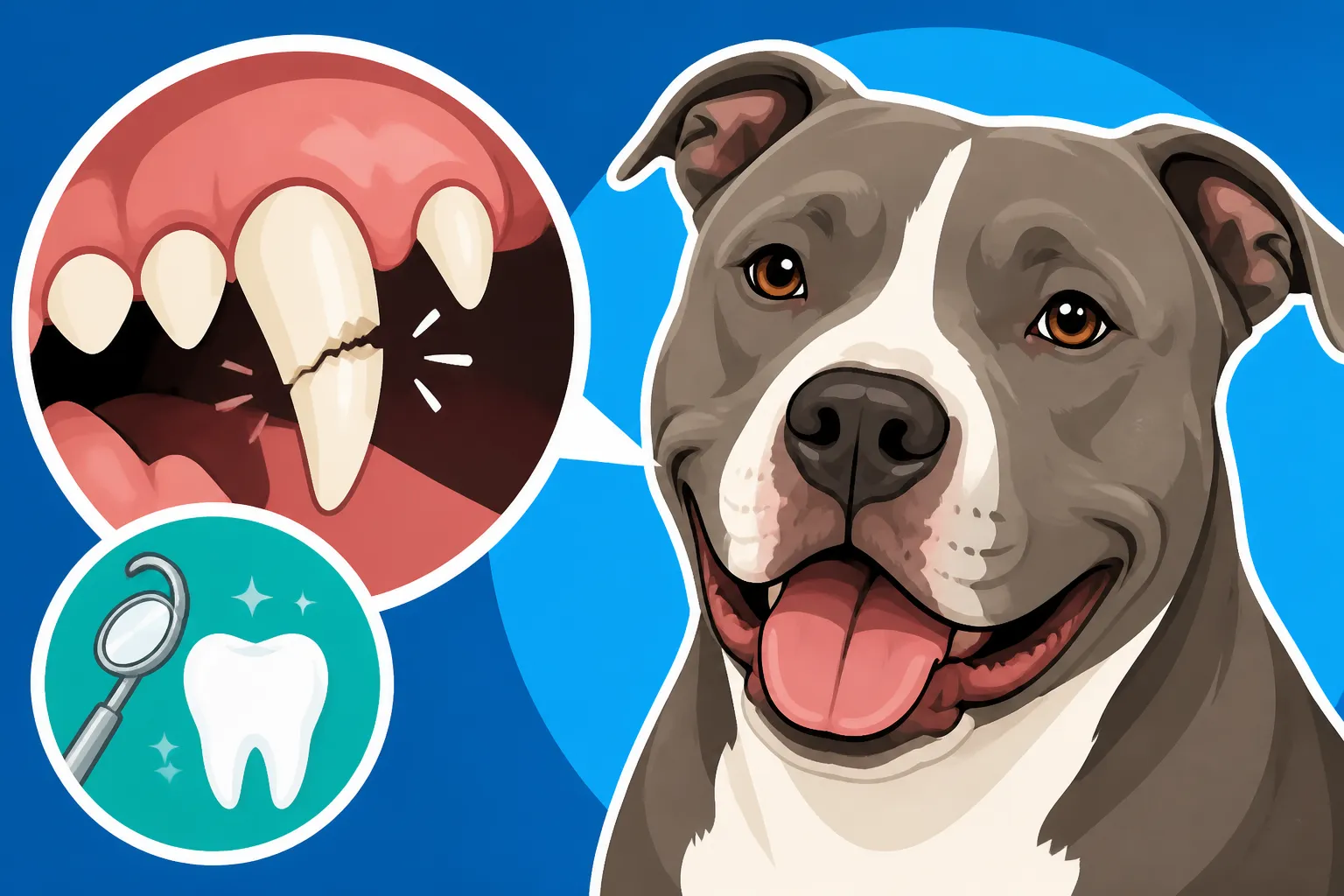
One of the most concerning yet often overlooked health issues for Pit Bull owners is dental disease, particularly broken teeth. Our strong, enthusiastic companions can easily damage their robust jaws and teeth on hard chews, toys, or even just through relentless chewing habits, leading to agonizing pain, infections, and significant veterinary bills. This comprehensive guide will walk you through understanding why Pit Bulls are prone to these issues, how to spot the signs, what dental procedures entail, and most importantly, how to prevent these painful problems from arising in the first place.
The Unique Challenges of Pit Bull Dental Health
Pit Bulls are renowned for their powerful jaws and love of chewing, a combination that, while endearing, can also pose significant risks to their oral health. Understanding these unique breed-specific factors is the first step toward safeguarding your dog's teeth.
Powerful Jaws and Chewing Habits
Let's face it, a Pit Bull’s bite force is impressive. They love to chew, and they chew hard. This isn't just about destructive tendencies; it's a natural canine instinct that helps clean teeth, relieve stress, and simply pass the time. However, this immense jaw strength, coupled with their often relentless chewing style, makes them particularly susceptible to dental fractures. A tooth that might withstand chewing from a smaller, less powerful breed can easily snap under the force of a determined Pit Bull. We often hear stories of owners finding splintered "indestructible" toys or pieces of bone, only to later discover their dog suffered a painful slab fracture on a back molar. It's a frustrating paradox: you want to give them something to chew for enrichment, but the very act can be hazardous.
This propensity for hard chewing also contributes to rapid wear and tear. While some wear is normal, excessive chewing on abrasive surfaces or objects can prematurely erode tooth enamel, making the teeth more vulnerable to sensitivity and decay. Imagine grinding down a tool with sandpaper – eventually, the tool loses its edge and structural integrity. The same applies to your Pit Bull's teeth. What might seem like a fun, durable chew can actually be slowly but surely damaging their dental health. This is why understanding which Chews That Crack a Pit Bull Molar are essential knowledge for any owner.
The Impact of Genetics and Breed Type
While not a single "breed" in the traditional sense, the various Pit Bull type dogs, including American Pit Bull Terriers and American Staffordshire Terriers, share certain genetic predispositions that can influence their dental health. Beyond the obvious physical traits like powerful jaws, some lines might be more prone to specific dental anomalies, although these are less common than fractures from chewing. For instance, some dogs can have malocclusions (misaligned bites), extra teeth, or even missing teeth, all of which can contribute to plaque and tartar buildup in hard-to-reach areas.
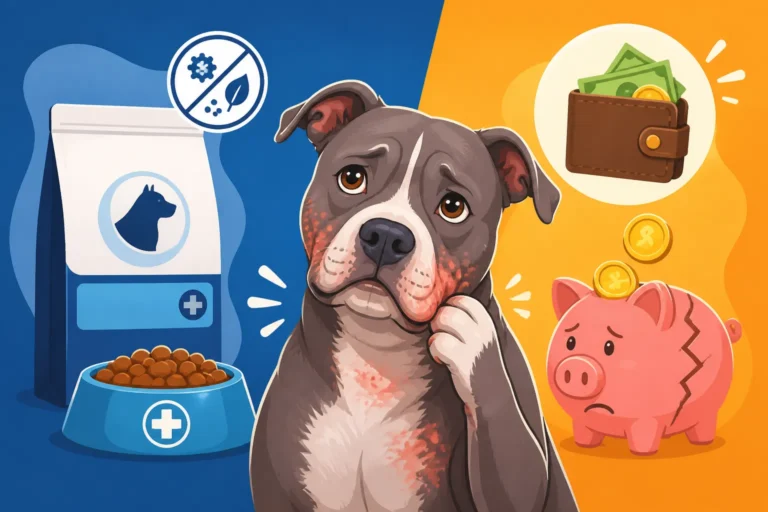
Furthermore, the general health and immune system of your Pit Bull can play a role. A dog with underlying health issues, such as allergies that cause chronic inflammation, might also experience secondary dental problems. For example, if your Pit Bull is constantly trying to relieve discomfort by chewing on hard objects because their mouth feels itchy due to allergies, it increases the risk of dental damage. It's a domino effect, where one health issue can inadvertently exacerbate another, making the overall care more complex. This also ties into the importance of understanding their overall Pit Bull Lifespan Across Twelve to Sixteen Years and how different health aspects are interconnected.
Common Dental Conditions Beyond Fractures
While broken teeth are a significant concern, Pit Bulls are also susceptible to a range of other common dental conditions, much like any other dog. The most prevalent is periodontal disease, which is an infection of the tissues surrounding the teeth. This starts with plaque, a sticky film of bacteria, which hardens into tartar. Over time, tartar irritates the gums, leading to gingivitis (gum inflammation) and eventually periodontal disease. This can cause receding gums, bone loss, and ultimately, tooth loss. You might notice a change in your dog's breath, known as halitosis – a sign that bacteria are thriving in their mouth.
Beyond periodontal disease, other issues include abscesses, where infection pockets form around the tooth roots, often due to neglected periodontal disease or a deep fracture. Oral tumors, while less common, can also occur, and early detection is crucial. These can range from benign growths to aggressive cancers. Lastly, unerupted teeth or retained deciduous (baby) teeth can also cause problems by trapping food and bacteria, leading to further dental complications. A comprehensive Pit Bull Dental Cleaning Schedule is vital to keep these issues at bay.
Recognizing and Addressing Broken Teeth in Your Pit Bull
It can be incredibly distressing to discover your Pit Bull has a broken tooth, especially if you didn't see it happen. Our dogs are often stoic, making it challenging to spot signs of pain. However, being vigilant about subtle changes in their behavior can make all the difference.
Subtle Signs of Oral Pain
Pit Bulls are tough dogs, and they often try to hide their pain, which means a broken tooth might not be immediately obvious. You might not see them limping or crying out, but there are subtle clues to look for. One of the first things you might notice is a change in their eating habits. Are they suddenly slower to eat? Are they dropping kibble or trying to chew on only one side of their mouth? Perhaps they start refusing hard food or treats they once loved, opting only for softer options. Sometimes, you might see them A Pit Bull That Refuses Food for a Day, which could be a sign of anything from stomach upset to severe dental pain.
Beyond eating, pay attention to their general demeanor. An otherwise energetic Pit Bull might become a bit more withdrawn or irritable. They might resist having their face or muzzle touched. Excessive drooling or pawing at their mouth can also indicate discomfort. If you try to examine their mouth, they might pull away or even snap, which is a significant departure from their usual trusting nature. Another often overlooked sign is a sudden decrease in their desire to play with chew toys, or if they do, they're noticeably less enthusiastic. Any persistent facial rubbing or head tilting could also be a subtle cry for help.
When to Seek Veterinary Attention
If you suspect your Pit Bull has a broken tooth or is experiencing any oral pain, it's crucial to seek veterinary attention promptly. Dental pain is excruciating, and delaying care can lead to more severe problems, including infections that can spread to other parts of the body. You should make an appointment immediately if you observe any of the subtle signs mentioned above, or if you can actually see a visible chip, crack, or missing piece of a tooth. Even a small fracture can expose the sensitive pulp chamber, leading to intense pain and bacterial invasion.
Don't wait for your dog to stop eating entirely or show overt signs of distress. By the time they're visibly suffering, the problem has likely been going on for a while and might require more extensive intervention. Regular vet check-ups, where the vet performs an oral examination, are also vital for early detection. If your vet mentions any concerns during a routine visit, take it seriously. It's always better to be proactive and address potential issues before they escalate into an emergency.
Diagnosis and Initial Assessment
When you bring your Pit Bull to the vet for suspected dental issues, the process usually begins with a thorough oral examination. This might involve your vet carefully looking at your dog's teeth and gums while they are awake, but for a truly comprehensive assessment, especially for pain or suspected fractures, sedation is almost always necessary. Only under sedation can the vet fully explore the oral cavity, probe around teeth, and identify subtle lesions or fractures that might be missed on a conscious exam. This is because a painful tooth makes a conscious exam difficult and potentially distressing for your dog.
Dental X-rays are an indispensable part of diagnosing broken teeth and other underlying oral pathology. Just like in human dentistry, much of the problem lies below the gum line, invisible to the naked eye. X-rays can reveal root fractures, abscesses, bone loss, and other issues that would otherwise go undetected. Without X-rays, a vet is essentially guessing at the full extent of the problem. Many clinics now have state-of-the-art digital dental X-ray equipment, allowing for rapid and detailed imaging. This comprehensive diagnostic approach ensures that your vet has all the information needed to recommend the most appropriate and effective treatment plan.
Understanding Common Pit Bull Dental Procedures
Once a dental issue, especially a broken tooth, has been diagnosed, your veterinarian will discuss the best course of action. Dental procedures can range from relatively straightforward cleanings to complex surgeries, all aimed at alleviating pain and restoring oral health.
Root Canal Therapy and Vital Pulpotomy
When a tooth fractures and the pulp (the innermost part of the tooth containing nerves and blood vessels) is exposed, it can be incredibly painful and is a direct pathway for bacteria into the bloodstream. In some cases, especially for important teeth like canines or large molars, a root canal therapy might be an option to save the tooth. This procedure involves removing the infected pulp, cleaning and shaping the root canal system, and then filling and sealing it to prevent future infection. It's a complex procedure, typically performed by a veterinary dental specialist, and it allows your dog to keep the tooth without pain.
Another option for fresh fractures, usually within 48 hours of injury, is a vital pulpotomy. This procedure aims to save the living pulp by removing only the damaged portion, applying a special medication to promote healing, and then sealing the tooth. It's less invasive than a full root canal and can be very successful in young dogs with healthy pulp. Both root canal therapy and vital pulpotomy are excellent alternatives to extraction, especially for those critical working teeth that Pit Bulls rely on for chewing and general oral function. They require specific training and equipment, and your vet might refer you to a board-certified veterinary dentist for these specialized procedures.
Tooth Extractions and Their Implications
Sometimes, a tooth is too severely damaged or infected to be saved, and extraction becomes the best option. This might be the case for teeth with extensive fractures, deep periodontal disease with significant bone loss, or severe abscesses. Tooth extractions in dogs, especially Pit Bulls with their robust roots, are surgical procedures performed under general anesthesia. The vet meticulously removes the tooth, including all root fragments, and often sutures the gum tissue over the extraction site. Post-operative care typically includes pain medication and antibiotics.
While extraction sounds drastic, it often provides immediate relief from chronic pain and removes a source of infection. The good news is that dogs adapt remarkably well to having teeth removed, even multiple teeth. They can continue to eat and live full, happy lives. However, for some dogs, especially after multiple extractions of large chewing teeth, a diet adjustment to softer foods might be necessary. It's important to follow your vet's post-operative instructions carefully to ensure proper healing and prevent complications. If you're concerned about Pit Bull Dental Disease and Hard Chewing, extractions are sometimes the only way to alleviate chronic issues.
Routine Dental Cleanings and Examinations
Even with the best at-home care, most Pit Bulls will require professional dental cleanings under anesthesia at some point in their lives. These routine cleanings, often referred to as COHAT (Comprehensive Oral Health Assessment and Treatment), are not just about aesthetics; they are crucial for preventing and managing periodontal disease. During a COHAT, your vet will perform a thorough oral exam, including probing under the gum line, and take full-mouth dental X-rays. They will then meticulously scale away plaque and tartar from above and below the gum line using ultrasonic and hand instruments, followed by polishing the teeth to smooth the enamel surface, making it harder for plaque to adhere.
These regular cleanings are essential for catching issues like developing periodontal disease, hidden fractures, or oral growths early. Depending on your Pit Bull's individual needs, a professional cleaning might be recommended annually or every few years. It's a cornerstone of preventative dental health, much like your own regular dental check-ups, and an absolute must for maintaining your Pit Bull's overall well-being. A consistent Pit Bull Dental Cleaning Schedule can make a huge difference in the long run.
Proactive Dental Care at Home and Safe Chew Choices
Preventative care is always better than reactive treatment, especially when it comes to your Pit Bull's teeth. Establishing a solid at-home dental routine and making smart choices about what your dog chews on can significantly reduce the risk of broken teeth and other painful oral conditions.
Establishing a Regular Brushing Routine
Believe it or not, brushing your Pit Bull's teeth is the single most effective way to prevent plaque and tartar buildup at home. It might sound daunting, especially with a powerful breed, but with patience and positive reinforcement, most dogs can learn to tolerate, if not enjoy, daily brushing. You'll need a dog-specific toothbrush (or a finger brush) and enzymatic dog toothpaste – never use human toothpaste, as it contains ingredients toxic to dogs. Start slowly, introducing the toothbrush and paste gradually, letting them lick the paste first. Focus on the outside surfaces of the teeth, particularly the back molars where plaque tends to accumulate most.
Aim for daily brushing, or at least several times a week, to effectively remove plaque before it hardens into tartar. Consistency is key! Make it a positive experience with treats and praise. Imagine the difference it makes in your own mouth if you brush regularly. The same applies to your Pit Bull. If you're wondering how to properly clean those hard-to-reach spots, check out our guide on Brushing Behind a Pit Bull's Back Teeth. Brands like Chewy offer a wide variety of dog-specific toothbrushes and toothpastes, making it easy to find what works best for your Pit Bull.
Selecting Appropriate Dental Chews and Toys
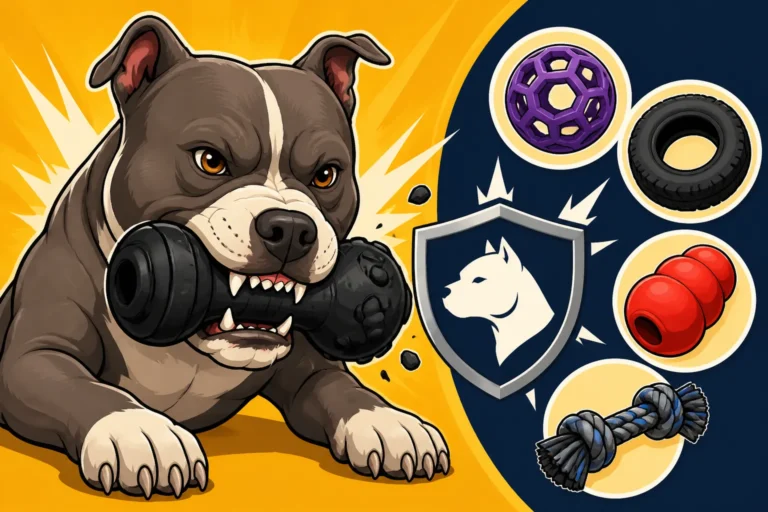
This is where many well-meaning Pit Bull owners inadvertently cause harm. While chewing is natural and beneficial, not all chews are created equal. The general rule of thumb is: if you can't indent it with your thumbnail or if you wouldn't want to hit your knee with it, it's too hard for your dog's teeth. This means avoiding natural bones (cooked or raw), antlers, hooves, nylon bones, and very hard pressed rawhide. These items are notorious for causing slab fractures, where a piece of the chewing tooth breaks off. Instead, opt for softer, more flexible options.
Look for dental chews that are specifically designed to be pliable and have the Veterinary Oral Health Council (VOHC) seal of acceptance, like those from Greenies or Dentastix. These products have been scientifically proven to help reduce plaque and tartar. Rubber toys, like those from Kong, are excellent for chewing and mental stimulation without posing a fracture risk. Always supervise your Pit Bull with new chews to ensure they are using them safely and to monitor for any signs of wear that could create sharp edges. It’s a delicate balance trying to satisfy their strong urge to chew while keeping their teeth safe, but products like those found on Chewy's dental health section can guide your choices. Remember, the goal is enrichment and dental hygiene, not a trip to the emergency vet for a broken tooth. Our guide on Chews Safe for Pit Bull Teeth offers more in-depth recommendations.
Diet and Its Role in Oral Hygiene
While brushing and appropriate chews are paramount, your Pit Bull's diet can also play a supporting role in maintaining oral health. Some commercial kibbles are formulated as "dental diets" with larger, uniquely shaped kibble designed to scrub the teeth as your dog chews. These often carry the VOHC seal and can be a good option, especially if your Pit Bull is prone to tartar buildup. However, it's important to remember that kibble alone is rarely enough to prevent dental disease, and certainly not enough to mitigate the risk of broken teeth from inappropriate chews.
For those considering fresh or gently cooked food options, brands like Ollie offer nutritious meals that can be easier on teeth and gums if your dog has existing sensitivity, but they don't necessarily "clean" teeth in the same way. The real benefit of a fresh diet for dental health often comes from preventing the causes of inflammation and disease that contribute to overall mouth health, rather than directly scrubbing teeth. Regardless of the diet you choose, proper nutrition supports a strong immune system, which is crucial for fighting off oral infections. Always ensure your Pit Bull's diet is balanced and appropriate for their age, activity level, and any specific health needs.
Navigating the Costs of Pit Bull Dental Care
Let's be real, veterinary care, especially specialized procedures like dental work, can be expensive. For Pit Bull owners, who often face higher general veterinary costs due to breed size and occasional predisposition to certain conditions, understanding and budgeting for dental expenses is crucial.
Estimating the Expense of Common Procedures
The cost of dental care for a Pit Bull can vary wildly depending on the procedure, the severity of the issue, your geographic location, and whether a specialist is involved. A routine professional dental cleaning (COHAT) under anesthesia, including X-rays, typically ranges from $500 to $1,500. This might seem steep, but it covers anesthesia, monitoring, scaling, polishing, and comprehensive diagnostics. If extractions are necessary, the cost can quickly climb. A simple extraction might add $50 to $200 per tooth, while a complex surgical extraction, especially for a large molar with multiple roots, could be $300 to $1,000 or more per tooth.
Specialized procedures like root canal therapy are significantly more expensive, often ranging from $1,500 to $4,000 per tooth, as they require a board-certified veterinary dentist and specialized equipment. Post-operative medications, follow-up visits, and potential complications can also add to the final bill. It's not uncommon for an emergency dental procedure for a broken tooth on a Pit Bull to reach several thousand dollars. This is why having a clear understanding of potential Pit Bull Surgery Costs From Hips to Teeth is so important for owners.
Here's a quick overview of estimated costs:
| Procedure | Estimated Cost Range (USD) | Notes |
|---|---|---|
| Routine Dental Cleaning (COHAT) | $500 – $1,500 | Includes anesthesia, X-rays, scaling, polishing. |
| Simple Tooth Extraction | $50 – $200 per tooth | For easily removed teeth. |
| Surgical Tooth Extraction | $300 – $1,000+ per tooth | For complex roots, fractured teeth, or multiple extractions. |
| Root Canal Therapy / Vital Pulpotomy | $1,500 – $4,000 per tooth | Requires specialist, often to save important canine or molar teeth. |
| Post-operative Medications (Pain/Antibiotics) | $50 – $200 | Varies by duration and type. |
| Emergency Exam Fee | $100 – $300 | Initial assessment in an emergency setting. |
The Role of Pet Insurance
Given the high costs associated with both routine and emergency dental work, pet insurance can be a lifesaver for Pit Bull owners. Many comprehensive pet insurance plans, like those offered by Healthy Paws, cover a significant portion of unexpected dental procedures, including extractions, root canals, and treatment for periodontal disease, as long as it's not a pre-existing condition. Some plans also offer wellness add-ons that can help cover the cost of routine cleanings.
It's crucial to read the fine print of any policy. Pay close attention to waiting periods, deductibles, reimbursement percentages (e.g., 70%, 80%, or 90% of eligible costs), and annual limits. Most policies will not cover pre-existing conditions, so if your Pit Bull already has a diagnosed broken tooth or severe periodontal disease before you enroll, those specific issues might be excluded. Enrolling your Pit Bull in pet insurance when they are young and healthy is the best strategy to ensure coverage for future dental problems. This is particularly important for managing overall Pit Bull Pet Insurance and Breed Exclusions that some companies may apply.
Budgeting for Preventative and Emergency Care
Even with pet insurance, you'll likely have out-of-pocket expenses for deductibles and co-pays. Therefore, budgeting for your Pit Bull's dental care is an essential part of responsible ownership. Consider setting up a dedicated savings fund specifically for veterinary expenses. Even putting aside $50-$100 a month can build a substantial cushion over a few years, which could cover a routine cleaning or a portion of an emergency procedure.
Prioritizing preventative care, like daily brushing and choosing appropriate chews, can save you money in the long run by reducing the need for expensive treatments. Investing in good quality dental products, like VOHC-approved chews, is a small cost compared to a surgical extraction. Remember, consistent at-home care, coupled with regular veterinary check-ups and potentially pet insurance, forms the most robust financial safety net for your Pit Bull's oral health. It’s all part of managing the ongoing financial commitment, which often includes considering What a Pit Bull Costs a Year With Allergies and other chronic conditions.
Long-Term Management and Maintaining Optimal Oral Health
Maintaining your Pit Bull's oral health is a continuous journey, not a one-time fix. It requires a commitment to consistent care, regular professional oversight, and an awareness of how their needs might change over time.
Regular Veterinary Check-ups
Beyond dedicated dental appointments, your Pit Bull's regular wellness exams are a critical component of long-term oral health. During these annual or semi-annual visits, your veterinarian will perform a basic oral assessment. While they can't do a deep dive without anesthesia, they can spot early signs of trouble, like significant tartar buildup, inflamed gums, or suspicious lumps and bumps. They might notice a chipped tooth that you hadn't seen, or suggest it's time for a professional cleaning based on the condition of their mouth.
These check-ups are also an opportunity to discuss your at-home dental care routine, address any challenges you're facing, and get personalized recommendations. Your vet can advise you on the best dental products for your specific Pit Bull, demonstrate proper brushing techniques, and help you gauge if their current chews are appropriate. Think of these visits as your oral health strategy sessions, ensuring you're always on the right track to prevent serious issues down the line. It's part of the comprehensive care needed to ensure your Pit Bull lives a full and healthy life.
Adapting Care as Your Pit Bull Ages
As your Pit Bull enters their senior years, their dental care needs may shift. Older dogs are more prone to advanced periodontal disease, root exposure, and sometimes have a weakened immune system that makes them more susceptible to oral infections. They might also have other health conditions, like heart or kidney disease, that influence the choice of anesthesia protocols for dental procedures. It's important to discuss these factors with your vet. They might recommend more frequent dental check-ups or cleanings, or suggest adjustments to their diet or chew toys if their teeth become more fragile.
An older Pit Bull might also experience increased sensitivity or discomfort in their mouth, even without visible issues. Signs of Tartar Building on Pit Bull Molars can become more pronounced. Be extra observant for changes in eating habits, drooling, or a reluctance to chew. While anesthesia always carries some risk, modern veterinary medicine offers very safe protocols, even for older pets, and the pain relief and improved quality of life from addressing dental disease often far outweigh the risks. Ensuring your senior Pit Bull remains comfortable and pain-free is paramount, and good oral health plays a huge part in their overall well-being during their golden years.
What to Do in a Dental Emergency
Despite all your best efforts, emergencies can happen. If your Pit Bull suddenly breaks a tooth, experiences severe oral bleeding, or shows acute signs of pain such as whimpering, inability to eat, or excessive pawing at the face, it's considered a dental emergency. The first step is to contact your veterinarian immediately. If it's outside of regular business hours, call your nearest veterinary emergency clinic. Do not attempt to treat the issue yourself with human pain relievers or home remedies, as many human medications are toxic to dogs.
While waiting for veterinary attention, try to keep your Pit Bull calm and comfortable. Avoid trying to examine the mouth yourself if your dog is in severe pain, as this could provoke a bite. If there's bleeding, you can try to apply gentle pressure with a clean cloth, but only if your dog tolerates it. The goal is to get professional veterinary care as quickly as possible. Timely intervention in a dental emergency can prevent further complications, reduce suffering, and often lead to a better outcome for your beloved companion. Knowing these immediate steps is crucial for any Pit Bull owner.
Disclaimer
The information provided in this guide is for general informational purposes only and does not constitute veterinary advice. Always consult with a qualified veterinarian for any health concerns or before making any decisions related to your Pit Bull's health and treatment. Individual circumstances can vary greatly.