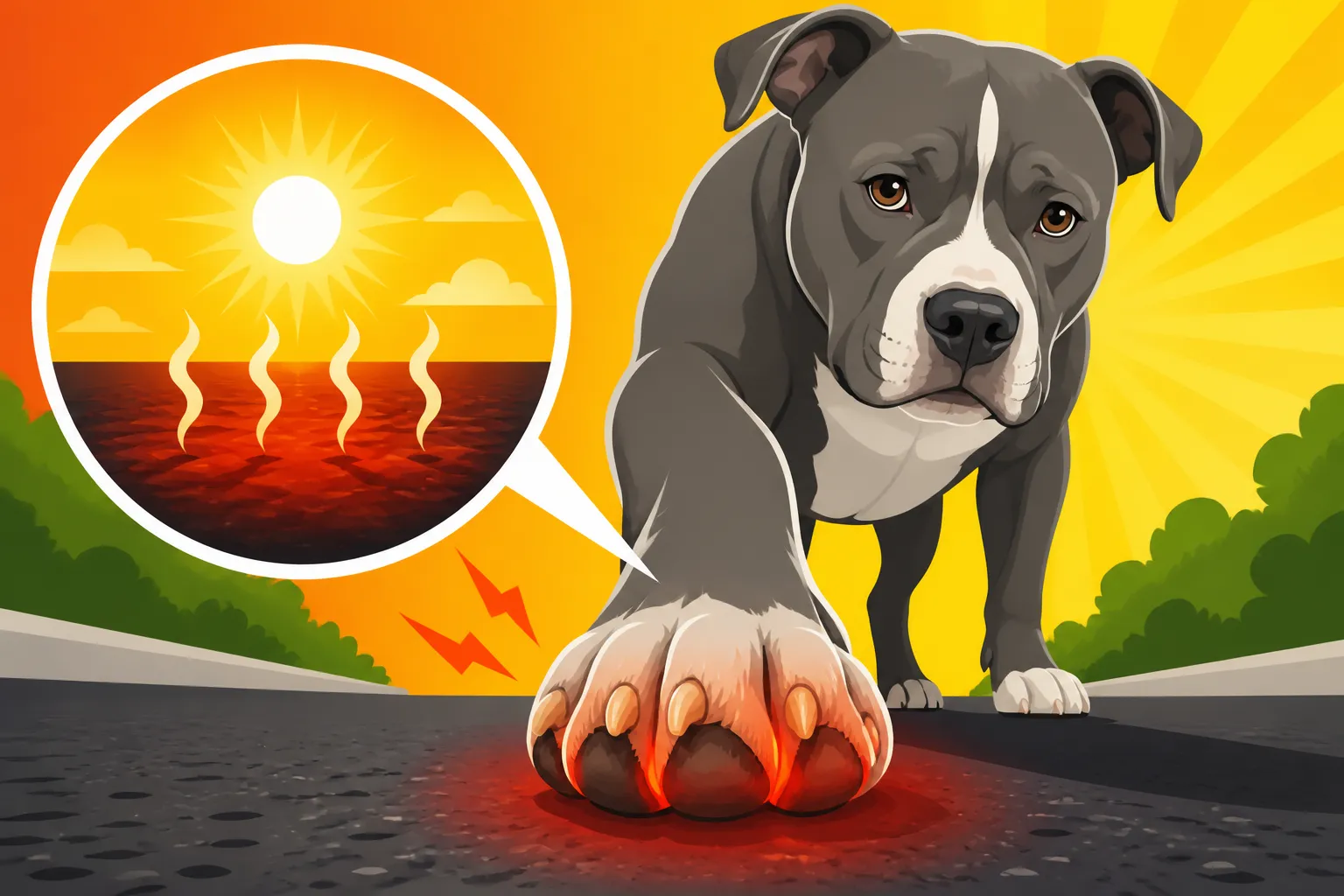
Hot Pavement Under a Pit Bull Paw
Few things are more heartbreaking than seeing your strong, vibrant Pit Bull suddenly limp or lick at their paws after a walk, only to discover the blistering reality of hot pavement burns. It's a common yet often underestimated danger, especially with their active nature and desire to be by your side. This guide will walk you through understanding why hot pavement is so dangerous for your Pit Bull's sensitive paw pads, how to protect them, and what steps to take if an accident happens, ensuring their comfort and safety during warmer weather.
The Hidden Danger of Hot Pavement for Pit Bulls
It’s easy to forget how much hotter surfaces can get compared to the air temperature, especially when we’re wearing shoes. For our Pit Bulls, with their eager energy and naturally tough but still sensitive paw pads, that seemingly warm pavement can quickly become a scorching hazard. Their paw pads, while built for resilience, aren't impervious to extreme heat, and unlike us, they don't have the luxury of slipping on a pair of sneakers before heading out the door. The ground can truly be an invisible enemy.
How Hot is Too Hot for Paws?
The "seven-second rule" is a widely shared guideline that really brings home the danger. If you can't comfortably hold the back of your hand or bare foot on the pavement for at least seven seconds, it's too hot for your Pit Bull's paws. This isn't just a casual suggestion; it's a critical safety measure. Asphalt and concrete absorb and retain heat far more efficiently than the ambient air, transforming a pleasant 75-degree Fahrenheit day into a potentially paw-blistering 125-degree surface. Imagine trying to walk barefoot on a blacktop parking lot in the middle of a summer afternoon – that’s essentially what we’re asking our dogs to do. This kind of heat can cause significant damage in a very short amount of time, sometimes less than a minute.
Think about the science behind it: dark surfaces like asphalt soak up solar radiation, converting that light energy into heat that then radiates outwards. Concrete, while lighter, also gets incredibly hot and holds that heat. Grass and dirt, on the other hand, dissipate heat much more effectively and stay cooler. When you consider the robust and active nature of a Pit Bull, who often loves to run, jump, and play, they're typically spending more time in direct contact with these hot surfaces. They often push through minor discomfort because they're so thrilled to be with you or engaged in an activity, making it even harder for us to gauge their pain until it's too late. It’s why understanding Heat Tolerance in a Short-Coated Pit Bull is so important, as their physical characteristics affect their overall sensitivity to extreme temperatures.
Signs of Paw Pad Burns and Discomfort
Recognizing the signs of paw pad burns early can make a huge difference in your Pit Bull’s comfort and recovery. Sometimes, the initial signs might be subtle, as many dogs, including Pit Bulls, are stoic and will try to push through pain, especially when excited. You might first notice them limping slightly, perhaps just a subtle shift in weight or an uneven gait. They might lift a paw more often, or refuse to put weight on a particular foot. Increased licking or chewing at their paws is a very strong indicator of discomfort or pain. This isn't just a casual grooming session; it's often an insistent, focused licking that signals irritation. You can learn more about this specific behavior in our guide on Pit Bull Paw Licking and Chewing.
Upon closer inspection, you might see redness on the paw pads, which could progress to swelling. In more severe cases, you'll find blisters forming on the pads, similar to what you'd see on human skin after a burn. These blisters can then rupture, leaving raw, painful areas that are highly susceptible to infection. The pads might also appear darker or discolored, or even feel unusually tender or hot to the touch. Sometimes, the outer layer of skin might even peel away, revealing the sensitive tissue underneath. It’s crucial to act quickly when you spot any of these signs, as even seemingly minor burns can escalate into serious problems, requiring veterinary intervention and potentially lengthy recovery.
Proactive Steps to Protect Your Pit Bull's Paws
Prevention truly is the best medicine when it comes to safeguarding your Pit Bull’s paw pads from the heat. We want our dogs to be active and happy, but not at the expense of their well-being. Incorporating a few simple habits into your routine can make a world of difference, allowing you both to enjoy walks and outdoor adventures without worry.
Timing Your Walks and Choosing Surfaces
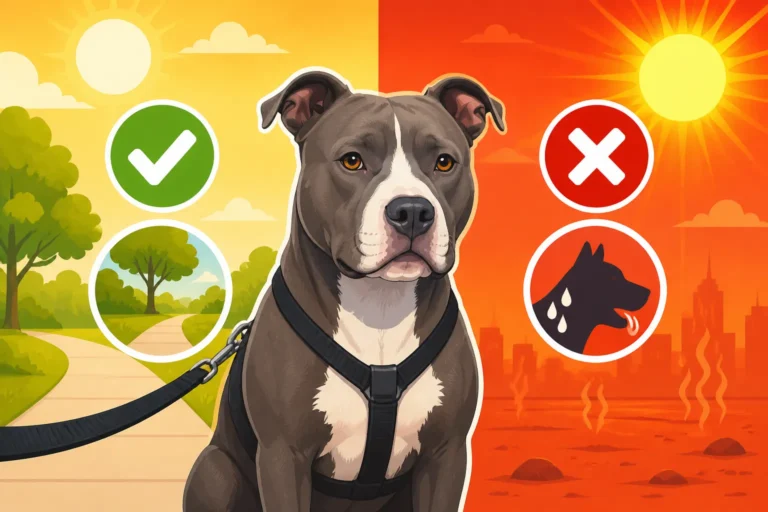
One of the most effective strategies is simply to adjust when you take your Pit Bull for a walk. During warmer months or on hot days, shift your outings to the cooler parts of the day. Early mornings, just after sunrise, are usually ideal, as the pavement has had all night to cool down. Similarly, late evenings, after the sun has set and the temperature has dropped considerably, are also good options. Avoid the midday heat altogether, typically between 10 AM and 4 PM, when the sun is strongest and surfaces are at their hottest.
Beyond timing, be mindful of where you walk. Prioritize grass, dirt trails, or shaded paths whenever possible. These natural surfaces don't retain heat in the same way asphalt and concrete do, providing a much safer and cooler surface for your Pit Bull's paws. If your regular route involves a lot of pavement, consider scouting out alternative parks or nature trails that offer more natural ground. Even walking on the shaded side of the street can offer a slight reprieve, but always remember to test the surface yourself first. For active dogs like Pit Bulls, ensuring their paws are protected is key to their overall health, especially when you consider The Daily Exercise a Pit Bull Actually Needs to stay fit and happy.
Protective Gear and Paw Conditioners
Sometimes, avoiding hot surfaces entirely isn't an option, or you might need an extra layer of protection. This is where protective gear comes in. Dog boots or booties can be a lifesaver, providing a physical barrier between your Pit Bull's paw pads and scorching pavement. When choosing booties, look for durable options with non-slip soles that can withstand the rigors of a Pit Bull's active stride. You can find a wide variety of excellent choices on platforms like Chewy or Amazon, often with reviews from other dog owners that can help guide your decision. It's an investment that pays off in peace of mind and paw health.
In addition to boots, paw balms and waxes can offer a measure of protection, though they are primarily for conditioning rather than outright heat shielding. Products specifically designed for paw pads create a protective, moisturizing layer that can help prevent cracks and dryness, keeping the pads supple and more resilient. While they won't make a sizzling sidewalk safe, they can certainly help maintain healthy paw pads, which are less prone to injury from general wear and tear. A healthy, well-conditioned paw pad, while still vulnerable to extreme heat, offers a better baseline. For ongoing care, consider using balms regularly, especially if you notice signs of Pit Bull Paw Pad Cracks and Balm becoming necessary.
Training and Acclimation for Paw Protection
Introducing your Pit Bull to booties might take a little patience and positive reinforcement. Most dogs aren't thrilled about wearing footwear at first, and your Pit Bull's strong will might make them particularly expressive about their disapproval! Start slowly:
- Introduce gradually: Let your Pit Bull sniff and investigate the booties. Offer treats.
- Short periods: Put one bootie on for a few seconds, praise, and remove. Build up to all four booties for very short periods indoors.
- Positive association: Make every interaction with the booties a positive one, using high-value treats and praise.
- Practice indoors: Let them walk around the house in the booties for a few minutes before attempting outdoor excursions. This helps them get used to the feeling and the slightly altered gait.
The goal is to make the booties a normal, even positive, part of their routine. If you approach it with patience and a calm, encouraging demeanor, most Pit Bulls will eventually accept them, understanding that booties mean fun walks are coming. This training also extends to general paw handling. Getting your Pit Bull comfortable with you touching their feet will make applying balms or checking for injuries much easier, a skill that's invaluable for their overall care.
What to Do If Your Pit Bull's Paws Get Burned
Despite our best efforts, accidents can happen. Maybe you misjudged the pavement temperature, or your Pit Bull dashed across an unexpectedly hot patch. Knowing exactly what to do if your Pit Bull's paws get burned is critical for minimizing pain, preventing further damage, and ensuring a swift recovery. Quick and calm action can make a significant difference.
Immediate First Aid at Home
If you suspect your Pit Bull has burned their paw pads, the very first thing you need to do is get them off the hot surface immediately. Move them to a cool, shaded area like grass, dirt, or even indoors if possible. Once safe, you need to cool the affected paws. Gently rinse their paws with cool (not icy cold) water for several minutes. A spray hose on a gentle setting or a cool, damp cloth can work well. The goal is to bring down the tissue temperature and reduce inflammation.
Avoid using any harsh chemicals, ointments, or home remedies unless specifically instructed by a veterinarian. Many human burn creams can be toxic if licked, and some ingredients can actually irritate the burn or cause further damage. After cooling, gently pat the paws dry with a clean towel. Try to keep your Pit Bull calm and still to prevent further irritation. If they continue to lick aggressively at their paws, you might need to use an Elizabethan collar (E-collar) to prevent them from doing more damage, but this should ideally be under veterinary guidance. This immediate action can help prevent the burn from worsening before professional help can be sought. In severe cases, the immediate concern shifts to the need for Pit Bull Emergency Vet Visit Costs as swift professional intervention is key.
When to Seek Veterinary Care
While some very minor redness might resolve with careful home care, it's always safest to consult your veterinarian if you suspect paw pad burns. There are clear red flags that indicate an immediate trip to the vet is necessary:
- Blistering: Any visible blisters on the paw pads.
- Deep redness or discoloration: Extensive or very dark red areas.
- Raw or peeling skin: If the top layer of the pad is peeling away.
- Severe limping or refusal to walk: If your Pit Bull is in obvious pain or can't bear weight.
- Excessive licking or chewing: Persistent self-trauma indicates significant discomfort.
- Signs of infection: Redness, swelling, pus, or foul odor developing in the days following the initial injury.
Your vet will be able to properly assess the severity of the burns, clean the wounds thoroughly, prescribe appropriate pain medication, and potentially antibiotics to prevent or treat infection. They may also apply special dressings or bandages to protect the sensitive pads as they heal. Given the active nature of Pit Bulls, ensuring proper care for paw injuries is critical to prevent complications and allow them to return to their normal energetic selves.
Long-Term Recovery and Prevention
Recovery from paw pad burns can take time, sometimes weeks, depending on the severity. During this period, strict adherence to your veterinarian's instructions is paramount. This will likely involve keeping the paws clean and dry, regular bandage changes (if prescribed), and administering any medications. Limiting your Pit Bull’s activity will be essential, which can be challenging for such a high-energy dog. Gentle, supervised potty breaks on soft, cool surfaces might be the only outdoor activity allowed for a while.
Once the paws are healed, the focus shifts back to prevention. Recommit to the proactive measures discussed earlier:
- Strict adherence to timing walks: Stick to early mornings or late evenings during warm weather.
- Prioritize cool surfaces: Choose grass, dirt, or heavily shaded areas for walks.
- Consistent use of protective gear: Make booties a habit for any walks on pavement when temperatures are high.
- Regular paw pad conditioning: Use balms to keep pads healthy and resilient.
It's a lesson learned the hard way for many of us, but protecting those vital paw pads is a fundamental part of caring for our beloved Pit Bulls. Their ability to move comfortably and enjoy their lives depends on the health of their feet. By being vigilant and proactive, you can ensure your Pit Bull's paws stay safe, allowing them to happily explore the world at your side for years to come.
Disclaimer
This article is for general informational purposes only and does not constitute professional advice. Laws, prices and regulations vary by location and change over time. Consult a qualified professional for guidance on your specific situation.