Pit Bull Paw Licking and Chewing
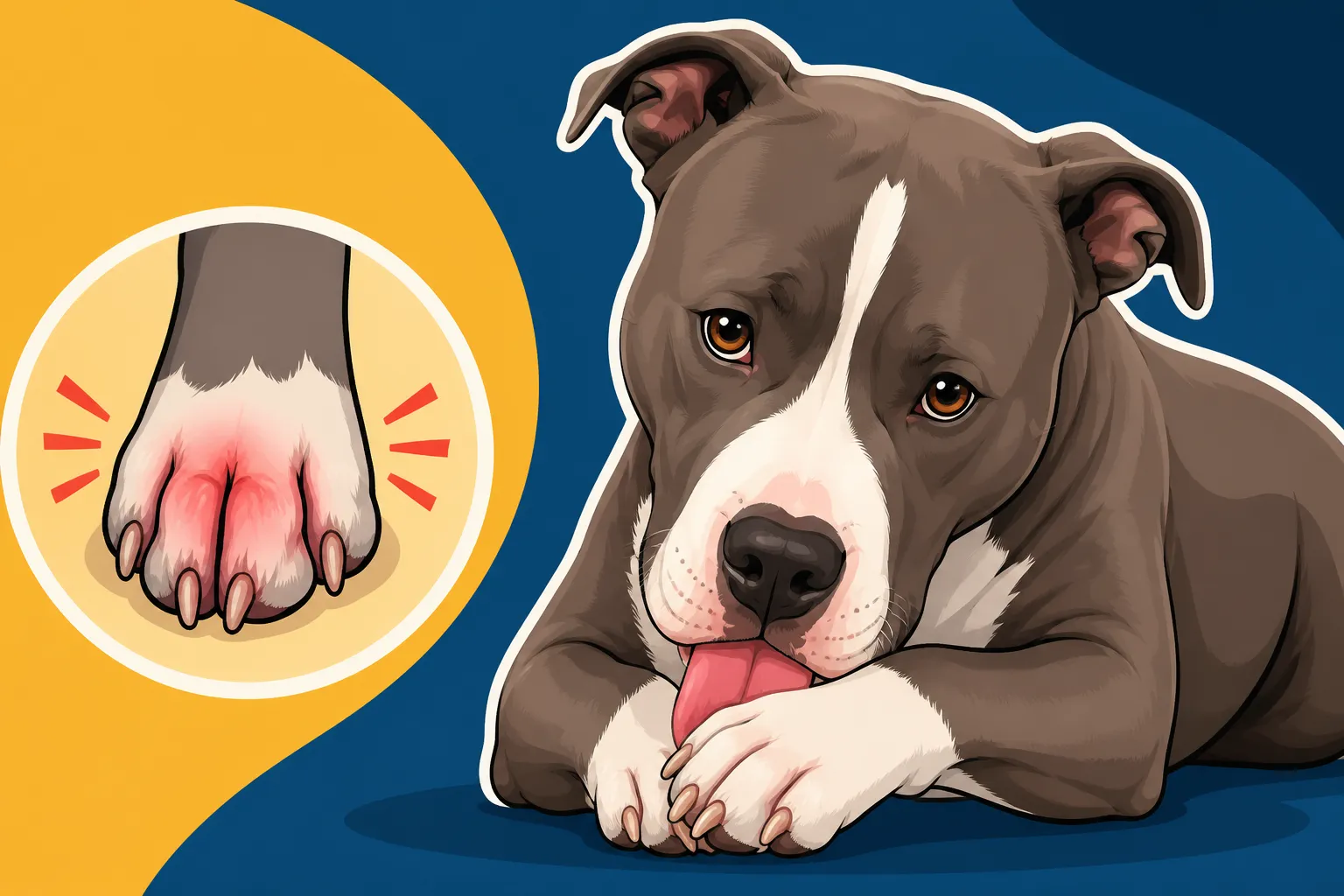
It’s incredibly frustrating and heartbreaking to watch your beloved Pit Bull constantly licking and chewing at their paws. You see them doing it non-stop, sometimes even through the night, and you just know they’re uncomfortable, irritated, or worse, in pain. It can feel like an endless cycle of worry, wondering what’s causing it and how you can possibly make it stop. This comprehensive guide is here to unravel the mystery behind why Pit Bulls lick and chew their paws, exploring the most common culprits, how to get to the bottom of the issue, and practical, empathetic steps you can take to bring your furry friend much-needed relief.
Understanding Why Pit Bulls Lick and Chew Their Paws
When your Pit Bull is relentlessly licking or chewing their paws, it's rarely just a bad habit. More often than not, it's a clear signal that something isn't quite right. These powerful, intelligent dogs might be stoic in many ways, but persistent paw attention is their way of telling you they're experiencing discomfort, itching, pain, or even stress. Ignoring it can lead to more serious problems, like secondary infections or deeper behavioral issues. It's crucial to approach this behavior with curiosity and a desire to understand the underlying cause.
There are numerous reasons why a Pit Bull might fixate on their paws, ranging from environmental irritants to internal health concerns. Their paws are their primary contact with the world, making them highly susceptible to external factors, but also a reflection of their overall internal well-being. Think of it like your own hands and feet – they’re often the first places you notice problems from external exposure or internal health issues. Understanding these categories is the first step toward effective intervention.
Environmental Allergies and Irritants
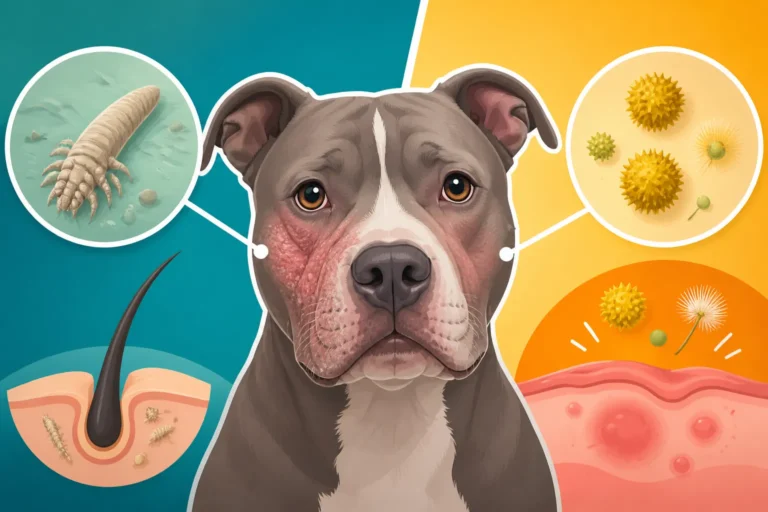
Environmental allergies, often referred to as atopy, are a huge reason why many Pit Bulls develop an obsession with their paws. Just like people can be allergic to pollen, dust mites, or certain grasses, Pit Bulls can experience intense itchiness from these same allergens. When they walk through grass or spend time outdoors, these microscopic irritants can cling to their paw pads and between their toes, triggering a localized allergic reaction.
The response is often a maddening itch that drives them to lick, chew, and sometimes even bite at their paws until they are raw. This can escalate, especially during peak allergy seasons. Imagine having an itch you just can't scratch properly, and it gives you a sense of their frustration. For a deeper dive, check out our guide on Pit Bull Skin Allergies and the Atopy Pattern.
Beyond true allergies, irritants in their environment can also cause issues. This includes things like harsh cleaning chemicals on your floors, certain types of fertilizers or pesticides used on lawns, or even rock salt used on sidewalks in winter. These substances can cause contact dermatitis, leading to localized inflammation and itchiness. Your Pit Bull might step on something irritating during a walk, and by the time you're home, their paws are already bothering them, leading to immediate licking.
Food Allergies or Sensitivities
While environmental allergies are often the first suspect, food allergies or sensitivities are another significant, yet often overlooked, cause of paw licking and chewing in Pit Bulls. Unlike environmental allergies, which might be seasonal, food-related itchiness often persists year-round. The proteins in common dog foods, like chicken, beef, dairy, or wheat, are the usual culprits.
When a Pit Bull has a food allergy, their immune system mistakenly identifies a harmless food protein as a threat, triggering an inflammatory response throughout their body. This inflammation often manifests as skin issues, with the paws being a common target. You might notice your dog is also scratching other areas, like their ears or belly, but the paw licking can be particularly intense. If you're struggling to pinpoint dietary triggers, our article on Food Allergies Behind Pit Bull Itching offers valuable insights.
It's not always a full-blown allergy; sometimes, it's a sensitivity. This means their body doesn't handle certain ingredients well, leading to digestive upset in some cases, but also often chronic skin inflammation and itch. Switching diets multiple times without a proper elimination trial often doesn't solve the problem because owners might inadvertently introduce new allergens or not eliminate the core issue long enough to see a difference. This is where patience and a systematic approach become incredibly important.
Pain, Injuries, and Orthopedic Issues
Sometimes, the licking isn't about itchiness at all, but outright pain. Pit Bulls are robust and active dogs, making them susceptible to paw injuries. A thorn, a small cut, a fractured nail, or even a sting from an insect can cause localized pain that prompts intense licking. Imagine stepping on a sharp pebble yourself – your immediate reaction is to tend to the sore spot.
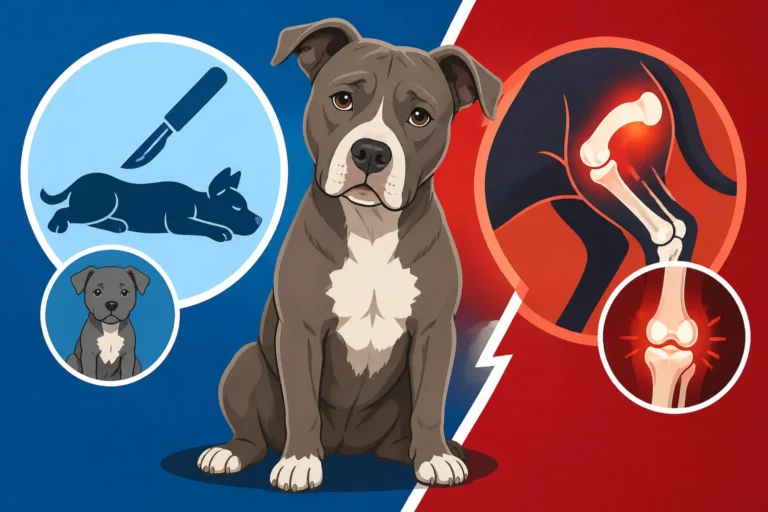
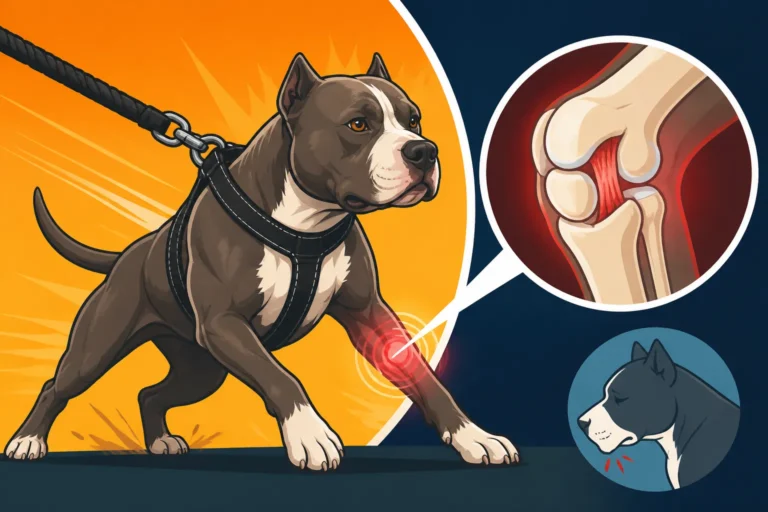
Beyond acute injuries, underlying orthopedic issues can also contribute. Conditions like arthritis, even in its early stages, or ligament problems in the joints of their paws and lower legs, can manifest as discomfort. A Pit Bull might lick the affected paw as a self-soothing mechanism, trying to alleviate the ache. It's not uncommon for a dog favoring one leg due to a Pit Bull Joint and Ligament Injuries to focus their attention on that paw. The constant licking can sometimes mask the initial injury, making diagnosis more challenging for owners.
Older Pit Bulls are particularly prone to age-related joint pain that can lead to paw discomfort. Even if the primary source of pain is higher up, say in their elbow or hip, they might direct their licking behavior toward the paw as a general area of discomfort on the limb. This is why a thorough physical examination by a vet is so important when pain is suspected. They can often pinpoint areas of tenderness that you might miss.
Parasites and Infections
Uninvited guests like mites, fleas, or even ringworm can cause intense irritation on your Pit Bull's paws, leading to excessive licking and chewing. Flea allergy dermatitis, for example, can cause an allergic reaction to flea saliva that creates widespread itchiness, including on the paws. Even if you don't see fleas, a single bite can trigger a significant reaction in sensitive dogs.
Mites, like those responsible for Demodex mange, can also target the paws, causing hair loss, redness, and itching. This is particularly common in younger Pit Bulls or those with compromised immune systems. Our guide on Demodectic Mange in a Pit Bull Puppy provides more specific information if you suspect this. Sarcoptic mange, while less common, also causes extreme itchiness that can drive a dog to chew their paws raw.
Beyond parasites, bacterial and yeast infections are incredibly common secondary problems. When a Pit Bull constantly licks or chews due to allergies or pain, they introduce moisture and bacteria from their mouth into microscopic skin breaks. This creates a warm, moist environment perfect for bacteria (leading to pyoderma) or yeast (often Malassezia) to thrive. These infections cause even more itchiness, creating a vicious cycle of licking, infection, and increased discomfort. You might notice a distinctive "yeasty" smell or greasy skin between their paw pads if a yeast infection is present.
Behavioral and Psychological Factors
Sometimes, the root cause isn't physical at all, but behavioral or psychological. Just like people might bite their nails when stressed, anxious, or bored, Pit Bulls can engage in compulsive paw licking and chewing for similar reasons. Separation anxiety, for instance, can manifest as destructive behaviors, including excessive grooming of their paws, when left alone.
A lack of mental stimulation and physical exercise can also lead to boredom-induced licking. Pit Bulls are intelligent and energetic dogs; if they're not given enough to do, they can find their own "entertainment," and paw chewing can become a habit. This is especially true if the behavior started for a physical reason and then became a comforting routine.
Stress from changes in environment, new family members, or even loud noises can also trigger anxiety-related licking. It's a self-soothing mechanism that releases endorphins, making it a difficult habit to break once established. It's important to consider their daily routine, social interactions, and overall stress levels when trying to solve this puzzle.
Getting to the Bottom of the Licking: A Diagnostic Journey
Figuring out exactly why your Pit Bull is relentlessly licking and chewing their paws can feel like detective work, but it's a crucial step toward effective treatment. Because the causes are so varied, a systematic approach, usually in partnership with your veterinarian, is essential. Trying to guess and treat at home without a proper diagnosis often leads to frustration and prolongs your dog's discomfort.
Many pet owners, understandably, jump to conclusions based on what they've heard or read, but a vet has the tools and expertise to rule out certain conditions and confirm others. They'll look at the big picture: your Pit Bull's history, environment, diet, and symptoms, as well as conduct specific diagnostic tests to get concrete answers. Don't be afraid to document everything you've observed, from frequency to specific triggers, as this information can be invaluable.
The Essential Veterinary Examination
Your first and most important step should always be a visit to your veterinarian. They will begin with a thorough physical examination, paying close attention to your Pit Bull's paws, skin, coat, and overall body condition. This isn't just a quick look; it's a detailed inspection. They'll check between the paw pads, examine the nail beds, and look for any signs of redness, swelling, lesions, hair loss, or discharge. They'll also feel for any areas of pain or tenderness in the joints of the paw and leg.
During this exam, your vet will also ask you a lot of questions about your Pit Bull's history. When did the licking start? Is it constant or intermittent? Does it seem worse after walks, certain foods, or during specific seasons? Have there been any recent changes to their diet, environment, or routine? What medications or topical treatments have you tried? This detailed history, combined with the physical findings, helps them narrow down the potential causes significantly. Sometimes, what seems like a minor detail to you could be a key clue for the vet.
It's during this initial visit that your vet might identify obvious culprits, such as a foreign object lodged in a paw, a visible injury, or characteristic signs of a common infection. They might also assess for general signs of allergic disease, such as concurrent ear infections or overall body itchiness. This foundational examination is critical before moving on to more specialized diagnostics.
Diagnostic Tests for Confirmation
Once the initial examination is complete, your vet may recommend specific diagnostic tests to confirm or rule out potential causes. These tests are not about guesswork; they provide concrete evidence.
One of the most common tests for paw licking is a skin scraping. This involves gently scraping the surface of the skin (and sometimes pinching it) with a blade to collect cells and debris, which are then examined under a microscope. This is excellent for identifying mites, such as Demodex or Sarcoptes, which are invisible to the naked eye. Another common test is cytology, where a sample is taken from the skin (often by pressing a slide onto the affected area or using a cotton swab) to look for yeast or bacteria. These infections are often secondary to an underlying issue, but identifying them is crucial for appropriate treatment.
If allergies are highly suspected, especially food allergies, an elimination diet trial is often recommended. This isn't a quick fix; it's a dedicated process involving feeding a novel protein and carbohydrate source (one your dog has never eaten before) or a hydrolyzed protein diet for a strict 8-12 weeks. During this time, absolutely no other treats, chews, or flavored medications can be given. This requires immense commitment but is the gold standard for diagnosing food allergies. For environmental allergies, your vet might discuss allergy testing, either blood tests or intradermal skin tests, to identify specific allergens, which can then guide immunotherapy treatment. These options can be a significant investment, but pet insurance providers like Healthy Paws can sometimes help cover diagnostic testing and ongoing allergy management.
| Potential Cause | Common Symptoms | Initial Owner Observation | Veterinary Diagnostics |
|---|---|---|---|
| Environmental Allergies | Red, itchy paws, often worse seasonally, chewing | Licking after outdoor time, redness between toes | Allergy testing (blood or intradermal), clinical signs |
| Food Allergies | Year-round itching, sometimes GI upset, ear infections | Persistent licking regardless of season, no obvious outdoor trigger | Strict 8-12 week elimination diet trial |
| Pain/Injury | Limping, favoring a paw, sudden onset of licking, swelling | Specific paw focus, hesitation to bear weight, visible wound | Physical exam, X-rays, palpation |
| Parasites | Intense itching, redness, hair loss, bumps, scabs | Constant scratching/chewing, visible fleas/ticks or scabs | Skin scrapings, flea comb, fecal exam |
| Bacterial/Yeast Inf. | Redness, swelling, discharge, odor, greasy skin | "Yeasty" smell, inflamed areas, increased licking intensity | Cytology (microscopic exam of skin cells) |
| Behavioral/Anxiety | Licking when alone, during stress, no physical signs | Licking linked to specific events (leaving, loud noises) | Ruling out medical causes, behavioral assessment |
Observational Clues from Owners
While your vet will conduct the formal diagnostics, your detailed observations at home are incredibly powerful and shouldn't be underestimated. You spend the most time with your Pit Bull and notice subtle patterns that a vet might not see during a short appointment.
Keep a detailed log or journal. When does the licking occur most often? Is it after walks on certain types of terrain (grass, pavement, snow with salt)? Is it worse after they've eaten a specific food or treat? Does it intensify when they're left alone or during thunderstorms? Does it only affect one paw or all of them? Is there a noticeable smell? Does the skin look different – red, swollen, greasy, or flaky? Does a specific paw seem more sensitive to touch?
Noting if the licking is accompanied by other symptoms like ear infections, rubbing their face on the carpet, or gastrointestinal upset can provide critical clues. For instance, if your Pit Bull is constantly licking their paws and also has recurring ear infections, it strongly points towards an underlying allergy. Similarly, if they start licking frantically immediately after you've applied a new cleaning product to the floor, it suggests a contact irritant. These seemingly small details help your vet piece together the puzzle and avoid unnecessary tests. This owner-driven detective work is a partnership that vastly improves the chances of a rapid and accurate diagnosis.
Tackling the Itch: Addressing Allergies in Your Pit Bull
Allergies are, hands down, one of the most common reasons Pit Bulls excessively lick and chew their paws. It’s not just a minor annoyance; for them, it's a relentless, maddening itch that can significantly impact their quality of life. Understanding that allergies are often chronic conditions that require ongoing management, rather than a one-time fix, is crucial. The goal isn't always to "cure" the allergy, but to manage the symptoms effectively so your Pit Bull can live comfortably. This often involves a multi-pronged approach tailored to the specific type of allergy they're facing.
It's a huge relief when you finally get a diagnosis, even if it's allergies, because then you have a path forward. Remember, consistency is key in managing allergies, and sometimes, it's a process of trial and error to find the best combination of treatments for your individual dog.
Environmental Allergy Management Strategies
If your Pit Bull is diagnosed with environmental allergies (atopy), managing their exposure to allergens and treating the inflammatory response are the main goals. Since completely avoiding allergens like pollen, dust mites, or mold spores is nearly impossible, the focus shifts to reducing their impact.
One of the simplest, yet most effective, strategies is routine paw hygiene. After walks, especially during peak pollen seasons, wiping down your Pit Bull’s paws with a damp cloth or hypoallergenic paw wipes can remove allergens before they have a chance to penetrate the skin and trigger an immune response. A quick foot soak in cool water with an Epsom salt solution or a mild antiseptic bath can also be incredibly soothing for irritated paws. For dogs with more widespread skin issues, regular Medicated Baths for a Pit Bull With Atopy using vet-prescribed shampoos can significantly reduce allergen load and control secondary infections.
For internal management, your vet might recommend various medications. Antihistamines are sometimes tried, though they are often less effective for dogs than for humans. More potent options include corticosteroids, which are very effective at reducing inflammation and itch but come with potential long-term side effects. Newer, targeted medications like Apoquel (oclacitinib) or Cytopoint (lokivetmab injection) have revolutionized allergy management for many dogs, specifically targeting the itch pathway with fewer side effects. Immunotherapy, often called allergy shots, is another excellent long-term solution. After allergy testing identifies specific allergens, a custom vaccine is formulated to desensitize your Pit Bull to those allergens over time. This approach aims to modify their immune response, offering long-term relief and potentially reducing the need for other medications.
Navigating Food Elimination Diets
Diagnosing a food allergy can be a lengthy process, often more challenging than environmental allergies because it requires strict adherence to an elimination diet trial. This is not about switching to another "sensitive stomach" commercial food; it's about introducing a novel protein and carbohydrate source that your Pit Bull has never eaten before, or a hydrolyzed protein diet where the protein molecules are broken down to be too small to trigger an immune response. Common novel proteins include venison, duck, rabbit, or kangaroo, often paired with sweet potato or peas.
The trial must last a minimum of 8 weeks, but often 10-12 weeks, with absolutely nothing else entering your dog's mouth. This means no regular treats, no table scraps, no flavored medications (unless they are specifically tested and approved for the diet), and no chew toys that might contain food proteins. This strictness is paramount. Even a tiny piece of kibble from an old bag or a flavored pill can derail the entire trial, forcing you to start over. It's a test of dedication for sure, but it’s the most reliable way to confirm a food allergy. For detailed instructions on running a trial, refer to our article on An Eight Week Food Trial on an Itchy Pit Bull.
If the paw licking and other allergic symptoms resolve during the elimination diet, the next step is a "challenge." This involves reintroducing the old food ingredients one by one to see if the symptoms return. If they do, you've successfully identified the culprit! This knowledge empowers you to choose a long-term diet that avoids that specific allergen. This focused approach, though demanding, provides concrete answers and allows you to truly manage your Pit Bull's food-related itching, leading to a much more comfortable life. Remember, this can be an expensive journey, and exploring pet insurance options like Healthy Paws early on can be beneficial for managing such chronic health concerns.
Solutions for Contact Dermatitis
Contact dermatitis, while a form of allergy, is distinct because the reaction occurs specifically where the skin comes into direct contact with an irritant or allergen. For Pit Bulls, this often means their paws, belly, or chin might be affected after touching certain plants, chemicals on the floor, or specific bedding materials. The good news is that identifying and removing the offending agent can often resolve the issue relatively quickly.
The key to managing contact dermatitis is identifying the specific trigger. Think about what your Pit Bull walks on, lays on, or rubs against. Have you changed laundry detergents for their bedding? Used a new floor cleaner? Sprayed pesticides in the yard? Are there specific plants in your garden that they might be walking through or lying on? Once you suspect a culprit, the first step is to remove it from their environment. This might mean switching to pet-safe cleaning products, using booties during walks in treated areas, or replacing certain types of bedding.
Topical treatments can provide immediate relief for the irritated skin. This could include soothing paw balms, antiseptic sprays, or medicated creams prescribed by your vet to reduce inflammation and prevent secondary infections. Regular paw washing after walks, as mentioned for environmental allergies, is also beneficial to rinse away any potential irritants. If the contact allergen is persistent and difficult to avoid, like certain types of grass, your vet might recommend a barrier cream or specialized paw protection to minimize direct skin contact.
Relieving Pain and Recovering from Injuries
When a Pit Bull is licking or chewing their paws due to pain or injury, it’s a different ball game than allergies. Here, the focus shifts from managing itch to alleviating discomfort and promoting healing. Pit Bulls are tough, and they might try to hide pain, but persistent paw attention is a clear indicator that something hurts. Early intervention is key to prevent minor injuries from becoming chronic problems or leading to compensatory issues in other parts of their body. It also minimizes the risk of self-mutilation from excessive licking.
It's important to approach a painful paw gently. Even the most tolerant Pit Bull might snap or shy away if you cause them more pain. Always consult your vet before attempting any at-home remedies, as improper care can worsen an injury.
Identifying Sources of Paw Pain
Pinpointing the exact source of paw pain can be tricky, especially if there's no visible injury. Your vet will conduct a thorough physical examination, carefully palpating each toe, pad, and joint. They'll extend and flex the paw, observing your Pit Bull's reaction to identify localized tenderness. They'll also observe your dog's gait – do they limp? Favor one paw? Is their weight distributed unevenly? This can give clues to where the pain originates, whether it's in the paw itself or higher up in the leg, radiating down.
Common pain sources include foreign objects embedded between the paw pads (like thorns, glass, or burrs), cuts, abrasions, puncture wounds, or even insect stings. Check for redness, swelling, or discharge, which could indicate infection. Fractured nails, especially if torn back into the quick, are incredibly painful and often lead to intense licking. Deep bruises or sprains in the small joints of the paw can also cause significant discomfort, even without visible external damage.
For chronic or less obvious pain, X-rays might be necessary to rule out fractures, bone chips, or early signs of arthritis in the paw or ankle joints. If the pain is suspected to originate higher up the leg, your vet might recommend imaging of the hock, stifle (knee), or carpal (wrist) joints. Understanding that Pit Bulls are prone to certain orthopedic issues, like Pit Bull Hip Dysplasia Showing at One to Two Years (though less directly related to paw pain, it points to a breed prone to joint issues), means vets often have these possibilities in mind.
Effective Treatment Options for Paw Injuries
Once the source of pain or injury is identified, your vet will recommend a specific course of treatment. For foreign objects or minor cuts, cleaning the wound and possibly administering antibiotics or anti-inflammatories might be sufficient. If a nail is fractured or torn, it may need to be trimmed, or in severe cases, the entire nail plate removed under local anesthetic. Keeping the area clean and protected is crucial during the healing process to prevent infection.
For sprains, bruises, or mild arthritis, anti-inflammatory medications (NSAIDs) prescribed by your vet can significantly reduce pain and swelling. Never use human pain relievers like ibuprofen or acetaminophen, as these can be highly toxic to dogs. Cold compresses or warm compresses (depending on the injury) can also provide some comfort. Rest is often a critical component of recovery, meaning limiting walks and strenuous activity, sometimes requiring crate rest to ensure the paw has time to heal properly.
In cases of more severe injuries, such as deep lacerations or complex fractures, surgical intervention might be necessary. This is where pet insurance, such as a policy from Healthy Paws, can be a lifesaver, helping to cover the often substantial costs associated with diagnostics, surgery, and post-operative care. Physical therapy, including controlled exercises, hydrotherapy, or laser therapy, can also be beneficial during rehabilitation to restore full function and strength to the injured paw.
Joint Support and Recovery for Chronic Pain
For Pit Bulls suffering from chronic paw pain, such as that caused by arthritis or previous injuries, long-term management strategies are essential to keep them comfortable and active. This isn't about a quick fix but an ongoing commitment to their well-being.
Joint supplements containing ingredients like glucosamine, chondroitin, and MSM can help support cartilage health and reduce inflammation. Omega-3 fatty acids, often found in fish oil, also have powerful anti-inflammatory properties that can benefit overall joint health and even skin condition. Your vet can recommend high-quality veterinary-grade supplements that are effective and safe for your Pit Bull. Our guide on Joint Support for a Heavily Muscled Pit Bull delves deeper into these options.
Weight management is also paramount. Even a few extra pounds can place significant stress on already compromised joints, exacerbating pain and slowing recovery. Ensuring your Pit Bull maintains a lean, healthy weight through a balanced diet and appropriate exercise can make a world of difference. Additionally, creating a comfortable home environment with soft bedding, ramps to access furniture or cars, and non-slip rugs can help reduce strain on their paws and joints. Regular, gentle exercise appropriate for their condition, such as short, controlled walks or swimming, helps maintain muscle mass and joint flexibility without causing undue stress.
Breaking the Cycle: Addressing Behavioral Licking
Sometimes, the initial cause of paw licking might have been a physical one – an itch, a minor injury, or an allergy – but over time, the behavior can morph into a compulsive habit. This is especially true for Pit Bulls, who are smart, sensitive, and can develop behavioral coping mechanisms. It’s no longer about a physical discomfort but a psychological need. Identifying if behavior is the primary driver (after ruling out medical causes) is critical, as the treatment approach will shift dramatically.
It's a common misconception that if a dog is licking its paws, it must be an allergy. But if all medical avenues have been thoroughly explored and ruled out, then it's time to consider the mental and emotional landscape of your Pit Bull. Just like some people nervously bite their nails, a dog might compulsively lick their paws to self-soothe or cope with boredom or anxiety.
Alleviating Boredom and Anxiety
Pit Bulls are intelligent and energetic dogs that thrive on routine, mental stimulation, and physical activity. If these needs aren't met, boredom can easily set in, leading to undesirable behaviors, including excessive paw licking. A bored Pit Bull might start licking their paws simply because they have nothing else to do, and the act itself can become a self-rewarding habit, providing a form of stimulation.
To combat boredom, ensure your Pit Bull receives adequate physical exercise every day. This isn't just a quick walk around the block; it might involve brisk walks, runs, or engaging play sessions tailored to their energy levels. Beyond physical activity, mental stimulation is equally important. Puzzle feeders, interactive toys, scent work games, and regular training sessions can challenge their minds and keep them engaged. Rotate toys frequently to maintain novelty and interest. Even simple obedience commands practiced for 5-10 minutes a few times a day can make a big difference.
Anxiety is another significant driver of compulsive licking. Separation anxiety, fear of loud noises (like thunderstorms or fireworks), or general stress can trigger self-soothing behaviors. If your Pit Bull licks their paws excessively when left alone, it could be a sign of separation anxiety. Consulting with a certified professional dog trainer or veterinary behaviorist can provide strategies to address anxiety, which might include desensitization, counter-conditioning, and creating a calming environment. Pheromone diffusers, calming supplements, or even anti-anxiety medication in severe cases can be beneficial when used under veterinary guidance.
Breaking the Compulsive Licking Habit
Once the underlying medical causes have been ruled out and behavioral factors are suspected, the challenge becomes breaking the ingrained habit of compulsive paw licking. This requires patience, consistency, and a multi-faceted approach. Simply punishing the licking rarely works and can often increase anxiety, making the problem worse.
Interruption and redirection are key. When you see your Pit Bull start to lick excessively, gently interrupt the behavior and immediately redirect their attention to something more appropriate and rewarding. This could be a favorite chew toy, a short training session, or an interactive puzzle feeder. The goal is to replace the unwanted behavior with a desirable one. Providing long-lasting, appropriate chew toys, such as Kongs filled with frozen peanut butter or sturdy chew bones, can give them an acceptable outlet for their oral fixation and keep their mouths busy.
Management tools can also be helpful, especially in the short term, to break the cycle and allow any irritated skin to heal. Elizabethan collars (e-collars) or soft recovery cones can prevent access to the paws. Dog boots or socks can also create a physical barrier, though some dogs find these irritating and might try to remove them. When using such tools, ensure they are comfortable and only used for the necessary duration. The aim is to interrupt the physical act of licking long enough for the habit to weaken, while simultaneously addressing the underlying behavioral need.
Enrichment Strategies for Mental Well-being
To truly address behavioral paw licking, you need to enrich your Pit Bull's life in ways that fulfill their natural instincts and keep their minds engaged. Pit Bulls are problem-solvers and enjoy having a "job" to do, even if that job is just figuring out how to get a treat out of a puzzle.
Daily enrichment can take many forms. Scent work, for example, is fantastic for Pit Bulls. Hiding treats around the house or yard and encouraging them to sniff them out taps into their natural scenting abilities and is incredibly mentally fatiguing. Training new tricks, even simple ones, provides mental stimulation and strengthens your bond. Consider enrolling in dog sports like obedience, agility, or even trick training classes. These activities provide a structured outlet for their energy and intelligence, building their confidence and reducing boredom.
Socialization, if appropriate for your individual Pit Bull (remembering that Pit Bulls can be Pit Bull Dog Selectivity and Multi-Dog Homes rather than universally friendly with all dogs), can also be a form of enrichment. Playdates with known, friendly dogs in a controlled environment can provide valuable social interaction. Ultimately, the goal is to create a vibrant, engaging environment where your Pit Bull feels secure, stimulated, and has plenty of positive outlets for their energy and intelligence, leaving less room or need for compulsive behaviors like paw licking.
Preventative Measures and Ongoing Care
While managing active paw licking and chewing is paramount, a significant part of being a responsible Pit Bull owner involves implementing preventative measures. Proactive care can often reduce the frequency and severity of these issues, saving your dog discomfort and you a lot of worry (and vet bills!). Because Pit Bulls are prone to skin issues and can be quite active, ongoing care is not just about reacting to problems, but consistently working to maintain their health and well-being.
Prevention is a continuous effort, encompassing everything from their diet and daily hygiene to managing their environment. It’s about creating a lifestyle that supports healthy paws and a happy, comfortable Pit Bull.
Regular Hygiene and Grooming Routines
Consistent paw hygiene is a simple yet powerful preventative measure. After every walk, especially if your Pit Bull has been in tall grass, dusty areas, or on surfaces treated with chemicals, take a few moments to wipe down their paws. Use a damp cloth or pet-safe paw wipes to remove pollen, dirt, allergens, and any potential irritants. Pay special attention to the areas between their paw pads, where debris can easily get lodged and cause irritation.
Regular nail trims are also essential. Overly long nails can cause discomfort, alter their gait, and make them more prone to cracking or tearing, which can be quite painful and lead to licking. If your Pit Bull resists nail trims, work with a professional groomer or your vet, who can offer techniques or perform the trims safely. Our guide on Cutting Pit Bull Nails That Resist Clippers might offer some useful tips.
Beyond paws, a regular bathing schedule with an appropriate shampoo can help manage skin health, especially for Pit Bulls prone to allergies. Your vet might recommend a specific hypoallergenic or medicated shampoo. Ensure you rinse thoroughly to avoid leaving any residue, and dry their paws completely, particularly between the toes, to prevent moisture-related yeast or bacterial growth. This regular attention not only keeps them clean but also allows you to routinely inspect their paws for any early signs of trouble.
Dietary Management and Supplements
Diet plays a crucial role in overall skin and paw health. Feeding a high-quality, balanced diet that provides essential nutrients, including omega-3 and omega-6 fatty acids, can support a healthy skin barrier and reduce inflammation. Look for foods with clearly defined protein and fat sources, and avoid excessive fillers or artificial ingredients if your Pit Bull has sensitivities.
If your Pit Bull has known food allergies, strict adherence to their prescribed hypoallergenic or novel protein diet is non-negotiable. Even small treats or bites of human food can trigger a flare-up. If you're using treats for training, ensure they are either the same food source as their main diet or a single-ingredient, novel protein treat that won't cause issues.
For Pit Bulls prone to dry, itchy skin or chronic allergies, supplementing with omega fatty acids (like fish oil) can be highly beneficial. These supplements help to improve the skin's barrier function, making it more resilient to allergens and reducing overall inflammation. Always discuss supplements with your veterinarian before adding them to your Pit Bull's regimen to ensure appropriate dosing and avoid any potential interactions with other medications.
Environmental Control and Allergen Reduction
Managing your Pit Bull's environment can significantly reduce their exposure to allergens and irritants. If seasonal environmental allergies are a major factor, consider limiting outdoor time during peak pollen counts, or avoiding areas with known high allergen levels (like freshly mown fields). Keeping windows closed during high pollen days and using air purifiers in your home can also help reduce airborne allergens indoors.
Regular cleaning of your home, including vacuuming with a HEPA filter, washing pet bedding frequently in hot water, and using pet-safe cleaning products, can minimize dust mites and other indoor allergens. If you suspect specific plants in your yard are causing contact irritation, consider removing them or fencing off those areas.
In areas with harsh winters, be mindful of salt and chemical de-icers used on sidewalks. These can be very irritating to paw pads. Consider using paw balm or dog booties for winter walks to create a protective barrier. Consistent preventative measures, combined with early detection of any new licking or chewing, will give your Pit Bull the best chance at comfortable, healthy paws throughout their life.
Disclaimer
The information provided in this article is for general informational purposes only and does not constitute veterinary advice. Always consult with a qualified veterinarian for any health concerns or before making any decisions related to your Pit Bull's medical care or treatment.