Pit Bull Emergency Vet Visit Costs
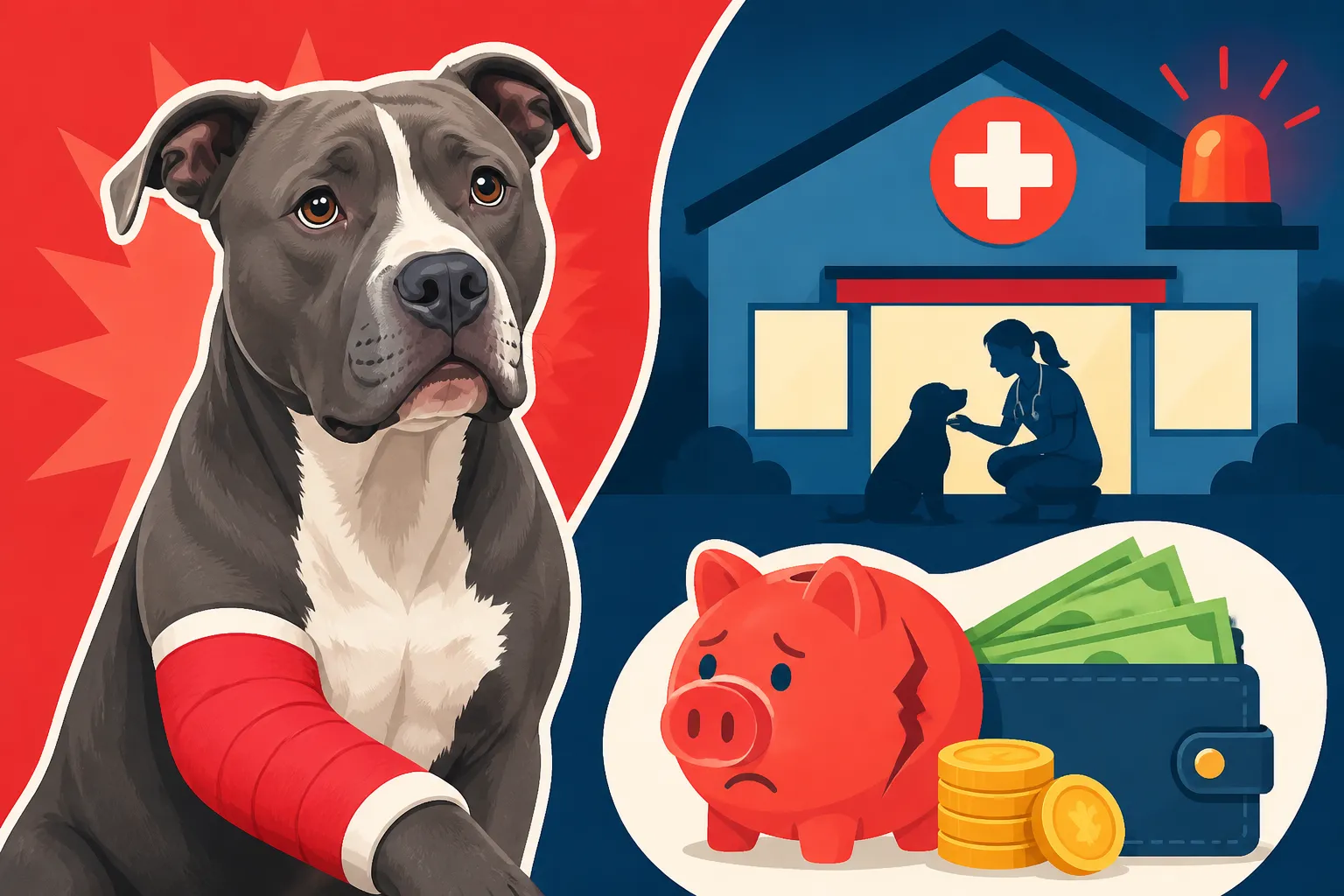
It’s a terrifying scenario no Pit Bull owner ever wants to face: your beloved, usually boisterous companion suddenly seems off, in pain, or has had an accident. The immediate rush to the emergency veterinary clinic is often fraught with worry, not just for their health, but for the potential financial strain. This guide will walk you through what to expect regarding emergency vet visit costs for your Pit Bull, helping you understand the charges, explore ways to manage them, and perhaps even prevent some of these frightening situations.
Understanding Emergency Vet Visit Costs for Your Pit Bull
When your Pit Bull needs urgent care, the bills can quickly escalate beyond what you might expect from a routine check-up. This isn't just about the severity of the issue, but also the nature of emergency services themselves.
Why Emergency Care is More Expensive
Emergency veterinary clinics are set up differently from your regular daytime vet. They operate 24/7, often with specialized staff including emergency veterinarians and veterinary technicians, who are trained to handle critical cases with speed and precision. This round-the-clock availability and expertise come at a premium. Think about human emergency rooms – it's a similar principle. They have advanced diagnostic equipment like X-ray machines, ultrasound, and in-house labs ready to go at a moment's notice, which a standard clinic might not. Plus, the immediate nature of the work means staff might be pulled from other duties, or it requires more staff per patient than during typical business hours.
The initial consultation fee alone for an emergency visit is often significantly higher than a standard office visit. This covers the immediate assessment, triage, and stabilization of your Pit Bull. If your dog comes in for Emergency Signs That Cannot Wait in a Pit Bull, the team needs to act fast, and that rapid response capability is built into their pricing structure. You're paying for the immediate availability of life-saving interventions and specialized knowledge, not just the physical space or a few minutes of a vet's time.
Common Emergencies and Their Initial Price Tags
Pit Bulls are generally robust dogs, but they are not immune to emergencies. Some common scenarios can include ingesting foreign objects, sudden lameness, severe allergic reactions, or the dreaded bloat (Gastric Dilatation and Volvulus, or GDV). For instance, bloat is particularly concerning for deep-chested breeds like Pit Bulls, and Recognizing Bloat in a Deep-Chested Pit Bull quickly is crucial. Initial assessment for something like a foreign body ingestion might involve an exam and X-rays, easily running into several hundred dollars just for diagnostics. If your Pit Bull has a sudden, severe allergic reaction – perhaps to an insect sting – they might need immediate antihistamines, steroids, and observation, which also adds up.
Trauma, such as being hit by a car or a fall, can involve multiple injuries, requiring extensive imaging and pain management right away. Even something seemingly simple like a deep cut or a sudden, severe gastrointestinal upset can necessitate an emergency visit. These initial visits, even before major treatment or surgery, can range from a few hundred dollars for stabilization and basic diagnostics to over a thousand for more complex cases requiring extensive imaging or immediate life support.
Regional Differences in Vet Pricing
Just like human healthcare, the cost of veterinary care can vary significantly depending on where you live. Emergency clinics in large metropolitan areas, like Los Angeles or New York City, typically have higher overheads – think rent, utilities, and staff salaries – which are reflected in their prices. You might find that an identical procedure costs substantially more in these areas compared to a rural veterinary hospital in, say, Nebraska or a smaller town in the Midwest.
Additionally, the level of specialization available can impact costs. A highly advanced specialty emergency hospital offering MRI, CT scans, and critical care specialists will naturally charge more than a general practice vet clinic that offers after-hours emergency services. It's always a good idea to know where your nearest emergency vet is and, if possible, get a general sense of their pricing structure before an emergency arises. This preparation can help reduce some of the shock and stress when you’re already worried sick about your Pit Bull.
Breaking Down the Bill: What You're Really Paying For
When that final bill lands on the counter, it can feel overwhelming. But understanding what each line item represents can help demystify the process and highlight why these visits are so costly.
Diagnostics and Lab Work
Diagnostics are often the first major chunk of an emergency bill, and for good reason. Before a vet can treat your Pit Bull effectively, they need to know precisely what's going on inside. This can include X-rays to check for broken bones, foreign objects in the stomach, or signs of bloat. An abdominal ultrasound might be necessary for a more detailed look at soft tissues, like the liver, kidneys, or intestines. Blood tests, ranging from a complete blood count (CBC) to a full chemistry panel, provide vital information about organ function, infection, and hydration status. These tests are critical, and they need to be performed quickly.
Each of these diagnostic tools carries its own cost. An X-ray series might be a few hundred dollars, while an ultrasound performed by a specialist could be twice that. Lab tests can range from $50 to several hundred, depending on their complexity and whether they are processed in-house or sent out to an external lab with a rapid turnaround. Sometimes, more advanced diagnostics like an MRI or CT scan are needed, especially for neurological issues or complex traumas, and these can easily push costs into the thousands.
Medications and Treatments
Once a diagnosis or a working treatment plan is in place, your Pit Bull will likely need various medications and treatments. This often includes intravenous (IV) fluids to combat dehydration or deliver medications directly into the bloodstream, which is a common necessity in critical cases. Pain management is paramount, so injectable pain relievers are frequently administered. Depending on the issue, antibiotics for bacterial infections, anti-nausea medications, or anti-inflammatory drugs might be necessary.
These medications, especially when given in an emergency setting and via injection or IV drip, are priced differently than if you were picking up a prescription from your regular vet. You're paying for the immediate administration by trained professionals and the constant monitoring to ensure efficacy and prevent adverse reactions. The cost of these medications can range from tens to hundreds of dollars, depending on the type, dosage, and duration of administration.
Anesthesia and Surgical Procedures
This is where emergency vet costs can truly skyrocket. If your Pit Bull has ingested a foreign object that can't pass naturally, or if they develop bloat, emergency surgery is often the only option. What Emergency Bloat Surgery Costs a Pit Bull Owner can be staggering, often running into many thousands of dollars due to the complexity and critical nature of the procedure. Beyond the surgeon's fee, there are costs for the anesthesia itself, which is a delicate process, especially for a heavily muscled dog like a Pit Bull. Anesthesia and Muscle Mass in a Pit Bull can influence the type and amount of anesthetic needed, and monitoring during surgery is intensive.
The surgical suite needs to be prepared, sterilized, and staffed with surgical assistants. Post-operative care, including monitoring for complications, pain management, and sometimes even blood transfusions, all add to the total. Even non-emergency surgeries like What One Pit Bull Hip Costs to Replace are expensive, but when they're performed under emergency conditions, with a team working after hours, the costs are amplified. This is often the single most expensive component of an emergency vet bill.
Overnight Stays and Monitoring
Many emergency situations require your Pit Bull to stay overnight, sometimes for several days, for continuous monitoring and intensive care. This hospitalization includes a comfortable (and clean) kennel, regular checks by veterinary staff, continued administration of medications and fluids, and sometimes specialized equipment like oxygen therapy or warming blankets. The cost of an overnight stay is usually calculated on a per-night basis and includes the nursing care your dog receives.
For a Pit Bull recovering from surgery or a severe illness, this constant vigilance is vital. Veterinary technicians will regularly check vital signs, administer medications on schedule, and ensure your dog is as comfortable as possible. This intensive level of care, unavailable in most regular clinics, is another significant contributor to the overall emergency bill. Even just a single night of observation can add several hundred dollars to the total, with multiple nights pushing the bill into thousands.
Strategies for Managing Unexpected Pit Bull Vet Bills
The financial stress of an emergency vet bill can be almost as overwhelming as the worry for your Pit Bull's health. Thankfully, there are several proactive and reactive strategies you can employ to manage these unexpected costs.
The Role of Pet Insurance
Pet insurance can be a lifesaver when an emergency strikes. Companies like Healthy Paws, Embrace, or Lemonade offer various plans that can cover a significant portion of emergency vet bills, including diagnostics, treatments, surgery, and even some medications. The key is to enroll your Pit Bull before any health issues arise, as pre-existing conditions are typically not covered. This means if your Pit Bull develops a chronic allergy or a joint issue, you need to have insurance in place beforehand. It’s important to understand the deductible, reimbursement percentage, and annual limits of your policy.
For example, enrolling your Pit Bull when they are a puppy ensures that most unexpected health issues later in life will be covered. Many owners wish they had thought about Enrolling a Pit Bull Before Its First Allergy Flare or other potential issues when their dog was young and healthy. While you pay a monthly premium, the peace of mind and the potential for thousands of dollars in savings during an emergency can make it well worth the investment. Some plans even cover preventative care, though emergency coverage is usually the primary focus for these types of sudden, large expenses.
Emergency Funds and Savings
Even with pet insurance, you'll still be responsible for deductibles and co-pays. This is where a dedicated emergency fund comes into play. Setting aside a small amount each month into a separate savings account specifically for your Pit Bull's unexpected medical needs can be incredibly beneficial. Aim for a goal of at least $2,000 to $5,000, as this range often covers many common emergency scenarios and allows you to cover your deductible and initial portion of a large bill.
Having this fund means you don't have to make agonizing financial decisions during an already stressful time. It empowers you to authorize the best possible care for your Pit Bull without immediately worrying about how to pay for it. Think of it as self-insurance for those immediate out-of-pocket costs that insurance won't cover or before your reimbursement kicks in.
Vet Payment Plans and Credit Options
When faced with a large bill and without an emergency fund or sufficient insurance, many veterinary clinics offer or work with third-party payment options. CareCredit is a popular choice, acting like a credit card specifically for healthcare expenses, often offering deferred interest periods if the balance is paid within a certain timeframe. Other clinics might have in-house payment plans, allowing you to pay the bill in installments, though this is less common for emergency services due to the immediate costs involved.
It's always worth discussing payment options with the clinic staff. They often understand the financial strain these situations cause and can guide you through available resources. While these options might involve interest or credit checks, they can provide a crucial lifeline when immediate funds are not available to cover your Pit Bull's care.
Discount Programs and Assistance
Sometimes, local animal shelters, humane societies, or breed-specific rescue organizations can offer financial assistance or refer you to programs that do. For Pit Bulls, there are many advocacy groups that might have resources or partnerships with clinics to help owners in need. Veterinary colleges often have teaching hospitals that provide advanced care at a slightly reduced cost, or they may participate in studies that offer free or discounted treatment for specific conditions.
Additionally, some organizations like The Pet Fund or RedRover offer financial aid to owners who can't afford emergency treatment. While these programs usually have specific eligibility requirements and limited funds, they can be a valuable last resort. Online platforms like GoFundMe also allow owners to raise money from their community and beyond for urgent medical needs.
Preventing Emergencies and Promoting Long-Term Health
While not every emergency can be prevented, many can be significantly mitigated or avoided altogether through proactive care and a safe environment. A healthy Pit Bull is a less vulnerable Pit Bull.
Regular Preventative Care
One of the best ways to avoid emergency vet visits is through consistent preventative care. Regular annual or bi-annual check-ups with your veterinarian allow them to catch potential health issues early, before they become critical. This includes ensuring your Pit Bull is up-to-date on all vaccinations, like those mentioned in Pit Bull Puppy Vaccination and Parvovirus, which protect against highly contagious and potentially fatal diseases.
Consistent Year-Round Parasite Cover for a Pit Bull against fleas, ticks, and heartworm is also non-negotiable. Parasite infestations can lead to severe health problems that, if left untreated, can result in emergency visits. For example, a severe flea allergy can cause intense itching, secondary infections, and emergency skin issues. Your vet can also monitor your Pit Bull's weight and overall condition, discussing any concerns about issues like Pit Bull Obesity and Joint Strain, which can increase the risk of other health emergencies.
Safe Environment and Supervision
A significant number of emergency visits are due to accidents or ingestion of dangerous items. Pit Bulls are curious and often strong-willed, so puppy-proofing your home and yard is crucial, regardless of their age. Secure your garbage cans, keep human medications and toxic foods out of reach, and be mindful of household chemicals. Items commonly ingested include socks, toys, bones, and even parts of furniture. You might find a good selection of durable, safe chew toys and enrichment items at retailers like Chewy or your local pet store, reducing the likelihood of your Pit Bull seeking out inappropriate items to chew on.
When outside, always supervise your Pit Bull, especially in areas where they might encounter wildlife, toxic plants, or discarded items. A secure fence is vital to prevent escapes and potential accidents with vehicles. Even if your Pit Bull is well-trained, unexpected triggers or tempting smells can lead them to bolt. Simple vigilance can prevent countless potential emergencies, from car accidents to ingesting poisonous substances.
Balanced Nutrition and Exercise
A strong, healthy body is better equipped to fight off illness and recover from injury. Feeding your Pit Bull a high-quality, balanced diet is fundamental. Reputable brands that focus on canine nutrition, or even fresh food services like Ollie, can contribute significantly to their overall health. Pay attention to Feeding a Pit Bull to Keep Muscle Without Fat to maintain a lean, athletic physique. Obesity puts extra strain on joints, organs, and can complicate anesthesia if surgery is ever needed.
Equally important is appropriate Pit Bull Exercise for a Powerful Athletic Dog. Regular, controlled exercise keeps their muscles strong and helps maintain a healthy weight. However, don't overdo it, especially with growing puppies, to protect their developing joints. Incorporate both physical and mental stimulation to prevent boredom, which can sometimes lead to destructive behaviors like chewing inappropriate items. A well-exercised and mentally stimulated Pit Bull is generally a happier and healthier dog, less prone to stress-related ailments or accidents born of boredom.
Table of Common Pit Bull Emergency Costs (Estimates)
This table provides a general idea of potential emergency costs. Remember, these are broad estimates and can vary significantly based on location, clinic, and complexity.
| Emergency Situation | Initial Exam & Diagnostics (Estimate) | Treatment & Hospitalization (Estimate) | Potential Surgery Cost (Estimate) | Total Range (Estimate) |
|---|---|---|---|---|
| Bloat/GDV | $500 – $1,500 | $1,000 – $3,000 | $3,000 – $7,000+ | $4,500 – $10,000+ |
| Foreign Body Ingestion | $400 – $1,000 | $500 – $1,500 | $2,000 – $6,000 | $1,500 – $7,000+ |
| Severe Allergic Reaction | $150 – $400 | $300 – $800 | N/A | $450 – $1,200 |
| Trauma (e.g., Car Accident) | $500 – $2,000 | $1,000 – $4,000+ | $3,000 – $10,000+ | $4,500 – $16,000+ |
| Parvovirus (Puppies) | $200 – $500 | $1,000 – $3,000 | N/A | $1,200 – $3,500 |
| Acute Poisoning | $300 – $800 | $500 – $2,000 | $1,500 – $4,000 (if needed) | $800 – $6,800 |
| Diabetic Ketoacidosis | $300 – $700 | $1,000 – $3,000 | N/A | $1,300 – $3,700 |
| Severe Respiratory Distress | $300 – $800 | $700 – $2,500 | N/A | $1,000 – $3,300 |
| Uncontrolled Seizures | $300 – $700 | $500 – $1,500 | N/A | $800 – $2,200 |
| Emergency C-Section | $300 – $600 | $500 – $1,000 | $1,500 – $3,000 | $2,300 – $4,600 |
| Mass Removal (Emergency, e.g., rupturing tumor) | $400 – $1,000 | $800 – $2,000 | $2,000 – $6,000 | $3,200 – $9,000+ |
Keep in mind that some conditions, like severe trauma or certain types of Cancers That Show Up in an Older Pit Bull, might lead to extensive, multi-stage treatments that can push costs far beyond these initial estimates. This table is meant to illustrate the range of possibilities you might encounter.
Disclaimer
The information provided in this guide is intended for educational purposes only and should not be considered a substitute for professional veterinary advice. Always consult with a qualified veterinarian for any health concerns or before making any decisions about your Pit Bull's medical care. Costs are estimates and can vary widely based on location, veterinary clinic, and the specific needs of your animal.