Pit Bull Paw Pad Cracks and Balm
It's incredibly frustrating when you notice your beloved Pit Bull struggling with cracked, rough paw pads. These aren't just cosmetic issues; they can cause real discomfort, pain, and even lead to more serious infections, making every step a chore for your otherwise bouncy, active companion. This guide is here to walk you through understanding why those cracks appear, how to prevent them, and the best ways to soothe and heal your Pit Bull's precious paws, getting them back to their happy, comfortable selves.
Understanding Pit Bull Paw Pad Cracks
Our Pit Bulls are such resilient, tough dogs, but their paw pads, despite seeming rugged, are surprisingly sensitive and vulnerable to the wear and tear of daily life. Cracks and dryness on these pads can range from minor surface lines to deep, painful fissures that bleed and become infected. It's a common issue that many Pit Bull owners encounter, often leaving us scratching our heads about what went wrong.
Common Causes of Cracking
Paw pad cracks don't just happen out of nowhere; they're usually a result of a combination of factors, often environmental or related to specific activities. Think about all the surfaces your Pit Bull walks on in a day – hot asphalt, rough concrete, icy sidewalks, abrasive dirt trails. These can all contribute to dehydration and damage to the protective outer layer of the paw pads. In the summer, pavement can get scorching hot, literally burning the pads, while in winter, ice, snow, and de-icing salts can dry them out and cause irritation. Even just long walks on consistently rough terrain can gradually wear down the pads.
Beyond the environment, certain lifestyle elements play a huge role. Dogs that spend a lot of time outdoors on varied surfaces, especially those with active working roles or a passion for vigorous play, tend to put more stress on their pads. Imagine a Pit Bull that loves to run and pivot during a game of fetch on a gravel driveway – that constant friction is bound to take a toll. Dehydration, whether from not drinking enough water or from dry indoor air, can also manifest in the skin, including the paw pads. Lastly, don't overlook nutritional deficiencies or underlying health conditions. Sometimes, a lack of essential fatty acids in their diet, or even an undiagnosed allergy, can contribute to poor skin and paw pad health. For instance, sometimes excessive A Pit Bull Chewing Its Feet Through the Night can be a sign that something deeper is at play, beyond just rough ground.
Why Pit Bulls Are Prone to Paw Issues
While any dog can develop cracked paw pads, Pit Bulls often seem particularly susceptible, and there are a few reasons why. First, their robust, athletic build means they often engage in high-impact activities. They love to run, jump, and play hard, often without much thought for their paws. This enthusiasm, while endearing, can mean their paw pads take a beating from constant contact with various surfaces during intense exercise. A Pit Bull that pulls hard on the leash, constantly gripping the ground, or one that loves to sprint and slide in the yard, is going to experience more friction and wear.
Secondly, many Pit Bulls, like other bully breeds, can be predisposed to certain skin sensitivities and allergies. Conditions like atopy (environmental allergies) or even food allergies can manifest as dry, itchy, or inflamed skin, and this often extends to their paw pads. When a Pit Bull is suffering from allergies, they might excessively lick or chew at their paws, which introduces moisture and bacteria, further weakening the pad tissue and making it more prone to cracking and secondary infections. You might be surprised how much Pit Bull Skin Allergies and the Atopy Pattern can affect not just their coat, but also the health of their paws. Owners often find themselves constantly managing these sensitivities, making paw care an even more crucial part of their routine.
Symptoms and When to Seek Veterinary Care
Catching paw pad issues early can save your Pit Bull a lot of discomfort and prevent minor problems from escalating into serious ones. Knowing what to look for and when to get professional help is key to keeping those paws healthy.
Recognizing the Signs
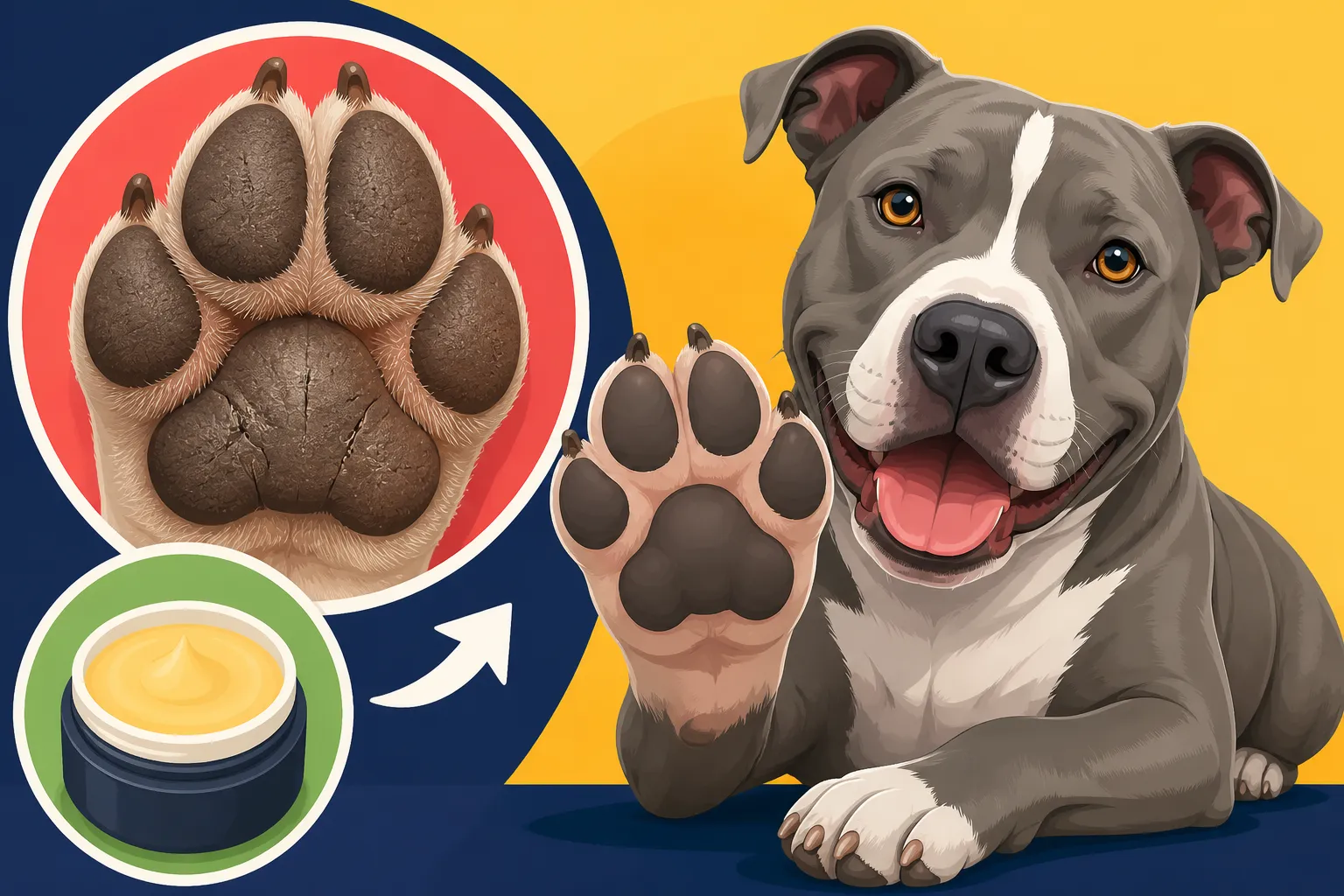
The first signs of cracked paw pads might be subtle. You might notice your Pit Bull licking or chewing at their paws more than usual, especially after walks or when settling down for the night. This self-grooming can turn obsessive if the pads are irritated. Upon closer inspection, you might see small, superficial lines or a generally rough, dry texture on the pads. They might feel less pliable than usual. As the problem progresses, these cracks can deepen, becoming more visible and potentially bleeding.
Beyond the visible cracks, watch for changes in your Pit Bull's gait or reluctance to walk. They might start favoring a paw, limping, or even refusing to put weight on a particular foot. You could also notice redness, swelling, or a strange odor coming from the paws, which are all signs of potential infection. Sometimes, the issue isn't just the pad itself but also the skin between the toes. Pay attention during your regular Pit Bull Skin Checks During Weekly Grooming to examine these often-overlooked areas. If your Pit Bull is normally eager for a walk but suddenly hesitant, especially on certain surfaces, it's definitely time to take a closer look at those pads.
When a Vet Visit is Essential
While mild dryness and superficial cracks can often be managed at home with good care, there are definite red flags that warrant a trip to the veterinarian. If the cracks are deep, bleeding, or if you notice any pus, foul odor, significant swelling, or extreme redness, it’s crucial to seek professional help immediately. These symptoms often indicate an infection that will require prescription medication, such as antibiotics or anti-fungals, to resolve.
Also, if your Pit Bull is showing persistent lameness, refusing to bear weight on a paw, or if the licking and chewing has become constant and destructive, a vet visit is essential. There could be a foreign object lodged in the paw, a severe allergic reaction, or an underlying systemic issue impacting their skin health. The vet can properly diagnose the cause, rule out conditions like Demodex Mange in a Pit Bull which can sometimes appear on paws, and prescribe the appropriate treatment. Don't try to guess or self-diagnose severe issues; a vet can provide the right care to prevent further pain and complications.
Preventative Measures and Daily Care
Prevention is always better than cure, especially when it comes to something as fundamental to your dog's comfort as their paw pads. A consistent, proactive approach can keep your Pit Bull's paws healthy and happy, ready for all their adventures.
Daily Paw Care Routine
Establishing a daily paw care routine is probably the most effective way to prevent cracks and irritation. After every walk, especially if you've been on hot pavement, icy ground, or rough trails, make it a habit to wipe down your Pit Bull's paws. This removes dirt, allergens like pollen, and irritants like salt or chemicals. A simple damp cloth works wonders. For a more thorough clean, particularly if your Pit Bull suffers from allergies, a quick rinse with cool water can be beneficial, followed by patting the paws completely dry, paying special attention to the spaces between the toes to prevent moisture-related issues. This is a crucial part of general Pit Bull Paw and Pad Care.
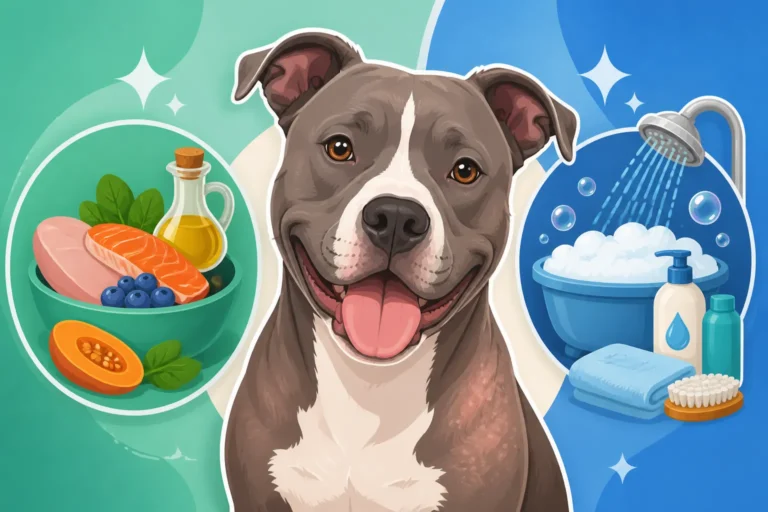
Regularly applying a good quality paw balm is another cornerstone of preventative care. Think of it as moisturizer for their paws. A good balm creates a protective barrier, locks in moisture, and helps to keep the pads supple. You can find many excellent options online from retailers like Chewy or Amazon, often made with natural ingredients like beeswax, shea butter, or coconut oil. Apply a small amount before walks to protect against environmental stressors, and again before bedtime to allow it to soak in overnight. Consistency is key here – a few seconds each day can make a world of difference. You might even consider incorporating some fish oil supplements into their diet; these often help improve overall skin and coat health, which can extend to the paw pads.
Environmental Protection
Beyond direct paw care, being mindful of your Pit Bull's environment is critical. Hot pavement in summer is a huge culprit for pad burns and cracks. If the pavement is too hot for your hand, it's too hot for their paws. Walk during cooler times of the day – early morning or late evening. In winter, protect against ice, snow, and de-icing chemicals. Many of these salts can be highly corrosive and drying. Consider Whether a Pit Bull Should Wear Boots in Summer (and winter!) as a practical solution. Doggie boots might take some getting used to, but they offer an excellent barrier against extreme temperatures and harsh irritants.
When planning walks, try to stick to softer surfaces like grass or dirt trails whenever possible, especially for longer excursions. If your Pit Bull is particularly active and loves running or playing on abrasive surfaces, regularly check their paw pads for any signs of wear and tear. Having a well-maintained yard, free from sharp debris or excessive chemicals, also contributes to paw health. Remember, their paws are their primary contact with the world, so protecting them from harsh elements is a year-round commitment. If your dog loves long trail days, regularly inspect for Pit Bull Paw Pad Injuries on Hard Ground.
Choosing and Applying Paw Balm Effectively
With so many products on the market, choosing the right paw balm can feel a bit overwhelming. But once you find a good one, knowing how to apply it correctly makes all the difference in healing existing cracks and preventing new ones.
Types of Paw Balms
Paw balms generally fall into a few categories based on their ingredients and primary function.
- Moisturizing Balms: These are usually rich in emollients like shea butter, coconut oil, and various plant waxes. Their main goal is to hydrate the pads and make them more supple, preventing dryness and minor cracking. They are excellent for daily preventative care.
- Protective Balms: Often containing ingredients like beeswax or carnauba wax, these balms create a physical barrier on the paw pads. They're great for protecting against harsh elements like hot pavement, ice, salt, and rough terrain. Many balms combine both moisturizing and protective qualities.
- Healing Balms: If your Pit Bull already has minor cracks or abrasions, look for balms with soothing and healing ingredients like calendula, vitamin E, or essential oils known for their antiseptic properties (always ensure they are dog-safe and diluted). These help to calm irritation and support the skin's natural healing process. Some brands like Musher's Secret are widely available on sites like Amazon and are known for their protective qualities, while many smaller, artisanal brands offer great healing options.
- Specialized Balms: For dogs with extreme sensitivities or allergies, some brands offer hypoallergenic or fragrance-free options. If you're using a limited ingredient diet from a brand like Ollie for overall health, you might look for similar simplicity in your paw balm choices.
It's a good idea to check the ingredient list for anything that could be toxic if ingested, as dogs will inevitably lick their paws. Natural, food-grade ingredients are always a safe bet.
| Balm Type | Primary Function | Key Ingredients (Common) | Best For |
|---|---|---|---|
| Moisturizing Balm | Hydrates and softens paw pads | Shea butter, coconut oil, olive oil | Daily maintenance, preventing dryness |
| Protective Balm | Creates barrier against elements | Beeswax, carnauba wax, petroleum jelly (some) | Hot/cold pavement, salt, rough terrain |
| Healing Balm | Soothes and aids tissue repair | Calendula, Vitamin E, aloe vera, specific oils | Minor cracks, chapping, existing irritation |
| Specialized/Hypoallergenic | Addresses sensitivities, avoids irritants | Limited, natural, fragrance-free ingredients | Allergic dogs, very sensitive skin |
Application Techniques
Applying paw balm effectively is more than just slathering it on. First, ensure your Pit Bull's paws are clean and dry. Gently push back any fur that might be covering the pads to expose them fully. Using your fingertips, take a small amount of balm and warm it between your hands. This makes it easier to spread.
Massage the balm gently into each paw pad, making sure to work it into any cracks or dry areas. Don't forget the skin between the pads and toes, as this area can also get dry or irritated. If your dog tries to lick it off immediately, try to distract them for a few minutes with a favorite toy or a quick training session. Some owners apply balm just before bedtime, when the dog is likely to be settled and less prone to licking, allowing the balm to absorb properly overnight. If your Pit Bull is extremely food motivated, a Kong filled with peanut butter can keep them occupied while the balm sinks in. Consistency with this application is what yields the best results, transforming rough, cracked pads into soft, resilient ones. Remember, if discomfort or cracking is due to an underlying issue like allergies, even regular balm application may only offer temporary relief, and you might need to combine it with treatments such as Medicated Baths for a Pit Bull With Atopy or other allergy management strategies.
Disclaimer
This article is for general informational purposes only and does not constitute professional advice. Laws, prices and regulations vary by location and change over time. Consult a qualified professional for guidance on your specific situation.