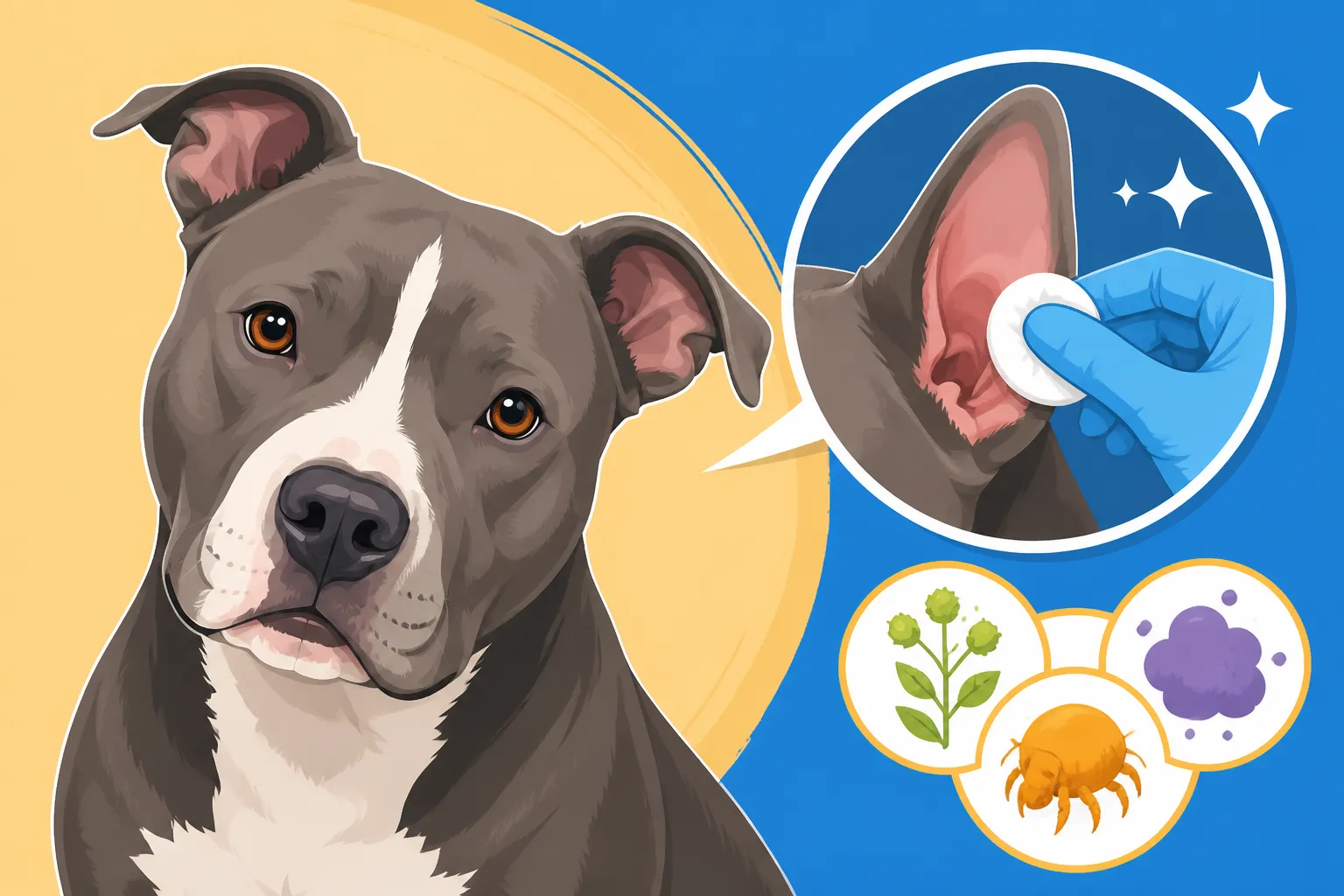
Ear Care in a Pit Bull With Allergies
One of the most common and often frustrating challenges Pit Bull owners face is the relentless battle against ear infections, especially when those pesky problems are tied to underlying allergies. It feels like a never-ending cycle, doesn't it? You clean, you medicate, things get better for a bit, and then bam – your furry friend is shaking their head and scratching their ears again. It's truly disheartening to see your loyal companion uncomfortable, and it often leaves us wondering if we’re missing something crucial in their care. This guide is here to unravel the complex relationship between Pit Bull allergies and ear issues, offering practical, empathetic advice on how to manage and hopefully break that frustrating cycle, bringing some much-needed relief to your Pit Bull and peace of mind to you.
Understanding the Link Between Pit Bull Allergies and Ear Issues
It’s easy to think of ear infections as just… ear infections. But for many Pit Bulls, the ears are simply a window into a much larger, systemic problem: allergies. These powerful, loving dogs, for all their robust appearance, often have a sensitive side when it comes to their immune system.
Why Pit Bulls Are Prone to Allergies
Pit Bulls, much like some other breeds, unfortunately carry a genetic predisposition to certain allergic conditions. The most common culprit is atopic dermatitis, or environmental allergies. This isn't just a mild itch here and there; it's a chronic, inflammatory skin disease where their immune system overreacts to common environmental allergens like pollen, dust mites, and mold spores. Instead of just a human-like sneeze, your Pit Bull might show their allergy through itchy skin, paw licking, belly rashes, and, yes, those persistent ear infections.
Beyond environmental triggers, food allergies can also play a significant role, though they are often less common than environmental allergies. A Pit Bull might react to a specific protein source, like chicken or beef, or even grains in their diet. When their body encounters an allergen it deems a threat, whether inhaled or ingested, it kicks off an inflammatory response throughout their body, and for many Pit Bulls, the ears become a primary target. It’s like their body is constantly on high alert, creating an environment ripe for irritation. Sometimes, external factors can also contribute, like Flea Allergy Dermatitis in a Pit Bull, where even a single flea bite can set off an intense, widespread itch that impacts the entire body, including areas like the ears if they are already inflamed.
How Allergies Manifest in the Ears
When a Pit Bull has allergies, their ear canals often become inflamed, a condition known as otitis externa. This inflammation isn't just uncomfortable; it changes the delicate ecosystem inside the ear. The skin lining the ear canal swells, becoming red and sometimes even hot to the touch. This swelling narrows the ear canal, making it harder for air to circulate and creating a warm, moist environment – essentially a perfect breeding ground for secondary infections.
You see, a healthy ear has a natural balance of yeast and bacteria. But once allergies ignite that inflammation, this balance is thrown off. Opportunistic yeast, like Malassezia, and bacteria, such as Staphylococcus or Pseudomonas, seize the chance to multiply rapidly. This is why you often deal with a "double whammy": the initial allergic inflammation plus a secondary infection that makes the problem so much worse. The itching becomes more intense, the ear produces excessive wax or discharge, and a foul odor can develop. It’s a vicious cycle where the allergies fuel the infection, and the infection further irritates the allergic skin, creating significant discomfort for your beloved Pit Bull. This also explains why you might find yourself frequently visiting the vet for Pit Bull Ear Infections Every Few Months.
Recognizing and Diagnosing Allergic Ear Infections
Catching an ear infection early, especially one tied to allergies, can save your Pit Bull a lot of discomfort and prevent the infection from becoming more severe or chronic. But sometimes, the signs can be subtle at first, especially in dogs who are naturally stoic.
Common Symptoms to Watch For
Pit Bulls are tough, and they might try to hide their discomfort, but there are tell-tale signs to observe. The most obvious is head shaking. It might start as an occasional shake, then progress to more frequent, vigorous head tossing. You might also see your Pit Bull pawing at their ears or rubbing their head on the carpet, furniture, or your leg in an attempt to scratch that deep itch.
Beyond behavior, take a closer look at the ear itself. Is the inside of the ear flap red or swollen? Does it feel warmer than usual? Is there any discharge? This discharge can range from dark, waxy buildup (often indicative of yeast) to yellow, green, or even brownish pus (suggesting a bacterial infection). Sometimes, you'll also notice a foul odor emanating from the ear, which can be yeasty, sweet, or distinctly putrid depending on the type of infection. Some Pit Bulls might even vocalize with whimpers or yelps when their ears are touched, indicating pain. In severe cases, they might tilt their head permanently, or lose their balance as the infection pushes deeper into the ear canal. Regular checks of your Pit Bull's ears, especially after activities like walks in tall grass or swimming, can help you spot these early warnings. You might notice these symptoms even after a Pit Bull Rubbing Its Face on the Carpet, which might seem like normal dog behavior but can be a sign of irritation.
The Importance of Veterinary Diagnosis
As much as we want to be proactive owners, self-treating an ear infection, especially an allergic one, is really playing with fire. What looks like a simple yeast infection to you might be a nasty bacterial infection that needs a specific antibiotic. Or worse, it could be ear mites, a foreign body lodged deep in the canal, or even a tumor, though rare. That's why a trip to the veterinarian is non-negotiable at the first sign of trouble.
Your vet will perform a thorough examination, including looking deep into the ear canal with an otoscope. This allows them to assess the severity of the inflammation, check for foreign objects, or see if the eardrum is intact. Crucially, they’ll also perform an ear cytology. This involves taking a swab of the discharge, spreading it on a slide, and examining it under a microscope. This simple test tells them whether your Pit Bull is battling yeast, bacteria (and what shape/type they are), or even ear mites. This precise diagnosis is vital because yeast infections require antifungal medication, while bacterial infections need antibiotics. Using the wrong medication, or not completing the full course, can lead to resistant infections that are much harder and more expensive to treat down the line. It's a foundational step to ensuring your Pit Bull gets the right kind of relief. This is also why understanding Whether Allergies Cause Pit Bull Ear Infections is so important, as it dictates the long-term management strategy.
Effective Ear Care Strategies for Allergic Pit Bulls
Once you and your vet have identified that allergies are playing a role in your Pit Bull’s ear woes, you can start building a comprehensive strategy that goes beyond just treating the symptoms. It’s about managing the underlying allergy and preventing future flare-ups.
Regular Cleaning and Preventative Measures
One of the most powerful tools in your ear care arsenal is consistent, proper cleaning. For an allergic Pit Bull, regular ear cleaning helps flush out allergens, excess wax, and debris that could contribute to infection. Think of it as hitting the "reset" button for their ears. Your vet might recommend a specific cleaning solution, but generally, you'll want one that's pH-balanced, non-irritating, and possibly contains a drying agent if your dog is prone to moisture buildup.
When it comes to the actual cleaning, gentle is key. You'll want to choose an ear cleaner formulated for dogs. You can find excellent options on platforms like Chewy or Amazon, but always check with your vet for their specific recommendation, especially for an allergic dog. To clean, gently lift your Pit Bull's ear flap and apply the cleaner directly into the ear canal until it's full. Then, gently massage the base of the ear for about 20-30 seconds. You’ll hear a squishing sound – that’s the cleaner working its magic. After massaging, let your Pit Bull shake their head; this helps dislodge debris. Finally, use a soft cotton ball or gauze wrapped around your finger to wipe away any visible gunk from the inner ear flap and the opening of the canal. Never use cotton swabs deep inside the ear canal, as you could push debris further in or damage the eardrum. For a detailed step-by-step, check out our guide on Cleaning a Pit Bull Ear Properly.
Beyond routine cleaning, focus on preventing moisture. If your Pit Bull loves to swim or gets frequent baths, make sure their ears are thoroughly dried afterward. A quick wipe with a cotton ball and a blast of cool air from a hairdryer (held far enough away to avoid heat or startling them) can make a huge difference in preventing moisture-loving bacteria and yeast from thriving.
Medical Management of Allergic Otitis
While regular cleaning is crucial for prevention and maintenance, it’s often not enough to clear an active, raging ear infection in an allergic Pit Bull. This is where your veterinarian's prescribed medications come into play. These typically come in the form of ear drops or ointments.
Depending on the cytology results, these drops will contain antibiotics (for bacterial infections), antifungals (for yeast infections), and often an anti-inflammatory steroid to calm the inflamed ear canal. It’s absolutely vital to follow your vet's instructions meticulously: administer the drops for the full duration prescribed, even if the ear looks and smells better after a few days. Stopping early is a common reason for recurrence and the development of resistant infections. You can discuss with your vet Which Ear Solutions Suit an Allergic Pit Bull to ensure you're using the most appropriate product for your dog's specific needs.
Beyond localized ear medications, managing the underlying allergy is paramount for long-term success. Your vet might recommend systemic allergy medications like Apoquel or Cytopoint injections, which work by targeting the itch response. For some Pit Bulls, especially those with severe or year-round allergies, regular allergy shots (immunotherapy) can desensitize them to specific allergens over time. These systemic treatments help reduce the overall inflammatory burden on their body, which in turn can significantly lessen the frequency and severity of ear infections. We delve deeper into these options in Apoquel and Cytopoint for an Itchy Pit Bull and explore the financial aspect in What Allergy Shots Cost a Pit Bull Owner.
Addressing Underlying Allergies
Treating the ear infection is like bailing water from a leaky boat; if you don't fix the leak, you'll be bailing forever. For allergic Pit Bulls, the "leak" is the allergy itself. Addressing these underlying allergies is the true long-term solution.
If your vet suspects food allergies, they might recommend an elimination diet, also known as a food trial. This typically involves feeding your Pit Bull a novel protein and carbohydrate source (one they've never eaten before) or a hydrolyzed protein diet for 8-12 weeks. During this time, nothing else – no treats, no table scraps, no flavored medications – can enter their system. This strict adherence is key to determining if food is the trigger. We have a detailed guide on An Eight Week Food Trial on an Itchy Pit Bull to help you navigate this process. Reputable fresh food brands like Ollie can sometimes be a good option for elimination diets, provided their specific formulations use novel proteins and you follow your vet's guidance strictly.
For environmental allergies, management involves a multi-pronged approach. Reduce allergen exposure as much as possible: regularly vacuuming, using air purifiers, and wiping down your Pit Bull’s paws and belly after outdoor excursions, especially during high pollen seasons. Frequent bathing with a hypoallergenic or medicated shampoo can also help remove allergens from their coat and soothe their skin. You can learn more about this in our article on Medicated Baths for a Pit Bull With Atopy. Remember, the ears are just one part of the body affected by allergies; effective management addresses the whole dog.
Long-Term Management and Avoiding Recurrences
The goal isn't just to clear the current infection, but to stop it from coming back again and again. For allergic Pit Bulls, this means committing to a consistent, proactive long-term management plan tailored to their specific needs. It's a marathon, not a sprint, but the payoff is a much happier, healthier Pit Bull.
Establishing a Consistent Routine
Consistency is truly your best friend when managing chronic allergic ear issues. Once the acute infection is cleared, your vet might recommend a regular preventative ear cleaning schedule – perhaps once a week, every two weeks, or monthly, depending on your Pit Bull's individual susceptibility. This routine cleaning, using a vet-approved maintenance cleaner, helps keep the ear canal healthy, removes potential irritants before they can cause trouble, and prevents the buildup of wax that can harbor pathogens.
Consider setting a specific day of the week for ear checks and cleaning. Make it a positive experience with treats and praise, so your Pit Bull associates it with good things, not discomfort. Regular physical examinations by your vet are also important, especially if your Pit Bull has a history of chronic ear problems. These check-ups allow your vet to spot subtle signs of inflammation or early infection before it becomes a full-blown crisis. They can monitor the health of the ear canal and adjust your routine as needed.
Think about incorporating some of these elements into a regular routine:
| Frequency | Activity | Purpose |
|---|---|---|
| Daily | Visual check of ear flaps, sniff for odor | Early detection of redness, swelling, or foul smell |
| After Walks | Wipe paws and belly with damp cloth | Remove environmental allergens (pollen) |
| After Swimming | Thoroughly dry ear canals with cotton balls | Prevent moisture buildup that encourages yeast/bacteria |
| Weekly/Bi-weekly | Preventative ear cleaning with vet-approved solution | Remove wax, debris, and maintain healthy ear environment |
| Monthly | Full body check for skin irritation, paw chewing | Identify other allergy flare-ups that might precede ear issues |
| Every 3-6 Months | Veterinary check-up (for chronic cases) | Professional ear exam, discuss ongoing allergy management |
Beyond direct ear care, a high-quality, balanced diet plays a significant role in overall skin and coat health, which can indirectly support ear health by strengthening the skin barrier. While no diet is a magic bullet for allergies, ensuring your Pit Bull gets optimal nutrition, perhaps even exploring options with ingredients from Ollie or similar brands known for quality sourcing (under veterinary guidance for allergies), can contribute to their well-being.
When to Seek Specialist Care
Despite your best efforts and consistent veterinary care, some Pit Bulls with severe or complex allergies may continue to battle chronic ear infections. If your Pit Bull’s ear problems are recurring frequently, are difficult to treat, or seem resistant to standard therapies, it might be time to consider a referral to a veterinary dermatologist.
These specialists have advanced training and equipment to delve deeper into the root causes of skin and ear issues. They can perform more advanced diagnostics, such as bacterial cultures (to identify specific bacterial strains and their antibiotic sensitivities), allergy testing (either blood tests or intradermal skin tests to pinpoint specific environmental allergens), and even imaging like CT scans or MRIs to look for middle or inner ear infections, polyps, or tumors that might be hidden deeper in the ear structure.
In some extreme, chronic cases where the ear canal has become permanently narrowed, calcified, or irreversibly damaged due to years of infection and inflammation, surgery might be considered as a last resort. A Total Ear Canal Ablation (TECA), where the diseased ear canal is surgically removed, can provide a permanent solution to pain and recurrent infection, though it results in permanent deafness in that ear. This is a major decision and one that would only be made after extensive consultation with a specialist and consideration of all other options, but it can offer immense relief for a dog that has suffered for years. For many owners, the goal is proactive management to avoid ever reaching such a drastic stage. This long-term struggle can be challenging for owners, sometimes requiring tough decisions, and it's important to remember that such chronic inflammation can sometimes contribute to more serious issues like Cancers That Show Up in an Older Pit Bull.
Disclaimer
This article is for general informational purposes only and does not constitute professional advice. Laws, prices and regulations vary by location and change over time. Consult a qualified professional for guidance on your specific situation.