How Much a Short Coated Pit Bull Sheds
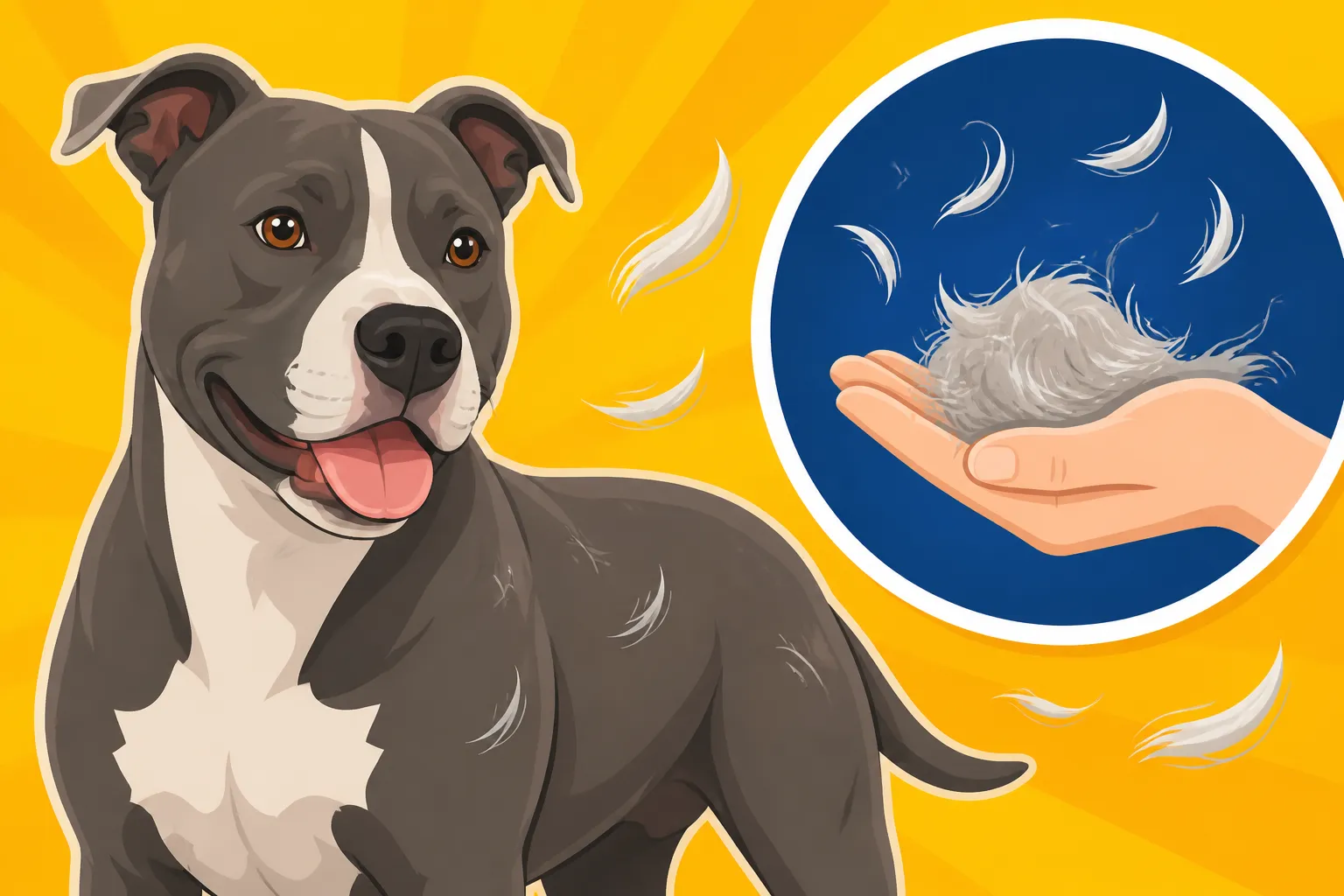
As Pit Bull owners, we all adore those sleek, short coats – they feel wonderful to pet and look so athletic. But let's be honest, many of us are surprised by just how much hair can end up on our furniture, clothes, and floors, despite that seemingly low-maintenance exterior. This guide is all about demystifying Pit Bull shedding, explaining why it happens, and sharing practical, empathetic ways to manage it, so you can spend more time cuddling and less time lint-rolling.
Understanding the Pit Bull Coat and Why They Shed
It’s a common misconception that because Pit Bulls have short coats, they don't shed much. While they might not leave tumbleweeds of fluff like some longer-haired breeds, they absolutely do shed, and for some owners, it can feel like a constant battle against tiny, stiff hairs. Understanding the nature of their coat is the first step in managing it.
The Nature of a Short, Single Coat
Most Pit Bulls, especially those commonly referred to as American Pit Bull Terriers or American Staffordshire Terriers, possess a single-layer coat. This means they don't have the dense, insulating undercoat that breeds like German Shepherds or Huskies do. A single coat often lies close to the body, appearing smooth and sleek. You might think this would reduce shedding, right? Well, not exactly.
Because there's no fuzzy undercoat to trap loose hairs, those short, stiff strands are free to fall out and embed themselves into everything. Think about it: a fluffy undercoat might hold onto dead hairs until a good brush session, but with a Pit Bull's coat, those hairs are constantly being released. They're like little needles, notoriously good at weaving themselves into fabric, making them surprisingly difficult to remove from upholstery, blankets, and even your favorite denim jeans. This constant turnover of hair is part of their natural hair growth cycle, where old hairs are pushed out to make way for new ones.
Seasonal Shedding vs. Year-Round Hair Loss
While Pit Bulls shed year-round, you'll definitely notice periods of heavier shedding. Most dogs experience a "blowing coat" phase twice a year, typically in spring as they lighten up for warmer weather and again in the fall to prepare for a denser winter coat. Even with a short, single coat, Pit Bulls will follow this pattern.
In spring, you'll see more hair coming off as they shed the slightly thicker coat they might have developed for winter warmth. As the days shorten and temperatures drop in autumn, they shed any lighter summer hairs to grow in a marginally denser coat. However, for many indoor Pit Bulls who live in temperature-controlled homes, this seasonal rhythm can be a bit blurred. They might have a more consistent, moderate level of shedding throughout the year, with less dramatic seasonal peaks, simply because their bodies aren't reacting as strongly to drastic external temperature changes. Air conditioning in summer and heating in winter can create an environment where the coat doesn't need to adapt as intensely, leading to a perpetual state of "light to moderate" shedding.
Factors Influencing Shedding Levels
The amount of hair your Pit Bull sheds isn't just a random occurrence; several factors can play a significant role. It's not just about their breed, but also their individual health and environment.
- Genetics: Just like us, some dogs are simply predisposed to shed more than others within the same breed. You might have two Pit Bulls in your family, and one seems to be a walking hair dispenser while the other is relatively clean. This is often down to individual genetic variation.
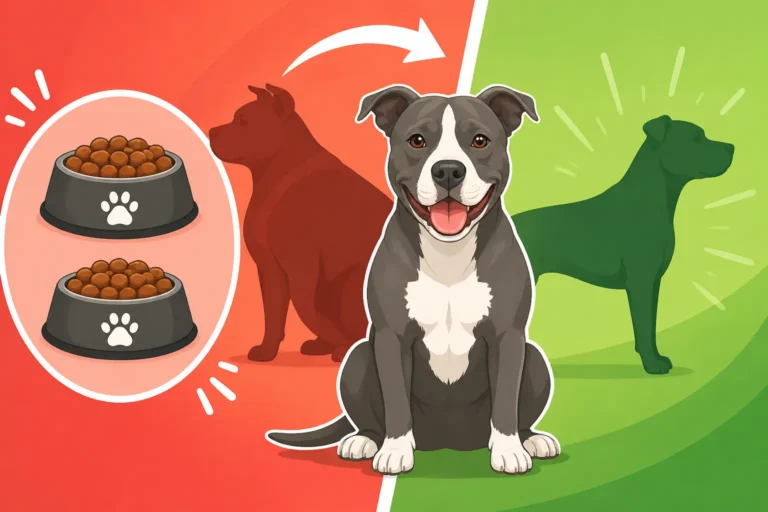
- Diet: A high-quality diet is crucial for healthy skin and coat. If your Pit Bull isn't getting adequate nutrition, particularly essential fatty acids like Omega-3s and Omega-6s, their skin can become dry and their coat brittle, leading to excessive shedding. Think of it like a human with a poor diet having dull hair and dry skin. Ingredients matter, and a diet rich in fillers or low-quality proteins might not provide the building blocks for a robust coat. Many owners consider options like Ollie's fresh food plans, which emphasize whole ingredients, or specialized formulas from Chewy that target skin and coat health, to ensure their pup is getting the best.
- Health: Underlying health issues can manifest as changes in coat quality and shedding. Conditions like allergies (whether environmental or food-related), parasites (fleas, mites), fungal infections, or even hormonal imbalances (like hypothyroidism) can all cause increased hair loss, dull coats, or patchy shedding. If you notice a sudden, dramatic increase in shedding, or if it's accompanied by itching, redness, or bald spots, it's definitely time to Pit Bull Skin Checks During Weekly Grooming or consult your vet.
- Stress: Believe it or not, stress can make your Pit Bull shed more. A sudden change in routine, moving to a new home, anxiety from being left alone, or even loud noises can trigger a stress response that includes increased hair loss. You might notice this if you've recently traveled with your dog or had a chaotic week at home. Their body's natural "fight or flight" response can impact hair follicles.
- Grooming Routine: A consistent grooming routine is your best friend when it comes to managing shedding. Lack of regular brushing allows dead hairs to accumulate, making the shedding appear worse. We'll dive into this more in the next section.
Understanding these factors allows you to be proactive in managing your Pit Bull's coat health and overall well-being.
Managing Pit Bull Shedding Effectively
Now that we know why Pit Bulls shed, let's talk about how to tackle it. Managing shedding effectively isn't about stopping it entirely – that's impossible and unnatural – but about minimizing the loose hair around your home and promoting a healthy coat for your dog. It's a consistent effort, but a rewarding one for both you and your furry companion.
The Importance of Regular Brushing
Regular brushing is by far the most effective tool in your shedding management arsenal. For a Pit Bull's short coat, daily or every-other-day brushing is ideal, especially during peak shedding seasons. This isn't just about removing loose hair; it also distributes natural skin oils, promoting a healthier, shinier coat and stimulating circulation in the skin.
For Pit Bulls, you want brushes designed for short-haired breeds. A rubber curry brush or a shedding blade (used gently!) works wonders. I personally swear by rubber curry brushes; they're gentle on the skin but surprisingly effective at pulling out those stubborn short hairs. You'd be amazed how much hair comes off with a few minutes of brushing, even if your dog doesn't look like they're shedding. When you're brushing, pay extra attention to areas like their back, flanks, and hindquarters where shedding can be particularly noticeable. Getting into a routine, perhaps while you're watching TV or relaxing together, can turn brushing into a bonding experience rather than a chore. Many owners find a good selection of brushes on platforms like Chewy or Amazon, making it easy to experiment and find what works best for their individual dog.
Bathing Routines to Reduce Shedding
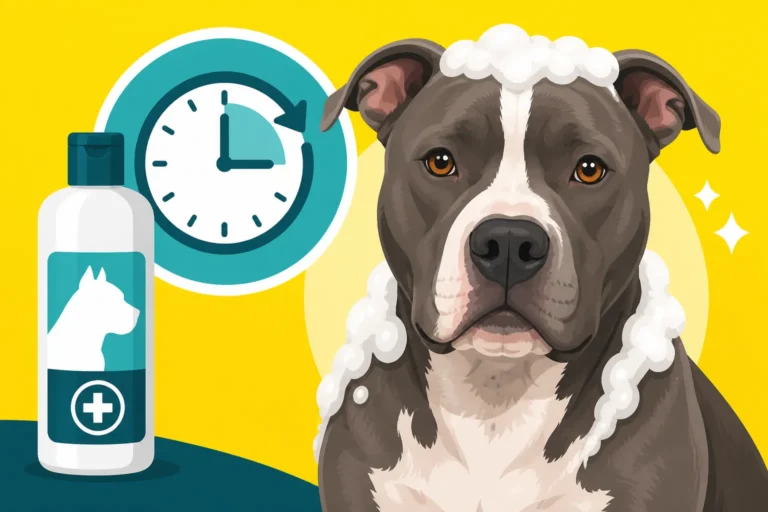
Bathing can also play a crucial role in managing shedding, as long as it's done correctly and not too frequently. A good bath helps loosen and wash away dead hair that brushing alone might miss. For Pit Bulls, bathing every 3-4 weeks is generally sufficient unless they get particularly dirty or have specific skin conditions requiring more frequent medicated baths.
When you bathe your Pit Bull, use a high-quality shampoo formulated for dogs, ideally one that moisturizes the skin and supports coat health. Look for ingredients like oatmeal, aloe vera, or specific "shed control" formulas. During the bath, really work the shampoo into the coat and skin, gently massaging to help release those loose hairs. The rinse is just as important; make sure all shampoo is thoroughly washed out to prevent skin irritation. After the bath, vigorously towel dry your dog, which can help remove even more loose hair. Follow up with a good brush when their coat is damp or completely dry. Some owners use a pet-specific blow dryer on a cool setting to help blast away loose hairs, but ensure your Pit Bull is comfortable with this. For pups with sensitive skin, choosing the right shampoo is key, so you might explore options specifically for Medicated Shampoo Routines for a Pit Bull if your vet recommends it.
Nutritional Support for a Healthy Coat
What goes into your Pit Bull's bowl directly impacts the health of their skin and coat. A shiny, healthy coat with minimal excessive shedding is often a good indicator of overall internal health. Conversely, a dull, dry, or excessively shedding coat can signal a nutritional deficiency.
- High-Quality Protein: Hair is primarily made of protein, so ensuring your Pit Bull gets enough high-quality, digestible protein in their diet is fundamental. Look for dog foods where a named meat source (chicken, beef, lamb, fish) is the first ingredient.
- Essential Fatty Acids: Omega-3 and Omega-6 fatty acids are superstars for skin and coat health. These can be found in ingredients like fish oil, flaxseed, and certain vegetable oils. Many premium dog foods already include these, but you might consider adding a supplement. I've seen great results with Omega Oils for Pit Bull Skin and Coat, which can be easily added to their food. These healthy fats help keep the skin moisturized and hair follicles strong, reducing breakage and excessive shedding.
- Vitamins and Minerals: Ensure their diet is balanced with essential vitamins (especially A, E, and B vitamins) and minerals (like zinc and copper), all of which play a role in skin and coat integrity.
- Limited Ingredient Diets: If your Pit Bull has a sensitive stomach or you suspect food allergies, a limited ingredient diet (LID) might be beneficial. Food allergies can often manifest as skin issues and excessive shedding, so finding a diet that agrees with them can make a big difference. Brands like Ollie often offer novel protein sources in their fresh food, which can be great for dogs with sensitivities, and you can find various limited ingredient diets through retailers like Chewy or Amazon. Always consult with your vet before making significant dietary changes, especially if you suspect an allergy.
By focusing on a well-rounded, nutritious diet, you're not just managing shedding; you're supporting your Pit Bull's entire health from the inside out.
When Shedding Might Signal a Deeper Issue
While some shedding is entirely normal for Pit Bulls, there are times when it goes beyond the usual hair turnover and could be a red flag for an underlying health problem. Learning to distinguish normal shedding from concerning hair loss is an important part of responsible Pit Bull ownership.
Excessive Shedding and Skin Problems
If your Pit Bull is suddenly shedding a lot more than usual, or if the shedding is accompanied by other skin symptoms, it's time to pay closer attention. These could be signs of:
- Allergies: This is a huge one for Pit Bulls. They are notoriously prone to environmental allergies (atopy) and food allergies. An allergic reaction often causes intense itching, leading your dog to scratch, lick, and chew their skin, which in turn causes hair breakage and loss. You might notice redness, scabs, or a yeasty smell. The shedding might be patchy, or you could see more hair coming off when you pet them. A common sign of allergies often begins with Why Pit Bull Skin Allergies Start on the Feet and Pit Bull Paw Licking and Chewing.
- Parasites: Fleas, mites (like Demodex or Sarcoptes), and other external parasites can cause severe itching and irritation, leading to scratching and hair loss. Even a few fleas can trigger a strong allergic reaction in some dogs, known as Flea Allergy Dermatitis. Regular parasite prevention is key.
- Skin Infections: Bacterial or yeast infections (pyoderma, Malassezia dermatitis) often occur secondary to allergies or other skin irritations. These infections can cause redness, odor, flaky skin, and significant hair loss. You might see specific patterns of hair loss or thinning where the infection is present.
- Nutritional Deficiencies: As mentioned earlier, a lack of key nutrients can weaken hair follicles and lead to a dull coat and increased shedding. This is often a slower, more general type of shedding rather than patchy baldness.
If you observe any of these symptoms alongside excessive shedding, don't just brush it off. It's a clear signal that your dog needs a closer look from a veterinarian. They can help diagnose the specific issue and get your Pit Bull on the right track, whether it's with special shampoos, medications, or dietary changes.
Hormonal and Stress-Related Shedding
Beyond allergies and parasites, other internal factors can dramatically impact your Pit Bull's coat. Hormonal imbalances and stress are two common culprits that often get overlooked.
- Hormonal Imbalances: Conditions like hypothyroidism, where the thyroid gland doesn't produce enough hormones, can significantly affect a dog's coat. Symptoms often include a dull, dry, brittle coat, excessive shedding, thinning hair (especially on the flanks and tail), weight gain despite no change in diet, and lethargy. If your Pit Bull is gaining weight on the same food and seems generally sluggish, alongside coat changes, it's worth asking your vet about Hypothyroidism and a Thinning Pit Bull Coat and running a thyroid panel. Adrenal gland issues can also sometimes cause hair loss, although this is less common.
- Stress and Anxiety: Just like humans can lose hair during periods of high stress, so too can dogs. A Pit Bull experiencing chronic anxiety or acute stress might shed more heavily. This could be due to changes in their environment, separation anxiety, fear of loud noises, or even pain. The shedding is often generalized across the body rather than in specific patches. If your dog is exhibiting other signs of stress – pacing, excessive licking, changes in appetite, destructive behavior – and also shedding heavily, addressing the root cause of their anxiety can often improve their coat health. For example, a Pit Bull who is anxious when left alone might chew or lick excessively, which compounds the shedding problem. Providing a consistent routine and a calm environment can help.
Identifying When to Consult Your Vet
Knowing when to move beyond home remedies and schedule a vet visit is crucial for your Pit Bull's well-being. While a little extra hair is usually just part of life with a short-coated dog, certain signs warrant professional attention.
You should definitely consult your veterinarian if you notice:
- Sudden, dramatic increase in shedding: If your Pit Bull goes from typical shedding to leaving huge amounts of hair everywhere almost overnight.
- Bald spots or thinning patches: These are rarely just "normal shedding" and usually indicate an underlying problem.
- Skin irritation: Redness, rashes, bumps, scabs, flakes, or a greasy/oily coat.
- Excessive itching, licking, or chewing: If your dog is constantly scratching themselves, especially if it's disrupting their sleep or daily activities.
- Changes in coat texture: A coat that suddenly becomes dull, brittle, coarse, or unusually soft.
- Odor: A strong, unpleasant smell coming from their skin or coat.
- Lethargy or changes in appetite/weight: If shedding is accompanied by other systemic signs of illness.
- Wounds or open sores: Especially if they are self-inflicted from scratching.
Your vet can perform a physical exam, possibly do some skin scrapings to check for mites, a fungal culture, blood tests, or discuss a food trial if allergies are suspected. Remember, early intervention often leads to quicker and more effective resolution of skin and coat problems. Don't hesitate to reach out to your vet if you have any concerns; they are your best resource for keeping your Pit Bull healthy and comfortable.
Pit Bull Shedding Management Quick Guide
To help you keep track of the best practices for managing your Pit Bull's shedding, here's a quick overview:
| Aspect | Recommendation | Details |
|---|---|---|
| Brushing Frequency | Daily to every other day | Use a rubber curry brush or shedding tool. Focus on back, flanks, and hindquarters. |
| Bathing Routine | Every 3-4 weeks, or as needed for skin conditions | Use dog-specific, moisturizing shampoo. Rinse thoroughly. Towel dry vigorously. |
| Diet Quality | High-quality, protein-rich diet with essential fatty acids (Omega-3s & 6s) | Look for named meat as the first ingredient. Consider supplements like fish oil. |
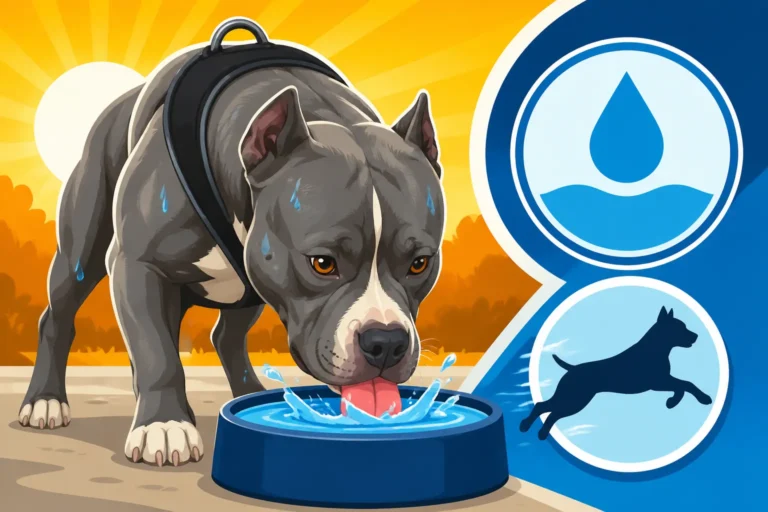
| Hydration | Ensure constant access to fresh water | Dehydration can impact skin elasticity and coat health. |
| Parasite Prevention | Year-round prevention for fleas, ticks, and mites | Consult your vet for the best product for your area and dog. |
| Environmental Control | Regular vacuuming and cleaning of dog's bedding | Reduces loose hair in the home. Use pet-specific lint rollers for clothing/furniture. |
| Stress Management | Provide a consistent routine, adequate exercise, and mental stimulation | Address underlying anxiety with training or vet consultation if needed. |
| Vet Check-ups | Annual check-ups, or sooner if abnormal shedding/skin issues appear | Essential for identifying and treating underlying health conditions. |
Remember, managing your Pit Bull's shedding is an ongoing process, but with consistency and attention to their overall health, you can keep their coat looking great and your home a little cleaner!
Disclaimer
This article is for general informational purposes only and does not constitute professional advice. Laws, prices and regulations vary by location and change over time. Consult a qualified professional for guidance on your specific situation.