Pit Bull Paw and Pad Care
As a Pit Bull owner, you know your dog's paws are their primary interface with the world. From zooming around the yard to long walks on varied terrain, those tough-looking pads take a beating, and it's incredibly frustrating when you notice them cracked, irritated, or causing your loyal companion discomfort. This comprehensive guide will walk you through everything you need to know about caring for your Pit Bull's paws and pads, helping you keep them healthy, comfortable, and ready for all of life's adventures.
Understanding Pit Bull Paws: Built for Action, Prone to Issues
Pit Bulls are renowned for their athleticism, power, and enthusiasm. Their paws are naturally designed to handle a good amount of activity, built with strong nails and dense, protective pads that act like shock absorbers. However, this doesn't make them invincible. Just like any athlete, your Pit Bull's feet need careful attention to prevent common problems that can arise from their active lifestyle and unique physiology.
The Anatomy of a Pit Bull Paw
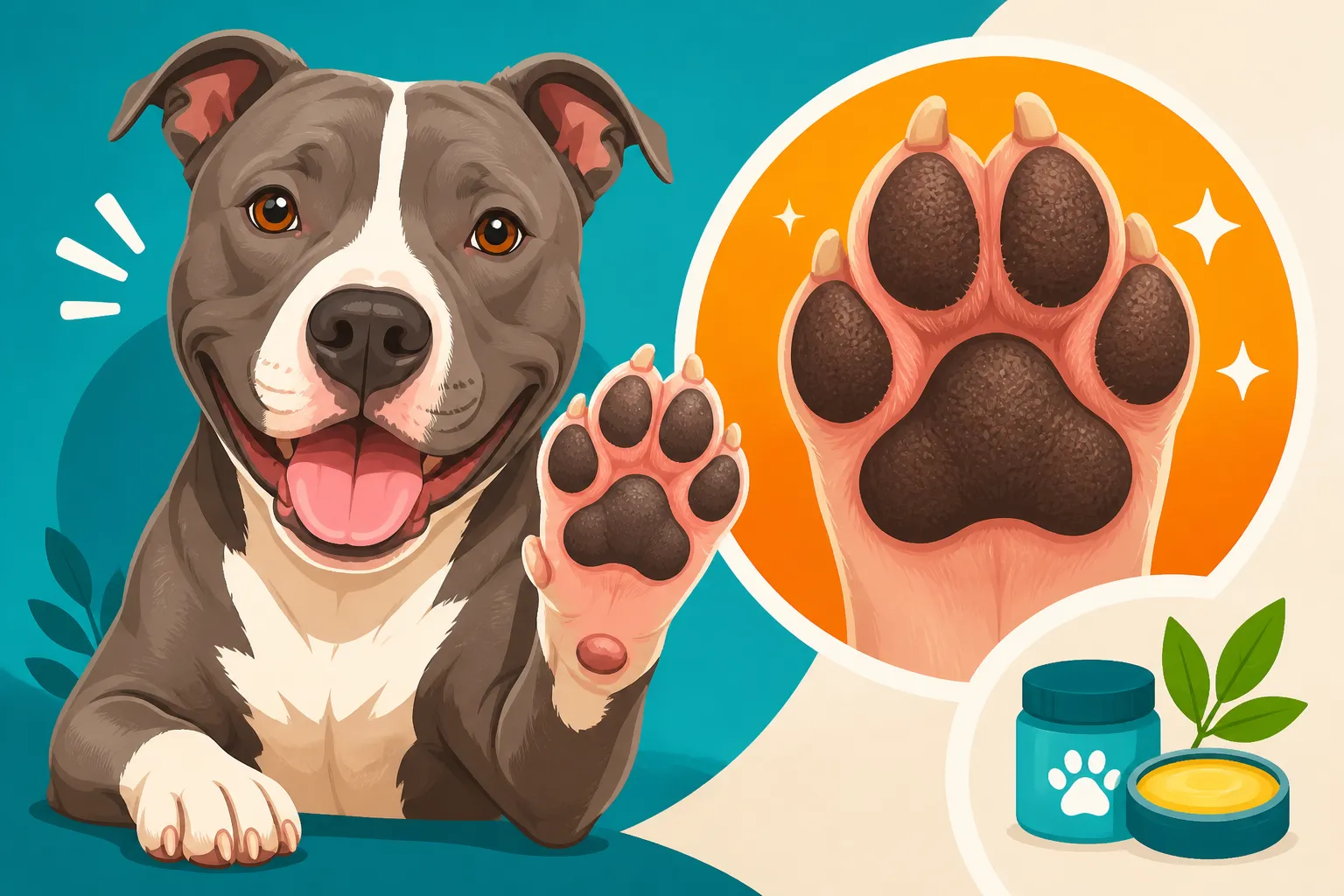
Think of your Pit Bull's paw as a marvel of engineering. It's composed of numerous small bones, ligaments, tendons, and muscles, all working in harmony. The most visible parts are the paw pads, which are thick, fatty, and covered with tough, keratinized skin. These pads provide traction, protect against impact, and insulate against temperature extremes. Between the pads, and often between the toes, there's softer skin, which is more vulnerable to irritation and foreign objects. Then you have the nails, which are vital for grip and digging, but can also be a source of discomfort if neglected. Understanding these components helps you spot potential issues early.
Because Pit Bulls are often heavily muscled and carry their weight with power, their paws bear a significant load. This constant impact, especially on hard surfaces, can lead to wear and tear over time. While the pads are tough, they aren't impervious to injury, and the skin in between the toes is particularly sensitive. This blend of strength and vulnerability means a proactive approach to paw care is essential for these dynamic dogs.
Common Environmental Stressors
Our modern world presents a host of challenges for dog paws. Imagine your Pit Bull trotting along a scorching summer sidewalk, then later digging in damp garden soil, and then encountering icy, salted streets in winter. Each of these scenarios introduces different stressors. Hot pavement can cause severe burns, while sharp gravel or broken glass can lead to cuts and abrasions. Chemical irritants like de-icing salts, lawn fertilizers, or household cleaning products can cause painful contact dermatitis. Even common allergens like pollen or certain grasses can trigger reactions, leading to obsessive licking and chewing, particularly in breeds prone to allergies.
Beyond external factors, the very nature of a Pit Bull’s enthusiastic play can be a stressor. Running hard, pivoting sharply, or stopping suddenly can put immense strain on the paw structures, sometimes leading to sprains or even tears. If your Pit Bull is always charging through rough terrain, those pads are constantly being scuffed, rubbed, and exposed to potential irritants. Being aware of these everyday hazards is the first step in prevention.
Daily Care and Inspection Rituals
Preventative care is truly the best defense against paw problems. Integrating a few simple routines into your daily or weekly schedule can make a world of difference in keeping your Pit Bull's paws healthy and happy. It's not just about treating issues when they arise, but actively working to avoid them.
Regular Visual Checks
Make it a habit to examine your Pit Bull's paws regularly, ideally once a day or after every significant outdoor adventure. Gently spread their toes apart and look closely at the pads themselves, as well as the skin in between the toes. You're looking for anything unusual: redness, swelling, cuts, scrapes, splinters, thorns, or any foreign objects lodged in the fur or pads. Pay attention to the nails, too; are they growing too long? Are any cracked or broken?
This routine inspection isn't just about finding problems; it's also a bonding experience. By making it a positive interaction with treats and praise, your Pit Bull will learn to tolerate and even enjoy having their paws handled. This familiarity will be invaluable if you ever need to treat an injury or trim nails, making the process less stressful for both of you. Many paw issues, like a minor cut or a grass awn between the toes, are much easier to resolve when caught early.
Gentle Cleaning After Walks
After walks, especially those on dirty, dusty, or chemically treated surfaces, a quick paw cleaning can prevent a host of problems. Use a damp cloth or a designated paw washer filled with warm water to gently wipe down each paw. This removes dirt, allergens like pollen, mud, and any chemical residues that might irritate sensitive skin or be ingested when your Pit Bull inevitably licks their paws later. Don't forget to get between the toes!
For Pit Bulls prone to allergies or skin issues, this step is particularly crucial. Rinsing pollen off their paws after grass walks can significantly reduce exposure to common environmental triggers. You can find specialized paw wipes or gentle, dog-safe cleansing foams on platforms like Amazon or Chewy that make this task even easier. Drying the paws thoroughly afterward, especially between the toes, helps prevent moisture-related issues like yeast or bacterial growth.
The Importance of Nail Health
Keeping your Pit Bull's nails trimmed to the proper length is paramount for their comfort, posture, and overall paw health. Overgrown nails can push up into the nail bed, causing pain and pressure on the paw. This can alter your dog's gait, leading to discomfort in their joints and even contribute to Pit Bull Joint and Ligament Injuries over time. If you hear your Pit Bull's nails clicking on hard floors, they're likely too long.
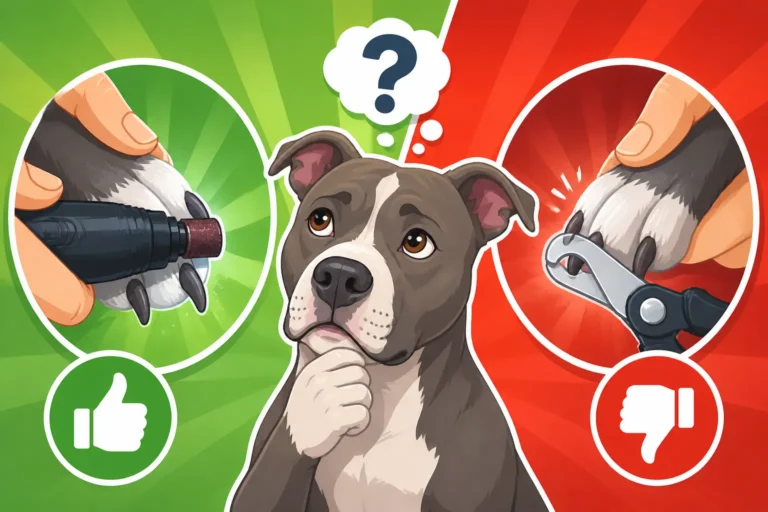
Regular nail trims might seem daunting, especially if your Pit Bull has dark nails where the quick (the sensitive part containing blood vessels and nerves) isn't visible. However, with consistent practice and positive reinforcement, it becomes manageable. If you're unsure, ask your vet or a professional groomer to show you the ropes. Many owners find a dremel grinder less intimidating than clippers, as it allows for more gradual shortening. Products for nail trimming, whether clippers or grinders, are readily available through retailers like Chewy or Amazon.
Tackling Dry, Cracked, and Irritated Paw Pads
Dry, cracked paw pads aren't just unsightly; they can be incredibly painful for your Pit Bull, making every step a discomfort. They're also more susceptible to infection. Recognizing the signs and knowing how to soothe and protect these vital surfaces is key.
Moisturizing and Protecting Paw Pads
Just like our skin, paw pads can become dry and brittle, especially with exposure to harsh elements or low humidity. This dryness can lead to cracking, which can then become painful and bleed. The good news is that there are many excellent paw balms and moisturizers specifically formulated for dogs. These products help hydrate the pads, keeping them supple and resilient. Look for balms with natural ingredients like shea butter, coconut oil, or vitamin E.
To apply, gently massage a small amount of balm into your Pit Bull's pads, ensuring it absorbs well. It's often best to do this before bedtime or when your dog is relaxed to allow the product to soak in without being immediately licked off. Consistency is key here; regular application can prevent cracks from forming and help heal existing ones. This protective barrier also offers a small measure of defense against environmental irritants.
Identifying Allergic Reactions and Irritants
Pit Bulls are unfortunately prone to Pit Bull Skin Allergies and the Atopy Pattern, and often, the first place these allergies manifest is on their paws. If you notice your Pit Bull constantly licking, chewing, or biting their feet, accompanied by redness, swelling, or even a yeasty smell, it's a strong indicator of an allergic reaction or irritation. This can stem from environmental allergens like pollen, dust mites, or mold, or even food sensitivities. Pit Bull Paw Licking and Chewing can escalate quickly from a minor annoyance to a serious infection.
Beyond allergies, contact irritants can also cause problems. Walking on freshly fertilized lawns, through certain types of weeds, or over abrasive chemicals can trigger a localized reaction. If you suspect an allergic reaction, it's crucial to consult your veterinarian. They can help identify the underlying cause and recommend appropriate treatments, which might include medicated soaks, oral medications, or even a change in diet. Meanwhile, gentle washing and protective balms can offer some relief.
When to Seek Veterinary Help for Pad Issues
While many minor paw issues can be managed at home, there are definite signs that warrant a trip to the vet. If your Pit Bull's paw pads are severely cracked, bleeding, or show signs of deep infection (pus, foul odor, extreme swelling, or lameness), don't delay. Persistent limping, an inability to bear weight on a paw, or any sudden, unexplained swelling or redness also require professional attention.
Additionally, if you've tried home remedies for dry or irritated paws and the condition isn't improving, or if your Pit Bull's licking and chewing become obsessive, it's time for a vet visit. They can rule out underlying conditions like foreign bodies, fungal infections, deep wounds, or even more complex allergic presentations that require specific diagnostics, such as Pit Bull Skin Allergy Testing. Early intervention can prevent minor issues from becoming chronic and painful problems.
Addressing Injuries and Abrasions
Despite our best efforts, accidents happen. Pit Bulls, with their boundless energy and powerful strides, are susceptible to various paw injuries. Knowing how to react calmly and effectively can minimize discomfort and aid in a swift recovery.
First Aid for Minor Cuts and Scrapes
For small cuts, scrapes, or minor punctures that aren't bleeding heavily, the first step is to clean the area thoroughly. Gently wash the paw with lukewarm water and a mild, antiseptic soap designed for pets. You want to remove any dirt, debris, or bacteria that could lead to infection. Once clean, pat the area dry with a clean cloth.
After cleaning, apply a pet-safe antiseptic solution or ointment. Never use human products like Neosporin unless specifically instructed by your vet, as some ingredients can be toxic if licked. Keep a close eye on the wound for the next few days, checking for signs of infection like increasing redness, swelling, pus, or warmth. If your Pit Bull is prone to licking the wound, you may need an Elizabethan collar (e-collar) to prevent them from interfering with the healing process.
Dealing with Torn Pads and Punctures
Torn paw pads or deeper punctures are more serious and often require veterinary attention. Paw pads, while tough, can tear or rip, especially during vigorous activity on rough surfaces. These injuries can be very painful and bleed profusely. Deep punctures, perhaps from stepping on a sharp object, carry a high risk of infection. If you notice a significant tear, excessive bleeding, or a deep puncture wound, apply direct pressure with a clean cloth and seek immediate veterinary care.
The vet will thoroughly clean the wound, assess the depth of the injury, and determine if sutures or antibiotics are necessary. Sometimes, a protective bandage might be applied to keep the wound clean and promote healing. It's crucial not to try to stitch or heavily bandage a deep wound yourself, as improper technique can cause more harm than good and trap bacteria.
Preventing Re-Injury and Promoting Healing
Once a paw injury occurs, preventing re-injury is just as important as the initial treatment. This usually means restricting your Pit Bull's activity for a period, which can be challenging for an energetic breed. Short, controlled leash walks are typically recommended, avoiding rough terrain or anything that could put strain on the healing paw.
Consider using protective paw booties or socks when your Pit Bull goes outside, even after the wound has started to heal. These can provide a barrier against irritants and prevent the wound from reopening. Ensure the bootie fits well and doesn't rub or cause new chafing. During the healing process, continue to monitor the paw closely, changing bandages as instructed by your vet and keeping the area clean and dry. A fully healed paw is a happy paw, ready to get back to action, but a little patience here goes a long way.
Protecting Paws in Extreme Conditions
Our Pit Bulls love to be outside, but environmental extremes can pose significant threats to their paw health. Understanding how to protect their pads from both the scorching heat of summer and the biting cold of winter is crucial for their year-round well-being.
Cold Weather and Winter Paw Care
Winter brings its own set of challenges for Pit Bull paws. Freezing temperatures can lead to frostbite, especially on exposed paw pads. More commonly, walking on ice-melt salts can cause severe irritation, dryness, and cracking. These chemical de-icers are not only painful to walk on but can also be toxic if ingested when your dog licks their paws after a walk.
To protect your Pit Bull in winter, consider using paw balms that create a protective barrier against salt and ice. Products like Musher's Secret or other wax-based balms can be very effective. After every winter walk, it’s essential to wipe your Pit Bull's paws thoroughly to remove any salt or chemicals. In extremely cold conditions, or if your Pit Bull shows sensitivity, dog booties can offer excellent protection. These might take some getting used to, but they can be invaluable for prolonged outdoor exposure.
Hot Pavement and Summer Safety
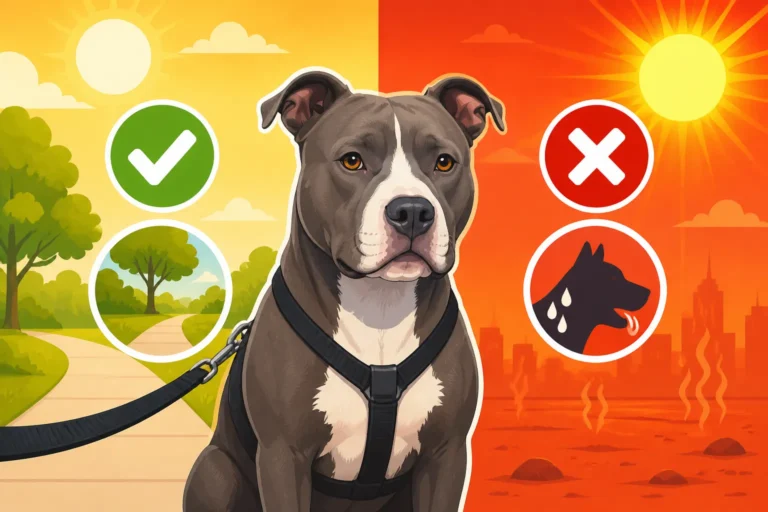
Summer can be just as dangerous for paws as winter. Hot Pavement Under a Pit Bull Paw can cause severe burns in a matter of seconds, leading to painful blisters and peeling. Think of it this way: if the pavement is too hot for you to comfortably hold your hand on for five seconds, it's too hot for your dog's paws. Black asphalt and concrete can absorb and retain heat, becoming significantly hotter than the ambient air temperature.
Always check the pavement temperature before heading out for a walk. Early morning or late evening walks are often safer during hot spells. Stick to grassy areas or shaded trails whenever possible. Paw balms can offer a minimal barrier, but they are not a substitute for avoiding hot surfaces altogether. If your Pit Bull will tolerate them, lightweight dog booties specifically designed for summer can provide protection from scorching surfaces. Don't underestimate the risk; burned paw pads are incredibly painful and take a long time to heal.
Boots, Balms, and Protective Gear
When it comes to paw protection, you have a few options, and the best choice often depends on the specific environmental challenge and your Pit Bull's tolerance. Paw balms are great for moisturizing and creating a thin protective layer against minor irritants and dry conditions. They are easy to apply and generally well-tolerated. Brands like Burt's Bees or similar paw waxes can be found on Chewy or at your local pet store.
Dog boots or booties offer a more robust level of protection, shielding paws from extreme temperatures, sharp objects, and harsh chemicals. They come in various styles, from waterproof winter boots to lighter mesh summer shoes. The key is finding a pair that fits snugly without chafing and that your Pit Bull will wear. Start with short periods indoors, rewarding heavily, to help your dog adjust. It's a great option if you find yourself asking Whether a Pit Bull Should Wear Boots in Summer or winter. Having a set of these on hand, whether from Amazon or a specialized pet outfitter, can be a game-changer for active Pit Bulls in challenging environments.
| Paw Protection Method | Best For | Pros | Cons |
|---|---|---|---|
| Paw Balms/Waxes | Dryness, minor irritation, light salt/ice | Easy to apply, moisturizes, generally well-tolerated | Minimal protection against extreme heat/cold or sharp objects |
| Paw Wipes/Sprays | Post-walk cleaning, allergy relief | Quick removal of dirt/allergens, easy for daily use | No lasting protection, primarily for cleaning |
| Dog Boots/Booties | Extreme temperatures, sharp objects, heavy chemicals, injuries | Excellent protection, covers entire paw | Can be difficult to fit, some dogs resist wearing them, can be expensive |
| Long Grass/Dirt Paths | General walking, avoiding pavement | Natural cushioning, cooler/softer surface | May expose to allergens, ticks, or unseen hazards |
Diet, Hydration, and Overall Paw Health
It's easy to focus solely on external treatments for paw issues, but true paw health often starts from within. What your Pit Bull eats and drinks plays a significant role in the integrity of their skin, coat, and yes, their paw pads. A healthy body is better equipped to resist and recover from environmental stresses.
Nutritional Support for Skin and Pads
A balanced, high-quality diet is fundamental for healthy skin and resilient paw pads. Deficiencies in essential fatty acids, particularly Omega-3s and Omega-6s, can lead to dry, flaky skin, brittle nails, and even cracking paw pads. These fatty acids help maintain the skin's natural barrier function, keeping moisture in and irritants out. Many premium dog foods formulate their recipes with optimal levels of these nutrients.
If your Pit Bull is experiencing chronic paw issues, or if their coat seems dull, your vet might recommend a dietary supplement like Omega Oils for Pit Bull Skin and Coat. These can be liquid oils added to food or soft chew supplements. Sometimes, specific allergies or sensitivities to ingredients in their food can also manifest as itchy, irritated paws, leading to behaviors like A Pit Bull Chewing Its Feet Through the Night. In such cases, a limited ingredient diet or a novel protein diet might be explored under veterinary guidance. Services like Ollie, which provide fresh, human-grade dog food, often offer options that can be tailored for dogs with sensitivities, potentially supporting overall skin and paw health.
The Role of Hydration
Water is essential for every bodily function, and skin health is no exception. Adequate hydration helps maintain skin elasticity and moisture levels, including in the paw pads. A well-hydrated dog will have healthier, more supple paw pads that are less prone to drying out and cracking. Conversely, chronic dehydration can contribute to dry, brittle pads and a compromised skin barrier.
Always ensure your Pit Bull has access to fresh, clean water, especially after exercise or during hot weather. If your dog isn't a big drinker, you can encourage more water intake by adding a little water to their kibble, offering ice cubes as treats, or considering wet food options, which have a higher moisture content. Even small changes in water intake can make a difference in the long-term health and resilience of those hard-working paws.
Disclaimer
This article is for general informational purposes only and does not constitute professional advice. Laws, prices and regulations vary by location and change over time. Consult a qualified professional for guidance on your specific situation.