Limited Ingredient Diets for an Itchy Pit Bull
It's incredibly frustrating when your beloved Pit Bull is constantly scratching, licking, and chewing, seemingly miserable in their own skin. You've tried everything – baths, creams, maybe even different medications – and the relentless itch just won't go away. This guide is here to walk you through understanding if food might be the hidden culprit behind your Pit Bull's skin troubles and how a limited ingredient diet can be a powerful tool in finding relief.
Unraveling the Mystery of Your Itchy Pit Bull's Skin
When your Pit Bull is scratching themselves raw, it's easy to jump to conclusions, especially when every online forum mentions food allergies. But the truth is, an itchy dog's symptoms are often a complex puzzle with many potential pieces. Before we dive headfirst into diet changes, it’s crucial to understand the full picture.
Beyond Food: Other Causes of Pit Bull Itching
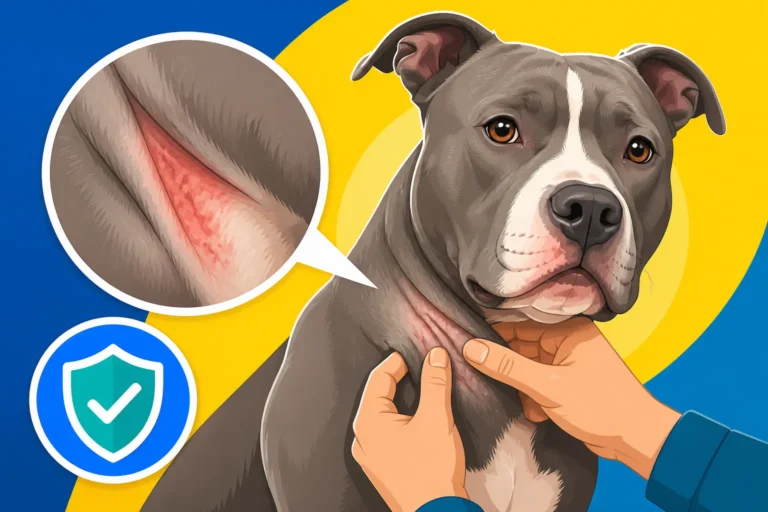
First things first, not every itch points to food. Pit Bulls, like many breeds, are prone to a range of skin issues that can cause similar, infuriating symptoms. Environmental allergies, often called atopy, are incredibly common. This is when your dog reacts to things in their environment, like pollen from grass and trees, dust mites, or mold spores, much like a human gets hay fever. Their skin becomes inflamed and itchy, often around their paws, face, armpits, and groin. You might notice them rubbing their face on the carpet or constantly licking their paws. It’s a seasonal misery for many, but can be year-round for others, and it often leads to secondary infections.
Then there are fleas. Oh, the tiny terrors! Even if you don't see them, a single flea bite can trigger an intense allergic reaction in a flea-sensitive dog, causing widespread itching. Regular, year-round parasite prevention is non-negotiable for any dog, but especially for an itchy one. Beyond that, bacterial or yeast infections often thrive on skin already irritated by allergies. These can create a vicious cycle, where the infection causes more itching, which causes more scratching, which worsens the infection. Sometimes, you might even see specific skin conditions like Demodex Mange in a Pit Bull which require very different treatments. A vet visit is always the starting point to rule out these more immediate, treatable causes, and to ensure you're not missing a simple fix before embarking on a complex dietary journey. It’s about being thorough and systematic, because throwing a new food at an infection won't solve the core issue.
Identifying the Clues: When Food Might Be the Culprit
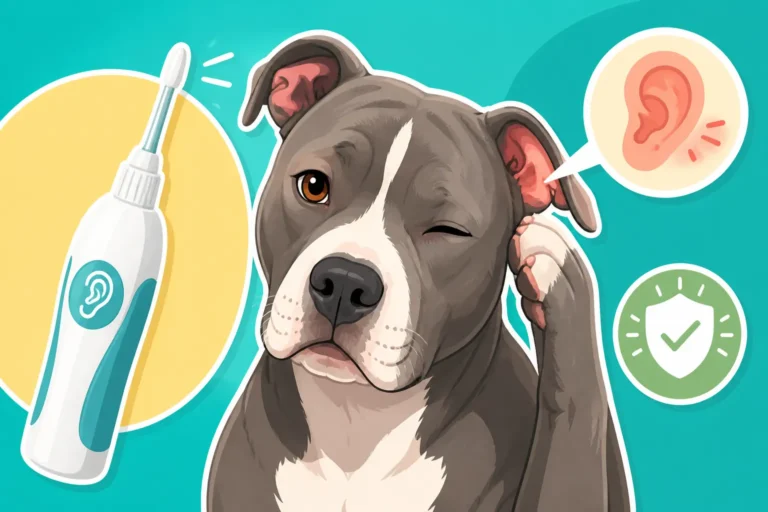
So, how do you even begin to suspect food when so many other things cause itching? While there's no single definitive symptom, certain patterns can raise a red flag for food allergies in Pit Bulls. Unlike environmental allergies that often flare seasonally, food allergies tend to cause year-round symptoms, even indoors. The primary signs are usually dermatological: relentless itching, excessive paw licking and chewing, ear infections that keep coming back, or a rash on the belly and under the armpits. If your Pit Bull is rubbing their face on the furniture every morning, it's a strong indicator.
While skin issues are primary, sometimes gastrointestinal signs accompany them. You might notice loose stools, chronic diarrhea, vomiting, or excessive gas alongside the itching. However, it's important to remember that many dogs with food allergies only show skin symptoms. If your dog’s vet has ruled out environmental triggers, fleas, and infections, and the itching persists, then food moves higher up the suspect list. It’s like being a detective, piecing together all the subtle hints your dog is giving you. Many vets will tell you that Food Allergies Behind Pit Bull Itching are often misdiagnosed as purely environmental, prolonging a dog's discomfort, which is why a careful approach to diagnosis is so important.
Diving Deep into Limited Ingredient Diets (LIDs)
Once other causes have been minimized or ruled out, turning to diet makes a lot of sense. The concept of a Limited Ingredient Diet (LID) is exactly what it sounds like: a diet made with as few ingredients as possible to simplify what your dog is consuming. This helps isolate potential allergens.
The Core Principles of an Effective LID
The philosophy behind a true Limited Ingredient Diet is to provide a complete and balanced nutritional profile for your dog using a minimal number of novel ingredients. "Novel" here means proteins and carbohydrates that your Pit Bull has likely never encountered before. The idea is that if your dog is allergic to something, it's usually something they've been exposed to repeatedly over time – often common proteins like chicken, beef, or dairy, and grains like wheat or corn. By removing these common culprits and introducing something entirely new, you give your dog's immune system a "reset" button, and a chance to calm down.
Transparency in ingredients is absolutely key. You want to see short ingredient lists with easily identifiable sources. Any hidden ingredients, flavorings, or mysterious "animal by-products" can completely derail the trial. It’s not just about the main protein; it's about every single component. Even treats, chew toys, or supplements can contain trace amounts of common allergens, so meticulous label reading is essential. The goal is to strip the diet back to basics, creating a clean slate where you can objectively observe any improvements in your Pit Bull’s skin and overall health.
Choosing the Right Novel or Hydrolyzed Protein Source
When it comes to selecting an LID, you generally have two main approaches: novel protein diets or hydrolyzed protein diets.
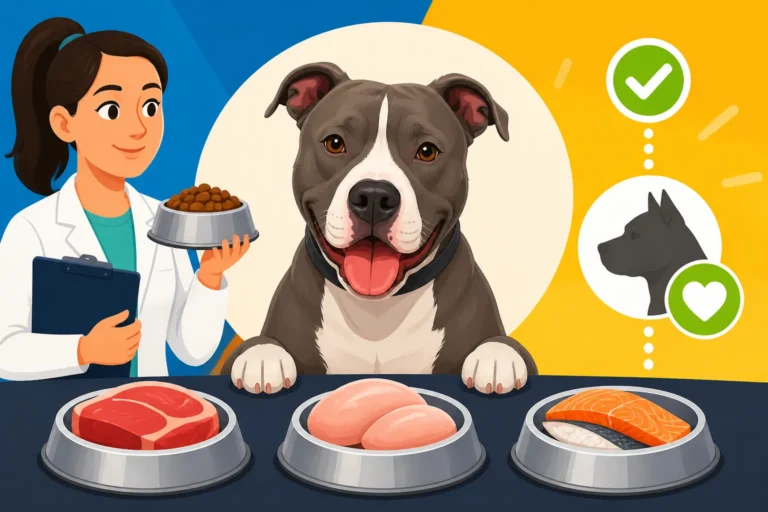
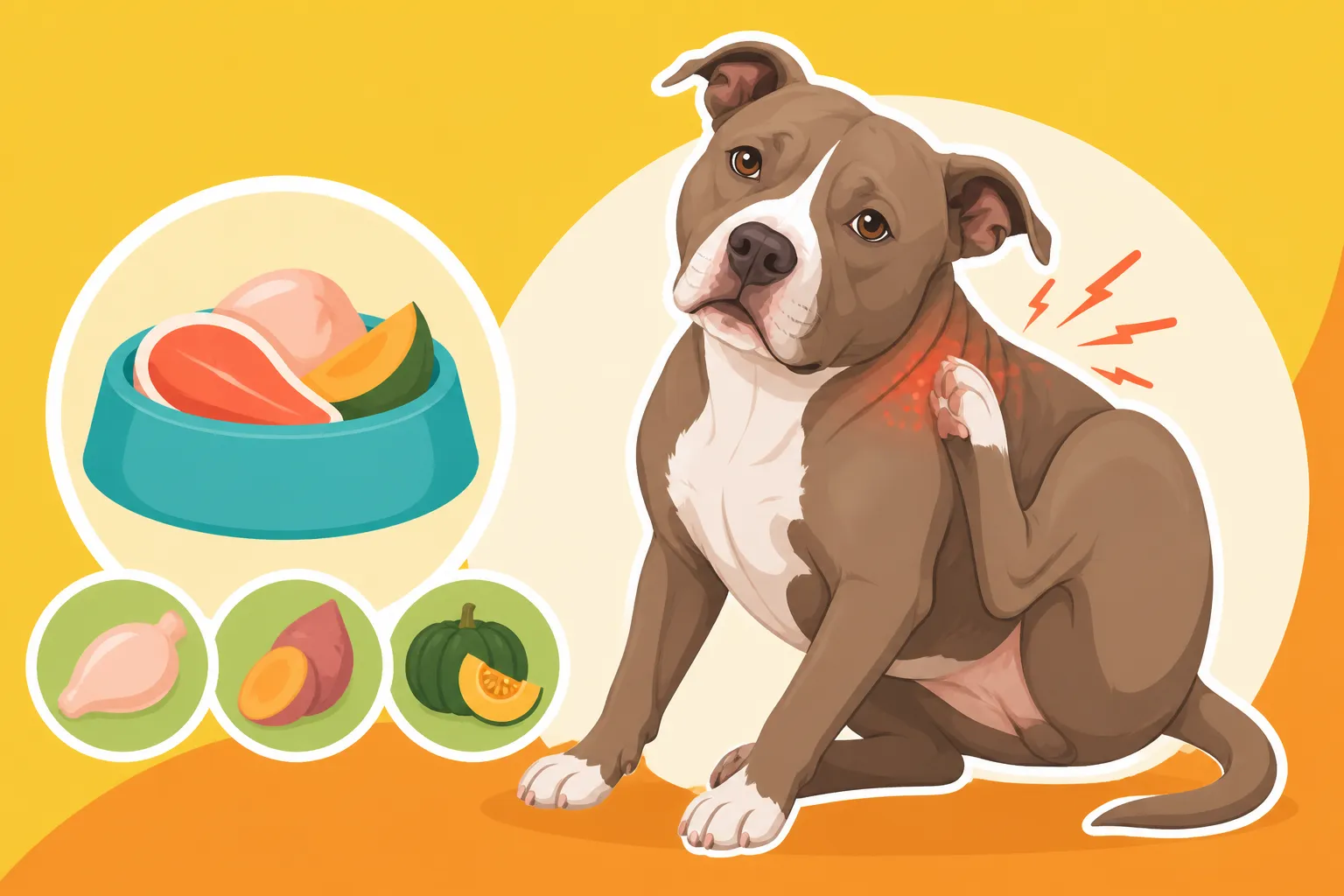
Novel Protein Diets: These diets utilize protein sources that are uncommon in most commercial dog foods. Think duck, venison, kangaroo, rabbit, or salmon. The carbohydrate source is also typically limited to one, such as sweet potato, potato, or peas. The trick here is choosing a protein your Pit Bull hasn't had before. If they've eaten a salmon-based food for years, salmon isn't a novel protein for them, even if it's considered "uncommon" for other dogs. You can find a decent selection of these diets from reputable brands on platforms like Chewy or Amazon, but always scrutinize the ingredient list to ensure it's truly limited and free from hidden allergens. Look for specific labeling like "single source protein" and "single source carbohydrate." When considering Novel Proteins Worth Trying on a Pit Bull, keep in mind their past food history.
Hydrolyzed Protein Diets: These are a bit different and often considered the "gold standard" for diagnosing food allergies. In these diets, the protein has been broken down (hydrolyzed) into such tiny pieces that your dog's immune system doesn't recognize it as a protein and therefore doesn't mount an allergic response. This is incredibly effective because it bypasses the need to find a "novel" protein entirely. Hydrolyzed diets are typically prescription-only, meaning you'll need a veterinarian to prescribe them. They are often more expensive but offer the highest likelihood of success in diagnosing a food allergy. Your vet might recommend a specific brand like Royal Canin Hydrolyzed Protein or Purina Pro Plan HA. These diets are specifically formulated for elimination trials and provide a consistent, hypoallergenic foundation. For Pit Bulls with severe or persistent itching, a hydrolyzed diet is often the recommended starting point due to its high diagnostic accuracy, especially when considering a Limited Ingredient Food for a Pit Bull With Atopy.
Here's a quick comparison of the common diet types used for allergic dogs:
| Diet Type | Description | Pros | Cons |
|---|---|---|---|
| Commercial LID | Limited ingredients, novel protein, single carb. | Convenient, readily available (Chewy, Amazon). | Ingredient quality varies, potential for cross-contamination in processing. |
| Hydrolyzed Protein Diet | Proteins broken down so immune system doesn't recognize them. | Highly effective for true food allergies, less risk of immune reaction. | Prescription only, often higher cost, less palatable for some dogs. |
| Home-Cooked LID | Owner prepares food with limited, chosen ingredients. | Full control over ingredients, fresh, highly palatable. | Time-consuming, difficult to ensure nutritional balance without expert help. |
Navigating the Food Elimination Trial: A Step-by-Step Guide
Once you've chosen the right limited ingredient diet, the real work begins: the food elimination trial. This isn't a quick fix or a casual change; it's a diagnostic process that requires immense dedication and strict adherence. Many owners get frustrated because they don't see immediate results, but patience is your biggest ally here.
The Strict Regimen: No Cheats, No Exceptions
This is the golden rule, and it cannot be stressed enough: for the duration of the trial, your Pit Bull can eat nothing but the chosen limited ingredient diet. This means no table scraps, no sneaking bits of cheese, no flavored medications (unless approved by your vet as hypoallergenic), and absolutely no regular treats. If your dog gets into the trash or licks a dropped crumb from the floor, the trial is compromised, and you essentially have to start all over again. Most vets recommend a trial period of 8 to 12 weeks, sometimes even longer for severe or long-standing cases. That's a minimum of two to three months of absolute vigilance.
I know, it sounds daunting, especially for a Pit Bull who excels at finding dropped snacks or charming their way into an extra bite. But every single "cheat" reintroduces potential allergens and restarts the inflammatory process, making it impossible to tell if the diet is truly working. Think of it like a science experiment where you're trying to isolate one variable. Any outside influence muddies the results. If you use treats for training, you'll need to find single-ingredient treats that match your chosen LID's protein source or use pieces of the kibble itself. Treats Small Enough for Repeated Pit Bull Training from your selected LID can be a lifesaver. This commitment to Eight Weeks of Nothing Else for an Itchy Pit Bull is often the hardest part, but it's what differentiates a successful diagnostic trial from a mere food change.
Monitoring Progress and Interpreting Results
During the elimination trial, you'll need to become an avid observer and documenter. Keep a detailed journal. Note down daily observations: how much your Pit Bull is scratching or licking, any changes in their skin (redness, scabs, hair regrowth), the quality of their stool, and their overall energy levels. Take photos every week! Sometimes, small improvements are hard to notice day-to-day, but looking back at photos can reveal significant changes.
Don't expect overnight miracles. It often takes several weeks for the body to clear out existing allergens and for the immune system to calm down. You might see a slight improvement in the first few weeks, but full resolution of symptoms can take the entire 8-12 week period. If your Pit Bull has secondary infections, those will need to be treated concurrently by your vet, as the diet alone won't clear them up. If, after the full trial, your Pit Bull's itching has significantly improved or completely resolved, congratulations! You've likely identified a food allergy or sensitivity. If there's no change, or only a minimal one, it might mean the initial diet choice wasn't appropriate (e.g., the protein wasn't truly novel), or more likely, that food isn't the primary cause of your Pit Bull's itching.
Common Roadblocks and What to Do When an LID Isn't Enough
The food elimination trial is a powerful diagnostic tool, but it's not always a straightforward path. There are common hurdles that can make it seem like the diet isn't working, or worse, lead to incorrect conclusions.
The Pitfalls of Accidental Exposure
One of the most frequent reasons a food trial "fails" isn't because the diet itself is wrong, but because of accidental exposure to allergens. Imagine meticulously feeding your Pit Bull their special duck and potato kibble, only for a family member to slip them a piece of chicken off their plate, or for them to sneak a bite of the cat's food. Even trace amounts of a problematic ingredient can be enough to trigger an allergic reaction and set your progress back. This is why everyone in the household, and anyone who interacts with your dog, needs to be fully on board and understand the strictness of the trial.
Think about medications, too. Many pills, chews, or liquid supplements come in tempting flavors like chicken or beef. You absolutely must check with your vet to ensure any necessary medications are either unflavored or made with hypoallergenic ingredients that won't interfere with the trial. Shared water bowls with other pets who aren't on the same diet can also be a sneaky source of contamination if food particles get into the water. Even certain durable chew toys, if they have flavorings embedded, can be a problem. It’s a constant battle against accidental contamination, and it requires vigilance in every aspect of your Pit Bull’s daily life.
When the Itch Persists: Re-evaluating Your Approach
So, you've been diligently feeding the LID for 10 weeks, and your Pit Bull is still scratching just as much. What now? First, don't despair. This doesn't mean you've failed, but it does mean it's time to re-evaluate. The most important step is a frank conversation with your veterinarian.
There are a few possibilities:
- Insufficient Trial Length: Sometimes, 8 weeks isn't quite enough for stubborn allergies, especially if there were prior accidental exposures that prolonged the inflammatory response. Your vet might recommend extending the trial for another couple of weeks.
- Incorrect Diet Choice: The chosen novel protein might not have been truly novel, or perhaps there was cross-contamination in the manufacturing process of a commercial LID. This is where hydrolyzed protein diets often shine, as they largely eliminate this risk. Your vet might suggest switching to a different LID or a prescription hydrolyzed formula.
- Non-Food Related Issues: The most likely scenario if a strict, properly executed food trial yields no results is that food isn't the primary trigger for your Pit Bull's itching. This points strongly back to environmental allergies (atopy) as the underlying cause. In this case, your vet will shift focus to allergy testing (like intradermal skin testing or blood tests) and management strategies for environmental allergies, which often involve medications, specialized shampoos, and potentially immunotherapy. It's tough to hear when you've invested so much into a food trial, but knowing what isn't the problem is just as valuable as knowing what is. Ultimately, if Whether a Diet Change Settles Pit Bull Itching remains unanswered positively, it's a sign to look deeper into other potential causes.
From Trial to Long-Term Management: A Sustainable Diet for Your Pit Bull
If your Pit Bull showed significant improvement on the limited ingredient diet, that's fantastic news! You've likely identified a food allergy or sensitivity. But the journey isn't quite over. Now, you need to figure out exactly which ingredients are the culprits and how to maintain a healthy, itch-free life for your dog long-term.
Post-Trial Challenges: Safely Reintroducing Ingredients
Once your Pit Bull's symptoms have cleared (or significantly improved) on the LID, the next step is the "challenge phase." This is where you systematically reintroduce ingredients, one at a time, to pinpoint exactly which ones trigger a reaction. It's a bit like detective work. Start with one new protein source that was previously in their diet, such as chicken. Feed only chicken (cooked plain, no seasonings) for about 7-10 days, in addition to their LID. Watch closely for any return of itching, paw licking, ear infections, or digestive upset.
If symptoms reappear, you've found a trigger! Remove that ingredient immediately, wait for symptoms to subside again, and then move on to challenging with a different ingredient, perhaps beef or dairy. If no symptoms appear after 7-10 days, that ingredient is likely safe. You repeat this process with all the common allergens (beef, chicken, dairy, wheat, soy, corn, egg) until you have a clear picture of what your Pit Bull can and cannot tolerate. This phase needs to be as strict as the elimination phase; only one new ingredient at a time, and nothing else. It can be a slow process, but it's the only way to gain clarity and avoid keeping your dog on an unnecessarily restrictive diet forever.
Building a Sustainable Long-Term Diet Plan
Armed with the knowledge of your Pit Bull's specific food triggers, you can then develop a sustainable long-term diet plan. This might involve:
- Continuing the Successful LID: If your Pit Bull thrived on a specific commercial limited ingredient diet and the cost is manageable, you might simply continue feeding that. Many brands like Merrick, Blue Buffalo, or Natural Balance offer LIDs that can be found at pet stores or online retailers like Chewy and Amazon. Always double-check the ingredient list for consistency, as formulations can sometimes change.
- Switching to a New Commercial Diet: Now that you know the triggers, you can seek out other commercial dog foods that explicitly avoid those ingredients. For example, if chicken is a trigger, you’d look for chicken-free formulas. Always read ingredient labels carefully, as chicken meal, chicken fat, or "poultry by-products" can still cause issues. What a Pit Bull food bag should cover beyond just the main protein is important to understand.
- Prescription Maintenance Diets: If your Pit Bull responded best to a hydrolyzed protein diet during the trial, your vet might recommend continuing a similar prescription maintenance diet. These are designed for long-term feeding and are highly effective at preventing relapse.
- Home-Cooked Diets: For some owners, particularly those dealing with multiple severe allergies, a home-cooked diet becomes the preferred route. This gives you complete control over every ingredient. However, this option comes with a huge caveat: it is incredibly difficult to formulate a nutritionally complete and balanced home-cooked diet for a dog without expert guidance. You absolutely must work with a board-certified veterinary nutritionist to ensure your Pit Bull is getting all the necessary vitamins, minerals, and macronutrients. Without this, you risk serious deficiencies that can lead to other health problems down the line. Never guess at a home-cooked diet; it's a specialty field. This is why the topic of Home Cooking for a Pit Bull and the Balance Problem is so critical.
Regardless of the choice, remember that managing food allergies is often a lifelong commitment. It requires ongoing vigilance to read labels, avoid accidental exposures, and adjust as needed. The peace of mind that comes from seeing your Pit Bull finally itch-free and comfortable in their own skin, however, is priceless. It also helps you get ahead of future costs, as chronic skin issues can lead to expensive vet bills over time. Pit Bull Allergy Treatment as a Recurring Bill can add up quickly, so finding a stable diet is a major win for your budget and your dog's health. You'll want to factor this into your overall plan for Budgeting for a Pit Bull With Chronic Allergies.
Disclaimer
This article is for general informational purposes only and does not constitute professional advice. Laws, prices and regulations vary by location and change over time. Consult a qualified professional for guidance on your specific situation.