Spotting Heat Trouble in a Working Pit Bull
It’s a common scenario: you’ve got a powerful, enthusiastic Pit Bull who lives for their training, their fetch sessions, or just a good, long hike. You love seeing them happy and engaged, pushing their limits, but there’s always that underlying worry, especially when the weather warms up, that they might be pushing too far. That intense drive can make it hard for them to know when to quit, and as their owner, it falls to us to recognize the subtle, and sometimes not-so-subtle, signs that they’re overheating. This guide is here to equip you with the knowledge to spot heat trouble in your working Pit Bull, ensuring their safety and your peace of mind.
Why Pit Bulls Face Unique Heat Risks
Our beloved Pit Bulls are magnificent athletes, brimming with strength and an incredible work ethic. They often possess a dense, muscular build and a short coat, which might seem like it would keep them cool, but these very traits, combined with their unwavering drive, can make them particularly susceptible to overheating during strenuous activity. It’s not just about the external temperature; it’s about their internal engine running hot without an efficient way to cool down.
The Pit Bull Physique and Heat Risk Factors
Think about it: a fifty-pound Pit Bull isn't just fifty pounds of fluff. It's fifty pounds of compact, powerful muscle. Muscle generates a lot of heat when it's working hard, much like an engine. Their broad chests and often shorter muzzles, while not as extreme as a brachycephalic breed like a Bulldog, can still mean they don't exchange air as efficiently as a dog with a longer snout, especially when breathing heavily. They don't sweat like humans do; their primary way to cool down is through panting, which relies on evaporation from their tongue and respiratory tract. If the air is humid, this process becomes much less effective.
Moreover, their sheer enthusiasm can be a double-edged sword. A Pit Bull, focused on a task or deep in play, might ignore early signs of discomfort that another dog might heed. They have a tendency to "power through," often to their own detriment. This means we, as their guardians, need to be extra vigilant, reading their body language and understanding the environmental factors at play. Understanding their physical makeup helps us anticipate potential problems. For more on how their unique build impacts temperature regulation, check out Heat Tolerance in a Short-Coated Pit Bull.
Early Behavioral Shifts to Watch For
The trick to preventing a full-blown emergency is catching heat stress early. These initial signs are often subtle, and you’ll need to know your dog’s normal behavior like the back of your hand to notice the difference. Perhaps your Pit Bull usually sprints across the yard for the ball but today they’re taking an extra moment, trotting rather than galloping. Maybe they're seeking out the shadier spots in the park more frequently than usual, or dipping their paws in every puddle they pass.
Another common early indicator is a slight decrease in their usual exuberant play. They might still engage, but their bursts of energy are shorter, or they might lie down more often. Pay close attention to their focus; if they're usually laser-focused on their training but today seem a bit distracted or less responsive to commands, it could be a subtle sign they're feeling the heat. It’s not about them being naughty; it’s their body gently telling them to slow down. Don’t dismiss these small changes as just an "off day."
Recognizing Progressive Symptoms of Heat Stress
If those early, subtle signs are missed or ignored, heat stress can quickly escalate into a more serious condition, potentially heatstroke. At this stage, the symptoms become more pronounced and demand immediate intervention. It’s crucial to recognize these rapidly progressing indicators, as every minute counts when a dog is overheating.
Excessive Panting and Respiratory Distress
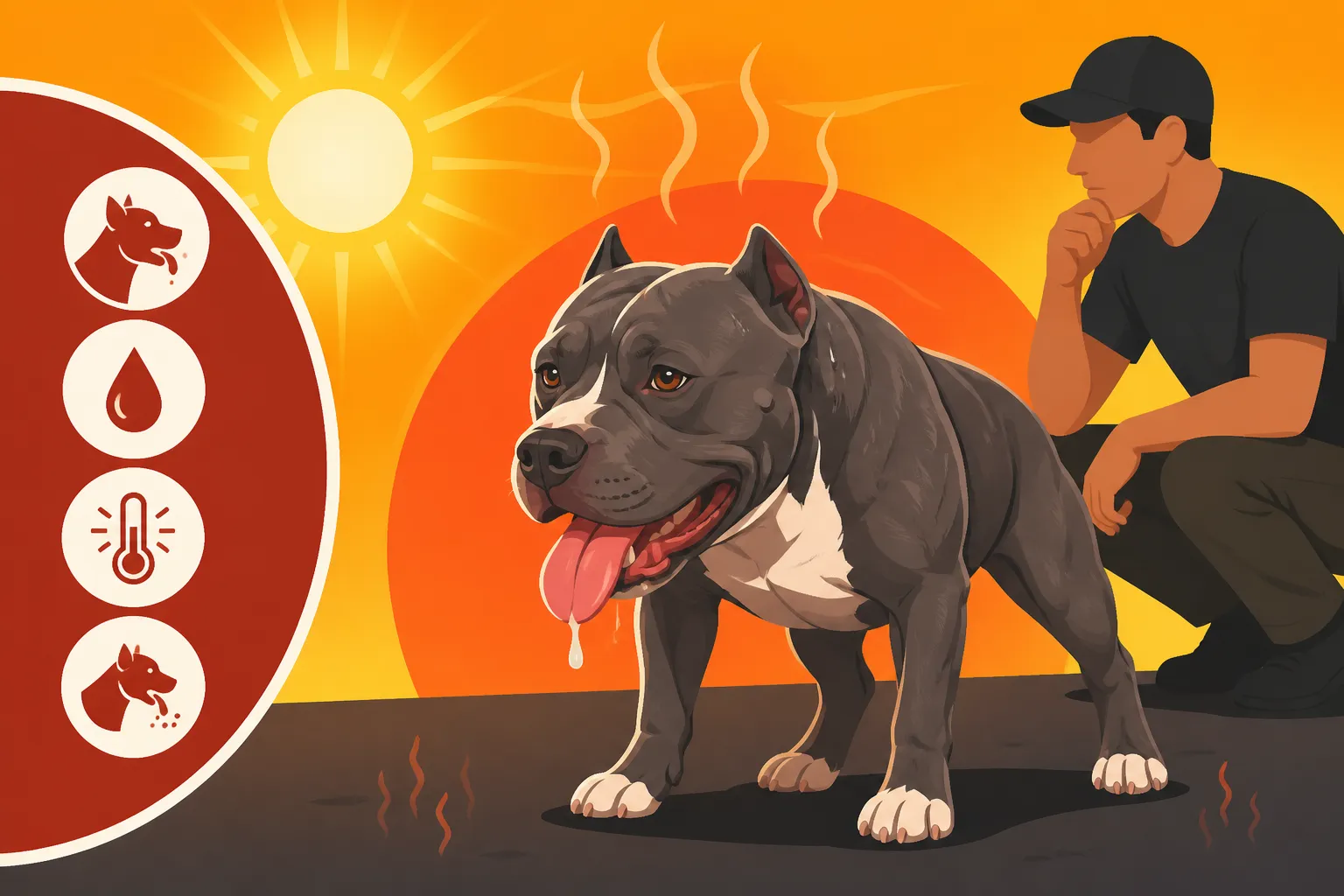
All dogs pant when they’re hot or exercising, but there’s a distinct difference between normal heavy panting and panting that signals distress. With normal exertion, your Pit Bull will pant deeply, perhaps with a bit of a happy grin, and it will usually start to subside within a few minutes once they’ve rested in a cool spot. With heat stress, the panting becomes relentless, rapid, and shallow, often with a wide-open mouth and their tongue hanging far out. Their breathing might sound strained, raspy, or even like hyperventilating.
You might also notice a change in the color of their tongue and gums – instead of a healthy pink, they might become a much darker red, almost brick-like, or even purplish. Their saliva can also become thick and sticky, sometimes appearing foamy around their mouth. This change in saliva consistency makes it harder for them to cool through evaporation, creating a dangerous feedback loop. If your dog can’t seem to catch their breath even when stopped, it's a red flag.
Physical and Neurological Changes
As a Pit Bull’s core body temperature continues to rise, more severe physical and neurological symptoms will appear. Their movements might become uncoordinated; they could stumble, sway, or even collapse. Their eyes might look glazed over, unfocused, or sunken, giving them a confused or dazed expression. You might feel their skin is unusually hot to the touch, especially around their ears or belly, though relying solely on touch isn't always accurate.
In very severe cases, you might observe muscle tremors or even full-blown seizures. They could become disoriented, bumping into objects, or struggling to recognize familiar people or surroundings, an unsettling experience for any owner. At this point, they are in grave danger. If you see any of these neurological symptoms, it’s an absolute emergency. For a broader understanding of critical health issues, see Emergency Signs That Cannot Wait in a Pit Bull.
Gastrointestinal Upsets and Collapse
Beyond the visible panting and staggering, the internal organs of a Pit Bull suffering from severe heat stress begin to fail. Vomiting and diarrhea are common, often bloody as the gut lining is damaged. This isn't just unpleasant; it further exacerbates dehydration, pushing them deeper into crisis. They may lose control of their bladder or bowels.
Ultimately, without intervention, the dog will collapse. This isn't just lying down; it’s a loss of consciousness or the inability to stand or respond. Their heart rate will be rapid, and their pulse weak. At this point, immediate veterinary attention is not just recommended, it is vital for survival. You're no longer trying to prevent heatstroke; you're actively battling it.
Immediate Actions and When to Seek Veterinary Care
Spotting the signs is only half the battle; knowing exactly what to do when your Pit Bull is overheating can literally be a lifesaver. The goal is to cool them down safely and gradually, while simultaneously preparing for professional medical intervention if the situation warrants it. Panicking helps no one, so take a deep breath and act decisively.
Cooling Strategies on the Spot
The very first thing you need to do is stop the activity immediately and get your Pit Bull into the coolest available environment. This means moving them out of direct sunlight and into the shade, a cool car with air conditioning, or ideally, an air-conditioned building. Offer them fresh, cool (but not ice-cold) water immediately. Sometimes a portable water bowl, like those you can find readily on Chewy or Amazon, is invaluable for these situations, ensuring you always have water on hand. Don't force them to drink, but make it available. For more tips on keeping them hydrated, check out Pit Bull Water Intake After Hard Exercise.
Next, begin active cooling. Wet them down with cool water, focusing on areas with less fur and rich blood supply: the armpits, groin, paw pads, and the underside of their neck. You can use towels soaked in cool water and place them on these areas, frequently re-wetting them as they warm up. Do not use ice-cold water or ice packs, as this can cause the blood vessels to constrict, trapping heat inside their body and potentially causing shock. A gentle stream from a garden hose or a few bottles of room-temperature water can make a huge difference. If you have a car available, put the AC on full blast and aim the vents toward them.
Knowing When It's a Vet Emergency
While you're implementing those immediate cooling measures, you must make a quick assessment of their condition. If your Pit Bull is exhibiting any of the severe symptoms mentioned earlier—staggering, disorientation, persistent vomiting or diarrhea, muscle tremors, or collapse—you need to get them to an emergency veterinarian immediately. Even if they seem to improve with your cooling efforts, a vet visit is crucial. Heatstroke can cause internal damage to organs that isn’t immediately visible, and secondary complications can arise hours or even days later.
Call ahead to the nearest veterinary clinic or emergency hospital while you’re on your way, so they can be prepared for your arrival. Let them know you suspect heatstroke and your estimated time of arrival. Keep cooling your dog during the journey. Remember, time is critical. Don't waste precious minutes "watching to see if they get better" if they're showing severe signs. When it comes to heatstroke, it's better to be overly cautious than to delay.
Preventing Heat Trouble Before It Starts
The best cure for heatstroke is prevention. As responsible Pit Bull owners, understanding how to manage their exercise and environment, especially during warmer months, is paramount. With their robust build and high energy, they often need us to set limits they might not set for themselves.
Smart Exercise Planning
The easiest way to avoid heat stress is to schedule your Pit Bull’s activity during the coolest parts of the day. This typically means early morning and late evening, especially from late spring through early autumn. Avoid walking or training your Pit Bull during the hottest part of the day, usually between 10 AM and 4 PM. Even on cloudy days, humidity can make temperatures feel much hotter and hinder their ability to cool down. Regularly checking the "real feel" temperature and humidity index is a smart habit. For a general guideline, many recommend caution when temperatures hit 75-80 degrees Fahrenheit, and extreme caution or no exercise above 85-90 degrees, especially with high humidity. You can read more about safe temperatures in Whether to Walk a Pit Bull Above Eighty Degrees.
Tailor the intensity and duration of exercise to the conditions. Instead of a long, vigorous jog, opt for shorter, more frequent walks, or switch to indoor activities during peak heat. Remember that asphalt and pavement can get incredibly hot, scorching paw pads. Always test the ground with the back of your hand; if it’s too hot for you to hold comfortably for five seconds, it’s too hot for your dog’s paws. Consider grass, shaded trails, or indoor play sessions.
Hydration and Cooling Gear
Keeping your Pit Bull well-hydrated is fundamental to preventing heat stress. Always carry plenty of fresh water for them, even on short walks. Make sure they have access to cool water bowls at home, and consider adding a second or third water station if they spend time in different areas of the house or yard. Some dogs can be encouraged to drink more by adding a splash of low-sodium broth to their water, or by offering frozen treats like ice cubes or frozen fruit pieces. Ollie offers some great fresh food options that can contribute to overall hydration due to their higher moisture content, which can be beneficial during warmer periods.
Investing in cooling gear can also make a significant difference. Cooling vests or bandanas, which you soak in water and then put on your dog, use evaporative cooling to help lower their body temperature. You can find a variety of these products on Chewy or even specialized athletic ones on Amazon. For resting outdoors, a raised dog bed or a cooling mat can help keep them off hot surfaces and promote airflow. These tools, combined with careful planning, ensure your Pit Bull can enjoy their active life safely, even when the mercury rises. For additional advice on keeping your dog cool, consider reading Cooling Gear for a Short-Coated Pit Bull. Also, ensure your Pit Bull is getting enough activity overall by checking The Daily Exercise a Pit Bull Actually Needs.
| Symptom Severity | Common Signs | Recommended Action | When to Call a Vet |
|---|---|---|---|
| Mild Heat Stress | Reduced enthusiasm, seeking shade, slightly increased panting, mild slowing down, drinking more water. | Stop activity, move to a cool, shaded area. Offer cool water. Monitor closely. | If symptoms do not improve within 10-15 minutes or worsen. |
| Moderate Heat Exhaustion | Persistent heavy panting, bright red gums/tongue, tacky saliva, mild stumbling, visible discomfort, increased heart rate. | Stop activity, move to AC/shade. Wet thoroughly with cool water (armpits, groin, paws). Offer cool water. Call vet for advice. | Immediately, if worsening or no rapid improvement. Get on the way while calling. |
| Severe Heatstroke | Extreme panting/struggling to breathe, pale or purple gums, frothy/bloody saliva, severe disorientation, collapse, seizures, vomiting/diarrhea (possibly bloody). | Immediate emergency! Stop activity, move to AC. Liberally apply cool water. Rush to emergency vet while calling ahead. | Immediately. This is a life-threatening emergency. |
Disclaimer
This article is for general informational purposes only and does not constitute professional advice. Laws, prices and regulations vary by location and change over time. Consult a qualified professional for guidance on your specific situation.