Pit Bull Water Intake After Hard Exercise
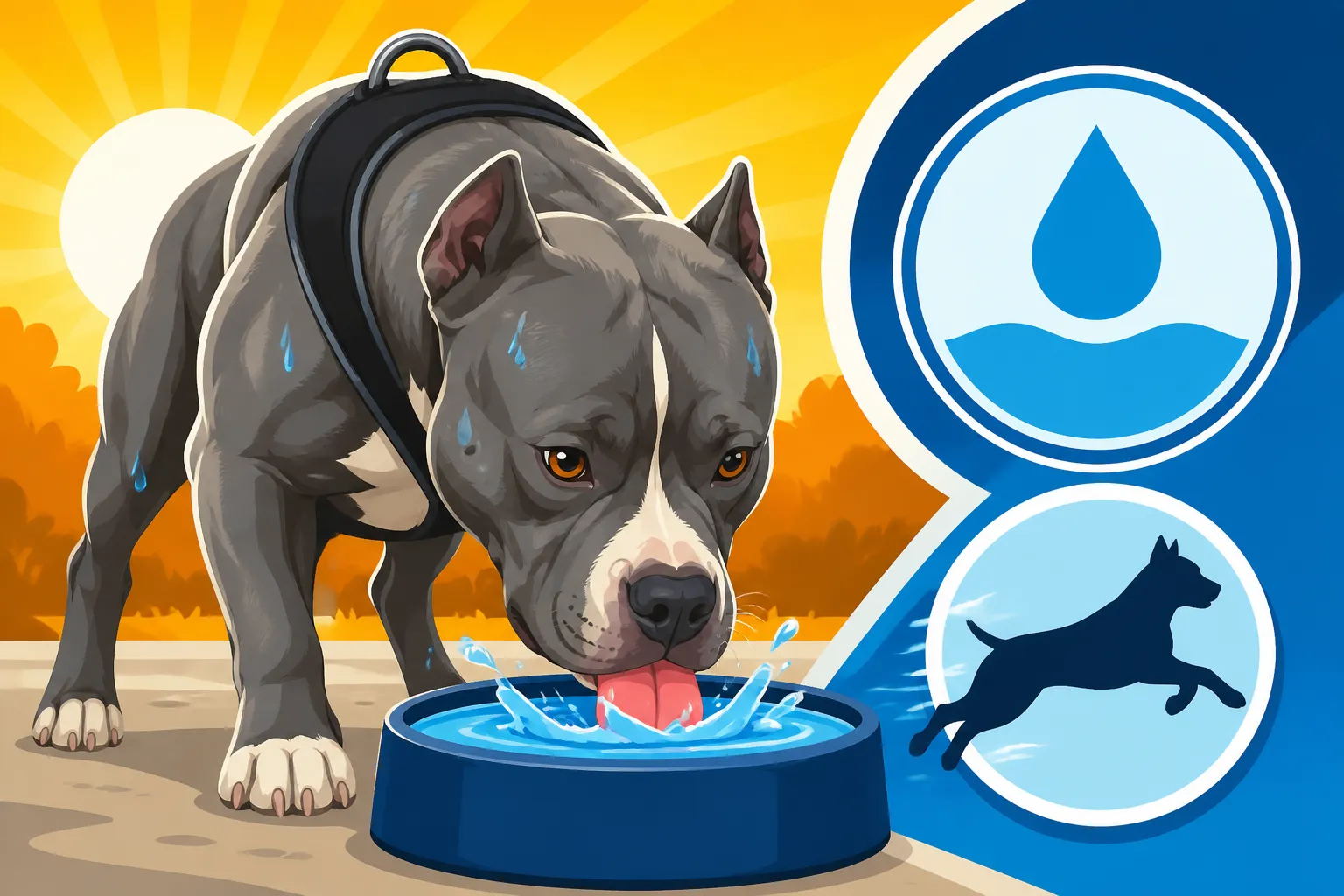
It’s a sight every Pit Bull owner knows well: after a vigorous game of fetch, a long hike, or an intense training session, your powerful companion comes bounding back, panting like a steam engine and heading straight for the water bowl. While a thirsty dog after exercise is completely normal, sometimes you might wonder if they’re drinking too much, too fast, or if their thirst indicates something more serious. This guide is all about understanding your Pit Bull's hydration needs after hard exercise, how to help them rehydrate safely, and when to recognize the warning signs that demand your immediate attention.
Why Post-Exercise Thirst is So Intense for Your Pit Bull
Our Pit Bulls are athletes, plain and simple. Their muscular build and high energy levels mean they put a lot into their exercise, and that intensity directly translates into their body's need for replenishment afterward. It’s not just about simple thirst; it’s a complex physiological response to keep their magnificent bodies running smoothly.
The Physiology of Fluid Loss During Activity
When your Pit Bull is tearing around the yard, chasing a flirt pole, or accompanying you on a run, their body is working hard. A key part of this exertion is thermoregulation – maintaining a stable body temperature. Unlike us, dogs don't sweat efficiently through their skin. Their primary cooling mechanism is panting. With every rapid breath, they lose water vapor, which helps dissipate heat. The more intense the exercise, or the warmer the weather, the more they pant, and the more fluid they lose.
Think about it: a Pit Bull has a relatively short coat, which might seem like it would keep them cooler, but their dense muscle mass generates a significant amount of heat. This internal furnace needs a robust cooling system, and water is the main ingredient. Beyond just panting, their metabolic processes during exercise also consume water. Muscle contraction, energy conversion, and nutrient transport all rely on adequate hydration. When they stop, their body is essentially screaming for those fluids back to restore balance. This is especially important for maintaining their impressive Pit Bull Weight and Muscle on a Working Frame.
Understanding Normal vs. Concerning Thirst Levels
So, how much is "normal"? After a good, hard run, your Pit Bull will likely want to drink a fair amount. They might gulp water, then pause, then go back for more. This is typical. You'll see their sides heaving with deep, rapid breaths, their tongue might be hanging out, and their gums might look a little dry. These are all signs of a dog that has worked hard and needs to cool down and rehydrate.
However, there's a line between healthy rehydration and something concerning. If your dog seems obsessed with water, drinking continuously for a prolonged period, or if their panting is extremely labored and doesn't subside after a few minutes of rest and initial sips of water, it might be a red flag. Pay attention to how quickly they recover. A healthy Pit Bull should start to settle their breathing and heart rate within 10-15 minutes after exercise, and while they'll still be thirsty, the frantic need for water should lessen. If your dog is drinking, vomiting it back up, and then trying to drink again, that's definitely a sign something isn't right and needs immediate attention. Remember, vigilance is key, especially if you're exercising your Pit Bull in hotter conditions; be aware of their Heat Tolerance in a Short-Coated Pit Bull.
Guiding Your Pit Bull Through Safe Rehydration
While it's tempting to let your parched Pit Bull drink their fill after a workout, sometimes too much, too fast, can lead to problems. As responsible owners, we need to manage their water intake to ensure safety and comfort.
The Importance of Controlled, Gradual Water Access
Imagine running a marathon and then chugging a gallon of water in one go. You'd likely feel pretty sick, right? The same can happen to your Pit Bull, especially given their physical build. A deep-chested breed like the Pit Bull is at a higher risk for a condition called Gastric Dilatation-Volvulus (GDV), or bloat, which can be exacerbated by drinking a large volume of water too quickly after strenuous exercise. The sudden intake of air and liquid can cause their stomach to twist, a life-threatening emergency.
To prevent this, it's always best to offer water in smaller, more frequent amounts. Instead of putting down a full, overflowing bowl, offer a cup or two every 5-10 minutes. This allows their body to process the fluid gradually, reduces the likelihood of gulping excessive air, and helps them cool down without overwhelming their system. If you're out on a long walk or hike, a portable water bottle and collapsible bowl (you can find great options on Amazon or Chewy) are indispensable. Offer small drinks frequently throughout the activity, not just at the end. It's about proactive hydration, not just reactive.
Optimal Water Temperature and Sources
The best water for your Pit Bull after exercise is cool, fresh water. Not ice-cold, which can be a shock to their system and potentially trigger stomach upset, but refreshingly cool. If you're using a public water fountain, make sure the water is flowing and isn't stagnant. At home, consider having a filtered water bowl or simply refilling their bowl with fresh tap water.
When you're out and about, especially during warmer months, carrying your own water is crucial. Don't rely on finding water sources, as they might not be available or clean. Portable dog water bottles often have an attached bowl feature, making it easy to dispense small amounts. If you're on a trail or at a park where there might be puddles or standing water, discourage your Pit Bull from drinking these. They can harbor bacteria and parasites that could cause stomach upset, which is the last thing you want after a strenuous outing. Always prioritize clean, fresh water to keep your active Pit Bull healthy.
Recognizing When Thirst Signals Trouble
While some thirst is perfectly normal, there are times when your Pit Bull’s demand for water, or lack thereof, can be a critical indicator of underlying issues like dehydration or the far more serious heatstroke. Knowing these signs can literally save your dog's life. Being able to recognize these can help you avoid serious emergencies, as detailed in Emergency Signs That Cannot Wait in a Pit Bull.
The Alarming Signs of Dehydration and Heat Exhaustion
Dehydration isn't just about feeling thirsty; it means your Pit Bull's body doesn't have enough fluids to function correctly. Beyond excessive panting and a desperate need for water, look for these tell-tale signs:
- Lethargy and Weakness: Your normally energetic Pit Bull might seem unusually tired, reluctant to move, or even collapse.
- Sunken Eyes: Their eyes might appear dull and sunken into their sockets.
- Tacky or Dry Gums: Instead of moist and pink, their gums might feel sticky or dry to the touch. You can also check their capillary refill time by pressing a finger against their gum until it turns white; it should return to pink within 1-2 seconds. Longer than that can indicate dehydration.
- Loss of Skin Elasticity: Gently pinch a fold of skin on their neck or back. In a well-hydrated dog, it should snap back quickly. If it returns slowly, or "tents," your dog is likely dehydrated.
- Thick, Ropy Saliva: Instead of normal drool, their saliva might appear thick and stringy.
Heat exhaustion is a step beyond dehydration and can quickly escalate to heatstroke, especially in a dog with high muscle mass like a Pit Bull that has been working hard. In addition to the above, look for:
- Excessive, Non-Stop Panting: Panting that doesn't slow down, even after resting in a cool spot.
- Bright Red Gums and Tongue: A sign of increased blood flow trying to cool the body.
- Vomiting and Diarrhea: The body's attempt to expel toxins or cool down.
- Dizziness or Disorientation: Stumbling, appearing confused, or losing coordination.
- Elevated Body Temperature: If you have a rectal thermometer, a temperature over 104°F (40°C) is a serious emergency.
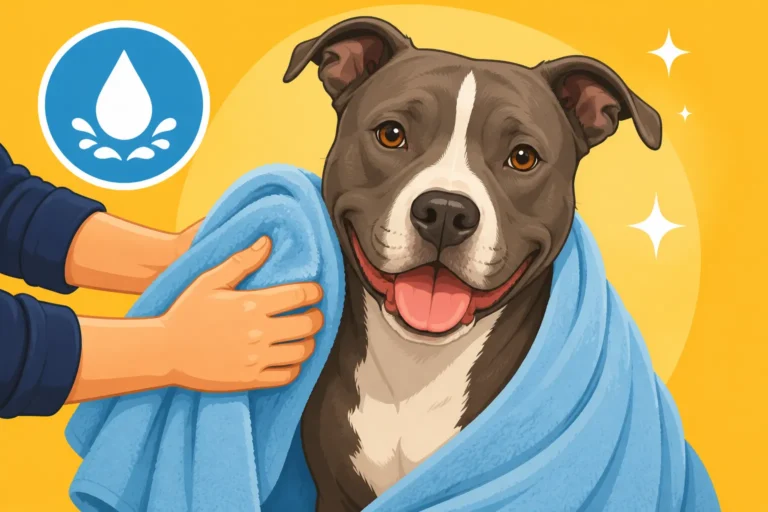
If you suspect heat exhaustion or heatstroke, stop exercise immediately, move your Pit Bull to a cool, shaded area, offer small amounts of cool (not ice-cold) water, and apply cool, wet towels to their armpits, groin, and neck. Seek veterinary attention immediately. Recognizing these critical signs is part of Spotting Heat Trouble in a Working Pit Bull.
The Peril of Bloat with Rapid Water Intake
We briefly touched on bloat, or Gastric Dilatation-Volvulus (GDV), earlier, but it deserves a deeper dive because it's a terrifying reality for many deep-chested breeds, including Pit Bulls. While the exact causes are complex and not fully understood, rapid eating or drinking (especially after exercise), stress, and genetics are believed to play a role. When a Pit Bull gulps down a large quantity of water quickly, particularly if they're still panting heavily, they can ingest a lot of air along with it. This, combined with the sloshing of water, can cause the stomach to dilate and potentially twist, cutting off blood supply and trapping gas and food.
Symptoms of bloat are sudden and severe:
- Non-productive Retching: Your dog tries to vomit but nothing comes up, or only foamy saliva. This is a hallmark sign.
- Distended Abdomen: Their belly will appear visibly swollen and feel hard to the touch.
- Restlessness and Pacing: They can't get comfortable, constantly shifting position.
- Pain: They might whimper, groan, or look at their side.
- Weakness and Collapse: As the condition progresses, they will become weak and may collapse.
Bloat is a life-threatening emergency that requires immediate veterinary surgery. Do not wait to see if it improves. If you suspect bloat, get your Pit Bull to an emergency vet right away. Preventative measures, like controlling water intake after exercise and feeding Two Measured Meals a Day for a Pit Bull rather than one large one, are crucial. Understanding Recognizing Bloat in a Deep-Chested Pit Bull can genuinely be a lifesaver.
To help you quickly differentiate between normal post-exercise thirst and potential emergencies, here's a quick reference table:
| Feature | Normal Post-Exercise Thirst | Warning Signs (Dehydration/Heat Exhaustion) | Emergency Signs (Potential Bloat/Severe Heatstroke) |
|---|---|---|---|
| Panting | Heavy, but gradually subsides with rest and sips of water. | Excessive, non-stop, labored; doesn't subside. | Extreme, distressed panting; may be struggling to breathe. |
| Water Intake | Eager, drinks in bursts, settles with gradual access. | Frantic, insatiable, or tries to drink but vomits immediately. | Retching with no vomit, or gulping water then distended abdomen. |
| Gums | Moist, pink, may be slightly drier than usual. | Tacky, dry, pale, or bright red. | Bright red initially, then pale/grey as condition worsens. |
| Energy Level | Tired but alert; recovers relatively quickly. | Lethargic, weak, disoriented, wobbly. | Collapse, unconsciousness, severe weakness. |
| Abdomen | Normal appearance. | Normal appearance, perhaps slightly tucked. | Visibly swollen, hard to the touch, painful. |
| Other Signs | Normal body temperature. | Vomiting, diarrhea, elevated body temperature (>104°F). | Non-productive retching, restlessness, whimpering. |
Building Long-Term Healthy Hydration Habits
Beyond the immediate post-exercise cool-down, fostering excellent hydration habits for your Pit Bull throughout their life is fundamental to their overall health and well-being. It’s part of a holistic approach to their care, from nutrition to regular activity.
Ensuring Constant Access to Fresh Water
This might sound obvious, but it's worth reiterating: your Pit Bull should always have access to fresh, clean water. This isn't just about after a run; it's about their daily routine. Just like us, dogs need consistent hydration throughout the day, even when they aren't actively exercising. A large, sturdy water bowl, preferably ceramic or stainless steel, should be available in an easily accessible location. Consider having multiple water stations if you have a larger home or if your Pit Bull spends time in different areas.
Regularly cleaning their water bowls is also incredibly important. Algae, bacteria, and saliva buildup can make water unappetizing or even unhealthy. A quick rinse and scrub daily will go a long way. If your Pit Bull is particular, or if you live in an area with hard water, consider a pet fountain that filters and circulates water, keeping it fresh and enticing. Many such fountains are available on Chewy or Amazon and can encourage even picky drinkers to take more sips. Consistent access supports their kidneys, aids digestion, and keeps their muscles and joints healthy, especially important for managing Pit Bull Joint and Ligament Injuries as they age.
Hydrating Foods and Thoughtful Electrolyte Use
While plain water is the gold standard for hydration, certain foods can also contribute to your Pit Bull's overall fluid intake. Wet dog food, for example, has a much higher moisture content than dry kibble. If your Pit Bull eats mostly dry food, consider incorporating a high-quality wet food as a topper or an occasional meal. Some owners even add a little low-sodium chicken or beef broth (ensure it has no onion or garlic!) to their dog's dry kibble to boost hydration and palatability. Brands like Ollie offer fresh, human-grade food options that naturally contain more moisture, which can be a great way to sneak in extra hydration.
When it comes to electrolytes, exercise caution. For most healthy Pit Bulls engaged in regular exercise, simply providing fresh water is sufficient. Commercial electrolyte solutions formulated for dogs are generally only needed in specific circumstances, such as after prolonged, intense endurance events, severe illness with vomiting or diarrhea, or under veterinary guidance. Over-supplementing with electrolytes can actually upset their delicate balance. If you're concerned about your Pit Bull's hydration during extreme activity or recovery, always consult your veterinarian first. They can advise on whether an electrolyte supplement is necessary and which type would be safest and most effective for your individual dog. Remember, the goal is always balance and safe practices.
Disclaimer
This article is for general informational purposes only and does not constitute professional advice. Laws, prices and regulations vary by location and change over time. Consult a qualified professional for guidance on your specific situation.