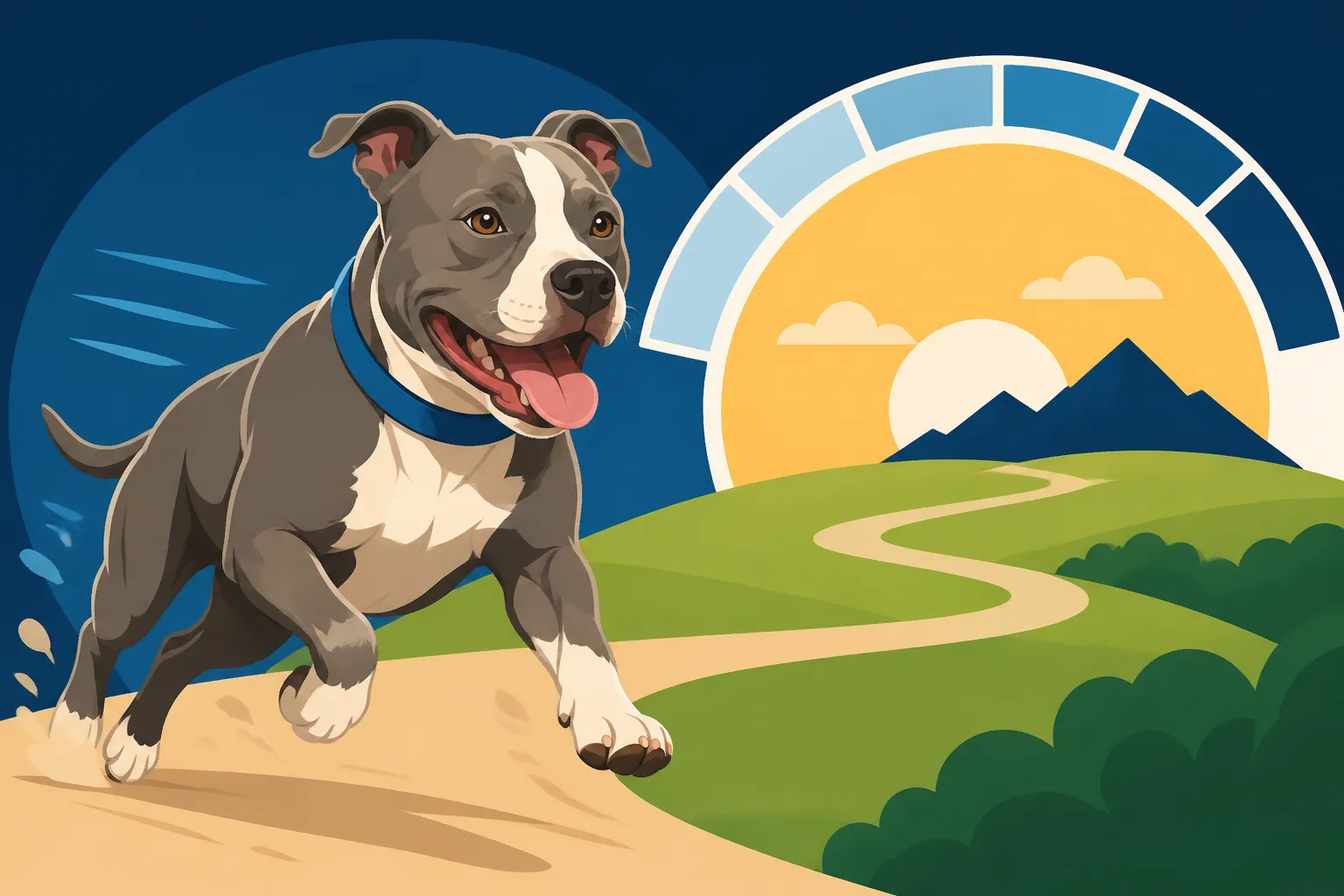
The Miles a Pit Bull Can Cover Comfortably
It’s a common misconception among Pit Bull owners, myself included, that because these dogs are so incredibly strong and energetic, they can just keep going forever on a walk or run. We see their powerful muscles and boundless enthusiasm and assume they're built for endless miles. However, pushing your Pit Bull too hard, especially without proper conditioning or awareness of their limits, can lead to discomfort, injury, or even serious health problems. This comprehensive guide will help you decipher how many miles your Pit Bull can truly cover comfortably, taking into account their unique physical attributes, individual health, and the environment, ensuring every adventure you share is not just fun, but safe and sustainable for their long-term well-being.
Understanding the Pit Bull's Natural Athleticism and Built-In Limits
Pit Bulls are undeniably athletic, but their specific build dictates the kind of athleticism they excel at. They're built for bursts of power and intense, short-duration activities, which is quite different from the endurance required for long-distance treks. Recognizing this fundamental difference is the first step in understanding their comfortable mileage.
The Powerhouse Build Versus Endurance
When you look at a Pit Bull, you see a dog sculpted for power. Their dense musculature, strong hindquarters, and broad chests are perfect for explosive movements – think sprinting across a yard, powerful tug games, or quickly changing direction. This is a canine powerlifter or sprinter, not necessarily a marathon runner. While incredibly strong, this build demands a lot from their body in terms of oxygen and energy for sustained efforts. Unlike breeds bred for herding or sledding, which have lighter frames and different metabolic pathways for endurance, a Pit Bull's strength can actually contribute to quicker fatigue when asked for continuous, long-distance exertion.
Many an owner has set out with their seemingly tireless Pit Bull, only to find them lagging or panting excessively a few miles in. It's a humbling experience to realize that their sheer will and exuberance can sometimes mask underlying physical limitations when it comes to mileage. This isn't a flaw; it's simply a characteristic of their incredible physical makeup. We need to respect that our powerful companions have a different 'gear' for exercise than some other breeds.
Breed-Specific Physical Considerations
The term "Pit Bull" encompasses several breeds like the American Pit Bull Terrier, American Staffordshire Terrier, and Staffordshire Bull Terrier, all of whom share key physical traits that impact their exercise capacity. Their robust, muscular builds mean that while they are less prone to certain delicate bone issues, they can be susceptible to others that limit endurance. For instance, their powerful frames can put significant strain on joints, making conditions such as Pit Bull Hip Dysplasia Showing at One to Two Years or Cruciate Ligament Tears in a Muscular Pit Bull critical factors in determining how far they can comfortably walk or run. These are not minor concerns; they are real predispositions that can severely impact a dog's long-term mobility and comfort.
Furthermore, their distinctive short, single coat, while easy to maintain, offers minimal protection against environmental extremes. In the heat of summer, this means they can overheat remarkably quickly, making even short distances challenging and potentially dangerous. Conversely, in colder climates, they lack the insulating undercoat of breeds like Huskies, meaning they can get chilled more rapidly, which impacts their willingness and ability to maintain pace over distance. Understanding these inherent physical characteristics is vital for tailoring an appropriate exercise routine that supports their health rather than compromises it.
Key Factors Influencing Your Pit Bull's Comfortable Distance
Determining the "right" mileage for your Pit Bull isn't a one-size-fits-all equation. It’s a dynamic calculation that depends on several critical factors, some of which change throughout your dog’s life.
Age, Conditioning, and Overall Health
A Pit Bull's age is one of the most significant determinants of their exercise capacity. A young, healthy, and well-conditioned adult, typically between two and six years old, will have the greatest potential for covering longer distances. However, it's crucial to understand that puppies and adolescents have developing growth plates in their bones. Over-exercising a young Pit Bull with long, sustained runs or high-impact activities before The Age a Pit Bull Finishes Growing – which can be up to 18-24 months – risks permanent damage to their joints and skeletal structure. It’s akin to asking a child to run a marathon; their body simply isn't ready.
Similarly, a senior Pit Bull, generally seven years and older, will naturally have reduced stamina. They may be more prone to Arthritis in a Pit Bull at Seven or simply experience general aches and stiffness. Conditioning also plays a monumental role. A "weekend warrior" Pit Bull, accustomed to only short jaunts, won't suddenly be capable of a five-mile hike. Building endurance requires a gradual, consistent training regimen. Underlying health conditions, such as Heart Disease in a Pit Bull or even a chronic issue like severe allergies, can dramatically impact their ability to perform. It's always wise to consult your veterinarian before embarking on a new, strenuous exercise routine, especially for older dogs or those with known health issues, to ensure they are medically cleared for the activity.
Environmental Conditions and Terrain
The environment in which your Pit Bull exercises has a profound impact on their comfortable distance. Temperature and humidity are perhaps the most critical. On a hot, humid day, your Pit Bull’s ability to cool themselves is severely hampered, and even a short walk can quickly lead to overheating. Their short coats, while preventing insulation, also expose them directly to the sun, increasing the risk of heatstroke. If the pavement is too hot for your bare hand for more than a few seconds, it’s far too hot for your Pit Bull’s sensitive paw pads, potentially causing painful burns and significantly reducing their safe walking distance.
Conversely, very cold temperatures can also reduce their comfortable range, as their short coats offer little insulation, making them prone to getting chilled. Terrain also matters immensely. Walking on soft grass or a smooth dirt trail is far less strenuous and jarring on their joints than navigating a rocky, uneven path, or plodding through deep sand, which requires significantly more effort. Surfaces like concrete and asphalt are harder on joints over long distances than natural, softer ground. Be particularly mindful of Pit Bull Paw Pad Injuries on Hard Ground on abrasive surfaces or those with hidden sharp objects. Always assess the conditions thoroughly before heading out and adjust your plans accordingly.
Individual Temperament and Motivation
Just like people, every Pit Bull has a unique personality and drive that can influence their exercise capacity. Some Pit Bulls are incredibly motivated and will power through discomfort or fatigue, especially if they’re highly focused on a scent, chasing a squirrel, or simply reveling in the joy of being outdoors with you. This can be deceptive; a dog pulling excitedly on the leash might appear to have endless energy, but that enthusiasm could be masking a growing fatigue that could catch them off guard. It’s easy to misinterpret intense focus for limitless stamina.
Other Pit Bulls might be more laid-back or sensitive to their physical state and will clearly signal when they’ve had enough. They might start lagging, sniffing excessively, looking back at you, or even plop down. Learning your individual dog's cues – their particular pant, the way their tail carries, their responsiveness to commands – is essential. A highly trained Pit Bull with excellent Pit Bull Leash Manners and Physical Strength might be easier to gauge because their pulling is controlled, allowing you to observe their physical state more accurately. Sometimes, their comfortable distance isn't solely a physical measurement but also includes their mental engagement and enjoyment. If they're no longer having fun, it's time to head home.
Building Stamina Safely and Effectively for Your Pit Bull
If you aspire to enjoy longer adventures with your Pit Bull, building their stamina is absolutely achievable, but it must be done with caution, consistency, and a deep understanding of their unique physical needs. Rushing the process can lead to injuries that set you back even further.
Gradual Conditioning and Progressive Overload
The cornerstone of safely increasing your Pit Bull's comfortable distance is a principle known as gradual conditioning or progressive overload. This means slowly and steadily increasing the demands on their body over time, allowing their muscles, joints, and cardiovascular system to adapt. Start with a baseline—what your Pit Bull can comfortably do today without showing any signs of excessive fatigue or soreness later. From there, aim to increase the duration or distance of your walks by no more than 10% each week. For example, if your Pit Bull can comfortably walk two miles, next week aim for 2.2 miles. The week after, perhaps 2.4 miles. This slow, incremental increase prevents overexertion and reduces the risk of injury.
Consistency is far more important than intensity when it comes to building endurance. Regular, moderate exercise will yield much better results and be safer than sporadic, overly strenuous outings. Just as a human athlete wouldn't jump from a couch to a marathon, your Pit Bull needs a thoughtful, patient training plan. Celebrate small victories and be prepared to take a step back if your dog shows any signs of struggling or soreness. Patience in this process is a huge investment in your Pit Bull's long-term joint health and overall well-being.
Integrating Different Exercise Types
While walking and running are great, relying solely on linear movement won't build a truly resilient and well-conditioned Pit Bull. Integrating a variety of exercise types targets different muscle groups, improves overall fitness, and keeps your dog mentally stimulated, preventing boredom. Swimming, for instance, is an excellent low-impact exercise that builds cardiovascular fitness and strengthens muscles without putting stress on joints. This is particularly beneficial for dogs that may have nascent joint issues or are recovering from minor strains.
Short bursts of high-intensity play, such as fetch in a securely fenced area or controlled flirt pole sessions, can improve their anaerobic capacity and build explosive power, which in turn supports their overall stamina for longer, steadier activities. Just ensure these activities are performed on safe, forgiving surfaces to minimize impact. You can find robust toys and equipment suitable for a powerful Pit Bull jaw at retailers like Chewy or Amazon. Consider exploring activities like Building Pit Bull Fitness Safely through structured routines, or even Pit Bulls in Search and Detection Work which offers a fantastic blend of physical and mental exercise. Varying your routine—perhaps a longer walk one day, a swim the next, and then some intense play—creates a well-rounded fitness program that addresses all aspects of your Pit Bull's physical capabilities. Remember to be mindful of Why a Growing Pit Bull Should Not Jump Hard if your Pit Bull is still in its developmental stages, as jumping can be tough on immature joints.
Recognizing When Your Pit Bull Has Had Enough
Pit Bulls are famously tough and often eager to please, which can sometimes make it difficult to tell when they’re truly exhausted or in discomfort. As a responsible owner, it's your job to be attuned to their subtle cues, as they can't simply tell you "I'm tired."
Subtle Signs of Fatigue and Overexertion
Learning to read your Pit Bull's body language is paramount, especially when it comes to exercise limits. Early signs of fatigue aren't always dramatic. They might start lagging behind you on the leash, rather than staying abreast or slightly ahead. Their tail might drop lower than usual, or they might cease their characteristic enthusiastic tail wags. You might notice an increase in panting, beyond what's typical for the level of exertion, or their breathing might become shallower and more rapid. Frequent stops to sniff the ground, or even pausing to sit down more often than usual, can be subtle signals they're trying to conserve energy.
Other indications include a change in gait; they might seem less fluid in their movements, perhaps a little stiff, or their paw placement might become less precise. They might also start seeking shade more deliberately, or show a reduced interest in stimuli that would normally excite them, such as squirrels or other dogs. Don't be fooled by a dog that seems to get a sudden "second wind" — sometimes this is just adrenaline kicking in before a more significant crash. If you're seeing several of these signs, it's a clear message: it's time to shorten the outing or head home.
Red Flags Requiring Immediate Attention
While subtle signs give you a chance to adjust, certain red flags demand immediate action. These are not signs of simple fatigue but potential indicators of serious medical issues, such as heatstroke or severe injury. If your Pit Bull starts stumbling, becomes disoriented, shows a sudden reluctance to move, or outright collapses, you need to stop immediately. Other critical signs include gums that appear bright red or very pale, excessive drooling, persistent vomiting, or any vocalization of pain.
Any limping, favoring a leg, or an unusual refusal to put weight on a paw requires you to halt the activity and thoroughly check their paws and legs for injury. These could indicate a muscle strain, a torn ligament, or a painful paw pad injury. If you suspect heatstroke—characterized by excessive panting, bright red gums, lethargy, or collapse—get your dog into the shade, offer small amounts of water, and immediately begin cooling them down with wet towels placed on their armpits, groin, and neck. These situations are emergencies and warrant an urgent trip to the veterinarian. Ignoring these red flags can have severe, even life-threatening, consequences for your beloved Pit Bull.
Making the Most of Your Walks and Runs with Your Pit Bull
Successful and enjoyable long walks or runs with your Pit Bull aren’t just about the mileage; they're also about preparation, safety, and proper care before, during, and after your adventures.
Essential Gear for Safe and Enjoyable Outings
Having the right equipment is crucial for both your comfort and your Pit Bull's safety, especially for dogs with their strength and powerful build. A sturdy, well-fitting harness is paramount. Unlike collars, which can put dangerous pressure on their trachea, a harness distributes pressure across their chest and shoulders, giving you much better control without risking injury to their neck. Look for harnesses designed for strong pullers, ensuring they are escape-proof and robust enough to handle Harness Fit Across a Broad Pit Bull Chest. Quality options are readily available from reputable pet retailers like Chewy or Amazon. Invest in a durable leash, too – one that won't fray or snap under sudden tension.
Always, always carry water. For both of you! Collapsible dog bowls are lightweight and indispensable for on-the-go hydration. A small, portable first-aid kit stocked with items like paw balm, antiseptic wipes, and vet wrap can be a lifesaver for minor cuts or scrapes. Depending on the weather and terrain, consider dog boots to protect their paw pads from extreme temperatures (hot pavement or icy ground) or rough surfaces. For added peace of mind, especially if you venture into less populated areas, a GPS tracker attached to their collar can help you locate them if they get off-leash or wander too far off the trail.
Hydration, Rest Breaks, and Post-Exercise Care
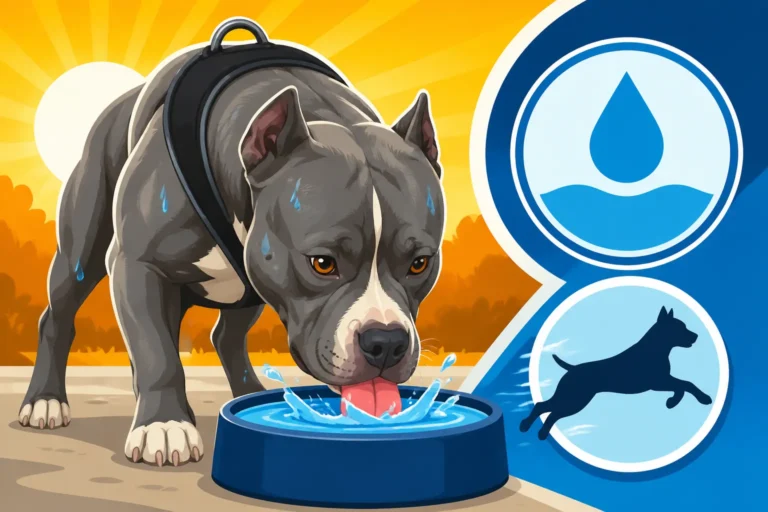
Proper hydration and strategic rest breaks are non-negotiable for maximizing your Pit Bull's comfort and endurance on longer outings. Don't wait for your dog to show signs of thirst; offer water frequently, especially in warm weather, every 15-20 minutes. Just like humans, consistent hydration is key to preventing fatigue and overheating. Keep a close eye on their urine color; dark, concentrated urine can be an early indicator of dehydration.
Incorporate regular rest stops into your route. Find a shady spot, let your Pit Bull lie down, and offer water. These breaks aren't just for physical recovery; they also provide a mental break, allowing them to decompress and recharge before continuing. A 5-10 minute pause can make a significant difference in their ability to enjoy and complete the rest of the walk comfortably. Once you're done with the main exertion, finish with a 5-10 minute cool-down walk at a slower pace. This helps their heart rate gradually return to normal and prevents muscle stiffness. Upon returning home, conduct a thorough check of their paws for any cuts, thorns, or irritation, and give them a full body check. A nutritious, balanced meal, perhaps from a tailored service like Ollie, can aid muscle recovery, and on warmer days, a cooling mat can be a welcome treat.
Adjusting Exercise for Age and Health Conditions
The journey with your Pit Bull is a long one, and their exercise needs will evolve considerably from rambunctious puppyhood through their dignified senior years. Adapting your approach is crucial for their lifelong health.
Exercise Needs for Pit Bull Puppies and Adolescents
Pit Bull puppies are bundles of boundless energy, but it's vital to remember that their enthusiasm far outstrips their physical maturity. Their growth plates, the soft areas at the ends of their bones, are highly vulnerable to damage from excessive or high-impact exercise. Long, forced runs, repetitive jumping, or intense agility training should be strictly avoided until they are fully grown, typically around 12-18 months of age, and often closer to two years for larger or more robust individuals. Pushing them too hard during this critical developmental phase can lead to permanent joint issues.
Instead, focus on shorter, more frequent play sessions and structured walks. Think of it as controlled energy expenditure rather than sustained endurance. Multiple 15-20 minute walks throughout the day, interspersed with supervised off-leash play in a secure area, puzzle toys, and short training sessions, are ideal for meeting their physical and mental stimulation needs without overstressing their developing bodies. These The Weeks That Shape a Pit Bull Puppy are crucial for healthy development, both physical and behavioral. The goal is to build muscle tone and coordination, not to push for mileage. Always prioritize quality engagement over sheer duration to protect their growing joints and ensure they develop into sound, healthy adults.
Adapting for Senior Pit Bulls and Chronic Conditions
As your Pit Bull transitions into their senior years, typically around seven years of age and beyond, their exercise capacity will naturally decline. Just like humans, they may experience stiffness, reduced stamina, and an increased likelihood of conditions such as Arthritis in a Pit Bull at Seven. It's imperative to adjust your expectations and closely monitor their comfort levels. Long, strenuous hikes that were once enjoyable may now be painful or exhausting.
The key is to maintain consistency with exercise but reduce the intensity and duration. Shorter, more frequent walks are often better than one long one, allowing them to stretch their legs without overtaxing their bodies. Low-impact activities like swimming are fantastic for senior Pit Bulls, providing cardiovascular benefits and muscle support without joint strain. Consider incorporating joint supplements and switching to a diet formulated for senior dogs, which can support their aging bodies. For Pit Bulls living with chronic health conditions, whether it's Pit Bull Skin Allergies and the Atopy Pattern making them itchy and uncomfortable, Heart Disease in a Pit Bull, or advanced Pit Bull Hip Dysplasia Showing at One to Two Years, any exercise plan must be developed in close consultation with your veterinarian. They can help you determine safe exercise limits, recommend appropriate activities, and suggest supportive measures like medication, therapeutic exercises, or even Pit Bull Mobility Aids in Old Age to ensure your senior companion remains as comfortable and active as possible.
Disclaimer
This article is for general informational purposes only and does not constitute professional advice. Laws, prices and regulations vary by location and change over time. Consult a qualified professional for guidance on your specific situation.