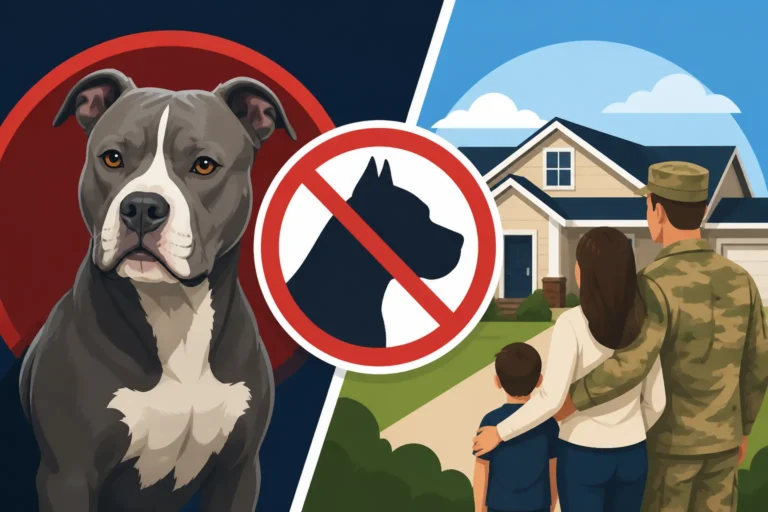
Umbrella Cover in a Pit Bull Household
As a Pit Bull owner, you've likely faced the frustrating reality that owning these incredible dogs often comes with unique challenges, especially when it comes to housing and insurance. Many standard homeowners or renters insurance policies either outright deny coverage or impose severe restrictions for households with Pit Bulls, leaving owners feeling exposed to significant financial risk. This comprehensive guide is here to shed light on why umbrella insurance is not just an option, but a crucial layer of protection for any Pit Bull household, helping you understand how it works and how to secure the right coverage.
Understanding the Landscape of Pit Bull Ownership and Insurance
Let's be real: owning a Pit Bull comes with an unfair share of scrutiny. While these dogs are often loving, well-behaved family members, the public perception and, consequently, the insurance industry's view, can create significant hurdles. It's a frustrating situation that responsible owners shouldn't have to navigate alone.
The Unique Insurance Challenges Pit Bull Owners Face
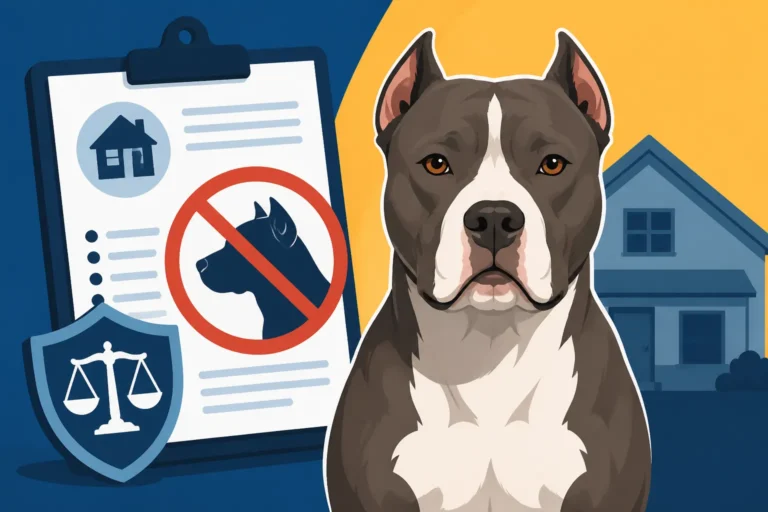
Many of us know the sting of filling out an insurance application only to be met with a dreaded "breed exclusion list" that includes our beloved Pit Bull. It feels discriminatory, and frankly, it is. Insurance companies often operate on actuarial data, and unfortunately, certain breeds are flagged as higher risk due to a history of claims, regardless of the individual dog's temperament or training. This isn't a reflection of your dog, but rather a blanket policy that casts a wide net. You might find yourself dropped by your current carrier or struggling to find new coverage altogether simply because of your dog's appearance.
This challenge goes beyond just getting a policy. Even if you secure one, it might come with a specific clause stating that any incidents involving your Pit Bull are not covered. Imagine the horror of a minor incident, like your dog accidentally knocking over a visiting child or getting into a tussle with another dog (even if provoked), and suddenly realizing your entire life savings could be on the line because your standard policy offers no protection. It's a terrifying thought that keeps many Pit Bull owners up at night. The sheer frustration of facing these obstacles when you're doing everything right for your dog is something many of us understand deeply.
Why Standard Homeowners or Renters Policies Fall Short
Your typical homeowners or renters insurance policy is designed to protect you from a wide range of common perils, from fire damage to a guest slipping and falling on your property. Most policies include a certain amount of liability coverage, which kicks in if someone is injured on your property or if you (or your pet) are deemed responsible for damage or injury elsewhere. However, this is where the "Pit Bull problem" often arises.
Many insurers, sometimes driven by outdated statistics or broad assumptions, specifically exclude liability coverage for incidents involving certain dog breeds, with Pit Bulls being a prime target. Even if your policy doesn't have an explicit breed exclusion, the limits of liability on a standard policy might not be enough to cover the potential costs of a serious dog-related incident. Consider medical bills, lost wages, pain and suffering, and potential legal fees – these can quickly soar into the hundreds of thousands, or even millions, of dollars. Your standard $100,000 or $300,000 liability limit, which seems substantial on paper, could be woefully inadequate in the face of a severe claim. This leaves a massive gap between what your policy covers and what you could ultimately be responsible for, forcing you to tap into your personal assets. You might want to learn more about Getting Home Insurance With a Pit Bull or Renters Insurance That Accepts a Pit Bull to understand the baseline coverage.
What Exactly is Umbrella Insurance and How Does It Apply?
When standard coverage feels like trying to weather a storm with a leaky umbrella, an actual umbrella policy sounds pretty good, right? It's not just a fancy name; it's a crucial second layer of defense.
Defining Umbrella Coverage Beyond the Basics
Think of an umbrella policy as an extra blanket of liability coverage that sits on top of your existing insurance policies, like your homeowners, renters, or auto insurance. It doesn't replace them; it supplements them. Once the liability limits of your primary policies are exhausted, your umbrella policy kicks in to cover the remaining costs, up to its own much higher limit. These policies typically offer coverage in increments of $1 million, going up to $5 million or even more, which is a significant jump from standard policy limits.
This means if your Pit Bull, despite all your efforts, is involved in an incident where the damages exceed your homeowners insurance liability cap, your umbrella policy will then respond. This can be for a range of scenarios: a dog bite, an accidental injury a guest sustains on your property, or even certain types of defamation or false arrest claims. It's truly comprehensive liability protection designed to shield your assets from catastrophic financial losses. The peace of mind it offers, knowing you have that deep reserve of coverage, is invaluable, especially in a household with a dog that carries an undeserved reputation.
How Umbrella Policies Enhance Your Liability Protection
The beauty of umbrella coverage is its breadth and depth. It significantly increases the amount of money an insurance company will pay out on your behalf for covered liability claims. For instance, if your homeowners policy offers $300,000 in liability coverage, and you have a $1 million umbrella policy, you effectively have $1.3 million in total liability protection. This dramatically reduces the chances of you having to pay out-of-pocket for damages from a major claim. This is especially vital given that What a Bite Claim Does to a Pit Bull Policy can be astronomical.
Furthermore, umbrella policies often cover legal defense costs, which can be substantial even if you are ultimately found not liable. This means if you're sued, your policy can help pay for attorneys' fees, court costs, and other expenses associated with defending yourself, saving you from a potentially ruinous financial battle. While your primary insurance might also cover some legal fees, the umbrella policy ensures that these costs are covered even for very large, drawn-out legal challenges that could otherwise drain your savings. It’s like having a financial bodyguard for your entire asset portfolio.
The Critical Need for Umbrella Coverage with a Pit Bull
For Pit Bull owners, an umbrella policy isn't a luxury; it's an essential part of responsible ownership and financial planning. The heightened risk, whether perceived or real, means you need an extra layer of defense.
Mitigating Financial Risks from Potential Incidents
Let's confront the unfortunate reality: dog bites and other incidents, even minor ones, can lead to serious financial repercussions. If your Pit Bull were to bite someone, even if it was a quick nip in a stressful situation, the medical bills alone could be substantial. Add in potential lost wages for the injured party, and the costs can quickly escalate. A truly severe incident could lead to reconstructive surgery, long-term physical therapy, and profound emotional distress for the victim, resulting in multi-million dollar lawsuits.
Without adequate liability coverage, your personal assets – your home, your savings, your investments, and even your future earnings – could be at risk. A judgment against you could mean wage garnishments, liens on your property, and severe damage to your financial future. An umbrella policy acts as a shield, ensuring that these enormous potential costs are covered, protecting everything you've worked hard to build. It's about ensuring that one unfortunate incident doesn't unravel your entire financial stability. Understanding Legal Costs After a Pit Bull Complaint can highlight the importance of this protection.
Navigating Breed-Specific Exclusions and Higher Stakes
One of the biggest frustrations for Pit Bull owners is the prevalence of breed-specific exclusions in insurance policies. Many standard homeowners and renters insurance companies will either deny coverage if you own a Pit Bull, or they'll include a specific clause that excludes any liability coverage for incidents involving your dog. This means that even if you have a policy, you might essentially be uninsured for the very thing you're most concerned about.
This is where umbrella policies can sometimes offer a lifeline. While some umbrella insurers may also have breed restrictions, many are more flexible, especially if you have a clean claim history and can demonstrate responsible ownership. The key is finding an insurer that will cover you, and then ensuring that the umbrella policy explicitly extends to dog-related liability, even for breeds that might be excluded by primary carriers. The higher stakes associated with owning a Pit Bull, due to public perception and the potential for severe injuries (even if rare), make this extra layer of defense absolutely critical. It’s not about anticipating bad behavior from your dog, but about protecting yourself against the worst-case scenario in a world that often views these dogs unfairly. You might be surprised by How Much Umbrella Cover a Pit Bull Owner Buys as it's often more affordable than you think.
Choosing and Securing the Right Umbrella Policy
Navigating the insurance market with a Pit Bull can feel like an uphill battle, but with the right approach, you can find the coverage you need.
Researching Insurers That Are Pit Bull Friendly
The first and most important step is to do your homework. Not all insurance companies are created equal, and their policies on "restricted breeds" vary widely. Some major carriers have blanket bans, while others might be more flexible, especially if you have an existing relationship with them for other policies (like auto insurance) or if you can demonstrate responsible ownership. Start by contacting your current homeowners or auto insurance provider to see if they offer umbrella policies and what their stance is on Pit Bulls. It's often easier to get an umbrella policy from an insurer you already do business with.
If your current provider is unhelpful, don't give up. Seek out independent insurance brokers who work with multiple carriers. These brokers can be invaluable because they have access to a wider range of options and can often find niche insurers that are more understanding of Pit Bull ownership. When speaking with agents, be upfront about owning a Pit Bull. Ask specific questions about breed restrictions and whether dog-related liability is covered under the umbrella policy. Don't assume anything; get it in writing if possible. Some reputable insurers known for being more flexible or not having outright breed bans include State Farm, USAA (for military families), and some regional carriers. Always get multiple quotes to compare coverage and pricing.
Here's a quick comparison of common coverage scenarios:
| Scenario | Standard Homeowners/Renters Liability (e.g., $300,000) | Umbrella Policy (e.g., $1,000,000) | Total Potential Coverage |
|---|---|---|---|
| Minor slip-and-fall | Covered up to limit | Kicks in after primary limit | $1,300,000 |
| Dog bite (no breed exclusion) | Covered up to limit | Kicks in after primary limit | $1,300,000 |
| Dog bite (with breed exclusion) | Not Covered | May cover if specifically allowed | Up to $1,000,000 (if covered) |
| Major accident causing severe injury | Covered up to limit | Kicks in after primary limit | $1,300,000 |
| Legal defense costs | Covered within limits | Expands defense coverage | Enhanced |
Tailoring Your Policy to Fit Your Household's Specific Needs
Once you find a few potential insurers, it's time to customize the policy. While a $1 million umbrella policy is a common starting point, consider your personal assets. If you own a home, have significant savings, or a high-income career, you might want to opt for higher limits, such as $2 million or $5 million. The goal is to ensure that your coverage comfortably exceeds your net worth, offering true protection for everything you own.
Beyond the dollar amount, discuss with your agent any specific concerns you have regarding your Pit Bull. Some policies might require you to demonstrate responsible ownership, such as completing obedience training or getting a Canine Good Citizen (CGC) certification. It's worth exploring if Whether a CGC Title Helps a Pit Bull Policy in your state. Having a well-trained dog is a testament to your responsibility, and some insurers might factor this into their decision or pricing. Make sure you understand the deductible, if any, and the premium costs. Remember, an umbrella policy is usually quite affordable for the amount of coverage it provides, often costing a few hundred dollars a year for $1 million in coverage. This small investment can prevent a lifetime of financial hardship.
Common Misconceptions and Important Considerations
There's a lot of misinformation out there about insurance, especially when a "restricted breed" is involved. Clearing up these misunderstandings is crucial for making informed decisions.
Debunking Myths About What Umbrella Insurance Covers
One common myth is that an umbrella policy will automatically override a breed exclusion on your primary homeowners or renters policy. This isn't always the case. While an umbrella policy can fill gaps, it's critical to confirm with your umbrella insurer whether it will specifically cover dog-related liability for your Pit Bull, especially if your underlying policy explicitly excludes it. Some umbrella policies might follow the exclusions of your primary policy, while others might offer broader coverage. This is a question you absolutely must ask your agent directly and get clarity on in writing. Don't assume you're covered just because you have an umbrella policy.
Another misconception is that umbrella insurance is only for the wealthy. This couldn't be further from the truth. In today's litigious society, anyone with assets to protect, even modest ones like a home and savings, can benefit from an umbrella policy. The cost of a lawsuit can quickly deplete what many consider a healthy nest egg, making this coverage relevant for a wide range of income levels. Moreover, some people believe that if their dog is sweet and has never had an incident, they don't need this extra coverage. The unfortunate reality is that accidents can happen to even the best-behaved dogs, often in unexpected ways, and the legal consequences can be severe.
The Role of Training and Responsible Ownership in Insurance
While insurance provides a financial safety net, it's important to remember that it's just one piece of the puzzle. Being a responsible Pit Bull owner involves a proactive approach to prevention. Thorough training and consistent socialization are paramount. A well-trained dog is less likely to be involved in incidents. Puppy classes, advanced obedience, and even Canine Good Citizen training can contribute to a calmer, more predictable dog.
Furthermore, proper management is key. This includes ensuring your yard is securely fenced, keeping your dog on a leash in public (and using a strong, reliable harness like those available on Chewy for powerful breeds), and supervising interactions, especially with children or other animals. Providing proper nutrition and enrichment, perhaps through a tailored meal plan from a service like Ollie or engaging toys, can also contribute to a balanced and happy dog, reducing stress-related behaviors. When speaking with insurers, being able to articulate the steps you take for responsible ownership – from training to secure housing – can sometimes make a difference in securing coverage or potentially lowering premiums. Some insurers might even require proof of training or a secure enclosure, so it's wise to maintain records of your efforts to document your Pit Bull's Training Record.
Practical Steps for Pit Bull Owners
Feeling a bit overwhelmed? Don't worry, taking action doesn't have to be complicated. Here are some clear, actionable steps.
Reviewing Your Existing Policies and Identifying Gaps
Before you even think about purchasing a new policy, gather all your current insurance documents: homeowners/renters, auto, and any other liability policies you might have. Read them carefully, specifically looking for any clauses related to dog ownership or breed restrictions. Pay close attention to the liability limits on your homeowners or renters policy. Is there a specific exclusion for "Pit Bull type dogs," "American Staffordshire Terriers," or "American Pit Bull Terriers"? Is the liability limit sufficient to cover a serious incident?
If you find breed exclusions, or if your liability limits feel too low, you've identified a significant gap. If you're unsure, don't hesitate to call your insurance agent and ask for clarification. Be direct and ask, "If my Pit Bull bites someone, is that covered under my current homeowners policy, and up to what amount?" Getting a clear, definitive answer will inform your next steps. This exercise is crucial because you need to know exactly what you're working with before you can build that extra layer of protection. It's often a frustrating discovery for owners, but it's better to know now than when you need to make a claim.
Communicating Effectively with Insurance Providers
When you reach out to insurance companies or brokers, honesty and transparency are your best friends. Don't try to hide the fact that you own a Pit Bull; it will only lead to problems down the line if an incident occurs and your policy is voided due to misrepresentation. Clearly state that you are looking for an umbrella policy and that you own a Pit Bull. Ask them about their specific policies regarding dog breeds, especially Pit Bulls.
Beyond asking about breed restrictions, inquire about the underwriting process. Some companies might require you to provide photos of your dog, a vet history, proof of training (like a Canine Good Citizen certificate), or even a letter from your veterinarian attesting to your dog's temperament. Be prepared to provide this information. Highlight your commitment to responsible ownership, your dog's training history, and any measures you've taken to secure your property. While pet insurance, like Healthy Paws, can cover vet bills related to injuries your dog sustains, it won't cover your liability for injuries your dog causes to others. Make sure you're clear on the distinction when discussing different types of coverage. The more information you can provide to demonstrate your dog is a well-managed family member, the better your chances of securing favorable coverage.
Disclaimer
This article is for general informational purposes only and does not constitute professional advice. Laws, prices and regulations vary by location and change over time. Consult a qualified professional for guidance on your specific situation.