Getting Home Insurance With a Pit Bull
It’s a frustrating reality for many Pit Bull owners: you’ve found the perfect home, but then the daunting task of securing homeowners insurance begins, only to discover that your beloved canine companion could be a deal-breaker. The unfair stereotypes associated with Pit Bulls often lead to breed-specific exclusions or soaring premiums, leaving responsible owners feeling unfairly targeted and stressed. This comprehensive guide will walk you through the complexities of finding adequate home insurance with a Pit Bull, offering practical strategies and insights to help you protect your home and your furry family member.
The Challenge of Insuring a Home with a Pit Bull
Bringing a Pit Bull into your home, or already having one, often introduces a unique hurdle when it comes to securing homeowners insurance. It’s a challenge that many owners face, and it’s deeply rooted in perceptions rather than individual dog behavior. Understanding these underlying issues is the first step toward navigating the insurance landscape successfully.
Why Pit Bulls Face Breed Restrictions
The core of the problem lies in the historical context and pervasive stereotypes surrounding Pit Bulls. For decades, media sensationalism and anecdotal evidence, often lacking scientific backing, have painted these dogs with a broad brush as inherently aggressive. This narrative, while deeply flawed and unfair to countless well-behaved Pit Bulls, has unfortunately influenced public opinion and, crucially, insurance company policies. Actuarial tables used by insurers often categorize breeds based on bite statistics, which can be skewed by misidentification of dogs and a lack of context surrounding incidents. Your loving, couch-potato Pit Bull, regardless of its gentle demeanor, gets lumped into a "high-risk" category based on breed type rather than its individual personality or training. It’s a bitter pill to swallow when you know your dog is a sweetheart, but the system often doesn't see it that way.
The frustration is palpable for owners who pour their love, time, and resources into training and socializing their dogs, only to have them judged solely on their appearance. Imagine a family whose Pit Bull has grown up with their children, gentle and playful, yet an insurance company views it as a liability waiting to happen. This blanket approach not only dismisses the efforts of responsible pet ownership but also ignores the vast individuality within the "Pit Bull" type. Many reputable experts argue that any dog can bite, and breed alone is a poor predictor of behavior. However, this nuanced view often struggles to penetrate the deeply entrenched policies of large corporations driven by perceived risk and bottom lines.
The Impact of Breed Specific Legislation on Insurance
Beyond individual company policies, breed-specific legislation (BSL) in certain cities or states further complicates matters. BSL can range from outright bans on owning certain breeds to mandatory muzzling, special licensing, or increased liability insurance requirements. If you live in an area with BSL targeting Pit Bulls, finding an insurer willing to cover you can become significantly more difficult, even if your dog has an impeccable record. Insurers operating in these regions may automatically deny coverage or charge exorbitant rates, viewing the presence of BSL as an indicator of higher risk, regardless of their own internal breed lists.
While some states are moving away from BSL or even enacting laws to prevent insurers from discriminating based on breed, these changes are slow and not universally applied. For instance, you might find yourself in a state where States That Bar Insurers From Refusing a Pit Bull exists, offering some protection. However, if you move to a neighboring state, the situation could be entirely different. Even in the absence of explicit BSL, the historical association of these laws with Pit Bulls has left a lasting impact on how insurance companies perceive and rate policies for owners of these dogs. It creates a patchwork of regulations and policies that can be incredibly confusing and disheartening for dedicated Pit Bull owners simply trying to provide a safe home.
Understanding Your Homeowners Insurance Policy
Before you can effectively navigate the challenges of insuring your home with a Pit Bull, it’s essential to grasp the basics of how homeowners insurance works, especially concerning liability. Knowing the ins and outs of your policy will empower you to ask the right questions and identify potential gaps in coverage.
Liability Coverage and Your Dog
Homeowners insurance isn't just about protecting your house from fire or theft; a significant component is personal liability coverage. This crucial part of your policy steps in if you, a family member, or even your pet accidentally cause injury to another person or damage their property. When it comes to dogs, liability coverage is your financial safeguard against potential lawsuits and medical expenses arising from a bite incident, a fall caused by your dog, or any other harm your dog might inflict on a third party. For example, if your Pit Bull, in an uncharacteristic moment, nips a delivery person, or playfully knocks over a visiting friend causing them to break an arm, your liability coverage would typically help cover their medical bills and any legal fees if they decide to sue.
Without adequate liability coverage, you could be personally responsible for these costs, which can quickly spiral into tens or even hundreds of thousands of dollars. Imagine your dog accidentally causes a significant injury, and you're faced with a lawsuit. The financial burden could be catastrophic, potentially leading to the loss of your home and savings. This is why understanding the limits of your liability coverage – usually $100,000 to $500,000, though more is often recommended – is paramount. It’s not just about covering your home’s structure; it’s about protecting your entire financial future from unforeseen incidents involving your dog.
Breed Exclusions and "Dangerous Dog" Lists
One of the biggest hurdles Pit Bull owners face is the common practice of breed-specific exclusions within standard homeowners insurance policies. Many insurance carriers maintain what are often called "dangerous dog lists" or "excluded breeds lists." These lists typically include breeds like Pit Bulls (often encompassing American Pit Bull Terriers, American Staffordshire Terriers, Staffordshire Bull Terriers, and sometimes even American Bullies or mixes), Rottweilers, German Shepherds, Doberman Pinschers, and others. If your dog is on such a list, the insurer may refuse to issue a policy, or they might issue a policy but specifically exclude any liability coverage related to your dog. This means if your Pit Bull causes an incident, your insurance company won't pay a cent, leaving you completely exposed.
These exclusion lists are generally created based on perceived risk, historical claims data, and sometimes, unfortunate media portrayals, rather than on an individual dog's behavior or specific training. It's a frustrating reality that your well-behaved, loving Pit Bull might be denied coverage simply because of its breed label. This often leads to a situation where you might have insurance for everything else under your roof, but the very creature you love most is explicitly left out of the protective umbrella. It’s crucial to ask directly about breed restrictions when shopping for insurance and to get any assurances or exclusions in writing.
Here's a quick overview of common insurer approaches:
| Insurer Approach Category | Description | Potential Solution for Owners |
|---|---|---|
| Breed-Specific Exclusion | Will not issue a policy or will exclude dog-related liability if a Pit Bull is present. | Seek specialized insurers, non-standard policies, or independent agents. |
| Increased Premiums/Deductibles | Will cover, but at a higher cost due to perceived breed risk. | Compare quotes, highlight responsible ownership, consider umbrella policies. |
| No Breed Restriction | Does not consider breed in policy decisions, focuses on individual dog history. | Prioritize these carriers, but still emphasize training and temperament. |
| Case-by-Case Basis | Evaluates each situation individually, may require additional documentation (training, vet records). | Be prepared with extensive documentation of your dog's good behavior and training. |
Navigating Insurance Options for Pit Bull Owners
Finding the right homeowners insurance can feel like a labyrinth when you own a Pit Bull. However, there are indeed paths forward, requiring a bit more diligence and a targeted approach. Don't despair; many responsible Pit Bull owners successfully secure comprehensive coverage every day.
Finding Insurers with No Breed Restrictions
The good news is that not all insurance companies adhere to strict breed-specific exclusion lists. A growing number of insurers are recognizing that responsible pet ownership and individual dog temperament are far better indicators of risk than breed alone. The key is knowing who these companies are and how to approach them. Major national carriers sometimes have varying policies by state or even by agent, so it's always worth asking directly. However, often, smaller, regional, or specialized insurers are more flexible. Some companies, for example, have a policy of covering all breeds as long as the dog has no history of biting or aggression. It can take time, but seeking out Insurers With No Pit Bull Breed Restriction is a crucial step.
When you contact potential insurers, be upfront about owning a Pit Bull. Don't try to hide it, as misrepresenting facts on your application could lead to your policy being canceled when you need it most. Instead, proudly present your dog as a well-loved family member. Be prepared to discuss your dog's temperament, training, and living situation. This is where an independent insurance agent can be a true asset. Unlike agents who work for a single company, independent agents can shop around with multiple carriers on your behalf, often having access to a broader range of options, including those specialized in covering "higher-risk" situations. They understand the nuances of the market and can help you highlight all the positive aspects of your dog to potential underwriters.
Seeking Coverage Through Non-Standard Policies or Riders
If you're struggling to find a standard homeowners policy that fully covers your Pit Bull, don't give up hope. There are alternative avenues you can explore. One common solution is purchasing a specialized animal liability policy or adding an "animal liability rider" to your existing homeowners insurance. These riders are essentially endorsements that specifically provide coverage for dog-related incidents, even if your primary policy has a breed exclusion. It means you might have a standard policy for your home and then a separate, specific layer of coverage just for your dog. While this might add to your overall insurance costs, it's a small price to pay for peace of mind and financial protection.
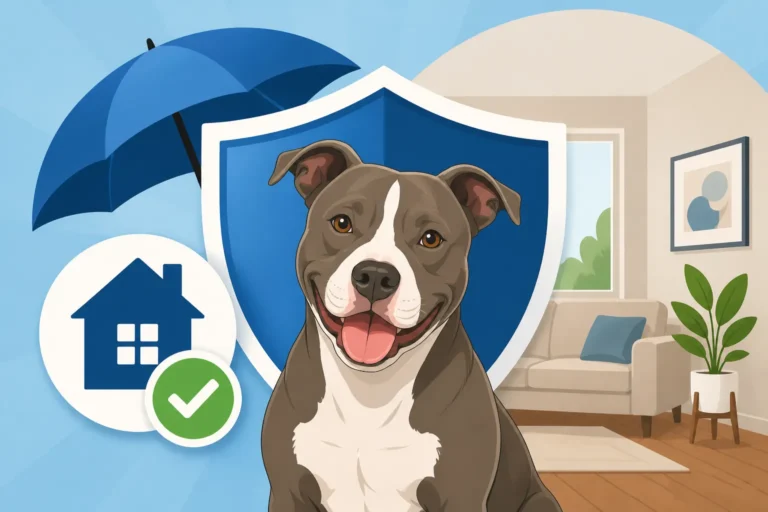
Another layer of protection that many responsible Pit Bull owners consider is an umbrella insurance policy. An umbrella policy provides additional liability coverage that extends beyond the limits of your homeowners and auto insurance. For example, if your homeowners liability limit is $300,000, and a dog bite lawsuit results in a $500,000 judgment, your umbrella policy would cover the additional $200,000 after your homeowners policy maxes out. It’s an extra safety net, especially valuable for those concerned about potential high-cost claims. While an umbrella policy won't circumvent an outright breed exclusion in your primary homeowners policy, it can significantly boost your overall liability protection once you’ve secured a base policy that covers your dog. Considering Umbrella Cover in a Pit Bull Household is a smart move for anyone looking to fortify their financial protection.
Strategies to Improve Your Insurability
While the insurance world can seem rigid, you have significant power as a responsible Pit Bull owner to present your dog in the best possible light. By proactively demonstrating your dog's good character and your commitment to safety, you can substantially improve your chances of securing favorable homeowners insurance.
Documenting Your Pit Bull's Temperament and Training
One of the most powerful tools in your arsenal is concrete proof of your Pit Bull's excellent temperament and thorough training. Insurance companies operate on risk assessment, and anything you can provide to mitigate perceived risk will work in your favor. This starts with formal obedience training. Completing a Canine Good Citizen (CGC) certification, offered by the American Kennel Club, is an excellent step. This certification demonstrates that your dog has good manners and is reliable in public. When you are Showing an Insurer a Pit Bull's Training Record, a CGC title can significantly differentiate your dog from generalized breed stereotypes, proving it can be a well-behaved member of society.
Beyond a CGC, any other training certificates, especially from accredited trainers, are valuable. Consider having a professional behavioral evaluation done by a certified dog behaviorist or a veterinarian who specializes in behavior. This impartial assessment can provide documented proof of your dog's stable temperament, lack of aggression, and good socialization. Gathering references from your veterinarian, groomer, or even trusted neighbors who can attest to your dog's gentle nature can also bolster your case. Think of it like building a resume for your dog; the more positive, documented evidence you have, the stronger your argument against breed-specific generalizations will be. Many owners find that Whether a CGC Title Helps a Pit Bull Policy is a resounding yes, as it provides objective evidence of your commitment.
Responsible Ownership Practices
Demonstrating responsible ownership goes beyond formal training; it encompasses your everyday actions and environment. Insurers look for evidence that you are taking all reasonable precautions to prevent incidents. This includes ensuring you have secure fencing around your yard to prevent escapes and unintended interactions with strangers or other animals. Your Pit Bull should always be on a leash in public, adhering to local leash laws, and you should always supervise interactions, especially with children or unfamiliar dogs. Proper socialization from a young age is also key; a well-socialized Pit Bull is less likely to react fearfully or aggressively in new situations.
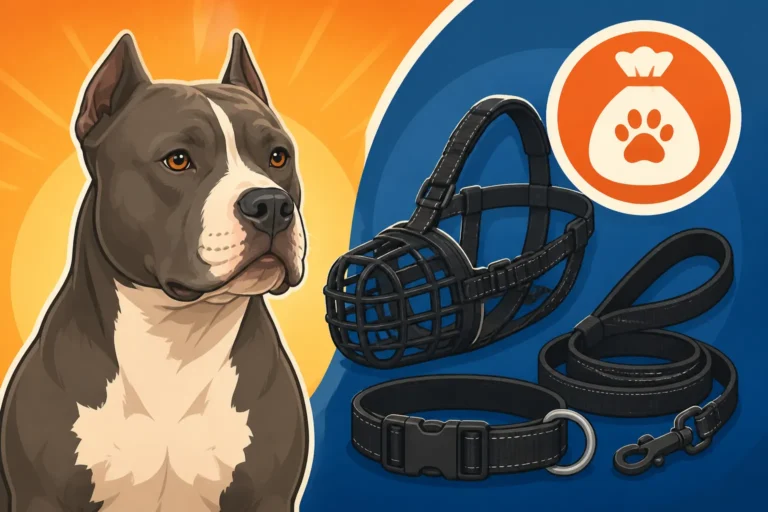
Furthermore, consider having your Pit Bull spayed or neutered, as this can sometimes be viewed positively by insurers. Maintaining regular veterinary check-ups and ensuring your dog is healthy is another aspect of responsible care. Even considerations like Muzzle Training Every Pit Bull Should Have can be beneficial. While you may never need to use a muzzle, having your dog comfortable with one demonstrates a proactive approach to safety and can be reassuring to an insurer that you're prepared for any eventuality, even if just for vet visits or emergency situations. By showcasing a consistent pattern of responsible behavior and a safe living environment, you present a much lower risk profile, making you a more attractive client for insurance providers. You can purchase secure crates, durable leashes, and effective training treats from retailers like Chewy to support these responsible ownership practices.
The Financial Aspects and Potential Costs
Let’s be honest: while getting insurance with a Pit Bull is doable, it might not always be the cheapest option. It’s important to prepare yourself for the potential financial implications and understand why costs might be higher.
Understanding Increased Premiums and Deductibles
Even if you find an insurer willing to cover your Pit Bull, you might find that your annual homeowners insurance premiums are higher than they would be if you owned a breed not on an exclusion list. This increase reflects the insurer's perceived elevated risk associated with the breed. It's not uncommon for What a Pit Bull Adds to a Homeowners Premium to be an extra percentage point or a flat fee tacked onto your policy. This might mean paying an extra $50 to $200 or more per year, depending on your location, coverage limits, and the specific insurer. It's a cost many owners begrudgingly accept for the peace of mind and protection.
In addition to increased premiums, some insurers might also require a higher deductible for dog-related liability claims. A deductible is the amount you have to pay out-of-pocket before your insurance coverage kicks in. So, if your standard deductible is $500, they might require a $1,000 or $2,500 deductible specifically for any incident involving your dog. While this might make your monthly payments slightly lower, it means you'd bear a larger initial financial burden if an incident were to occur. It’s crucial to weigh these factors and ensure you choose a policy with a deductible you can comfortably afford in an emergency. Always ask for a clear breakdown of how the presence of your Pit Bull affects both your premium and any applicable deductibles.
The Risk of an Uninsured or Underinsured Claim
The worst-case scenario for any Pit Bull owner is facing a dog-related incident without adequate insurance coverage. The financial ramifications can be absolutely devastating. If your Pit Bull causes injury to another person or significant property damage, and your homeowners policy either excludes breed-specific liability or you couldn't secure coverage at all, you are personally on the hook for all associated costs. This could include extensive medical bills, lost wages for the injured party, pain and suffering damages, and hefty legal fees if a lawsuit is filed. The costs can easily exceed hundreds of thousands of dollars. Imagine What a Bite Claim Does to a Pit Bull Policy – it could wipe out your savings, force you to sell assets, or even lead to wage garnishment for years to come.
Being underinsured carries similar risks. If your liability coverage limits are too low, say $100,000, and a claim results in a $300,000 judgment, you'd be responsible for the remaining $200,000 out of pocket. This is why securing comprehensive liability coverage, perhaps with an umbrella policy, is so critical for Pit Bull owners. The perceived savings of opting for cheaper or insufficient insurance coverage pale in comparison to the potential financial ruin of an uninsured or underinsured claim. It's a stark reminder that while the costs of good insurance may seem high, the cost of not having it can be immeasurable.
Specific Scenarios and Solutions
Even with careful planning, sometimes things don't go as smoothly as you'd like. It's important to know how to react and what steps to take if you encounter specific hurdles in your insurance journey.
Dealing with a Denial or Policy Non-Renewal
Finding yourself denied homeowners insurance or, even worse, having your policy non-renewed because of your Pit Bull can be incredibly disheartening. If an insurer denies you coverage upfront, politely ask for the specific reason in writing. This documentation can be helpful if you decide to appeal their decision or need it for future applications. Don't take the first "no" as the final answer. You can immediately begin seeking quotes from other companies, particularly those known to be more pet-friendly or from independent agents who have access to a wider range of options. Remember that Getting Homeowners Cover After a Pit Bull Denial is absolutely possible; it just requires persistence and a strategic approach.
If your current policy is non-renewed, you'll typically receive a notice well in advance, giving you time to find new coverage. However, the clock is ticking, and it's vital to act quickly. Contact your state's Department of Insurance or consumer protection agency; they may have resources or be able to provide information on insurers in your state that do not discriminate based on breed. Sometimes, working with a specific underwriter or presenting an exhaustive portfolio of your dog's training and temperament can lead to a reversal of the decision. While it's a stressful situation, staying calm, organized, and proactive will significantly increase your chances of securing new, adequate coverage.
When a DNA Test Might or Might Not Help
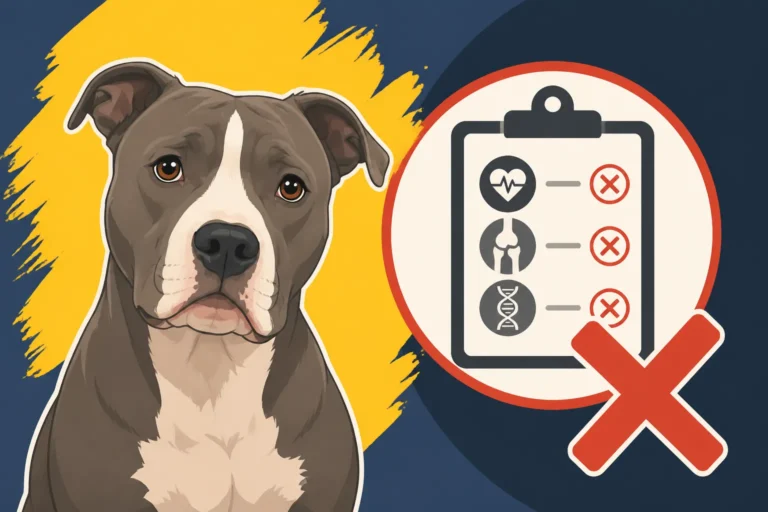
Many Pit Bull owners, frustrated by breed-specific restrictions, wonder if a DNA test confirming their dog isn't "purebred Pit Bull" could help with insurance. The reality is, Whether a DNA Test Gets a Pit Bull Insured is a nuanced issue, and often, the answer is "not as much as you'd hope." While DNA tests can be fascinating for understanding your dog's heritage (and Chewy even sells a variety of these kits), many insurance companies rely on visual identification when assessing breed. If your dog looks like a Pit Bull, regardless of what a DNA test says about its genetic makeup (perhaps it's mostly Boxer or American Bulldog), the insurer's policy might still apply due to its appearance.
Some forward-thinking insurers or individual underwriters might be swayed by a DNA test, especially if it reveals a mixed breed composition that doesn't include the specific breeds on their exclusion list, or if it highlights a majority of breeds that are considered "non-aggressive." However, it's not a guaranteed solution. Before investing in a DNA test for insurance purposes, it's always best to inquire directly with your potential insurance providers about their stance on DNA evidence versus visual assessment. While a DNA test might not be the silver bullet you hope for, combined with extensive training records and a clean bite history, it could be another piece of evidence in your favor when dealing with a sympathetic agent or smaller, more flexible insurer.
Disclaimer
The information provided in this article is for general informational purposes only and does not constitute legal, financial, or insurance advice. While we strive to provide accurate and up-to-date information, insurance policies and regulations vary by state, insurer, and individual circumstances. You should consult with a qualified insurance professional to discuss your specific needs and options. We are not liable for any actions taken or not taken based on the information provided herein.