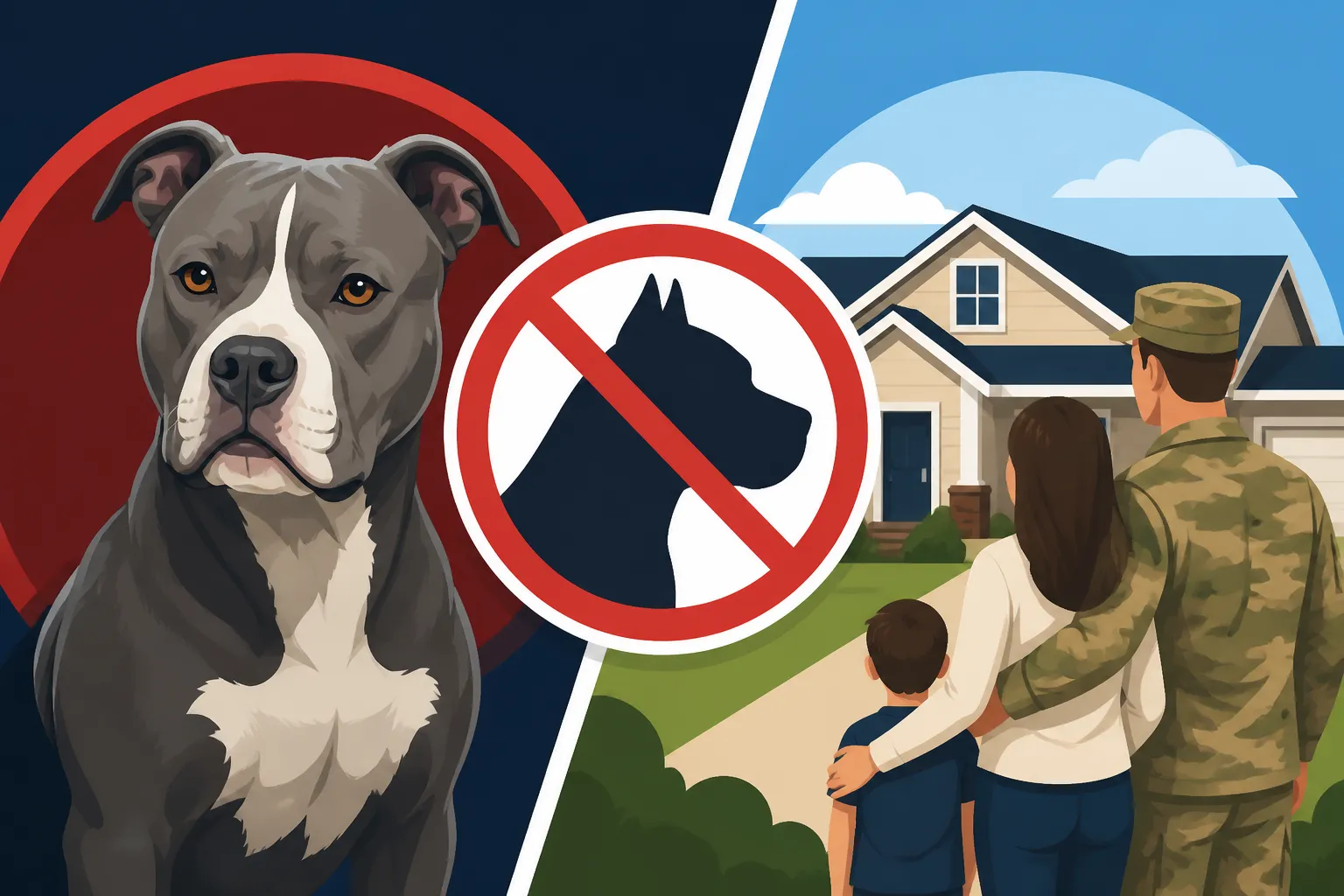
Military Housing and Pit Bull Restrictions
The challenges of finding suitable housing are already a significant stressor for military families, and when you add a beloved Pit Bull to the equation, those challenges can feel insurmountable. Many military families find themselves caught in a confusing web of regulations, often leading to heartbreaking decisions about their furry companions. This guide aims to demystify military housing policies regarding Pit Bulls, offering clear, actionable information to help you navigate these restrictions and keep your family together.
Understanding the Landscape of Military Housing Pet Policies
It’s no secret that pet policies, especially concerning certain breeds, can be incredibly frustrating and inconsistent. For military families, this issue is amplified by the transient nature of service life, with frequent moves to new bases, states, or even countries, each with its own set of rules. The overarching goal of these policies, from the perspective of housing authorities, is often to mitigate perceived risks, ensure resident safety, and protect property. However, for a Pit Bull owner, these broad strokes can feel like an unfair judgment against a loyal family member.
Imagine you've just received PCS orders, and your mind immediately races to packing, schools, and then, inevitably, to your dog. You start scouring websites for housing information, only to find vague clauses about "aggressive breeds" or outright bans on "Pit Bull type dogs." This isn't just an inconvenience; it's a profound source of anxiety, as your dog is a cherished part of your family. The reality is that military housing policies are not always uniform, even within the same branch of service, and they can change with little warning, leaving families scrambling. Whether you're considering What a Pit Bull Costs a Year With Allergies or simply seeking a stable home, these pet policies are a significant hurdle.
One of the biggest frustrations stems from the ambiguity surrounding what exactly constitutes a "Pit Bull type dog." Is it based on appearance, a DNA test, or simply someone's subjective opinion? This lack of clarity often puts the burden of proof on the pet owner, who may need to provide extensive documentation or even pursue costly DNA testing just to prove their dog isn't what someone else thinks it is. Even if you've already had your pet microchipped and registered, dealing with these nuanced definitions can be a bureaucratic nightmare. The stress of moving is enough without having to defend your dog's breed constantly.
Specific Pit Bull Restrictions Across Military Branches and Bases
It's crucial to understand that military pet policies aren't a monolithic entity. While the Department of Defense (DoD) issues general guidelines, individual branches (Army, Navy, Air Force, Marines, Coast Guard) and even specific installations often have their own supplementary rules and interpretations. This creates a patchwork of regulations that can make finding accurate information feel like a scavenger hunt. What might be allowed at Fort Bragg could be strictly prohibited at Camp Pendleton, causing immense confusion and potential heartbreak for families during relocations.
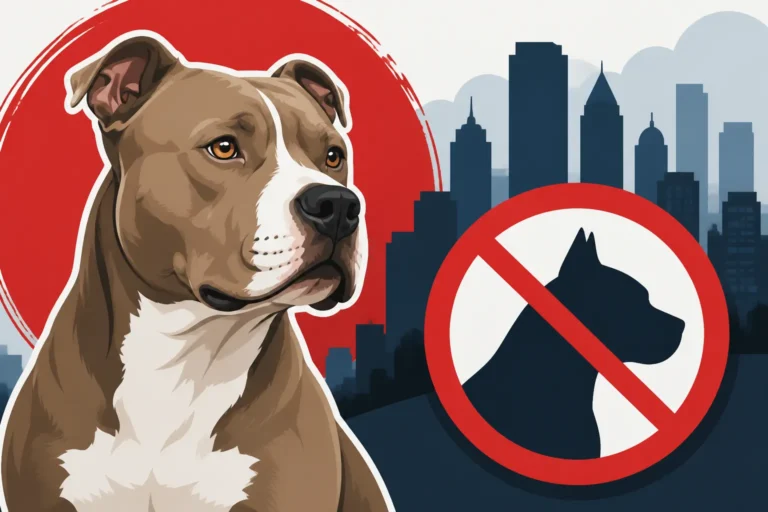
Generally, most military housing policies identify "Pit Bull type dogs" by common breed names like American Pit Bull Terrier, Staffordshire Bull Terrier, American Staffordshire Terrier, and sometimes even American Bulldog. Mixed breeds that visually resemble these dogs are often included in the ban, which further complicates matters given the prevalence of Which DNA Panel Tells You If It Is a Pit Bull requests for shelter dogs. Some bases take a "three strikes and you're out" approach, while others have zero tolerance. These policies often stem from incident reports or general breed-specific legislation that has unfortunately proliferated in many civilian communities, influencing military decisions. It's a sad reality that while many Pit Bulls are wonderful family pets, the stigma precedes them.
For example, a family stationed at a Navy base might find a blanket ban on all "Pit Bull breeds" in base housing, regardless of the individual dog's temperament or training. If they then receive orders to an Air Force base, they might encounter a policy that allows Pit Bulls if they have a Canine Good Citizen (CGC) certification and a liability insurance policy from a company like Healthy Paws. This inconsistency is infuriating. It means you can't simply assume what was allowed at your last post will be permitted at your next. You need to verify the specific installation's most current policy every single time you move. This also means you have to be extra careful about Lease Clauses That Name Pit Bull Type Dogs if you're looking at off-base housing.
Navigating the Challenges of Military Housing With a Pit Bull
When you're faced with strict pet policies, it can feel like you have no options, but there are steps you can take. The first and most critical action is to get ahead of the problem. As soon as you receive your PCS orders, start researching the pet policy for your gaining installation's housing office. Do not rely on old information or hearsay. Call them directly, get their policy in writing if possible, and ask very specific questions about breed restrictions, weight limits, and any exceptions. Sometimes, a base might have a waiver process, especially for dogs with documented training or certifications.
If on-base housing proves impossible, your next step is to explore off-base housing options, but be prepared for similar challenges. Many private landlords and apartment complexes nearby military installations often mirror the base's breed restrictions or have their own stringent rules regarding breeds like Pit Bulls. You might find that Apartment Complexes That Ban Pit Bulls Outright are common. This is where diligent searching and open communication become your best friends. Be honest and upfront about your dog. Offer to provide references from previous landlords, vet records, and proof of training or certification. Some landlords might be more flexible if they see you're a responsible pet owner. Look into Finding a Rental That Takes a Pit Bull early in your moving process.
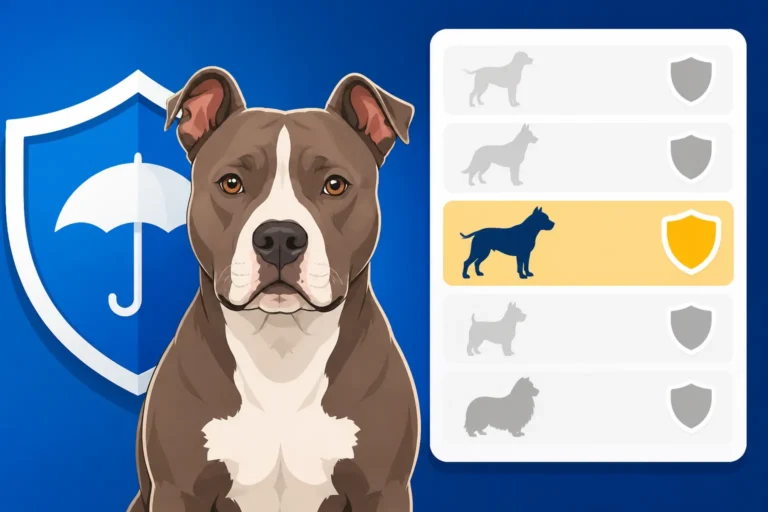
A proactive approach to your Pit Bull's training and health can also significantly help. Obtaining a Canine Good Citizen (CGC) certification is often highly recommended, as it demonstrates your dog's good manners and your commitment to responsible ownership. Some insurance companies, like Healthy Paws, might offer pet liability policies that could satisfy some landlord requirements, or at least show good faith. Keeping excellent vet records, staying up-to-date on vaccinations, and having your dog spayed or neutered are also beneficial. When you can present a portfolio of your dog's good behavior and health, you increase your chances of finding suitable housing. Don't forget to budget for Pit Bull Allergy Treatment as a Recurring Bill if your dog has chronic skin issues, as these can add up.
Exploring Off-Base Options and Advocacy
If you find yourself in a situation where on-base housing is a no-go, and local off-base options seem equally bleak, don't lose hope. This is where you might need to broaden your search radius or consider creative solutions. Sometimes, looking a bit further away from the immediate vicinity of the base can open up more possibilities, though this might mean a longer commute. Resources like local realtors who specialize in pet-friendly rentals can be invaluable. They often have insights into landlords or areas that are more accepting of specific breeds.
For families with specific dietary needs for their Pit Bulls, like those on a fresh food diet from companies like Ollie, or needing special chews from Chewy, planning for reliable access to these resources is also key, regardless of where you end up living. This includes thinking about delivery options if you're in a more rural area.
Furthermore, there are advocacy groups dedicated to helping military families with pets. Organizations like Dogs on Deployment, for instance, connect service members with volunteer foster homes for their pets during deployments or moves to restricted housing. While not a permanent solution, it can provide temporary relief and options during challenging times. Understanding your options and leveraging these networks can make a significant difference. It’s also worth noting that the general public’s opinion on Pit Bulls is shifting, and while Why Support for Pit Bull Bans Has Fallen is encouraging, the change is slow to reach all institutions.
Documentation and Preparation for Your Pit Bull
Being prepared with a comprehensive dossier for your Pit Bull can make all the difference when encountering housing restrictions. Think of it as your dog's resume. This should include:
- Veterinary Records: Up-to-date vaccination history, spay/neuter certificate, and proof of regular health check-ups. This shows responsible pet ownership.
- Training Certifications: Any obedience certificates, especially the Canine Good Citizen (CGC) title. This is often recognized by landlords and housing authorities as proof of good temperament and training. Consider whether Whether a CGC Title Helps a Pit Bull Policy is something you can leverage.
- References: Letters from previous landlords, veterinarians, or trainers attesting to your Pit Bull's good behavior and your responsible ownership.
- Photos: Clear, recent photos of your dog can help show their true nature and potentially counter breed stereotypes.
- Pet Liability Insurance: A policy from a provider like Healthy Paws specifically covering breed-specific liability. This demonstrates a commitment to mitigating any potential risks for the landlord. Be sure to understand Where a Pit Bull Sits on an Insurer's Breed List.
- Microchip Registration: Proof of microchipping and current registration, showing you can be contacted if your dog is lost. Why a Pit Bull Microchip Matters More in certain situations cannot be understated.
Presenting this organized information can help build trust and demonstrate that your Pit Bull is a well-behaved, integrated member of your family. It shows you're not just hoping for the best, but actively working to ensure a smooth transition and responsible pet ownership.
Key Considerations for Military Families with Pit Bulls
Navigating military housing with a Pit Bull requires not only careful planning but also a deep understanding of the unique circumstances involved. It’s more than just finding a roof over your head; it’s about maintaining your family unit and ensuring your dog's well-being throughout your service.
One critical aspect is understanding that even if a base allows Pit Bulls, there might be other restrictions to consider. For example, some installations might have specific rules about where Pit Bulls can be walked, if they must be muzzled in public, or if they are allowed in common areas. You might also find weight limits or a maximum number of pets allowed per household. These nuances are often buried in the fine print and require thorough investigation. It's not uncommon for bases to have specific requirements about Muzzle Training Every Pit Bull Should Have even if they don't have a blanket ban. Being prepared for these kinds of specific rules can save you a lot of grief.
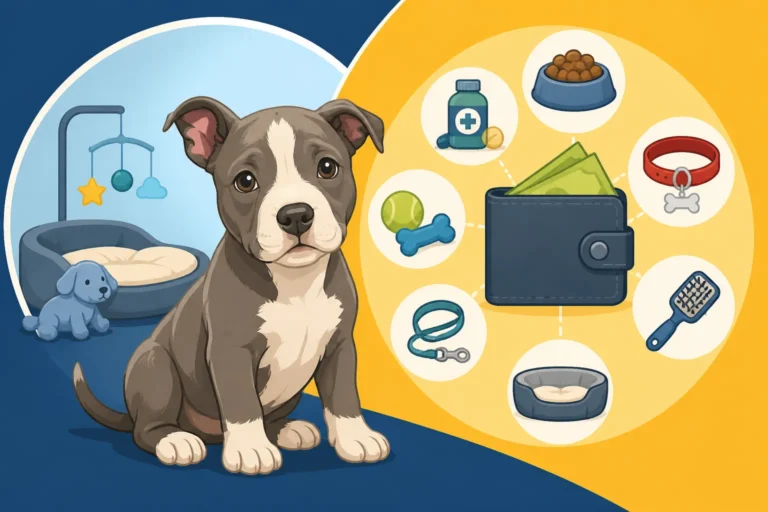
Another major consideration is the potential financial impact. If on-base housing is not an option, off-base rentals can come with higher pet deposits, monthly pet rent, or breed-specific insurance surcharges. These costs can add up quickly, especially when combined with the general expenses of moving and settling into a new location. Families should budget accordingly and factor these potential additional costs into their financial planning for each PCS move. Ordering supplies from an online retailer like Chewy can sometimes help mitigate costs with bulk purchases and subscriptions, but pet fees are usually non-negotiable.
When Policy Changes Impact Your Family
It’s a harsh reality that military pet policies can change. What was permissible last year might be banned next year, leaving families in a difficult predicament. This unpredictability is a significant source of stress. Imagine you’ve settled into housing, and six months later, a new base commander institutes a stricter breed policy. What then?
While immediate evictions are rare and usually come with a grace period, you could be forced to seek alternative housing, either on-base in non-restricted areas (if available and suitable) or off-base. This is why having all your documentation up-to-date and a backup plan is so crucial. Maintaining strong relationships with your housing office and staying informed about any proposed policy changes can also help you prepare. Advocacy from military families has sometimes led to policy reevaluations, demonstrating the power of collective voices when these changes occur. Learning The Hardest Call a Pit Bull Owner Makes is a reality many face, but proactive steps can often prevent it.
| Policy Aspect | Key Question to Ask | Recommended Action |
|---|---|---|
| Breed Restriction | Are “Pit Bull type dogs” (APBT, AmStaff, Staffie) banned? How are mixes identified? | Get policy in writing; consider DNA testing if ambiguous. |
| Weight/Size Limits | Are there weight or size restrictions for dogs? | Know your dog’s exact weight; ensure it meets criteria. |
| Number of Pets | How many pets are allowed per household? | Confirm total pet limit, especially if you have multiple animals. |
| Training Requirements | Is a Canine Good Citizen (CGC) or other training required/recommended? | Enroll in training; obtain certifications; Documenting a Pit Bull’s Training Record. |
| Liability Insurance | Is pet liability insurance required? Any specific companies? | Research policies (e.g., Healthy Paws); obtain proof of coverage. |
| Off-Base Housing | Does the base have a list of pet-friendly off-base rentals? | Connect with local realtors or housing specialists. |
| Waiver Process | Is there an appeals or waiver process for breed restrictions? | Understand the process and required documentation; prepare a strong case. |
Ultimately, living in military housing with a Pit Bull demands persistence, meticulous preparation, and a thick skin against unfair stereotypes. While the restrictions can feel overwhelming, countless military families successfully navigate these challenges by being proactive, informed, and advocating for their beloved dogs. Your Pit Bull is family, and with the right strategy, you can keep them by your side, no matter where your service takes you.
Disclaimer
The information provided in this guide is for general informational purposes only and does not constitute official legal or housing advice. Military housing policies are subject to change and vary by branch and installation. Always consult directly with the housing office at your specific military installation for the most current and accurate pet policies.