Resting a Pit Bull Between Meal and Exercise
It's a familiar scenario: you’ve just fed your energetic Pit Bull a hearty meal, and before you know it, they're bouncing off the walls, ready to tackle the nearest squirrel or zoom around the yard. While their enthusiasm is endearing, allowing your deep-chested Pit Bull to engage in vigorous activity immediately after eating can put them at serious risk for a life-threatening condition called bloat, also known as Gastric Dilatation-Volvulus (GDV). This guide will walk you through why resting your Pit Bull between meal and exercise is absolutely crucial, how long you should typically wait, and practical ways to manage their day to keep them safe and healthy.
The Critical Link Between Meals, Exercise, and Canine Health
For a breed as powerful and athletic as the Pit Bull, it might seem counterintuitive to restrict their activity. They are built for movement and love to play. However, their unique anatomy, combined with the mechanics of digestion, creates a vulnerable window after they eat. Understanding this connection is the first step to protecting your beloved companion.
Understanding Gastric Dilatation-Volvulus (Bloat) in Pit Bulls
Let's not mince words: bloat is terrifying. It’s an emergency that can turn fatal incredibly quickly. In simple terms, it happens when your dog's stomach fills with gas and then twists on itself. Imagine a balloon that gets inflated and then cinched off at both ends. That's essentially what happens. The gas can't escape, blood flow to the stomach is cut off, and other organs can be affected. The pain is immense, and without immediate veterinary intervention, often surgical, a dog can die within hours.
Pit Bulls, with their deep chests and robust builds, are unfortunately among the breeds considered to be at higher risk for bloat. While the exact causes are still being researched, factors like eating rapidly, eating one large meal a day, stress, and, critically, vigorous exercise directly before or after eating, are strongly implicated. If you see your Pit Bull retching unproductively, pacing, drooling excessively, or if their abdomen appears swollen and hard, especially on one side, this is a dire emergency. Do not wait; get to an emergency vet immediately. Recognizing Bloat in a Deep-Chested Pit Bull is one of the most important things you can do as an owner.
Beyond Bloat: Other Digestive Upset Risks
Even if your Pit Bull is lucky enough to avoid the nightmare of bloat, intense activity right after a meal can still lead to a host of uncomfortable digestive issues. Think about how you feel after a big Thanksgiving dinner – do you want to run a marathon? Probably not! Your Pit Bull feels much the same, though they might not show it in the same way.
When a dog eats, their body diverts resources to the digestive system. Blood flow increases to the stomach and intestines to help break down food and absorb nutrients. If your dog then launches into a game of fetch or a long run, that blood flow is suddenly redirected to the muscles. This can disrupt the entire digestive process, leading to symptoms like vomiting, diarrhea, indigestion, or general abdominal discomfort. They might seem lethargic, refuse subsequent meals, or just generally feel "off." It’s not just about preventing the worst-case scenario; it’s about ensuring their daily comfort and well-being, too.
How Long Should Your Pit Bull Rest After Eating?
This is the million-dollar question, and while there's no single, universally perfect answer, there are very important guidelines that every Pit Bull owner should follow diligently. It's about finding that sweet spot between sufficient digestion and keeping your active dog from getting bored.
The General Guideline for Post-Meal Rest
For most Pit Bulls, the general recommendation for post-meal rest is to wait at least 30 minutes to 2 hours before engaging in any strenuous activity. Many experienced owners and veterinarians will lean towards the longer end of that spectrum, especially after a substantial meal.
Several factors can influence this timeframe:
- Size of the Meal: A small snack or a handful of training treats will require less rest than a full bowl of kibble.
- Type of Food: Some believe that dry kibble, which can expand in the stomach, might necessitate a longer wait than wet or fresh food.
- Individual Dog's Metabolism: Just like people, some dogs digest faster than others. You'll learn your dog's rhythm over time.
- Activity Level: A quick potty break is very different from a full-on sprint at the dog park.
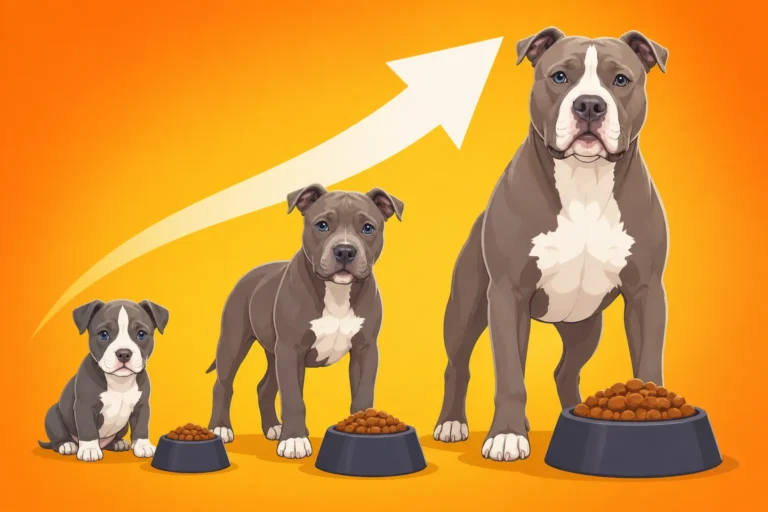
For example, if your Pit Bull tends to gulp down their food (a common trait in many enthusiastic eaters!), you might want to err on the side of a longer rest period. A puppy, who might eat smaller, more frequent meals, may need less rest time than an adult dog, but you still want to ensure they aren't bouncing off the walls right after eating. The Age a Pit Bull Finishes Growing can also play a role in how you manage their energy.
Pre-Exercise Meal Timing Considerations
It's not just about what happens after the meal; what happens before exercise also matters. It's generally a good idea to avoid feeding a large meal immediately before any significant exercise session. If you plan to take your Pit Bull for a long walk, a training session, or a romp at the park, aim to feed them at least 2 hours before the activity, or even better, wait until after the exercise to offer their main meal.
If your dog needs to potty before a morning walk, a small handful of treats or a light, easily digestible snack is usually fine, followed by a quick, calm potty break. Then, you can enjoy your walk, and the main breakfast can be served upon return, allowing for proper post-meal rest afterward. This scheduling helps to minimize the risk of bloat or digestive upset. Think about the overall daily Pit Bull Exercise for a Powerful Athletic Dog and how it integrates with meal times.
Practical Strategies for Managing Meal-to-Exercise Intervals
Life with a high-energy Pit Bull can be a whirlwind, but with a little planning, you can easily incorporate safe meal and exercise routines into your day. It’s all about creating habits that work for both you and your furry friend.
Structuring Your Pit Bull's Day
Consistency is key when it comes to managing meal and exercise times. A predictable routine helps your Pit Bull's body anticipate when to digest and when to be active.
Here’s a sample structure that many Pit Bull owners find effective:
- Early Morning (Potty & Light Activity): First thing in the morning, a calm trip outside for a potty break. Maybe a few minutes of gentle sniffing in the yard.
- Breakfast: Serve their main breakfast meal.
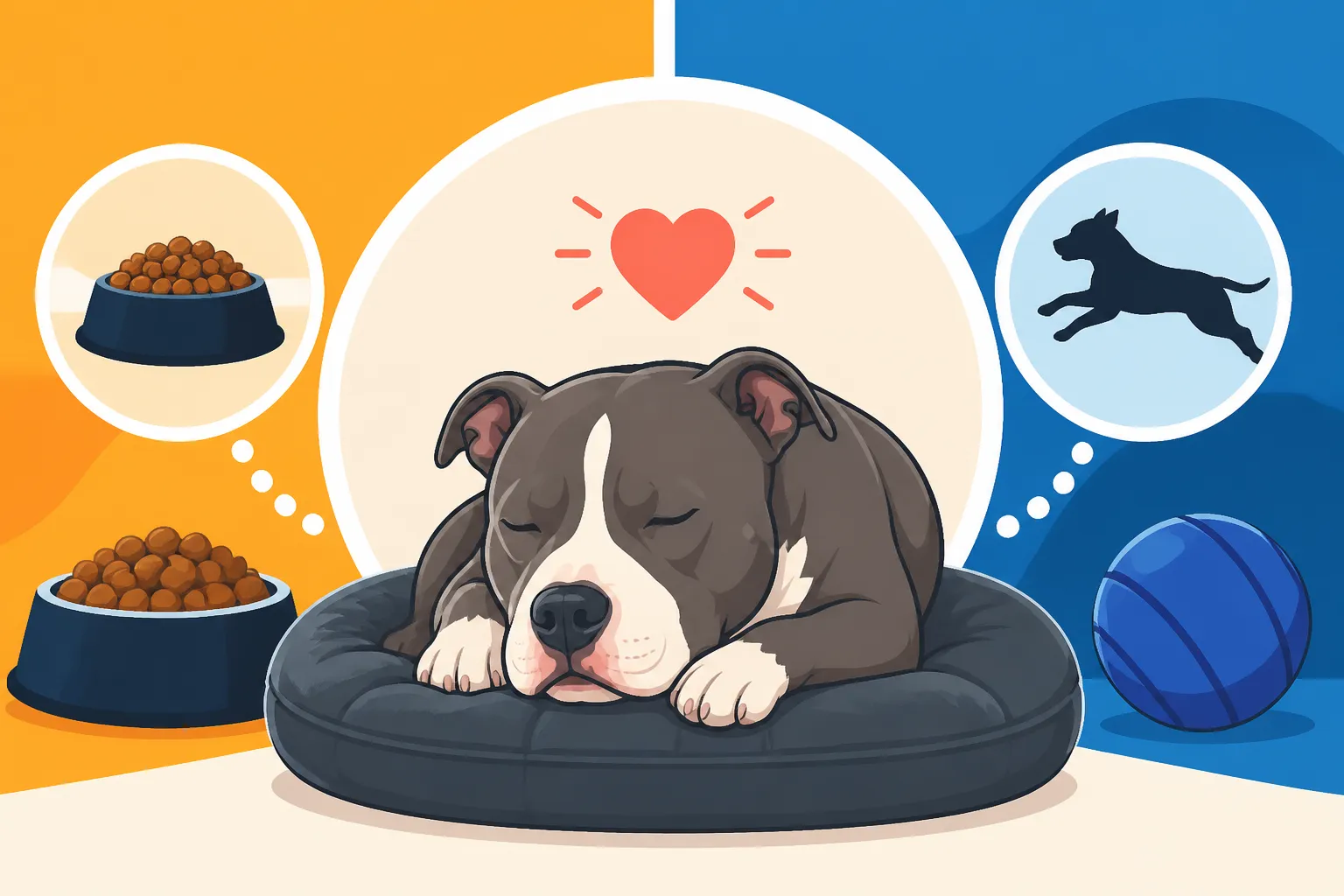
- Post-Meal Rest (Crucial!): This is your window for quiet time. No roughhousing, no running around, no intense training. This could be cuddle time on the couch, a puzzle toy that encourages calm engagement, or just hanging out in their crate or a designated quiet spot. You can find excellent slow feeder bowls and puzzle toys on Chewy or Amazon that can help prolong mealtime and prevent gulping, making the transition to rest smoother.
- Mid-Morning/Lunch (If applicable for puppies/specific diets): Repeat the rest cycle.
- Afternoon/Evening (Main Exercise): Once the appropriate rest period has passed, this is prime time for your Pit Bull's energetic exercise needs – a long walk, fetch, training, or a trip to a dog-friendly park. Building Pit Bull Fitness Safely is important, and timing it correctly around meals is part of that.
- Dinner: Serve their evening meal.
- Post-Dinner Rest: Another crucial quiet period. A short, calm potty break on a leash is generally fine, but then it’s back to relaxing before bed.
By setting up a consistent schedule, your Pit Bull will learn when to expect food and when it's time to chill out, making the whole process much easier.
Monitoring Your Pit Bull's Post-Meal Behavior
Every dog is an individual. While guidelines are helpful, truly understanding your Pit Bull means observing their specific behaviors and digestion patterns.
Pay attention to:
- How quickly they eat: A dog that inhales their food in 30 seconds might need a longer rest than one who nibbles over 10 minutes.
- Their energy levels after eating: Some dogs naturally calm down after a meal, while others get a burst of energy. You might need to gently redirect the latter to quiet activities.
- Any signs of discomfort: Watch for lip-licking, pacing, staring at their flank, or trying to stretch repeatedly, which could indicate indigestion.
If you’re just starting this routine, or if you have a new Pit Bull, consider keeping a little journal for a week or two. Note down meal times, activity times, and any observations about their digestion. This can help you fine-tune the waiting period to suit your individual dog's needs. Remember, a well-fed Pit Bull should be comfortable and relaxed after eating, not stressed or anxious.
Feeding Strategies to Reduce Risk
Beyond timing, how you feed your Pit Bull can also contribute to reducing bloat risk and improving digestion.
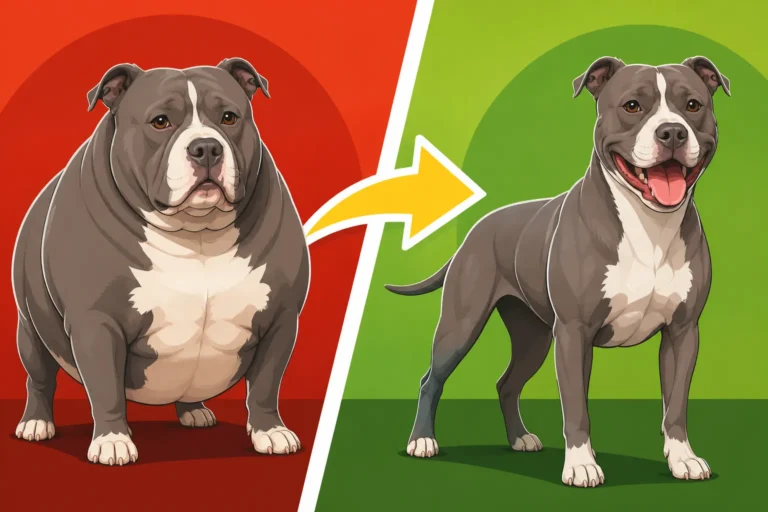
- Smaller, More Frequent Meals: Instead of one massive meal a day, consider splitting your Pit Bull's daily calorie intake into two or even three smaller meals. This reduces the amount of food in the stomach at any one time, potentially lessening the risk of distension. You'll still want to aim for The Calorie Target for a Lean Pit Bull across the day.
- Slow Feeder Bowls: As mentioned, these bowls have ridges or obstacles that force your dog to eat around them, significantly slowing down their ingestion. This reduces the amount of air they swallow with their food and gives their stomach a gentler introduction to the meal. You can find many varieties of slow feeder bowls from retailers like Chewy or by searching for "slow feeder dog bowl" on Amazon.
- Consider Fresh or Wet Food: While dry kibble is convenient and widely used, some owners find that fresh or wet food diets, like those offered by Ollie, may be less prone to causing excessive gas or stomach expansion compared to dry kibble. The evidence on this is mixed, but it's a factor some owners consider. Always introduce new foods gradually to avoid upsetting your Pit Bull's stomach.
- Avoid Elevated Bowls (Unless Advised by Vet): This is a somewhat debated topic. While elevated bowls used to be recommended for large, deep-chested breeds, some studies have actually linked them to an increased risk of bloat in certain breeds. It's always best to discuss this with your veterinarian to see what they recommend for your specific dog.
For more details on meal management, check out Two Measured Meals a Day for a Pit Bull and Feeding a Muscular Fifty Pound Pit Bull.
What Constitutes "Exercise" After a Meal?
When we talk about resting a Pit Bull after a meal, it’s important to clarify what "exercise" really means in this context. It's not just about taking them to the dog park; even seemingly innocent activities can be risky.
High-Impact vs. Low-Impact Activities
To truly protect your Pit Bull, you need to differentiate between activities that pose a risk and those that are generally safe.
-
High-Impact/High-Risk Activities (AVOID after meals): These are anything that causes your Pit Bull's body to jolt, twist, or exert significant physical effort. This includes:
- Running (even short sprints)
- Jumping (on and off furniture, catching frisbees, agility training)
- Intense tug-of-war or wrestling with other dogs or people
- Rough-and-tumble play at a dog park
- Stair climbing at a fast pace
- Sudden, excited "zoomies" around the house or yard
- Any training that involves rapid changes in direction or high energy.
-
Low-Impact/Safe Activities (Generally OK after meals): These are calm, gentle activities that don't put strain on the digestive system.
- A short, leisurely stroll on a leash for a potty break (no pulling, no running)
- Quiet sniffing around the yard
- Calm cuddle time
- Chewing on a calming, non-edible chew toy while lying down
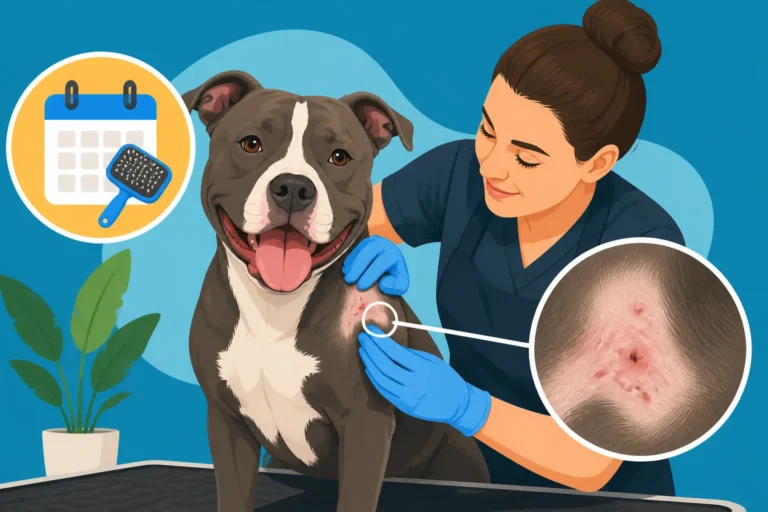
- Light grooming or brushing
- "Place" command training for stillness.
The key is to minimize anything that could cause the stomach to slosh, twist, or become distended. If you're ever in doubt, choose the safer, calmer option.
The Importance of a Calm Environment
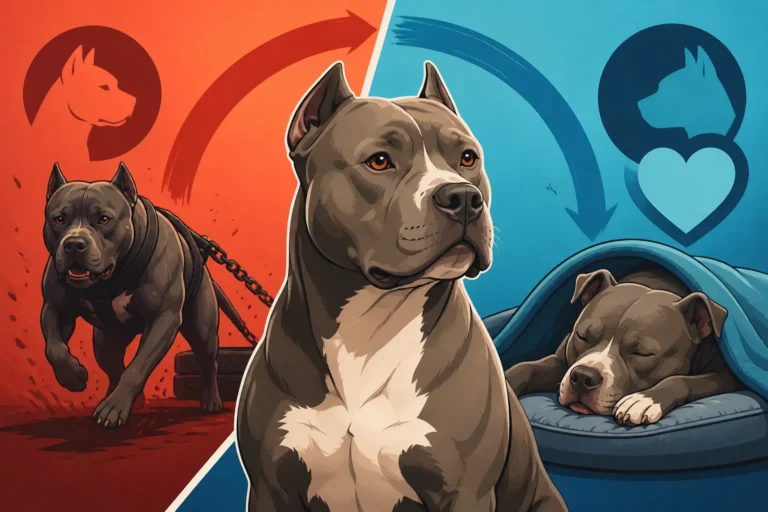
Beyond controlling specific activities, creating a calm environment for your Pit Bull after meals is incredibly beneficial for digestion. Stress and excitement can also play a role in digestive upset, including bloat.
Consider:
- Designated Quiet Space: Have a comfortable crate or dog bed in a peaceful area where your Pit Bull can relax without being disturbed. This is their "chill zone" after eating.
- Minimize Triggers: Try to avoid situations that might suddenly excite your dog after a meal. This could mean keeping them away from the front window if the mailman's arrival usually sends them into a barking frenzy, or ensuring kids know it's quiet time.
- Mental Stimulation: If your Pit Bull gets restless during rest periods, offer mentally stimulating but physically calm activities. A snuffle mat with a few treats, a KONG toy filled with peanut butter, or a gentle training session focusing on "stay" or "down" can engage their mind without engaging their body too much.
A calm dog is a dog whose body can focus on the important job of digestion. By taking these steps, you're not just preventing problems; you're supporting your Pit Bull's overall health and well-being.
Conclusion
The bond we share with our Pit Bulls is incredibly special, and part of that bond is our responsibility to keep them safe and healthy. While their boundless energy is one of their most charming qualities, understanding the dangers of exercise after eating – particularly the life-threatening risk of bloat – is paramount for Pit Bull owners. By diligently implementing a period of rest after meals, choosing appropriate activities, and being observant of your dog's individual needs, you are taking a crucial step in safeguarding their health. It might require a little more planning in your day, but the peace of mind knowing you're protecting your furry family member is absolutely priceless.
Disclaimer
This article is for general informational purposes only and does not constitute professional advice. Laws, prices and regulations vary by location and change over time. Consult a qualified professional for guidance on your specific situation.