Pit Bull Skin Checks During Weekly Grooming
It can be incredibly frustrating to discover a nasty rash or a growing lump on your Pit Bull, especially when you feel like you just checked them over. Their short, dense coats can sometimes be deceptively good at hiding skin issues until they've become quite advanced, leaving you feeling guilty and worried. This guide is all about empowering you with the knowledge and routine to perform thorough weekly skin checks, helping you catch potential problems early and keep your beloved Pit Bull healthy and comfortable.
Why Your Pit Bull's Skin Needs Regular Attention
Pit Bulls, with their impressive musculature and often sleek, short coats, can seem like robust, no-fuss dogs. While they are indeed tough and resilient, their skin, much like ours, can be a sensitive area prone to a range of issues. Ignoring these early signs can lead to bigger, more uncomfortable, and more expensive problems down the road.
The Pit Bull Predisposition to Skin Issues
It's a common lament among Pit Bull owners: the constant battle with skin problems. Many Pit Bulls are unfortunately genetically predisposed to environmental allergies, a condition often referred to as atopy. This means their immune systems overreact to common allergens like pollen, dust mites, and certain grasses. When these allergies flare, they don't just feel a bit itchy; their skin can become inflamed, red, and irritated, creating a perfect breeding ground for secondary bacterial or yeast infections. What starts as a little scratch can quickly escalate into something much worse.
Because their hair is so short, these inflamed areas can sometimes be hard to spot until the problem is significant. You might notice your dog scratching, licking, or rubbing more often, but pinpointing the exact location of the irritation might take some detective work. Early detection through regular checks is absolutely vital to nipping these problems in the bud before they cause major discomfort. For a deeper dive into this, you might find Pit Bull Skin Allergies and the Atopy Pattern helpful, and if things get out of hand, Pit Bull Hot Spots and Secondary Infection explains what can happen next.
Beyond Just Itching: What You Might Miss
Beyond the common allergies and infections, there's a whole host of other things that can show up on your Pit Bull's skin. Lumps, bumps, scabs, and even parasites can hide under that deceptively simple coat. Pit Bulls are also famously stoic dogs; they might tolerate a fair amount of discomfort before showing obvious signs of pain or distress. This can be both a blessing and a curse. While it means they're not always complaining, it also means that by the time they are complaining, an issue might be more advanced than you realize.
Imagine a small cut from rough play in the yard, or a tiny tick bite that becomes inflamed. Without regular, thorough checks, these minor incidents can fester into bigger problems. We’re not just talking about fleas, which can cause significant irritation for allergic Pit Bulls (as detailed in Flea Allergy Dermatitis in a Pit Bull), but also other mites like those responsible for Demodex mange. A few small patches of hair loss from Demodex Mange in a Pit Bull might seem innocuous at first, but left untreated, they can spread and become much more severe. Regularly running your hands over your dog isn't just about feeling for itching; it's about connecting with them and noticing anything that feels even slightly off.
How to Perform a Thorough Weekly Skin Check
Performing a skin check doesn't have to be a daunting task. In fact, if you integrate it into a positive, relaxed routine, your Pit Bull might even come to enjoy the extra attention and petting. The key is consistency and knowing what you're looking for, and perhaps more importantly, what things usually feel like on your dog when they're healthy.
Setting Up for Success: Tools and Environment
Before you begin, create a calm and comfortable environment. Choose a time when your Pit Bull is relaxed, perhaps after a walk or a meal. A quiet room with good lighting is essential – you don't want to miss anything. A raised surface, like a sturdy grooming table or even a kitchen counter (if your dog is comfortable and you can lift them safely), can save your back and give you a better vantage point. If your dog isn't used to being on a raised surface, start slowly and use plenty of positive reinforcement.
Gather a few simple tools: a soft brush, a good flashlight (the one on your phone works in a pinch), and plenty of high-value treats. You can find excellent grooming tools and even special calming treats on platforms like Amazon or Chewy to help make this a positive experience for both of you. The goal is to make this feel like a pampering session, not a veterinary exam. If your dog associates these checks with treats and gentle handling, they'll be much more cooperative in the long run.
A Head-to-Tail Approach: What to Look and Feel For
A systematic approach ensures you don't miss any spots. Start at one end and work your way to the other, both visually and tactilely. Remember, your fingertips are excellent detection tools, especially on a short-coated dog where visual cues can be subtle.
- Face and Ears: Begin by gently examining your Pit Bull’s face. Look around their eyes for any discharge, redness, or swelling. Check their muzzle and lips for sores or excessive drooling. Then move to the ears. Lift each ear flap and peer inside. Are they clean, or do you see redness, discharge, or an unusual odor? Many Pit Bulls are prone to ear infections, and knowing the signs, as discussed in Pit Bull Ear Infections and What Drives Them, is important. Gently feel the base of the ears for swelling or tenderness. If you spot anything, knowing how to clean them properly, which you can learn about in Cleaning a Pit Bull Ear Properly, can be a game-changer.
- Neck and Chest: Run your hands along their neck, feeling for any lumps, bumps, or tender spots. Pay close attention to the area under their collar, as this can sometimes become irritated. On their broad chest, feel the skin folds, especially in those well-muscled areas, as moisture can accumulate there.
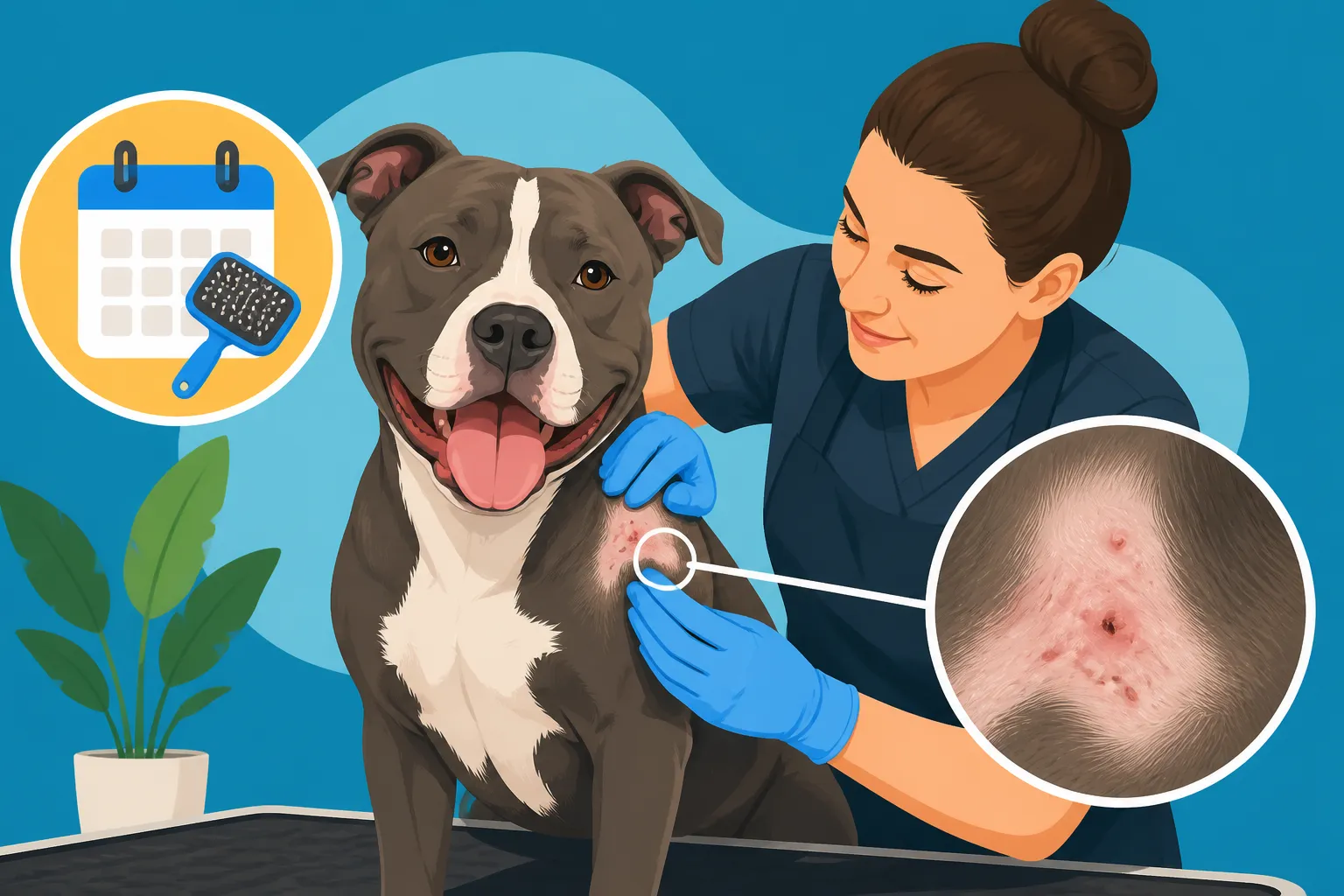
- Back and Sides: Systematically run your hands over their entire back and sides, moving against the direction of hair growth. This helps to separate the hairs and expose the skin. Look for any redness, dandruff, scabs, pustules, or patches of hair loss. Is the coat dull or greasy in places? Are there any small bumps that feel like bug bites?
- Belly and Groin: These areas are particularly vulnerable to environmental allergies and contact dermatitis. Look for rashes, hives, red spots, or any signs of excessive licking. The groin area and armpits are warm, moist spots where yeast and bacteria love to thrive. If you notice your Pit Bull excessively licking their belly or groin, it's a major red flag. For more specific information, check out Pit Bull Belly Rash and Contact Allergy.
- Legs and Paws: This is a huge hot spot for allergic Pit Bulls. Many will chew and lick their paws constantly when their allergies flare. Carefully inspect each paw, including between the toes and the paw pads. Look for redness, swelling, cracks, foreign objects (like foxtails!), or signs of infection. If your Pit Bull is constantly licking their paws, Pit Bull Paw Licking and Chewing offers some insights. Also, examine their legs for any scabs, cuts, or irritation, especially on the inner thighs. Don't forget their elbows, which can develop calluses or hygromas. Even minor injuries to paw pads, as described in Pit Bull Paw Pad Injuries on Hard Ground, can cause significant discomfort.
- Tail and Anal Area: Lift their tail and check the skin around the anus for any redness, swelling, or irritation. Excessive scooting or licking here can indicate anal gland issues or allergies.
By following this comprehensive route, you're much less likely to overlook a subtle sign that could escalate into a major problem.
What to Look For: Red Flags and Normal Variations
Once you're systematically checking, you need to know what warrants concern versus what's just normal Pit Bull quirkiness. It's about developing an eye for the unusual on your dog.
Common Skin Conditions to Identify
When you're running your hands over your Pit Bull, you're looking for anything that deviates from smooth, healthy skin. Here’s a breakdown of common red flags:
- Redness and Inflammation: This is often the first sign of irritation, allergy, or infection. It might appear as a generalized flush, or specific red spots or patches. If you see persistent redness, especially in areas like the belly, armpits, or paws, it's a strong indicator of an allergic reaction. Pit Bull Atopy and Seasonal Itching explains how these allergies often manifest seasonally.
- Pustules, Bumps, and Scabs: Small pus-filled bumps (pustules) or crusty scabs often point to a bacterial skin infection (pyoderma). Sometimes these can look like pimples. Any open sores or areas that look like they're oozing should be noted.
- Scales and Dandruff: While a little flakiness can be normal, excessive scales or a very dry, flaky coat might indicate underlying skin dryness, allergies, or even something like ichthyosis (a genetic skin condition in some Pit Bull types).
- Hair Loss or Thinning: Patches of hair loss (alopecia) can be caused by scratching, licking, parasites (like mites), fungal infections (ringworm), or hormonal imbalances. If you see circular patches, that's particularly concerning.
- Odor: A healthy dog shouldn't have a strong, unpleasant smell beyond a general "doggy" scent. A sweet, yeasty smell (often described as smelling like corn chips) often points to a yeast infection, particularly in skin folds or ears. A foul, rotten smell is a definite sign of bacterial infection and needs immediate attention. You can learn more about specific types of infections in Yeast Infections in Pit Bull Skin Folds.
- Thickened or Leathery Skin: In areas of chronic inflammation or scratching, the skin can become thickened and dark, a process called lichenification. This indicates a long-standing issue that hasn't been fully resolved.
Remember, even if your Pit Bull isn't showing obvious signs of discomfort, these visual and tactile cues are telling you something is off with their skin health.
Lumps, Bumps, and Other Abnormalities
Beyond general skin conditions, finding a new lump or bump can be incredibly worrying for any pet owner. It’s crucial to know how to describe them and when to seek professional advice.
- Description is Key: When you find a lump, take note of its size (even measure it with a ruler if you can), its texture (soft, firm, hard), whether it moves freely under the skin or is fixed, and if it seems painful to your dog. Is it red, warm, or draining? Is it growing rapidly?
- Common, Often Benign Lumps: Many lumps are benign. Fatty tumors (lipomas) are common, especially in older Pit Bulls, and feel soft and movable under the skin. Sebaceous cysts are blocked oil glands that can feel firm and might rupture, releasing a cheesy substance. Warts (papillomas) are usually small, cauliflower-like growths. While these are often harmless, they still warrant a vet visit to confirm their nature.
- Concerning Lumps: Any new lump should ideally be checked by your veterinarian. Rapidly growing lumps, those that are fixed to underlying tissue, feel hard, are painful, or are ulcerated (open and raw) are particularly concerning. Mast cell tumors, for instance, can vary greatly in appearance but are often itchy and can change size. Knowing Feeling for a Mast Cell Tumor on a Pit Bull can help you spot potential issues, but only a vet can definitively diagnose it. Early diagnosis is key for successful treatment of any cancerous lump. For general information on which lumps might need a closer look, Which Pit Bull Lumps Need a Needle is a valuable resource.
The bottom line is: when in doubt, get it checked out. It's always better to be safe than sorry, and most vets would rather you bring them in for a benign lump than wait until a concerning one has progressed.
When to Call the Vet
While these weekly checks empower you to monitor your Pit Bull's health, they don't replace professional veterinary care. You should absolutely contact your vet if you notice any of the following:
- Rapidly Worsening Conditions: If a rash or lesion is spreading quickly, becoming more painful, or seems to be bothering your dog significantly.
- Persistent Itching or Licking: Despite your attempts at soothing or cleaning, if your Pit Bull is still incessantly scratching, licking, or chewing.
- Unusual Discharge or Odor: Any foul-smelling or discolored discharge from ears, wounds, or skin folds.
- New or Changing Lumps: Especially if a lump is growing quickly, changing in appearance, or causing pain.
- Signs of Systemic Illness: If skin issues are accompanied by other symptoms like lethargy, loss of appetite, fever, or vomiting.
- Deep Wounds or Abscesses: Anything that looks like it needs more than superficial cleaning.
Don't ever feel like you're overreacting. Your vet is there to help, and catching things early can prevent a lot of discomfort for your Pit Bull and save you worry and potentially significant expenses.
Integrating Skin Checks into Your Grooming Routine
Making skin checks a regular part of your Pit Bull’s life is more effective than scrambling to check them only when you suspect a problem. It becomes a natural extension of the care you already provide.
Making It a Habit: Consistency is Key
The best way to ensure thorough skin checks happen is to weave them into an existing routine. Perhaps it's during their weekly bath, after their regular brushing session, or simply as part of your evening cuddle time on the couch. The consistency is far more important than the exact frequency, although weekly is ideal. If a full head-to-tail check feels too much for weekly, break it down: do paws and ears one day, belly and chest the next, and so on.
Turn it into a positive interaction. Use a gentle hand, talk soothingly, and provide plenty of praise and treats. A soft, rubber curry brush (which you can easily find on Chewy or Amazon) can be a great tool to incorporate into your checks. It not only helps remove loose hair but also gently massages the skin, allowing you to feel for anything unusual. If your Pit Bull starts to associate the skin check with pleasant sensations and rewards, they'll be much more cooperative. Remember, this isn't just about finding problems; it's about reinforcing your bond and showing your dog that you care for them from nose to tail.
Proactive Care for Healthy Pit Bull Skin
Skin checks are a reactive measure – you're looking for existing problems. But truly healthy skin is also built on proactive care. This includes several crucial components:
- Nutrition: A high-quality diet provides the building blocks for healthy skin and a shiny coat. Ensuring your Pit Bull receives adequate omega fatty acids, for instance, can significantly improve skin barrier function and reduce inflammation. Some specialized pet food companies, like Ollie, offer tailored meal plans that can be beneficial for dogs with sensitive skin. You can explore how diet contributes to overall skin health in Managing Pit Bull Skin Through Diet and Bathing. Supplements, like those rich in Omega-3s, can also play a role, as discussed in Omega Oils for Pit Bull Skin and Coat.
- Parasite Prevention: Consistent, year-round prevention against fleas, ticks, and mites is non-negotiable. Even a single flea bite can trigger a severe allergic reaction in a flea-allergic Pit Bull.
- Appropriate Bathing: Regular bathing with a mild, dog-specific shampoo can help remove environmental allergens and keep the skin clean. If your Pit Bull has allergies, your vet might recommend medicated shampoos, and consistent use is key. Avoid over-bathing with harsh products, as this can strip natural oils and exacerbate dryness.
- Environmental Management: Reducing exposure to known allergens, such as wiping down paws after walks, using air purifiers, or regularly cleaning bedding, can lessen the burden on an allergic Pit Bull's skin.
By combining diligent weekly skin checks with a comprehensive proactive care routine, you're giving your Pit Bull the best possible chance at maintaining healthy, comfortable skin throughout their lives. It's an investment in their well-being that pays off in cuddles and peace of mind.
Skin Check Summary
To help you keep track of what to look for during your weekly skin checks, here's a handy overview:
| Body Area | What to Look For (Visual) | What to Feel For (Tactile) | Potential Red Flags |
|---|---|---|---|
| Face & Muzzle | Redness, discharge from eyes/nose, sores on lips | Swelling, tender spots, unusual bumps | Persistent discharge, deep sores, painful lumps |
| Ears | Redness, excessive wax, discharge, head shaking | Swelling, warmth, pain when touched, unusual odor | Foul smell, pus, severe redness, extreme tenderness |
| Neck & Chest | Rashes, flaky skin, collar irritation | Lumps (soft/firm), tender areas under collar | Growing lumps, redness/swelling under collar |
| Back & Sides | Hair loss patches, dandruff, scabs, redness | Bumps, scabs, tenderness, changes in skin texture | Spreading hair loss, numerous scabs, painful spots |
| Belly & Groin | Redness, rash, pustules, excessive licking/chewing | Bumps, thickening of skin, tenderness | Hot spots, widespread rash, dark/leathery skin |
| Legs & Paws | Redness between toes, swollen paws, cracked pads, cuts | Swelling, heat, foreign objects, tenderness, hard lumps | Lacerations, deep cracks, limping, chronic paw licking |
| Tail & Anal Area | Redness, irritation, excessive licking/scooting, bare spots | Swelling, lumps near anus, tenderness | Foul smell, discharge, persistent scooting |
Disclaimer
This article is for general informational purposes only and does not constitute professional advice. Laws, prices and regulations vary by location and change over time. Consult a qualified professional for guidance on your specific situation.