How Often to Bathe an Itchy Pit Bull
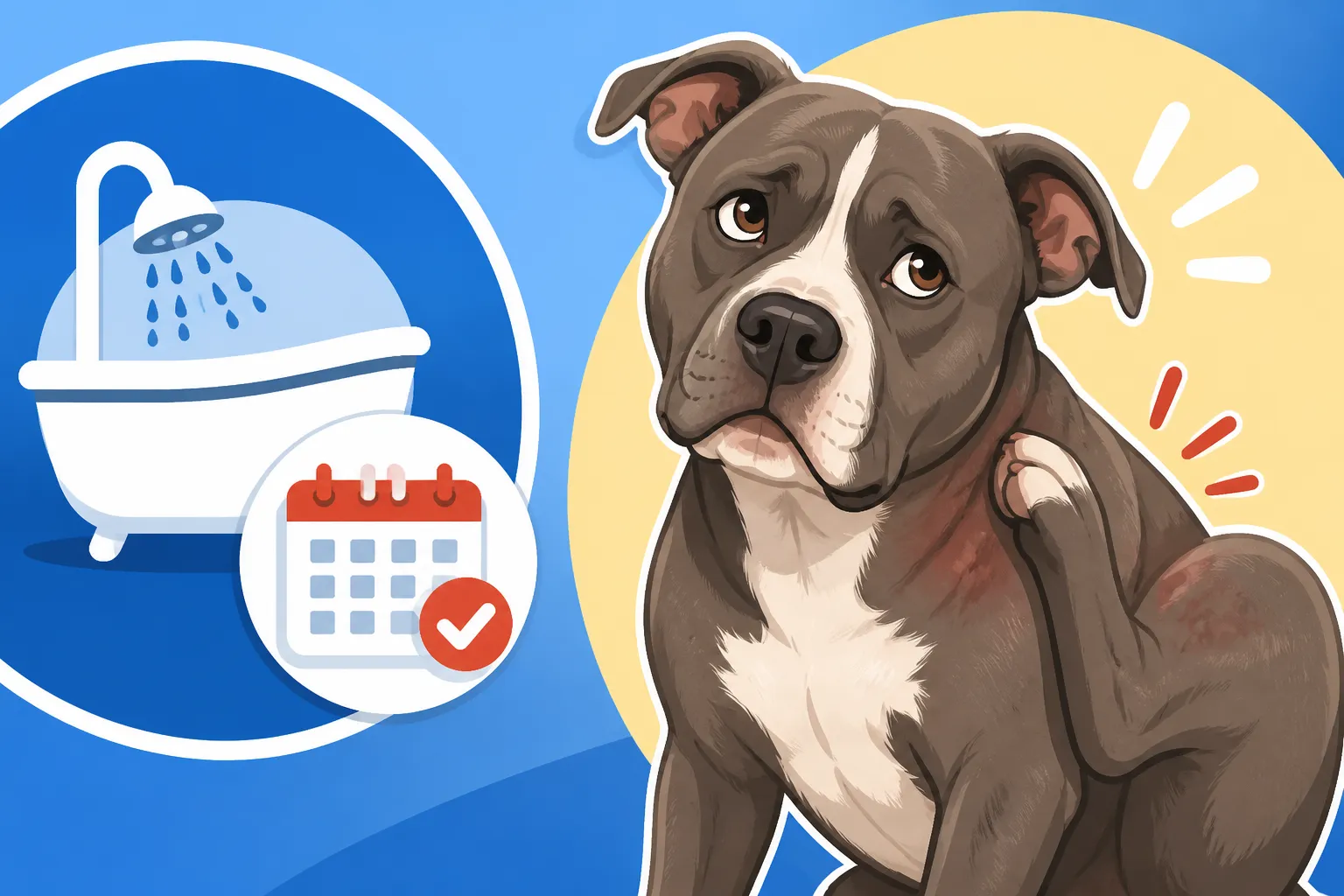
When your Pit Bull starts that frantic scratching, chewing at their paws, or rubbing their face against the carpet, it's heartbreaking to watch and even more frustrating when you don't know how to stop it. An itchy Pit Bull isn't just uncomfortable; it can lead to painful skin infections and a truly miserable existence for your beloved companion. This guide is here to walk you through how often to bathe an itchy Pit Bull, delve into why bathing is so crucial, and explore the best ways to bring lasting relief to their sensitive skin.
Understanding the Root of Your Pit Bull's Itch
Before we even get to the suds, it's vital to grasp why your Pit Bull might be itching in the first place. Bathing is a treatment, but understanding the cause helps tailor that treatment for the best results. You wouldn't put a band-aid on a broken leg, and similarly, you need to understand the underlying issue to effectively manage your Pit Bull's itchy skin.
The Allergy Connection: Atopy and Food Sensitivities
For many Pit Bulls, that relentless itching points directly back to allergies. We're often talking about environmental allergies, known as atopy, which is incredibly common in the breed. Just like us, dogs can react to pollen, dust mites, mold spores, and even certain grasses. These environmental triggers cause an immune response that manifests as skin irritation, leading to scratching, redness, and inflammation. You might notice these issues are seasonal, flaring up when certain pollens are high, or they could be year-round if dust mites are the culprit indoors. It's a frustrating battle, but knowing this is often the starting point. For more in-depth information, take a look at Pit Bull Skin Allergies and the Atopy Pattern and Pit Bull Atopy and Seasonal Itching.
Beyond environmental woes, food allergies can also play a significant role. It's not always easy to tell the difference, as both can cause similar symptoms like generalized itching, paw licking, and ear infections. Food allergies often present as year-round issues, and while environmental allergies usually start on the feet and belly, food allergies can show up anywhere. Common culprits in food can be proteins like chicken, beef, or dairy, but it really varies from dog to dog. Identifying a food allergy usually involves a strict elimination diet, which can be a long process but is often incredibly rewarding if you find the trigger. This is a topic worth exploring further in Food Allergies Behind Pit Bull Itching.
Secondary Infections: Yeast and Bacteria
When a Pit Bull scratches and chews at their skin, they inevitably break the skin barrier. This creates an open invitation for opportunistic invaders: yeast and bacteria. These aren't usually the cause of the itch, but rather a consequence of the allergic reaction. Once these secondary infections set in, they add another layer of discomfort, intensifying the itch and often leading to a truly foul smell, greasy skin, and even hair loss. Think of it like a chain reaction – allergies trigger itching, itching damages skin, damaged skin allows infections, and infections make the itching even worse.
Yeast infections, often caused by Malassezia yeast, thrive in warm, moist areas like paw pads, skin folds, and ears. The skin might look red, greasy, and feel thick, with that distinct musty, yeasty odor. Bacterial infections, or pyoderma, can present as red bumps, pustules, scabs, and patches of hair loss. Both require specific treatment, often involving antibiotics or antifungals, but medicated baths play a massive role in clearing them up topically. Ignoring these secondary infections means your Pit Bull will never truly get comfortable, no matter how much you try to soothe the underlying allergy. Understanding Yeast Infections in Pit Bull Skin Folds can be incredibly helpful here.
Determining the Ideal Bathing Frequency
Now, for the big question: how often? There's no single magic number that works for every itchy Pit Bull, because every dog's allergies and skin condition are unique. However, we can establish some guidelines and methods for finding the sweet spot for your individual companion.
Starting with a Regular Itch-Relief Schedule
For a Pit Bull suffering from active, moderate to severe itching, especially with secondary infections, a more frequent bathing schedule is often necessary at the outset. Many vets will recommend starting with baths every 2-3 days. Yes, that sounds like a lot, and it definitely takes commitment, but this initial intensive phase is crucial for several reasons. Firstly, it helps to physically wash away allergens that are sitting on the skin and coat, reducing their immediate impact. Secondly, if you're using medicated shampoos, this frequency ensures the active ingredients have consistent contact time to kill yeast, bacteria, or reduce inflammation.
Think of it as hitting the reset button on their skin. You're trying to get ahead of the inflammation and infection, to calm everything down. During this period, you'll be watching your dog closely for signs of improvement – less scratching, less redness, and a healthier smell. It's a labor of love, but seeing your Pit Bull find relief makes it all worthwhile. Remember, these initial frequent baths are typically a temporary measure to get symptoms under control.
Adjusting Based on Severity and Response
Once you start to see improvement – perhaps after a week or two of frequent bathing – you can begin to taper the frequency. This is where observation becomes key. You might try extending the time between baths to every 4-7 days. If the itching remains at bay, fantastic! You've found a good maintenance schedule. If the itching starts to creep back, you know you've stretched it too far and need to pull back to a slightly more frequent schedule. It's a delicate balance and an ongoing dialogue with your dog's body.
For Pit Bulls with chronic, well-managed allergies, a maintenance schedule often settles around once or twice a week. Some might even do well with baths every 10-14 days during calmer periods, especially if combined with other treatments like allergy medication or dietary management. The goal is to bathe just enough to keep them comfortable without over-drying their skin. This personalized approach is crucial because what works for one Pit Bull might not work for another, even if they have similar allergy types.
Factors Influencing Bathing Frequency
Several factors play into how often your itchy Pit Bull might need a bath:
- Type of Allergy: Environmental allergies (atopy) often benefit more from frequent bathing to remove surface allergens than food allergies, though medicated baths are still helpful for secondary infections in both.
- Severity of Symptoms: A Pit Bull with severe, oozing lesions and intense itching will need more frequent baths than one with mild, occasional paw licking.
- Presence of Secondary Infections: Yeast or bacterial infections absolutely demand more frequent medicated baths to get them under control.
- Shampoo Type: Medicated shampoos with active ingredients like chlorhexidine, miconazole, or oatmeal for soothing will dictate specific contact times and usage recommendations from your vet.
- Environmental Exposure: If your Pit Bull spends a lot of time outside rolling in pollen-heavy grass, you might need to wipe them down or bathe them more often, particularly during peak allergy season. Rinsing Pollen Off a Pit Bull After Walks can provide some excellent tips.
- Other Treatments: If your Pit Bull is also on oral medications like Apoquel or Cytopoint, or receiving allergy shots (immunotherapy), the bathing frequency might be less critical or can be reduced more easily. See Apoquel and Cytopoint for an Itchy Pit Bull for more on these treatments.
Here's a quick guide to help you visualize the typical progression:
| Condition | Initial Bathing Frequency (Approx.) | Maintenance Bathing Frequency (Approx.) | Key Goal |
|---|---|---|---|
| Acute, severe itching w/ infection | Every 2-3 days | Taper to 1-2 times/week | Rapidly clear infection, reduce inflammation |
| Moderate, chronic itching (no active infection) | Every 3-4 days | Once weekly | Manage allergens, prevent flare-ups |
| Mild, seasonal itching | Once weekly or as needed | Every 1-2 weeks during off-season | Remove allergens, provide comfort |
| Well-controlled allergies (on meds) | Every 7-10 days | Every 2-4 weeks | Support skin barrier, general hygiene |
Making Bath Time Effective for Itchy Skin
It's not just how often you bathe, but how you bathe that makes a difference. A rushed rinse won't cut it for an itchy Pit Bull. You need a strategic approach to ensure the bath truly helps their sensitive skin.
Choosing the Right Shampoos for Relief
This is where your veterinarian becomes your best friend. For an itchy Pit Bull, a standard "dog shampoo" from the pet store is often insufficient, and sometimes, it can even exacerbate the problem by stripping natural oils or introducing irritants. You'll likely need medicated shampoos tailored to the specific issue. For yeast or bacterial infections, your vet might prescribe a shampoo containing chlorhexidine, miconazole, or both. These ingredients are powerful antifungals and antibacterials that work wonders when used correctly.
If the primary issue is inflammation and irritation without significant infection, an oatmeal-based shampoo or one with soothing ingredients like aloe vera or ceramides can be incredibly comforting. Sometimes, your vet might recommend a combination approach: using a medicated shampoo for the first lather to address infection, followed by a soothing, moisturizing shampoo for the second lather to support the skin barrier. Brands like Douxo S3 Pyo, Malaseb, or those formulated for sensitive skin often get recommended by vets, and you can frequently find them or similar formulations on platforms like Chewy or Amazon. Always discuss shampoo choices with your vet to ensure you're using the most appropriate product for your Pit Bull's specific needs.
The Importance of Contact Time and Rinsing
This is perhaps the most overlooked aspect of an effective medicated bath. It's not enough to simply lather and rinse. For medicated shampoos to work, their active ingredients need contact time with the skin. After thoroughly wetting your Pit Bull and applying the shampoo, you need to gently massage it into their coat and skin, ensuring it reaches all the affected areas. Then, here's the kicker: leave the shampoo on for 5-10 minutes. Yes, really!
During this waiting period, you can use a distraction like a lick mat smeared with peanut butter stuck to the shower wall, or a favorite chew toy. This contact time allows the ingredients to penetrate the skin, kill pathogens, or soothe inflammation. After the waiting period, rinse, rinse, and rinse again! Any shampoo residue left on the skin can be an irritant itself, potentially leading to more itching. Rinse until the water runs completely clear and you can't feel any slickness on their coat. It might feel like you're rinsing forever, but it's critical. Check out Medicated Shampoo Contact Time on a Pit Bull for more details.
Drying Your Pit Bull Properly After a Medicated Bath
The drying process is just as important as the washing and rinsing, especially for an itchy Pit Bull. Leaving them damp, particularly in skin folds or between their toes, creates a perfect breeding ground for yeast and bacteria to return, undoing all your hard work. After a thorough rinse, gently squeeze excess water from their coat. Then, use soft, absorbent towels to blot them as dry as possible. Avoid vigorous rubbing, which can irritate already sensitive skin.
If your Pit Bull tolerates it, a low-heat hairdryer can be incredibly effective, but ensure you keep it moving and don't hold it too close to one spot to prevent burning. Pay special attention to their armpits, groin, belly, and paw pads – anywhere moisture can linger. If they have any wrinkles, make sure those are completely dry. Air drying might seem convenient, but it's a gamble with sensitive skin. A truly dry dog is a happier dog, and it sets the stage for a healthy skin barrier. Find more tips on this in Drying a Pit Bull After a Bath.
Complementary Approaches to Soothe Itchy Skin
Bathing is a powerful tool, but it's rarely the only tool needed in the fight against an itchy Pit Bull's discomfort. A holistic approach that combines bathing with other strategies offers the best chance for long-term relief.
Dietary Support and Supplements
What goes into your Pit Bull's body is just as important as what goes on it. For many itchy Pit Bulls, dietary changes and supplements can significantly improve skin health. If food allergies are suspected, working through an elimination diet with your vet is paramount. This often means feeding a novel protein or hydrolyzed protein diet for several weeks to see if symptoms resolve. You can find specialty veterinary diets through your vet, or explore limited ingredient options from reputable brands.
Beyond allergy management, certain supplements can bolster skin barrier function and reduce inflammation. Omega-3 fatty acids, particularly EPA and DHA, are renowned for their anti-inflammatory properties and ability to support a healthy coat and skin. You can often find these as fish oil supplements. Probiotics can also aid gut health, which is intricately linked to immune function and skin health. Always discuss any supplements with your veterinarian to ensure they are appropriate and dosed correctly for your Pit Bull. Omega Oils for Pit Bull Skin and Coat has excellent information on this topic. Even quality foods, like those offered by Ollie, often incorporate beneficial fatty acids for skin health.
Environmental Management and Regular Wiping
While we can't eliminate every allergen, we can certainly minimize exposure. If your Pit Bull is allergic to pollen, try to limit outdoor activities during peak pollen times, especially in the morning and late afternoon. When they do come inside after being outdoors, a quick wipe-down with a damp cloth, or even just rinsing their paws and belly, can dramatically reduce the amount of pollen they track into the house and onto their skin. This simple step can really make a difference.
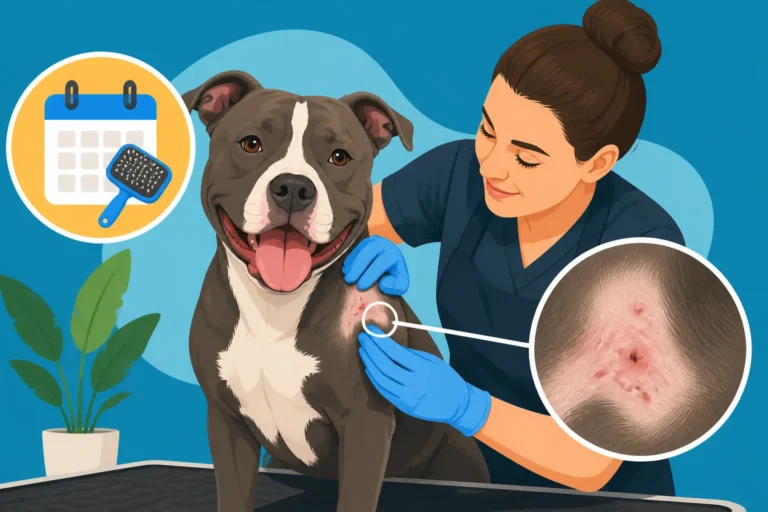
For dust mite allergies, regular vacuuming (especially with a HEPA filter), washing their bedding in hot water weekly, and using allergen-proof covers on their beds can help. Air purifiers can also be beneficial in reducing airborne allergens indoors. Remember, every little bit of allergen reduction helps ease the burden on their immune system, leading to less itching. Regularly inspecting their skin, especially in common allergy hot spots like paws, armpits, and groin, during weekly Pit Bull Skin Checks During Weekly Grooming can help you catch early signs of irritation before they escalate.
Working with Your Veterinarian for Comprehensive Care
Ultimately, managing an itchy Pit Bull is a team effort between you and your veterinarian. They can help accurately diagnose the cause of the itching, whether it's atopy, food allergies, mites, or another underlying condition. They'll also guide you on the most appropriate medicated shampoos, oral medications (like antihistamines, steroids, Apoquel, or Cytopoint), or advanced treatments like immunotherapy (allergy shots).
Don't hesitate to schedule follow-up appointments, especially when you're trying to establish a bathing routine or adjusting medications. Itching is complex, and it often requires a multi-faceted approach and ongoing adjustments. Your vet can also rule out other skin conditions or systemic illnesses that might present with itching. They are your best resource for navigating the challenges of a chronically itchy Pit Bull and ensuring your furry friend gets the most effective and compassionate care possible.
Disclaimer
This article is for general informational purposes only and does not constitute professional advice. Laws, prices and regulations vary by location and change over time. Consult a qualified professional for guidance on your specific situation.