Feeding a Muscular Fifty Pound Pit Bull
It’s a common challenge: you look at your powerful, energetic Pit Bull, a solid 50 pounds of muscle, and wonder if you're truly fueling them right. Many of us grapple with confusing advice on calorie counts, the 'best' dog foods, and how to maintain that athletic build without over or underfeeding. This guide is here to cut through the noise, offering practical, empathetic advice on how to feed your muscular 50-pound Pit Bull to keep them thriving, healthy, and full of life.
Understanding Your Pit Bull's Unique Nutritional Needs
When you have a Pit Bull, you're not just looking at a "50-pound dog"; you're looking at a compact powerhouse, often dense with lean muscle. This unique physiology means their nutritional needs, especially regarding caloric intake and macronutrient balance, can differ significantly from other breeds of the same weight. It's not just about filling a bowl; it's about providing the right fuel for their robust bodies.
Beyond the "Fifty Pound" Label: Muscle vs. Fat
The scale can be a deceptive friend when it comes to Pit Bulls. Fifty pounds on a lean, active Pit Bull often looks and feels vastly different from 50 pounds on a less muscular or different breed of dog. Because they're naturally prone to developing significant muscle mass, it's easy to misinterpret their body condition. You might see a strong, solid dog and assume they're at an ideal weight, when in reality, they could be carrying a little extra padding underneath that impressive musculature.
That's why relying solely on weight is a trap many owners fall into. Instead, we need to become adept at body condition scoring (BCS). This involves a hands-on approach: you should be able to easily feel your dog's ribs, but not see them prominently. When viewed from above, your Pit Bull should have a discernible waistline, an hourglass shape just behind the rib cage. From the side, their abdomen should tuck up slightly, rather than hanging low or appearing distended. If you find yourself having to press firmly to feel the ribs, or if that waistline is missing, it’s a clear sign your dog might be closer to 50 pounds of fat and muscle, rather than purely lean muscle, and it's time to consider adjusting their intake. This nuanced understanding is crucial for ensuring your dog has a healthy Pit Bull Weight and Muscle on a Working Frame.
Calorie Targets for an Active Pit Bull: The Energy Equation
Figuring out the exact calorie target for your Pit Bull can feel like trying to solve a complex math problem, especially when every food bag seems to offer conflicting guidelines. A 50-pound active Pit Bull typically needs a calorie intake higher than a sedentary dog of the same size because their metabolism is often geared for more intense activity. Factors like age, their actual activity level (are they a daily hiker or a couch potato?), and whether they are spayed or neutered all play a significant role. For instance, a neutered dog often has a slightly lower metabolic rate than an intact one, meaning they might require fewer calories to maintain the same weight.
While calculating a precise daily energy requirement (DER) involves a formula (often starting with a basal metabolic rate and multiplying by an activity factor), a good general starting point for a lean, active 50-pound Pit Bull might fall somewhere between 1200 to 1800 calories per day. This is a wide range because activity levels vary so much. A Pit Bull who enjoys intense daily runs or dog sports will naturally need more fuel than one whose exercise consists of a leisurely walk around the block. It’s always best to start with a calculated estimate or a vet’s recommendation and then adjust based on how your dog's body condition changes over a few weeks. Think of it as a living equation: if your Pit Bull starts to get a little squishier, dial back the calories; if they're looking too thin or lacking energy, you might need to slightly increase their intake. This dynamic approach ensures they're always getting exactly what they need for their current lifestyle. You can also explore Feeding a Pit Bull That Trains Every Day for more specific calorie adjustments.
Choosing the Right Diet for Muscle Maintenance and Health
Selecting the perfect food for your Pit Bull can feel overwhelming with the sheer number of options on the market. From kibble to fresh food, limited ingredient diets to raw, each promises the world. But for a muscular, active Pit Bull, the focus needs to be on quality ingredients that support their robust physique and overall health, helping them maintain that powerful build and vibrant energy.
High-Quality Protein: The Building Block
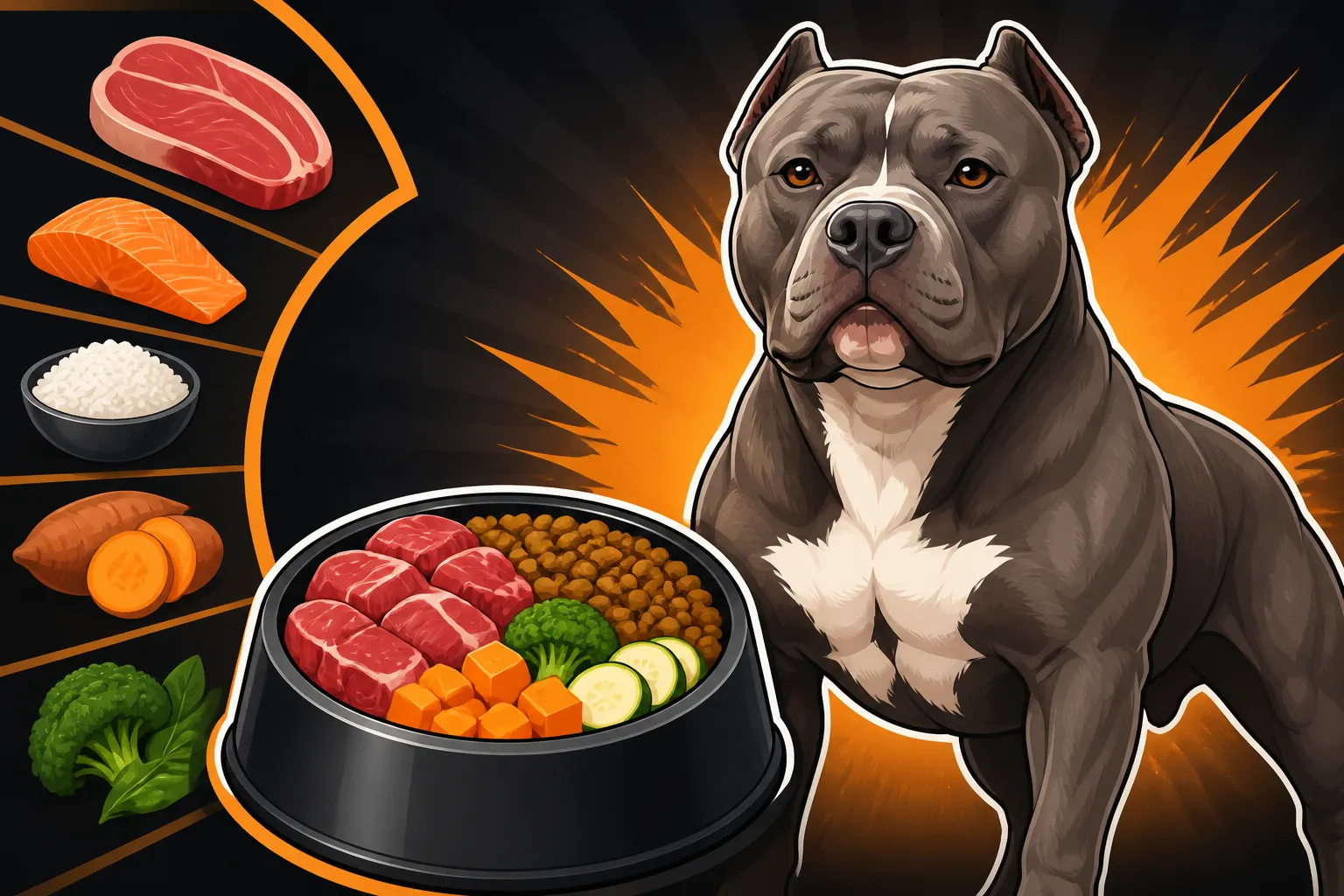
For a Pit Bull, protein isn't just a component of their diet; it's the fundamental building block for maintaining their impressive musculature. You want to see high-quality, animal-based protein sources listed prominently as the first few ingredients on any dog food bag. Think real meats like chicken, beef, lamb, turkey, or fish. These provide the essential amino acids crucial for muscle repair, growth, and overall vitality. When scanning ingredient lists, be wary of foods where the primary protein source is plant-based or consists mainly of vague "meat meals" without specifying the animal source.
While some worry about "by-products," it's worth noting that not all by-products are created equal. High-quality meat by-products, like organ meats, can be incredibly nutritious, offering a wealth of vitamins and minerals. The key is transparency from the brand. Look for clear indications of the protein sources. A good example is a brand like Purina Pro Plan Sport or Hill's Science Diet, which consistently use high-quality animal proteins as their primary ingredients, formulated to support active dogs. Ensuring your Pit Bull gets sufficient, digestible protein will directly contribute to their strength and endurance, preventing muscle wastage and supporting their active lifestyle.
Fats for Energy and a Healthy Coat: Essential Fatty Acids
Don't let the word "fat" scare you away; healthy fats are absolutely critical for your Pit Bull's energy levels, cellular function, and, perhaps most visibly, their skin and coat health. These aren't just empty calories; they're concentrated sources of energy that power your dog through their day and provide essential fatty acids. Omega-3 and Omega-6 fatty acids, in particular, play vital roles. Omega-3s, often found in fish oil, flaxseed, and some plant oils, are known for their anti-inflammatory properties, which can be fantastic for joint health and keeping skin irritation at bay. Omega-6s, found in chicken fat and many vegetable oils, are crucial for maintaining a healthy skin barrier and a shiny coat.
The right balance of these fats contributes significantly to that characteristic Pit Bull gleam – a short, sleek coat that reflects good health from the inside out. Without adequate healthy fats, you might notice a dull coat, dry skin, or even flakiness. Many high-quality foods will include sources like chicken fat, salmon oil, or flaxseed. If your chosen food is a bit lean on these, supplements are an option, but always discuss with your vet first. You can find a wide variety of high-quality foods and supplements, including fish oils from trusted brands, readily available on platforms like Chewy, making it easy to ensure your Pit Bull's diet is rich in these vital nutrients. For a deeper dive into these beneficial oils, check out Omega Oils for Pit Bull Skin and Coat.
Carbohydrates and Fiber for Sustained Energy and Digestion: Balanced Approach
While protein and fat often steal the spotlight, carbohydrates and fiber play essential supporting roles in your Pit Bull’s diet, providing sustained energy and supporting a healthy digestive system. The key here is quality carbohydrates. We're talking about complex carbs like sweet potatoes, brown rice, oats, and barley – not cheap fillers like corn or wheat in excessive amounts, which can sometimes contribute to sensitivities in some dogs. These complex carbohydrates break down slowly, offering a steady release of glucose that fuels your Pit Bull's muscles and brain throughout the day, preventing energy crashes.
Fiber, often found alongside these complex carbs, is equally important. It acts as a scrub brush for the digestive tract, promoting regular bowel movements and supporting a healthy gut microbiome. A well-functioning digestive system is crucial for nutrient absorption, ensuring your Pit Bull gets all the goodness from their food. Without adequate fiber, you might see irregular stools or signs of an unhappy tummy. When evaluating food, look for ingredients that indicate whole grains or nutrient-rich vegetables high in fiber. A balanced diet isn't just about packing in protein; it's about a synergistic blend of all macronutrients to optimize your muscular Pit Bull's overall health and performance. If you're considering alternative diets, you might want to read Whether a Raw Diet Suits a Pit Bull for a different perspective on carb intake.
Feeding Strategies and Portion Control
Once you've chosen a high-quality food, how you actually deliver it to your Pit Bull is just as important as what's in the bag. Effective feeding strategies, particularly diligent portion control, are paramount for maintaining a healthy weight and preventing common digestive issues in a muscular, active dog. It’s about creating a consistent routine that supports their metabolism and well-being.
Measuring Meals Accurately: The Weighing Game
This might sound overly precise, but trust me, it’s a game-changer for Pit Bull owners. Those scoops that come with dog food bags? They're often inconsistent, and even slight variations can add up to significant calorie differences over time. For a dog that's prone to gaining muscle (and sometimes a little extra fat if not managed), even a quarter-cup difference each day can lead to unwelcome weight creep. This is why I always recommend investing in a simple, affordable kitchen scale. Weighing your Pit Bull's food in grams ensures you're giving them the exact same portion every single time, making it much easier to track their intake and adjust as needed.
Think about it: if your dog's ideal weight is 50 pounds, and they need, say, 1500 calories a day, a consistent measure ensures you hit that target. If you notice they're starting to look a little thick around the middle during your weekly body condition check, you can precisely dial back the food by 10-20 grams and monitor the results. This level of consistency takes the guesswork out of feeding and provides invaluable data for you and your vet. It's a small habit that yields big results for your Pit Bull's long-term health and physique.
Scheduled Meals vs. Free-Feeding: Structure and Digestion
For an active, muscular Pit Bull, scheduled meals are almost always the superior choice over free-feeding. "Free-feeding" means leaving food out all day for your dog to graze, and while it might seem convenient, it presents several drawbacks for Pit Bulls. Firstly, it makes portion control impossible, increasing the risk of overeating and obesity. Secondly, it can mask potential health issues; if your dog stops eating for a day, you might not notice immediately if food is always available.
Scheduled meals, typically two meals a day for an adult Pit Bull (morning and evening), offer immense benefits. This routine helps regulate their metabolism, supports a consistent digestive process, and can even aid in house training. More critically for deep-chested breeds like Pit Bulls, scheduled meals with a resting period afterward can help reduce the risk of bloat, a life-threatening condition. By providing meals at predictable times, you can also better monitor their appetite, which is a strong indicator of their overall health. If your dog suddenly turns their nose up at a meal, you’ll know something might be amiss. This structured approach fosters good habits, supports optimal digestion, and gives you more insight into your dog's well-being.
Adjusting Portions Based on Activity and Body Condition: Dynamic Feeding
Your Pit Bull's caloric needs aren't static; they fluctuate with their activity levels, age, and even the seasons. That’s why rigid portioning without adjustment is a recipe for either a pudgy pup or a perpetually hungry hound. A Pit Bull who spent the weekend hiking miles with you in the mountains will undoubtedly require more fuel than one who spent it mostly napping on the couch due to a rainy forecast. This calls for a dynamic feeding approach, where you actively observe your dog's body condition and energy levels, adjusting their food intake accordingly.
Regular body condition checks, like feeling their ribs and observing their waistline weekly, are your best tools. If they’ve had a particularly active week, you might add an extra small portion to their evening meal or slightly increase their overall daily allowance for a few days. Conversely, if an injury or bad weather has led to a less active period, subtly reducing their intake will prevent unnecessary weight gain. Think of their food as their energy currency – you give them more when they spend more. Always make small, gradual adjustments over a week or two rather than drastic changes overnight. This prevents digestive upset and allows you to accurately gauge the impact of your adjustments. It’s an ongoing conversation between you, your dog, and their food bowl, ensuring they always have the optimal fuel for their lifestyle.
Special Considerations for Pit Bulls
Pit Bulls, while generally robust, do come with certain predispositions that owners should be mindful of when it comes to their diet and overall care. Being proactive about these potential issues can save you a lot of heartache (and vet bills!) down the road.
Food Allergies and Sensitivities: Spotting the Signs
It’s a frustrating reality for many Pit Bull owners: chronic itching, paw licking, ear infections, and skin irritation. While environmental allergies (atopy) are very common in this breed, food allergies and sensitivities can also play a significant, often overlooked, role. Common culprits often include proteins like chicken, beef, or dairy, and sometimes grains like wheat or soy. The frustrating part is that the symptoms often mirror environmental allergies, making diagnosis a true puzzle. Beyond skin issues, a food sensitivity might manifest as gastrointestinal upset – loose stools, vomiting, or excessive gas. You might also notice your Pit Bull obsessively licking their paws or scratching at their ears, leading to recurring Pit Bull Ear Infections and Allergy Links.
Identifying a food allergy usually requires an elimination diet, also known as a food trial. This involves feeding your dog a novel protein (one they’ve never eaten before, like duck, venison, or rabbit) and a single carbohydrate source for an extended period, typically 8-12 weeks, with absolutely no other treats or flavored medications. It’s a commitment, but it’s often the most reliable way to pinpoint dietary triggers. Brands like Ollie, which offer fresh, custom-portioned meals with novel protein options, can be incredibly helpful for conducting a strict food trial, as they minimize potential cross-contamination and provide balanced nutrition. If you suspect food allergies, discussing an elimination diet with your vet is the crucial first step. You can also dive deeper into this topic by reading Food Allergies Behind Pit Bull Itching.
Joint Health Support: Proactive Care
Given their muscular build and active nature, Pit Bulls can be prone to joint issues, especially as they age. Maintaining a lean, healthy weight is hands-down the most impactful thing you can do to protect their joints throughout their lives. Every extra pound your Pit Bull carries puts disproportionate strain on their hips, elbows, and knees, accelerating wear and tear and potentially exacerbating conditions like hip or elbow dysplasia. This isn’t just about comfort; it's about preserving their mobility and quality of life for years to come.
Beyond weight management, certain nutritional supplements can offer proactive support. Glucosamine and chondroitin, often found together, are popular choices believed to support cartilage health. MSM (methylsulfonylmethane) is another supplement known for its anti-inflammatory properties, which can help reduce joint discomfort. Omega-3 fatty acids, as discussed earlier, also contribute to reducing inflammation throughout the body, including in the joints. While supplements aren't a magic bullet and won't cure existing severe joint disease, they can certainly play a role in prevention and management when started early. Always consult your veterinarian before adding any supplements to your Pit Bull's regimen to ensure they're appropriate and correctly dosed for your specific dog. For more detailed information on supporting their powerful frame, refer to Joint Support for a Heavily Muscled Pit Bull.
Bloat Risk Gastric Dilatation-Volvulus: Prevention is Key
It's every deep-chested dog owner's nightmare: bloat, or Gastric Dilatation-Volvulus (GDV). While any dog can experience bloat, deep-chested breeds like many Pit Bull types are considered at higher risk. This life-threatening condition occurs when the stomach fills with gas and twists, trapping food and gas, and cutting off blood flow. It's a medical emergency that requires immediate veterinary intervention. Symptoms include a distended abdomen, unproductive retching, pacing, drooling, and signs of extreme discomfort or pain.
While the exact cause isn't fully understood, several feeding practices are thought to help reduce the risk. Feeding multiple smaller meals throughout the day (instead of one large meal) is often recommended. Avoiding vigorous exercise or excitement immediately before and after meals is also crucial – give your Pit Bull at least an hour of rest before and after eating. Some owners use slow-feeder bowls, which force the dog to eat more slowly and ingest less air. The use of raised bowls has been a topic of debate; some studies have suggested it might increase risk, while others show no clear link, so discuss this with your vet. Regardless, knowing the signs and taking preventive measures with your Pit Bull's feeding routine is absolutely critical for their safety. For a deeper understanding of this risk, read Why a Pit Bull Chest Raises Bloat Risk.
Integrating Treats and Supplements Wisely
In the world of feeding your muscular 50-pound Pit Bull, it’s not just about their main meals. Treats and supplements also play a role, whether for training, rewarding, or providing targeted health benefits. However, like everything else in their diet, these need to be chosen and integrated wisely to avoid undoing all your hard work in balanced nutrition.
Treats as Training Tools: Mindful Snacking
Treats are invaluable tools for training your intelligent and motivated Pit Bull. They can be powerful motivators for teaching new commands, reinforcing good behavior, and generally making your dog happy. However, it’s easy to get carried away, and those handfuls of tasty morsels can quickly add up in terms of calories. Many owners inadvertently contribute to their Pit Bull’s weight gain by not accounting for treat calories. A single larger treat can have as many calories as a small meal!
The key is mindful snacking. For training sessions, opt for small, pea-sized, low-calorie treats that are highly palatable. You can even break larger treats into tiny pieces to stretch them further. Consider using pieces of their regular kibble for routine training, saving the higher-value treats for more challenging tasks or extra special rewards. Always factor treats into your Pit Bull’s daily caloric intake. If you're giving a lot of treats, slightly reduce their main meal portions to compensate. This approach allows you to effectively use treats as training aids without compromising their healthy weight and balanced diet. You can find some excellent ideas for Treats Small Enough for Repeated Pit Bull Training that won't pack on the pounds.
When and What Supplements to Consider: Targeted Support
The supplement aisle (or online store) for dogs can be a dizzying place, filled with enticing promises. For a muscular Pit Bull, specific supplements might be beneficial, but it's crucial to approach them with a "less is more" mindset and always with veterinary guidance. As we discussed, Omega-3 fatty acids (like fish oil) can support skin, coat, and joint health, especially for Pit Bulls prone to allergies or those with an active lifestyle. Probiotics can be helpful for gut health, particularly if your dog has a sensitive stomach or has recently been on antibiotics. Joint supplements like glucosamine and chondroitin are often considered for active dogs or those showing early signs of joint stiffness.
However, it's vital to remember that a high-quality, balanced dog food should already provide most of the necessary vitamins and minerals. Randomly adding supplements without a specific need can sometimes do more harm than good, potentially leading to nutrient imbalances. Before you introduce any new supplement, have a thorough discussion with your veterinarian. They can help you identify if there’s a genuine need, recommend reputable brands, and advise on the correct dosage for your specific Pit Bull. Remember, pet insurance from Healthy Paws can be a lifesaver for unexpected vet bills related to chronic conditions or necessary ongoing supplements prescribed by your vet. It's about targeted support, not just throwing everything at the problem. For more on what to look for and what to skip, explore Which Pit Bull Supplements Are Marketing.
Comparing Common Protein Sources for Pit Bulls
| Protein Source | Common Benefits | Notes for Pit Bulls |
|---|---|---|
| Chicken | Highly palatable, lean protein, widely available | Very common allergen for sensitive Pit Bulls. Often a primary ingredient in many dog foods. |
| Beef | Rich in iron and B vitamins, good for muscle growth | Another common allergen. Can be higher in fat, so choose lean cuts or formulations carefully. |
| Lamb | Often a "novel protein" for dogs with chicken/beef allergies | Generally considered less allergenic, but not always. Good source of amino acids and minerals. |
| Salmon/Fish | Excellent source of Omega-3 fatty acids, lean protein | Great for skin and coat health, and joint support. Less common allergen. |
| Turkey | Lean, easily digestible protein, often used in LID* | A good alternative if chicken is an issue. |
| Duck | True "novel protein" for many dogs, rich in nutrients | Excellent choice for elimination diets. Can be more expensive and less widely available. |
| Venison | Very lean, novel protein, low in fat and cholesterol | Ideal for dogs with multiple sensitivities or weight management needs. Higher cost. |
*LID = Limited Ingredient Diet
Disclaimer
Please remember that this guide offers general information and recommendations. Every Pit Bull is an individual, and what works for one may not work for another. Always consult with your trusted veterinarian or a board-certified veterinary nutritionist before making significant changes to your dog's diet, exercise routine, or supplement regimen. They can provide personalized advice based on your Pit Bull's specific health needs, age, and activity level.