Feeding a Pit Bull Puppy to Fifty Pounds
Bringing a Pit Bull puppy into your home is an incredibly exciting time, but it also comes with a big responsibility, especially when it comes to feeding them right. Many new owners worry about ensuring their active, fast-growing pup gets the best start, particularly when aiming for that lean, muscular 50-pound adult frame without overdoing it. This comprehensive guide will walk you through everything you need to know about feeding your Pit Bull puppy, from understanding their unique nutritional needs to mastering portion control and navigating common challenges, helping you set them up for a lifetime of health and vitality.
Understanding Pit Bull Puppy Growth and Nutritional Needs
Your Pit Bull puppy isn't just a tiny version of an adult dog; they are a creature in an intense state of development, and their nutritional needs are profoundly different from a fully grown dog. Getting this right from the start is absolutely crucial, as it lays the foundation for their entire adult life. It's not just about filling their belly; it's about providing the exact building blocks for strong bones, healthy muscles, and a robust immune system.
The Rapid Growth Phase: What to Expect
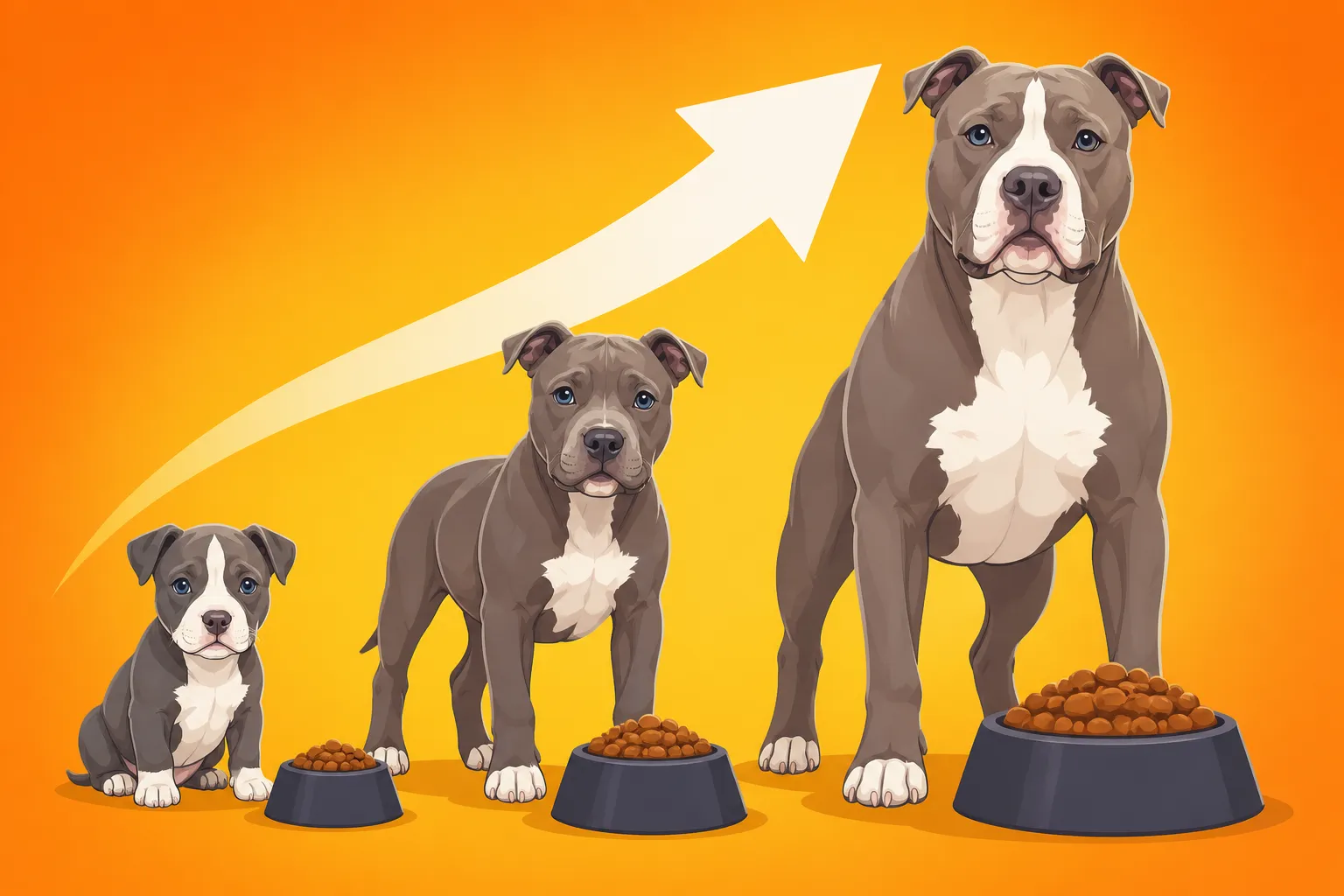
Pit Bull puppies grow incredibly fast, especially in their first six to twelve months. This rapid growth spurt means their bones, joints, and organs are developing at an astonishing rate. Think about it: a tiny eight-week-old fluff ball will transform into a sturdy, powerful 50-pound dog in little over a year. This critical window for bone and joint development is where good nutrition becomes paramount. Any missteps here, like feeding an unbalanced diet or pushing for too-rapid weight gain, can have lasting negative consequences, potentially contributing to issues like hip dysplasia or other orthopedic problems down the line.
During these formative months, your puppy's skeletal structure is still relatively soft and vulnerable. Their growth plates, the areas of developing tissue at the ends of long bones, are open and can be easily damaged by excessive weight or impact. This is why careful management of growth, not just growth itself, is so important. We're aiming for steady, controlled growth, not a sprint to the finish line. Overfeeding, in particular, can accelerate growth beyond what their developing skeletal system can comfortably handle, putting undue stress on vulnerable joints and increasing the risk of developmental orthopedic diseases.
It’s easy to look at a chunky puppy and think they’re thriving, but for breeds like Pit Bulls, that extra puppy fat often translates to unnecessary strain on rapidly forming joints. Instead, we want to see a lean, athletic build, even in puppyhood. Their ribs should be easily felt, but not seen, and they should have a discernible waist when viewed from above. This focus on controlled growth helps ensure that their bones and joints mature at a healthy pace, giving them the best chance for a sound, active adult life.
Calorie Requirements: Balancing Energy and Growth
A growing Pit Bull puppy burns a lot of calories! They're little bundles of energy, constantly exploring, playing, and, crucially, building new cells. However, more energy doesn't automatically mean more food. One of the biggest mistakes owners make is overfeeding, believing it will make their puppy bigger and stronger. In reality, excess calories can lead to unhealthy, rapid growth, which is precisely what we want to avoid for their developing joints. This is especially true for large and medium-large breeds like Pit Bulls.
The key is to provide enough calories to support healthy, steady growth without promoting obesity or an overly fast growth rate. This is where "large breed puppy" formulas truly shine. These specialized diets are specifically formulated with a slightly lower calorie density and, critically, carefully balanced calcium and phosphorus levels. This balance helps to slow down the growth rate just enough to allow their skeletal system to mature properly, reducing the risk of conditions like Pit Bull Hip Dysplasia Showing at One to Two Years.
Your puppy's individual calorie needs will also fluctuate based on their age, activity level, and metabolism. A particularly rambunctious puppy who spends hours romping in the yard will naturally burn more calories than a more sedate sibling. As they get older, their metabolism might start to slow a little, and their energy demands might shift. It’s a dynamic process, and you’ll need to adjust their food intake accordingly, always keeping an eye on their body condition rather than just sticking to the bag's recommendations blindly. Remember, those guidelines are just a starting point.
Protein and Fat: Fueling Muscle and Development
For a breed like the Pit Bull, known for its powerful, athletic build, getting the right balance of protein and fat is absolutely critical. Protein is the fundamental building block for muscles, tissues, enzymes, and hormones – essentially, everything that makes your puppy grow strong and healthy. High-quality animal-based protein sources are essential for a Pit Bull puppy, as they provide the necessary amino acids for developing that distinctive lean muscle mass. Look for ingredients like chicken, beef, lamb, or fish listed prominently at the top of the ingredient list.
Fats, often misunderstood, are an equally vital component of your puppy's diet. They are a concentrated source of energy, providing more than twice the calories per gram compared to protein or carbohydrates. Healthy fats, particularly Omega-3 and Omega-6 fatty acids, are crucial for brain development, a healthy immune system, and, very visibly, for maintaining a lustrous coat and supple skin. Given that Pit Bulls can be prone to skin sensitivities, good fats play an important preventative role.
The appropriate percentages for these macronutrients in puppy food for a Pit Bull will typically fall within ranges suitable for large breed puppies. Generally, you'll be looking for protein levels around 25-30% and fat content in the 12-18% range. These figures are higher than adult dog food but are balanced within large breed formulations to support rapid, yet controlled, growth. Always check the guaranteed analysis on your chosen food bag. These percentages, combined with a healthy carbohydrate source, ensure your puppy gets the well-rounded nutrition needed to develop into a strong, healthy adult.
Choosing the Right Puppy Food for a Pit Bull
When you're standing in the pet food aisle, or scrolling through endless options online, the sheer volume of choices can be overwhelming. For your Pit Bull puppy, selecting the right food isn't just a casual decision; it's one of the most impactful choices you'll make for their long-term health. Given their unique growth patterns and physical characteristics, a discerning eye is definitely needed.
Large Breed Specific Formulas: Why They Matter
I cannot stress this enough: for a Pit Bull puppy, a large breed specific puppy formula is usually the way to go. Why? Because these foods are expertly crafted to manage their accelerated growth rate. A common misconception is that all puppy foods are created equal, but that's simply not true. Standard puppy foods often have higher calorie counts and, critically, higher levels of calcium and phosphorus, designed for smaller, faster-maturing breeds. While this is great for a Chihuahua, it can be detrimental to a Pit Bull.
For Pit Bulls, a controlled growth rate is paramount to prevent orthopedic issues. Large breed puppy formulas achieve this by adjusting the calorie density and, most importantly, the calcium-to-phosphorus ratio. An excess of calcium can interfere with proper bone development, leading to conditions like osteochondritis dissecans (OCD), where cartilage fails to properly convert to bone. These specialized formulas aim for a calcium level typically between 0.8% and 1.2% (dry matter basis), with an appropriate phosphorus ratio, ensuring bones grow strong and dense at a more measured pace.
When you're looking at food bags, specifically seek out phrases like "large breed puppy formula," "for puppies over 50 lbs at maturity," or "controlled growth formula." Don't just assume a general "puppy" label is sufficient. Reading the fine print and understanding the nutritional goals behind these formulations will empower you to make an informed choice that truly supports your Pit Bull's unique developmental needs. Whether a Pit Bull Puppy Needs Large Breed Food
Dry Kibble Versus Other Options: Pros and Cons
The world of dog food has expanded dramatically, offering more choices than ever before. For many Pit Bull owners, high-quality dry kibble remains a popular and excellent choice, and for good reason. It's convenient, cost-effective, and when chosen carefully, provides complete and balanced nutrition. The abrasive texture of kibble can also offer some minor dental benefits, helping to scrape away plaque as your puppy chews. You can find excellent large breed kibble options from major retailers like Chewy, making it easy to have food delivered right to your door.
However, dry kibble isn't the only option, and some owners explore alternatives. Fresh food diets, often gently cooked or raw, are gaining popularity. Brands like Ollie offer pre-portioned, human-grade fresh food, which can be highly palatable and digestible for some puppies. The perceived benefits often include better hydration, improved coat condition, and fewer digestive issues. However, the biggest "con" for fresh or home-cooked diets, especially for a rapidly growing puppy, is the challenge of ensuring complete nutritional balance. It is incredibly difficult to perfectly balance all the necessary vitamins, minerals (especially calcium and phosphorus), and macronutrients at home, and imbalances can have serious health repercussions during development.
If you're considering a fresh, raw, or home-cooked diet for your Pit Bull puppy, it is absolutely essential to work closely with a board-certified veterinary nutritionist. They can formulate a diet specific to your puppy's needs that is truly balanced and safe for their growth. Without expert guidance, you risk serious deficiencies or excesses that could compromise your puppy's skeletal and overall health. For most owners, a high-quality, commercially prepared large breed puppy kibble provides the safest and most reliable pathway to proper nutrition.
Ingredient Quality and Avoiding Common Fillers
Reading an ingredient label can feel like deciphering a foreign language, but for your Pit Bull puppy, it's a vital skill. High-quality ingredients are paramount. What you want to see at the top of the list, indicating the primary components, are whole, identifiable animal protein sources. Think "chicken meal," "deboned salmon," "lamb," or "beef." These are far superior to vague terms like "meat by-products" or "animal digest," which can indicate lower quality or inconsistent sources. Good quality protein directly supports the development of your Pit Bull's powerful muscles and overall robust health.
Beyond protein, look for healthy, identifiable fat sources such as chicken fat, salmon oil, or flaxseed. These provide essential fatty acids critical for skin, coat, and brain development. Complex carbohydrates like brown rice, oats, barley, or sweet potatoes are excellent energy sources, providing sustained energy rather than quick sugar spikes. Avoid foods that list corn, wheat, or soy as primary ingredients, especially if your puppy shows any signs of sensitivity, as these are common allergens for some dogs. While not inherently bad, their prevalence as primary ingredients often signals a lower overall nutritional density in comparison to meat-first foods.
Transparency from food manufacturers is also a good sign. Brands that clearly list where their ingredients are sourced from, and provide detailed nutritional information, often demonstrate a commitment to quality. Be wary of foods making extravagant claims without the substance to back them up, or those heavily reliant on generic "fillers" that offer little nutritional value. Your Pit Bull puppy deserves ingredients that actively contribute to their growth and well-being, not just fill them up. What to Check on a Pit Bull Food Bag
Establishing a Feeding Schedule and Portion Control
Getting the right food is only half the battle; knowing how much and when to feed your Pit Bull puppy is equally important. A consistent schedule and precise portion control are your secret weapons in ensuring healthy growth and preventing common issues like obesity or digestive upset. This isn't just about convenience for you; it's about providing stability for your pup's developing digestive system and metabolism.
Puppy Feeding Frequency: From Weaning to Adulthood
When you first bring your Pit Bull puppy home, likely around eight to ten weeks of age, they'll need to eat frequently due to their small stomach size and rapid metabolism. Typically, young puppies will thrive on three to four meals per day. This helps keep their blood sugar stable, provides a steady supply of nutrients for growth, and is easier on their digestive system than one or two large meals. Imagine trying to eat your entire day's calories in one sitting – it would be tough!
As your Pit Bull puppy grows and their digestive system matures, you can gradually reduce the feeding frequency. By around three to six months, many puppies transition comfortably to three meals a day. Then, typically between six and twelve months, depending on their individual growth rate and your vet's advice, you can shift to two meals a day, which is the standard for most adult dogs. This gradual reduction helps them adapt without stress or hunger pangs. Consistency is key here; try to feed them at roughly the same times each day. This not only aids digestion but also helps with house training, as you can better predict when they’ll need a potty break after eating. How Often a Pit Bull Puppy Should Eat
It's also worth noting that some puppies, especially very young ones, might "graze" a bit if food is left out all day. However, free-feeding is generally not recommended for Pit Bulls or any breed prone to rapid growth or obesity. It makes portion control impossible, can lead to overeating, and doesn't allow you to monitor their appetite, which is an important indicator of health. Sticking to scheduled meals helps you manage their intake and observe their eating habits.
Accurate Portion Measurement: Avoiding Under and Overfeeding
This is where many well-intentioned owners inadvertently go wrong: guessing at portions. When the food bag says "2 cups," it’s incredibly tempting to just scoop it out with any old measuring cup from the kitchen. However, standard kitchen measuring cups are notoriously inaccurate for dog kibble, and scoop sizes vary wildly. The difference of even a quarter or half a cup per meal, especially over several months, can mean hundreds of extra calories a day, leading to unwanted weight gain and stress on those developing joints.
For a Pit Bull puppy, precise portion measurement is non-negotiable. The best tool you can invest in is an inexpensive digital kitchen scale. Weighing your puppy's food ensures absolute accuracy every single time. Most high-quality dog food bags provide recommendations in grams or ounces, which makes using a scale straightforward. For instance, if the bag recommends 400 grams per day, you would divide that by your puppy's meal frequency (e.g., 100 grams per meal for four meals). Why a Pit Bull Ration Should Be Weighed This level of precision allows you to confidently provide the exact amount of nutrition your puppy needs.
Beyond the initial recommendation, you'll need to be flexible and adjust portions as your puppy grows, their activity levels change, and their body condition evolves. The guidelines on the bag are a starting point, not a rigid rule. Regularly assess your puppy’s body condition, and if they’re getting too lean, slightly increase the portion. If they’re starting to look a bit round, slightly decrease it. It's a dynamic process, and your vigilance with a scale will be your greatest asset in achieving that healthy 50-pound goal.
Monitoring Body Condition: Lean is Keen
When it comes to your Pit Bull puppy, "chunky" isn't cute; "lean" is keen. Monitoring your puppy's body condition is arguably the most important aspect of proper feeding. Unlike people, whose weight fluctuates due to many factors, a dog's weight, especially a growing puppy's, is a direct indicator of their nutritional intake. Because Pit Bulls are naturally muscular, it can be tricky to tell muscle from fat, but it's a skill every owner should learn.
A healthy Pit Bull puppy should feel lean but not bony. You should be able to easily feel their ribs when you run your hand along their side, without pressing hard, but you shouldn't be able to see them protruding. They should also have a discernible waist when viewed from above, and a tuck-up when viewed from the side (meaning their belly should be slightly higher than their chest). If you can't feel the ribs without significant pressure, or if they lack a waist, it's a sign they're carrying too much weight, even as a puppy. Finding a Pit Bull's Waist Behind the Shoulders
Conversely, if you can see their ribs, hip bones, or spine prominently, your puppy might be too thin and needs a slight increase in food. Using a body condition score (BCS) chart, often available from your veterinarian or online, can be a helpful visual guide. The goal is typically a BCS of 4 or 5 out of 9. Regular, hands-on checks—feeling your puppy weekly—will help you catch any changes early and make necessary adjustments to their food intake. Maintaining a lean body condition throughout puppyhood is one of the best things you can do to support healthy joint development and reduce the risk of Pit Bull Obesity and Joint Strain later in life.
Transitioning Foods and Managing Digestive Health
Bringing home a new puppy often means transitioning them to a new food, or perhaps switching foods as they grow and their needs change. This process, while seemingly simple, needs to be handled with care to avoid upsetting their sensitive digestive system. A sudden change can lead to anything from mild stomach upset to severe diarrhea, which is distressing for both you and your pup.
Smooth Transitions: Preventing Upset Stomachs
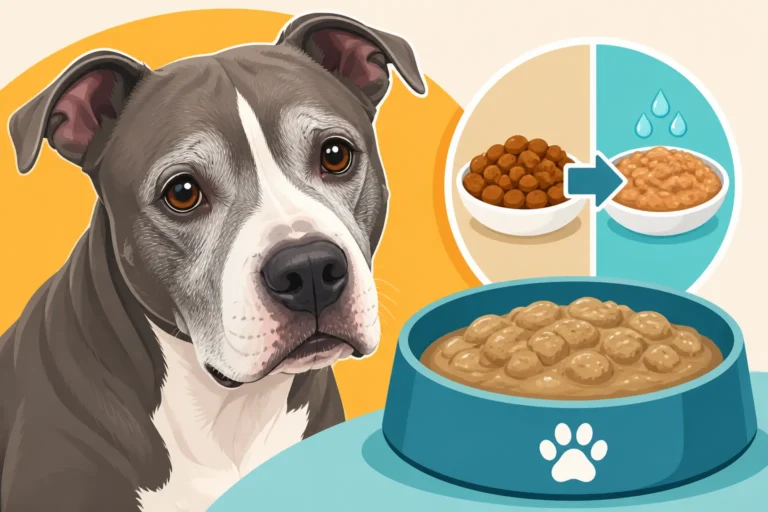
Your Pit Bull puppy's digestive system, especially when young, is quite delicate. It contains a specific balance of beneficial bacteria that helps break down their current food. A sudden switch to a new food can disrupt this balance, leading to an upset stomach, gas, vomiting, or diarrhea. To avoid this, always transition your puppy to a new food gradually, over a period of seven to ten days. This slow introduction allows their digestive enzymes and gut bacteria to adapt to the new ingredients.
Here’s a general guideline for a smooth transition:
- Days 1-2: Mix 25% new food with 75% old food.
- Days 3-4: Mix 50% new food with 50% old food.
- Days 5-6: Mix 75% new food with 25% old food.
- Day 7+: You can now feed 100% new food.
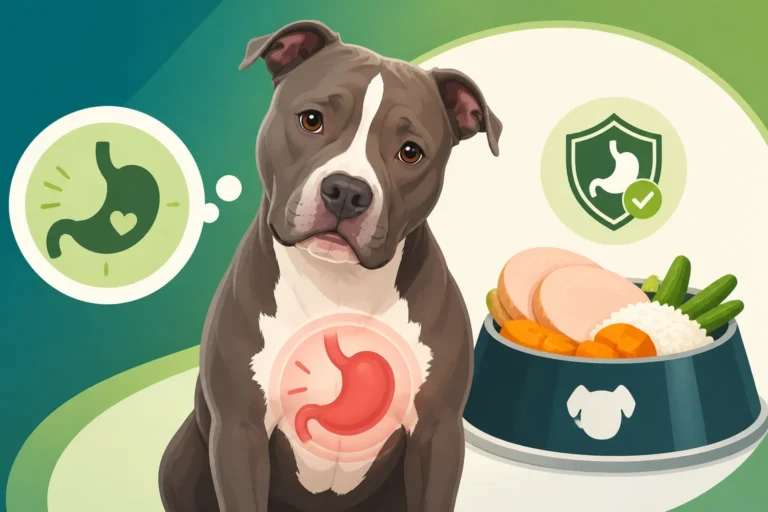
During this process, closely monitor your puppy’s stools and overall demeanor. If you notice any signs of digestive upset, such as loose stools or vomiting, slow down the transition. You might need to hold at a certain percentage for a few extra days until their system settles. Patience is key here. If problems persist despite a slow transition, consult your vet; there might be an underlying issue or the new food might genuinely not agree with your puppy. Remember that moving a Pit Bull off puppy formula to adult food also requires this same gradual approach. A Pit Bull Puppy Stomach After Switching Food
Treats and Supplements: When and How to Use Them
Treats are an invaluable tool for training and bonding with your Pit Bull puppy, but they are also a sneaky source of extra calories that can quickly derail your carefully planned diet. It’s vital to factor treats into your puppy’s daily calorie allowance. A good rule of thumb is that treats should make up no more than 10% of their daily caloric intake. If you're using a lot of treats for training (and with a smart, food-motivated Pit Bull, you likely will be!), choose small, low-calorie options. Freeze-dried liver, small bits of cooked chicken, or commercially available training treats are often good choices. Always pick treats that are easily broken into tiny pieces. Treats Small Enough for Repeated Pit Bull Training
When it comes to supplements, the general advice is that a high-quality, complete, and balanced large breed puppy food should provide all the nutrients your Pit Bull puppy needs for healthy growth. Adding extra vitamins or minerals, especially calcium, without veterinary guidance can actually be dangerous, leading to imbalances that harm bone development. Resist the urge to "supercharge" their growth with supplements.
However, there might be specific situations where a vet recommends a supplement. For example, some vets might suggest a joint supplement containing glucosamine and chondroitin for large breeds, particularly if there’s a family history of joint issues or if your pup is exceptionally active. Omega-3 fatty acid supplements (like fish oil) might also be recommended for their anti-inflammatory properties and benefits for skin and coat, especially if your Pit Bull shows signs of Pit Bull Skin Allergies and the Atopy Pattern. Always discuss any potential supplements with your veterinarian before introducing them to ensure they are appropriate and won't interfere with your puppy's balanced diet. Joint Supplements for a Muscular Pit Bull
Hydration and Water Intake: Always Available
While we focus heavily on food, water is arguably the most critical nutrient for your Pit Bull puppy’s survival and health. Proper hydration is essential for nearly every bodily function, including nutrient absorption, temperature regulation, and waste elimination. It’s absolutely vital that your Pit Bull puppy has constant access to fresh, clean water at all times. This means a clean bowl filled with fresh water, changed at least once, preferably twice, daily.
The amount of water your puppy drinks can vary significantly based on their activity level, the weather, and their diet. Puppies eating dry kibble will naturally drink more water than those on a wet or fresh food diet, as the moisture content in their food is much lower. After a vigorous play session or on a hot day, their water intake will increase dramatically. It's a good idea to have multiple water bowls placed around the house, especially if you have a larger home or multiple pets. If you're heading out for a walk or to the park, always bring a portable water bottle and bowl for your pup.
Keep an eye on their water consumption. A sudden increase or decrease in thirst can sometimes be an indicator of a health issue, such as a urinary tract infection, kidney problems, or diabetes. If you notice a significant change, or if your puppy seems dehydrated (e.g., sunken eyes, lethargy, dry gums, skin that doesn’t snap back when gently pinched), contact your veterinarian immediately. Ensuring ample, clean water helps keep their kidneys functioning well and supports overall vibrant health.
Common Feeding Challenges and Solutions
Even with the best intentions and the right food, feeding a Pit Bull puppy isn't always smooth sailing. From pickiness to gulping food too fast, there are several common challenges owners face. Understanding these issues and knowing how to address them can save you a lot of worry and ensure your pup continues to thrive.
Picky Eaters: Strategies to Encourage Eating
It's surprising how many Pit Bull puppies, despite their robust appetites as adults, can go through phases of pickiness. If your puppy suddenly turns up their nose at their food, the first step is always to rule out a medical issue. A sudden loss of appetite could signal anything from a minor tummy ache to something more serious like an infection or dental pain. A quick call to your vet is always a good idea if pickiness persists or is accompanied by other symptoms like lethargy, vomiting, or diarrhea.
Once medical issues are excluded, you can explore other strategies. Sometimes, pickiness is learned behavior: if you constantly offer new, tastier options, your smart Pit Bull will quickly learn to hold out for the good stuff. Stick to a schedule, put the food down for 15-20 minutes, and if it's not eaten, pick it up until the next meal. They'll quickly learn that it's "eat it or lose it." You can also try making the food more appealing:
- Warm it up: A little warm water or a small amount of low-sodium chicken broth can enhance the aroma and make dry kibble more enticing.
- Add a topper: A tiny dollop of plain yogurt, a spoonful of canned pumpkin, or a small amount of wet food (ensure it's puppy-appropriate and part of their daily calorie count) can sometimes do the trick.
- Vary texture: If your pup is used to dry kibble, occasionally offering a small portion of a high-quality wet food can stimulate their appetite.
Remember, a healthy puppy won't starve themselves. If they're otherwise healthy and active, they'll eventually eat when they're hungry. Consistency and patience are your best tools against a picky eater.
Fast Eaters and Bloat Prevention
Pit Bulls, with their broad chests and enthusiastic appetites, can be notoriously fast eaters. While it might seem harmless, eating too quickly can lead to digestive upset, regurgitation, and, more seriously, it can increase the risk of a life-threatening condition called Gastric Dilatation-Volvulus (GDV), commonly known as bloat. Bloat occurs when the stomach fills with gas and twists on itself, trapping the gas and cutting off blood supply. It's an emergency that requires immediate veterinary intervention. Recognizing Bloat in a Deep-Chested Pit Bull
While bloat is complex and its exact causes aren't fully understood, rapid eating is considered a risk factor, especially in deep-chested breeds. To mitigate this risk and slow down your Pit Bull puppy's eating, several strategies can be employed:
- Slow feeder bowls: These bowls have ridges or obstacles that force your puppy to eat around them, significantly slowing down their intake. You can find many effective and durable options on sites like Amazon or Chewy.
- Puzzle feeders: These toys dispense food slowly as your puppy interacts with them, turning mealtime into a mental exercise.
- Divide meals: Instead of one large meal, split their daily portion into two or three smaller meals.
- Spread food out: Scatter kibble across a large, flat baking sheet or a clean floor area. This makes them forage and eat more slowly.
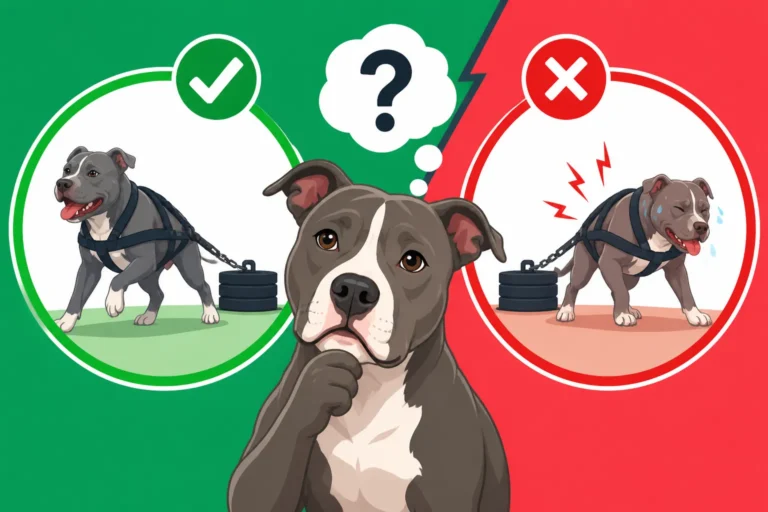
- Avoid exercise around meals: This is crucial. Do not allow vigorous exercise for at least an hour before and two hours after meals. This gives their stomach time to digest without added stress. Resting a Pit Bull Between Meal and Exercise
Implementing these measures can dramatically reduce the risks associated with fast eating and contribute to your Pit Bull's overall digestive health and safety.
Food Aggression and Resource Guarding
Food aggression, or resource guarding, is a behavior where a dog becomes defensive over their food, toys, or other valuable items. In puppies, this might manifest as growling, stiffening, or even snapping when someone approaches their bowl. While it can be alarming, it's a natural canine instinct, but one that needs to be addressed early and carefully to prevent it from escalating into a dangerous adult behavior. Pit Bulls, like any breed, can develop this, and early intervention is key.
The goal is to teach your puppy that humans approaching their food bowl is a positive experience, not a threat. You want them to associate your presence with more good things, not less. Here’s how you can proactively prevent or address mild resource guarding:
- Start Early: From day one, make meal times a positive experience.
- Hand-Feeding: Regularly hand-feed your puppy a portion of their meal. This builds trust and teaches them that your hands bring food, they don’t take it away.
- "Trade Up": While your puppy is eating, approach the bowl, toss in an even higher-value treat (like a piece of cooked chicken or cheese), and then calmly walk away. Repeat this several times during each meal. Your puppy learns that your approach means they get something better.
- Avoid Taking the Bowl Away: Unless absolutely necessary, avoid taking the bowl away from a puppy who is eating, especially if they show any signs of guarding. This can inadvertently reinforce the idea that they need to defend their food.
- Create a Safe Space: Ensure your puppy has a quiet, undisturbed place to eat where they feel secure. This might be in their crate or a designated area away from foot traffic or other pets.
If the resource guarding is severe or escalates, immediately seek guidance from a certified professional dog trainer or veterinary behaviorist. They can provide a personalized plan to safely and effectively modify the behavior. Early and consistent positive reinforcement is the best approach to ensure your Pit Bull grows up feeling secure and relaxed around their food. Pit Bull Food Bowl Guarding
Monitoring Growth and Adjusting as Your Pit Bull Matures
Feeding your Pit Bull puppy isn't a "set it and forget it" task. It's a dynamic process that requires ongoing observation and adjustments as they transition from a rapidly growing pup to a fully mature adult. Regular monitoring of their physical development and dietary needs is crucial to ensuring they achieve and maintain their ideal weight and muscle tone, ultimately supporting a long, healthy life.
Tracking Weight and Development Milestones
For a Pit Bull puppy, keeping tabs on their weight is more than just curiosity; it’s a critical health indicator. During their first few months, I recommend weighing them weekly. Many veterinary clinics have scales you can pop into and use, or you can get a small pet scale for home use. After six months, monthly weigh-ins are usually sufficient. This regular tracking allows you to see their growth curve and ensure it’s steady and appropriate, not too fast or too slow. What a Pit Bull Puppy Weighs Month by Month
Along with weight, observe other developmental milestones. Are they gaining muscle mass appropriately? Are their bones and joints appearing sound as they move? A Pit Bull puppy aiming for a 50-pound adult weight should show consistent, albeit controlled, weight gain. Rapid spikes or plateaus in weight could signal an issue with their diet or an underlying health concern. Your veterinarian is an invaluable resource here; they can provide growth charts specific to their expected adult size and help you interpret your puppy’s progress, ensuring they're on track to reach that lean, muscular 50-pound goal without putting undue strain on their developing body. They can also advise on things like The Age a Pit Bull Finishes Growing.
Remember that the target 50-pound weight is an average. Individual Pit Bulls can vary based on genetics, gender, and overall build. The focus should always be on lean body condition rather than a specific number on the scale. A well-built, athletic 48-pound Pit Bull with excellent muscle tone is far healthier than an overweight 52-pound one.
Transitioning to Adult Food: The Right Time and Way
Knowing when to switch your Pit Bull puppy from a large breed puppy formula to an adult maintenance diet is a common question. Generally, Pit Bulls reach maturity and are ready for adult food between 12 and 18 months of age. This isn't a hard and fast rule, but rather a guideline based on when their rapid skeletal growth largely ceases and their growth plates close. Some larger or slower-maturing individuals might benefit from staying on puppy food a little longer.
Signs of maturity include a slowing down of their physical growth (they'll appear to fill out rather than grow taller), a decrease in their puppy-like boundless energy, and often, a more settled demeanor. Consult with your veterinarian, as they can assess your individual puppy’s development and advise on the optimal time for the switch. Prematurely switching to adult food can mean missing out on crucial nutrients needed for the final stages of growth, while staying on puppy food too long can lead to excess calories and weight gain once their high growth demands diminish.
Once you and your vet determine it’s time, the transition process should be as gradual as when you first introduced a new food. Use the same 7-10 day method of slowly mixing increasing amounts of the new adult food with decreasing amounts of the puppy food. This careful approach prevents digestive upset and allows their system to adapt comfortably to the different nutrient profile of adult food. Choosing a high-quality adult formula that continues to support lean muscle and joint health is important for their ongoing well-being. The Age a Pit Bull Switches to Adult Food
Sustaining a Healthy Weight into Adulthood
Reaching that healthy 50-pound adult weight is a fantastic achievement, but the journey doesn't end there. Sustaining that healthy weight and lean body condition throughout your Pit Bull's life is paramount for their longevity and quality of life. Adult Pit Bulls, especially those with their characteristic muscle mass, can be prone to weight gain if their diet isn't carefully managed, particularly after spaying or neutering, which can affect metabolism. Pit Bull Obesity and How to Spot It Under Muscle
Continue to monitor their body condition regularly. Feel for those ribs, check for that waist, and adjust their food intake as needed. An active Pit Bull will naturally require more calories than a less active one. If their lifestyle changes (e.g., you start a new exercise routine or they become less active due to age), their calorie needs will shift accordingly. Many adult Pit Bulls thrive on two measured meals a day, ensuring they don't overeat at one sitting. Two Measured Meals a Day for a Pit Bull
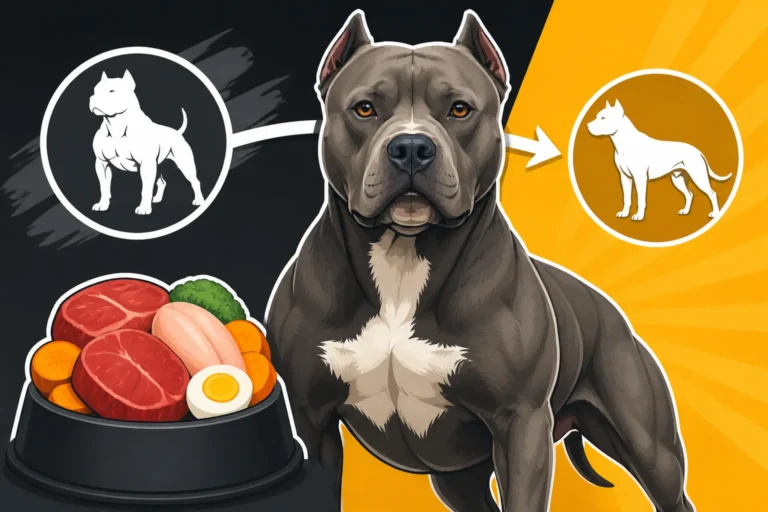
Feeding a Pit Bull to keep muscle without fat requires vigilance. Choose a high-quality adult dog food with appropriate protein levels to maintain muscle mass and controlled fat content to prevent excess weight. Regular exercise is the other half of the equation, working synergistically with diet to keep your Pit Bull fit and healthy. By remaining attentive to their diet and activity levels, you'll ensure your Pit Bull continues to enjoy a vibrant, healthy life at their optimal weight, free from the burdens that excess weight can impose on their joints and overall health.
| Age (Weeks) | Daily Meals | Feeding Guide Considerations | Key Monitoring Points |
|---|---|---|---|
| 8-12 | 3-4 | Small, frequent meals. Use large breed puppy formula. | Weight gain, stool consistency, energy levels. |
| 12-24 | 3 | Consistent portions. Continue large breed puppy formula. | Body condition score (lean!), appetite, no growth spurts. |
| 6-12 Months | 2-3 | Monitor for slowing growth. Still on large breed puppy food. | Ribs palpable, visible waist, sustained energy. |
| 12-18 Months | 2 | Gradual transition to adult food. | Body condition score stabilizes, full height reached. |
| Adult | 2 | Adult maintenance diet. Adjust for activity/metabolism. | Maintain lean muscle, prevent weight gain, monitor joints. |
Disclaimer
This article is for general informational purposes only and does not constitute professional advice. Laws, prices and regulations vary by location and change over time. Consult a qualified professional for guidance on your specific situation.