Weaning a Pit Bull Litter
Watching a litter of Pit Bull puppies grow from tiny, helpless newborns to wiggly, curious individuals is one of the most rewarding experiences. But let's be honest, that transition from solely relying on mama's milk to eating solid food can feel a little daunting, even messy, and sometimes you're just not sure if you're doing it right. This guide is here to demystify the process of weaning a Pit Bull litter, offering a clear, step-by-step approach to ensure your pups grow into strong, healthy youngsters.
Understanding When to Start Weaning Your Pit Bull Puppies
Weaning isn't a sudden event; it's a gradual journey that your Pit Bull mama dog naturally initiates, and you'll be there to support both her and the puppies through it. Timing is everything here, as starting too early can stress the pups and their digestive systems, while waiting too long can make the transition harder and put extra strain on the mother.
The Natural Timeline for Puppy Weaning
Most Pit Bull puppies begin the weaning process somewhere between three and four weeks of age. Think of it as a natural progression, not a hard deadline. At this stage, their little eyes and ears are fully open, they're starting to explore their surroundings with more confidence, and those sharp puppy teeth are beginning to emerge. This is a crucial physiological signal: those tiny teeth are great for mama to feel, telling her it's time for them to start exploring other food sources.
Mama dogs often start by subtly pushing their puppies away or standing up more frequently during nursing sessions. It's her way of saying, "Okay, kids, time to spread your wings a little!" Your role is to pick up on these cues and gently introduce appropriate solid foods. If you introduce food too early, their digestive systems might not be ready, leading to upset tummies. If you wait too long, they might become overly reliant on nursing, making the switch to solids more challenging. Remember, the goal is a smooth transition, not a rapid cutoff.
Signs Your Pit Bull Mom is Ready to Start
Observing your Pit Bull mama is key. She's typically the best indicator of when her puppies are ready for the next stage. One of the most common signs is her increasing reluctance to nurse. She might start stepping over the puppies, walking away from them during feeding times, or even gently nudging them off if they try to latch on. This isn't her being mean; it's her body's natural way of telling the pups it's time to become more independent.
You might also notice her getting a bit thin, especially if it's a large litter, as providing milk for a growing pack takes a tremendous toll on her body. Her energy levels might dip, and she may show signs of fatigue. Starting the weaning process helps alleviate this physical strain, allowing her body to recover and her energy to rebound. It also lessens the chances of issues like mastitis, an inflammation of the mammary glands, which can be painful for her. Look for these subtle behavioral changes; they’re your green light to begin preparing their first solid meals.
Preparing the First Solid Meals for Your Pit Bull Litter
Once you've determined the time is right, getting the food itself ready is your next step. This isn't about tossing them a bowl of dry kibble just yet; it's about making their first forays into solid food as appealing and easy to digest as possible.
Choosing the Right First Food
For Pit Bull puppies, just like any other breed, selecting a high-quality puppy food specifically formulated for growth is paramount. You want something that provides all the necessary nutrients for their rapid development. Look for foods that list meat as the first ingredient and avoid fillers or artificial additives. While some people opt for "large breed puppy food," it's often more about controlled growth rates for giant breeds. For a Pit Bull, a good quality, regular puppy formula is usually perfectly fine, but checking the specific calorie and calcium content to ensure it's not promoting overly rapid growth is a good idea. You can also explore options like Whether a Pit Bull Puppy Needs Large Breed Food to help make an informed decision.
When considering options, you might look at specialty pet retailers like Chewy, which offers a wide array of high-quality puppy kibbles from various reputable brands. Alternatively, some owners prefer fresh food options for their litters, which can be a great way to introduce highly palatable and easily digestible ingredients. There are services that offer Delivered Fresh Food in Pit Bull Portions that can be a convenient way to ensure they're getting top-tier nutrition, though it's often a pricier route. Whatever you choose, ensure it’s designed for puppies and has excellent digestibility.
Mixing and Consistency for Little Pups
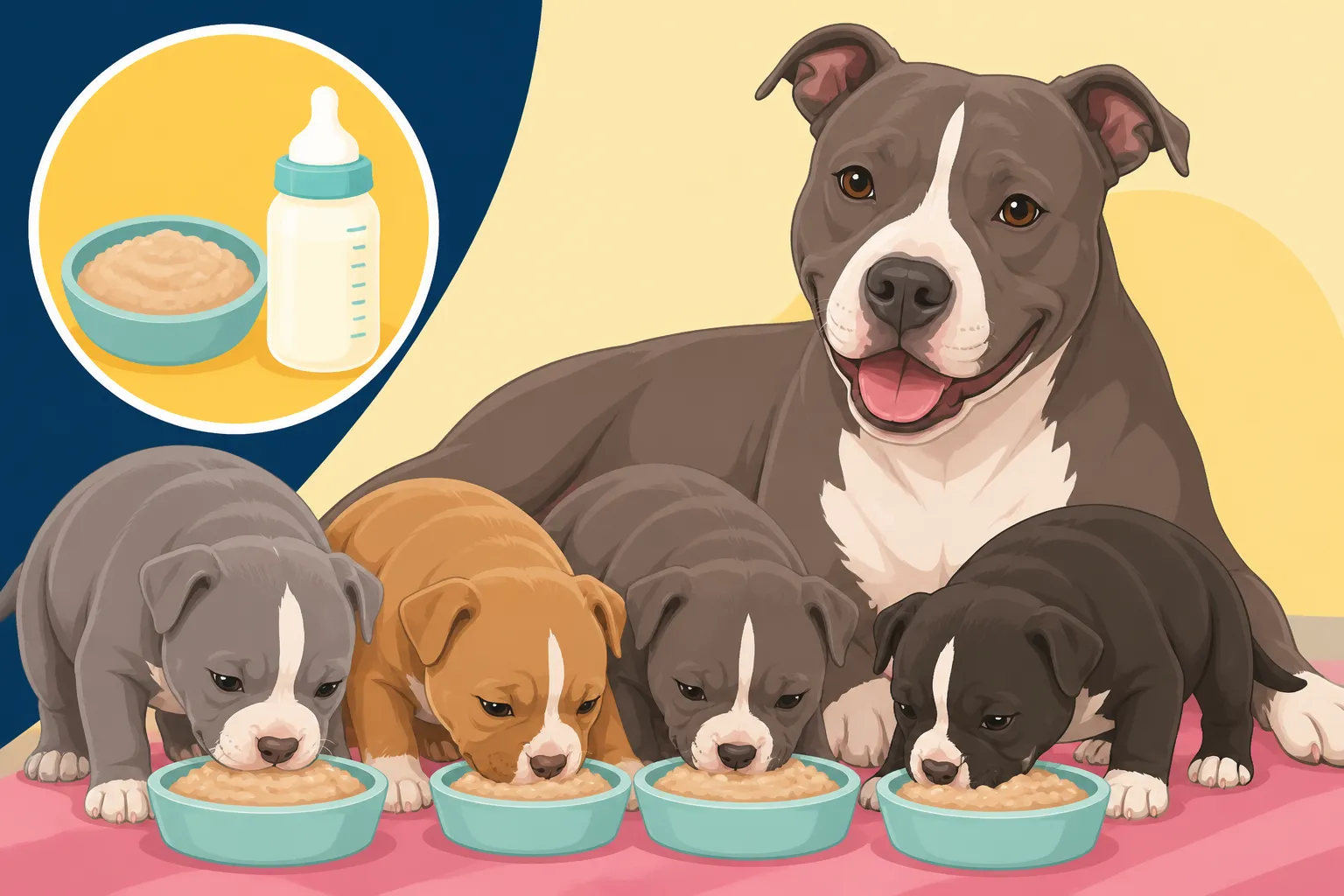
The first "meal" for your Pit Bull puppies won't resemble kibble at all. Instead, you'll be creating a slurry or gruel. Take your chosen puppy kibble and mix it with warm water, or even a puppy milk replacer if you want to make it extra enticing or if the pups are a bit younger. The key is to achieve a consistency similar to a thick milkshake or oatmeal – something that can be easily lapped up, but still has some substance to it. You don't want it too watery, or they'll struggle to get enough nutrition, and certainly not too thick, as that can be a choking hazard for tiny mouths.
Let the mixture sit for about 10-15 minutes to allow the kibble to soften thoroughly. This process makes it easier for their developing digestive systems to break down and absorb the nutrients. Ensure there are no hard chunks remaining that could cause them to choke or discourage them from eating. The temperature is important too; it should be warm, not hot, mimicking the temperature of their mother's milk, which will make it more inviting. This initial consistency is crucial for helping them adapt from liquid to solid food without overwhelming their systems.
The Step-by-Step Weaning Process
Weaning is a gradual dance, not a sudden switch. It involves slowly introducing new foods while steadily decreasing reliance on their mother's milk. Patience and consistency are your best tools here.
Introducing the Gruel Bowl
The first time you introduce the gruel, get ready for some serious mess – it's part of the fun! Use a shallow, heavy bowl that won't tip over easily. Place the bowl in their whelping box or a designated feeding area. Gently encourage the puppies to investigate. Some will dive right in, while others might need a little persuasion. You can gently dab a small amount of gruel on their noses or lips to get them to taste it. Their natural curiosity and hunger will often take over.
Don't be surprised if they walk through it, play with it, or even try to nurse from the bowl. This is all normal exploration. Keep these first sessions short, perhaps 5-10 minutes. After the initial exploration, clean any remaining food off their faces and paws to prevent skin irritation. Initially, the goal isn't for them to eat a full meal, but simply to associate the bowl with food and to get used to the taste and texture. They'll still be getting most of their nutrition from their mother at this point, so don't worry if they don't consume much.
Gradually Increasing Solids and Reducing Nursing
As your Pit Bull puppies become more accustomed to the gruel, you'll gradually increase the frequency of solid meals while allowing their mother to dictate how often she nurses. Typically, you'll start with two small gruel meals a day, then increase to three, and eventually four as they approach five to six weeks old. The general rule of thumb is that if the puppies are still eagerly suckling, they need the extra calories and comfort from mama. If mama is actively moving away, it’s a sign to encourage more solid food.
Monitor your puppies' weight gain and stool consistency closely. Consistent weight gain indicates they're getting enough nutrition. Their stools should be firm, not watery, and ideally, you should see them forming. If stools are consistently loose or diarrheic, you might be increasing the solids too quickly or the food isn't agreeing with them. This is also a good time to start looking at their growth milestones, as understanding What a Pit Bull Puppy Weighs Month by Month can help you assess their progress. As their intake of solids increases, their reliance on their mother's milk will naturally decrease, easing the burden on her and helping her regain her strength. You can also explore How Often a Pit Bull Puppy Should Eat to guide your feeding schedule.
Transitioning to Dry Kibble and Water
By the time your Pit Bull puppies are around 6-7 weeks old, you'll want to gradually transition them from gruel to dry kibble. Start by making the gruel thicker and thicker, using less water each day. Eventually, you can introduce slightly moistened kibble, and then gradually reduce the moisture until they are eating entirely dry kibble. This phased approach helps their digestive systems adapt without shock.
Alongside their food, it’s vital to introduce a separate, shallow water bowl from day one of weaning. While they'll still get hydration from their mother and the gruel, learning to drink water is a critical skill. Make sure the water is always fresh and clean. Change it several times a day, especially as they'll likely walk through it, splash in it, and generally make a mess. Ensuring access to clean water helps prevent dehydration, especially as their milk intake lessens. By eight weeks, they should be fully weaned and comfortably eating dry kibble and drinking water independently. This prepares them for moving to their new homes and for their future feeding routines, linking into topics like The Age a Pit Bull Switches to Adult Food. When looking for durable, puppy-safe bowls, online retailers like Amazon can offer a good selection.
Common Challenges and Troubleshooting During Weaning
Even with the best intentions, weaning can present a few bumps in the road. Knowing what to look out for and how to respond can save you a lot of stress.
Picky Eaters and Refusal to Transition
It's not uncommon to have one or two Pit Bull puppies in a litter who are a bit more hesitant to embrace solid food. They might just stand by the bowl, sniff, and then look for their mom. This isn't necessarily a sign of illness, but rather a preference for the familiar comfort of nursing. For these reluctant eaters, you might need to try making the gruel a little more enticing. Using a bit of puppy milk replacer instead of water can boost the flavor and familiarity.
Sometimes, gently placing them near the bowl, or even very carefully dipping a clean finger into the gruel and letting them lick it off, can spark their interest. Ensure the feeding environment is calm and free from competition if one pup is being pushed out by more assertive littermates. If a puppy consistently refuses food for more than a day, appears lethargic, or shows other signs of distress, it’s definitely time to consult your veterinarian. Their sustained health and growth are paramount, and sometimes a quick vet check can rule out any underlying issues.
Digestive Upsets and Soft Stools
As puppies transition from milk to solid food, their digestive systems are working hard to adjust to new enzymes and textures. It's not unusual to see some variations in stool consistency during this time. Slightly softer stools are often part of the process. However, consistently watery diarrhea, particularly if accompanied by lethargy, vomiting, or a lack of appetite, is a red flag. A Pit Bull Puppy Stomach After Switching Food can be sensitive, and these symptoms could indicate an upset stomach, a food intolerance, or even something more serious like a parasitic infection.
Ensure the food you are offering is fresh and hasn't been sitting out for too long. Introduce new foods very gradually to give their systems time to adjust. If diarrhea persists, you might need to temporarily revert to a more liquid gruel or even a bland diet like boiled chicken and rice (consulting your vet first, of course). Keeping them hydrated is critical if they're experiencing loose stools. Any sign of severe diarrhea, especially in very young puppies, warrants an immediate call to your veterinarian, as Pit Bull Puppy Diarrhea in the First Week can quickly lead to dehydration.
Managing the Mess and Maintaining Hygiene
Let's face it, weaning a litter of Pit Bull puppies is not a clean endeavor. Pups will inevitably walk through their food, track it around, and make a glorious mess. This is why having a designated, easy-to-clean feeding area is crucial. Whelping boxes with washable liners or even a designated puppy playpen with a non-porous floor are ideal. Laying down old towels or newspapers underneath their feeding station can make cleanup much simpler.
More important than just managing the mess is maintaining strict hygiene. Food left on their fur or skin can cause irritation, and a dirty environment is a breeding ground for bacteria and parasites. After each meal, gently wipe down the puppies, paying special attention to their faces, paws, and bellies. Regularly clean and disinfect their feeding bowls, water bowls, and the entire feeding area. This diligent approach helps prevent skin issues, gastrointestinal problems, and overall illness, ensuring your pups stay healthy and happy as they grow. This also ties into good habits for Getting a Pit Bull Puppy Clean in the House as they grow.
Weaning Timeline and Considerations
| Age (Weeks) | Key Developments | Food Introduction Stage | Mother's Role | Important Considerations |
|---|---|---|---|---|
| 0-3 | Eyes & ears opening, wobbly walking | Exclusively mother's milk | Primary caregiver, constant nursing | Focus on maternal health, warmth for pups. |
| 3-4 | More mobile, teeth emerging, curious | Introduce gruel (kibble + warm water) | Starts pushing pups away, less frequent nursing | Use shallow bowls, dab gruel on noses, clean after meals. |
| 4-5 | Actively exploring, playing, sharper teeth | Increase gruel frequency (2-3x daily) | Continues to limit access, may stand to nurse | Monitor stool, ensure ample water, keep area clean. |
| 5-6 | Developing coordination, more playful | Thicken gruel, begin adding dry kibble | Nursing becomes infrequent, mostly for comfort or short bursts | Introduce more dry kibble, monitor individual intake. |
| 6-7 | Highly active, teeth fully in | Transition to moistened then dry kibble | Minimal nursing, may completely stop | Ensure pups are eating dry food, drinking water independently. |
| 8+ | Fully independent, ready for new homes | Fully on dry puppy kibble | Recovering physically, teaching social cues | Vet check, vaccinations, socialization continues. |
Remember, this timeline is a general guide, and every Pit Bull litter is unique. Watch your puppies and their mother for individual cues, and don't hesitate to adjust the pace as needed. A gradual, supportive approach will lead to the best outcomes for everyone involved.
Disclaimer
This article is for general informational purposes only and does not constitute professional advice. Laws, prices and regulations vary by location and change over time. Consult a qualified professional for guidance on your specific situation.