Pit Bull Puppy Diarrhea in the First Week
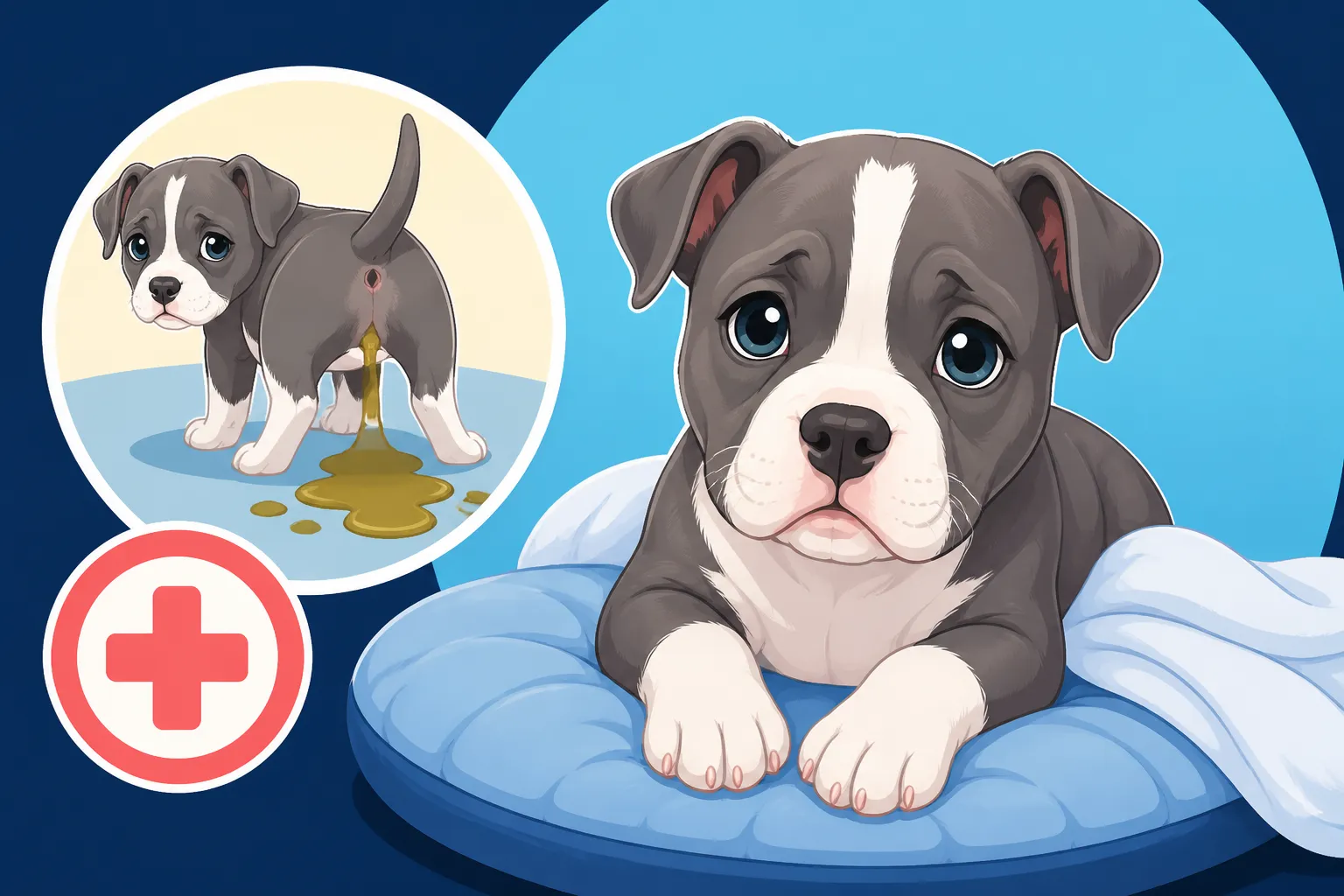
There’s almost nothing more terrifying for a new Pit Bull puppy owner than seeing their tiny, vulnerable bundle of joy suffer from diarrhea, especially in those crucial first weeks. It's a stomach-dropping moment that quickly shifts excitement into intense worry, leaving you scrambling for answers on what to do. This guide is here to walk you through understanding why this happens, what signs demand immediate action, and how to safeguard your precious pup's health.
Understanding the Immediate Dangers of Puppy Diarrhea
When a Pit Bull puppy, especially one in its first week of life, develops diarrhea, it's not just a minor inconvenience; it's a serious medical concern. Their tiny bodies are incredibly fragile and lack the reserves of an adult dog, making them highly susceptible to complications. You're not overreacting by being worried—you're being a responsible owner.
Why Dehydration is So Critical for Young Puppies
Puppies are mostly water, and their systems are still developing, meaning they can lose fluids at an alarming rate. Diarrhea accelerates this fluid loss dramatically, leading to dehydration much faster than in older dogs. Think of it like a small bucket with a hole in the bottom; it empties far quicker than a large one. This rapid dehydration can quickly escalate into a life-threatening situation.
The signs of dehydration can be subtle in a very young puppy. You might not see the classic "skin tent" that vets look for in older dogs, where pinched skin slowly returns to place. Instead, look for tacky gums (they should feel wet and slippery), lethargy, sunken eyes, or a noticeable decrease in activity. If your puppy seems weaker, isn't nursing well, or cries more frequently without clear reason, dehydration could be a factor.
It's vital to remember that a puppy's immune system is still immature. Dehydration weakens them further, making them even more vulnerable to infections that might be causing the diarrhea in the first place. This creates a dangerous cycle where diarrhea causes dehydration, which then makes them sicker. Early intervention is absolutely key to breaking this cycle and giving your tiny Pit Bull the best chance at recovery.
Recognizing Other Red Flag Symptoms
While diarrhea itself is a major concern, certain accompanying symptoms are flashing red lights that mean you need immediate veterinary attention. These aren't things you can wait out, hoping they'll improve on their own. Trust your gut; if something feels wrong, it probably is.
One of the most alarming signs is blood in the stool, whether it’s bright red streaks or a dark, tarry appearance, which can indicate bleeding higher up in the digestive tract. Vomiting in conjunction with diarrhea is also incredibly dangerous, as it compounds fluid loss and prevents the puppy from retaining any hydration or nutrients. Refusal to nurse or eat is another critical sign, indicating severe illness and rapidly depleting energy reserves.
Beyond the visible signs, observe your puppy's overall demeanor. Is your energetic, curious little Pit Bull suddenly listless, withdrawn, or unwilling to interact? Are they crying excessively, as if in pain, or conversely, unusually quiet and unresponsive? Any significant change in their normal behavior, combined with diarrhea, should trigger an urgent call to your veterinarian. Early medical intervention can be the difference between a quick recovery and a devastating outcome.
Common Causes of Diarrhea in Newborn Pit Bull Puppies
Understanding the root cause of your Pit Bull puppy's diarrhea is the first step toward effective treatment. It’s rarely a single, straightforward issue, and often a combination of factors can be at play, especially in such young, delicate animals. Many things can upset a tiny stomach, from simple stress to serious infections.
Stress and Environmental Changes
Bringing a new Pit Bull puppy home, even from a stable environment, is a huge change for their little world. They're leaving their mother, siblings, and familiar smells, often for the very first time. This transition, no matter how carefully managed, is inherently stressful. Stress hormones can wreak havoc on a puppy's digestive system, leading to temporary bouts of diarrhea. It’s like how our own stomachs can get upset during anxious times.
The new environment itself can also contribute. Changes in temperature, noise levels, or even the type of bedding can be unsettling. A puppy might become chilled, which slows down digestion, or they might ingest new bacteria from an unfamiliar surface. Ensuring a warm, quiet, and consistent environment during the initial days is crucial to help them adapt. Provide a cozy, safe space that mimics the warmth and security of their litter box.
Remember, a stable environment isn't just about physical comfort; it's also about emotional security. Gentle handling, consistent feeding times, and avoiding too much excitement or too many new faces in the first few days can significantly reduce stress levels. While you want to expose them to new things eventually, the first week is about settling in and feeling safe.
Parasites: The Silent Invaders
Parasites are an incredibly common cause of diarrhea in young puppies, and they can be insidious because they’re often passed from the mother, even if she appears healthy. These microscopic organisms or worms can proliferate rapidly in a puppy's underdeveloped digestive system, causing irritation, malabsorption of nutrients, and, of course, diarrhea.
Common culprits include roundworms, which often look like spaghetti in the stool; hookworms, which cause bloody diarrhea and anemia; and whipworms, which can cause intermittent diarrhea. Beyond worms, protozoan parasites like Coccidia and Giardia are notorious for causing persistent, watery, and sometimes bloody diarrhea in puppies. These are particularly nasty because they can be difficult to eradicate and thrive in crowded or unsanitary conditions.
Regular deworming protocols are essential, starting when puppies are very young, often as early as two weeks old, and repeated every few weeks. Even with proactive measures, puppies can still pick up parasites. That’s why a fecal test is one of the first things your vet will do when faced with puppy diarrhea. Make sure your breeder or rescue has a good parasite control program in place, and continue with Year-Round Parasite Cover for a Pit Bull as advised by your vet.
Dietary Changes and Sensitivities
A puppy's digestive system is incredibly sensitive, and any sudden change can upset the delicate balance of their gut flora. If your Pit Bull puppy is still nursing, the mother's diet can even affect her milk quality, which in turn can impact the puppies. If the mother’s diet is insufficient or changes abruptly, it can manifest as digestive upset in her offspring.
For puppies transitioning to solid food, or those who have just started, a sudden switch in food type or even brand can be a major trigger for diarrhea. This is why breeders often send a small bag of the puppy's current food home with new owners, recommending a gradual transition over several days or weeks. Even if a puppy seems to love the new food, their stomach might not agree, leading to loose stools.
Sometimes, puppies might accidentally ingest something they shouldn't—a tiny piece of plant, a foreign object they chewed on, or even just too much rich treat food. Their curious nature and tendency to mouth everything can easily lead to dietary indiscretion. Always ensure their environment is free of small, ingestible items and that any food transitions are made slowly and carefully.
Bacterial and Viral Infections
This is perhaps the most frightening category for new puppy owners, and for good reason. Certain bacterial and viral infections can be extremely severe, rapidly debilitating, and even fatal for young Pit Bull puppies. Recognizing these symptoms quickly and seeking immediate veterinary care is paramount.
Parvovirus (often just called "parvo") is a highly contagious and devastating viral disease that targets rapidly dividing cells, including those in the intestinal lining. It causes severe vomiting, bloody diarrhea, lethargy, and a profound loss of appetite. Puppies are most vulnerable, and without aggressive veterinary intervention, the prognosis is often poor. This is precisely why Pit Bull Puppy Vaccination and Parvovirus is so critical. Other viral infections like canine distemper and coronavirus can also cause gastrointestinal upset, though often with other systemic signs.
Bacterial infections can also contribute to diarrhea. Sometimes these are primary infections, while other times they are secondary invaders that take advantage of a weakened gut already compromised by parasites, stress, or a viral infection. These often require antibiotics. Any suspicion of these severe infections means you need to drop everything and get to the vet. They’re not something you can treat at home.
What to Do When Your Pit Bull Puppy Has Diarrhea
When your tiny Pit Bull puppy gets diarrhea, it’s natural to feel overwhelmed, but having a clear plan can help you act quickly and effectively. Your actions in the first few hours can significantly impact their recovery.
Immediate First Aid and Home Care
For very mild, infrequent episodes of loose stool in an otherwise bright, active, and nursing puppy, you might be able to start with some careful home monitoring, but this window is extremely small for puppies in their first week. The absolute priority is to prevent dehydration. If your puppy is still nursing from its mother, ensure it has constant access and is latching well. If you are bottle-feeding, ensure the formula is mixed correctly and offered frequently.
Beyond milk, some vets might suggest offering a small amount of an electrolyte solution formulated for puppies, like unflavored Pedialyte, diluted with water, but only if your vet recommends it. Never force-feed a puppy, and always discuss home remedies with your vet first. For older puppies already on solid food, a bland diet of boiled chicken and plain white rice, offered in very small, frequent meals, is often recommended, but again, this advice is typically for slightly older, weaned pups, not those in their very first week.
Most importantly, keep the puppy warm and clean. Diarrhea can quickly lead to chilling and skin irritation. Change bedding frequently to prevent re-infection and keep them comfortable. If the diarrhea is truly mild and the puppy remains energetic and hydrated, sometimes a quiet, stress-free environment and continuous access to their mother's milk (which provides antibodies and nutrients) is enough to help them bounce back. However, be vigilant, as things can change rapidly.
When to Seek Veterinary Attention Urgently
This is the most crucial part for new Pit Bull puppy owners: knowing when to stop worrying and start acting by contacting your vet immediately. For a puppy in its first week, any diarrhea warrants a call to the vet. Their systems are simply too immature to take a "wait and see" approach, particularly if it's more than just a single loose stool.
You need to seek urgent veterinary attention if you observe any of the red flag symptoms mentioned earlier: blood in the stool (any amount, any color), persistent vomiting, extreme lethargy, refusal to nurse, or noticeable signs of dehydration like tacky gums or sunken eyes. If your puppy seems to be in pain, crying constantly, or conversely, is unusually quiet and unresponsive, these are clear indicators that a professional needs to step in right away.
Remember, a vet visit isn't just about treatment; it's about diagnosis. Your veterinarian can determine the underlying cause much more accurately than you can at home, and the sooner they do, the faster and more appropriate the treatment can begin. Don't hesitate or feel like you're overreacting. It's always better to be safe than sorry when it comes to the health of such a young and vulnerable animal. Many pet insurance providers, like Healthy Paws, recognize the critical need for prompt veterinary care in puppies and can help cover unexpected costs, which can be a huge relief in these stressful situations.
Diagnostic Tests Your Vet Might Perform
When you bring your sick Pit Bull puppy to the vet, they will likely start with a thorough physical examination. This involves checking hydration levels, temperature, gum color, and listening to their heart and lungs. After that, they’ll want to try and pinpoint the cause of the diarrhea, which often requires specific diagnostic tests.
One of the most common and essential tests is a fecal examination. Your vet will ask you to bring in a fresh stool sample, which they will examine under a microscope. This can reveal the presence of intestinal parasites like roundworms, hookworms, whipworms, Coccidia, or Giardia. They might perform different types of fecal tests to catch different kinds of parasites.
Depending on the puppy's symptoms and vaccination history, your vet might also recommend tests for viral infections. A Parvovirus test, often a quick in-house snap test, is a priority if parvo is suspected, as this disease requires immediate and aggressive treatment. Blood work might also be done to assess the puppy's overall health, check for anemia (especially with hookworms), evaluate organ function, and look for signs of systemic infection or inflammation. These tests provide invaluable information that guides the veterinary team in providing the most effective care for your tiny patient.
Preventing Diarrhea in Young Pit Bull Puppies
An ounce of prevention is truly worth a pound of cure, especially when it comes to the delicate health of young Pit Bull puppies. Proactive measures can significantly reduce the risk of diarrhea and other health issues, giving your puppy the best start in life.
Maintaining a Clean and Stress-Free Environment
A clean environment is paramount for preventing puppy diarrhea. Pathogens, including bacteria, viruses, and parasite eggs, can persist in the environment for extended periods. Regularly clean and sanitize the whelping box or puppy play area, ensuring all waste is promptly removed. Use pet-safe disinfectants that effectively kill common puppy pathogens. This is especially important during the first few weeks when puppies are most vulnerable and their immune systems are still developing.
Equally important is providing a stress-free environment. Puppies thrive on routine and stability. Ensure a consistent temperature, adequate warmth (especially crucial for newborns who can't regulate their own body temperature), and a quiet, peaceful space where they feel secure. Avoid loud noises, sudden changes, and excessive handling by multiple strangers, particularly in the very first week. Gentle, consistent care helps to build their confidence and keeps their stress levels—and thus their digestive systems—calm. A calm puppy is generally a healthier puppy.
Proper Nutrition for Mother and Pups
The health of Pit Bull puppies often begins with the health of their mother. A well-nourished mother on a high-quality, veterinarian-approved diet will produce healthy, nutrient-rich milk that is vital for her puppies’ growth and immune system development. Ensure the mother dog is receiving a balanced diet specifically formulated for lactating females, as her nutritional demands are incredibly high. If the mother is underfed or her diet is deficient, the puppies' health will suffer, potentially leading to weakened immune systems and susceptibility to diarrhea.
As puppies begin to wean, typically around 3-4 weeks, the transition to solid food must be gradual and appropriate. Start with a high-quality puppy food specifically designed for growth, moistened with warm water to create a gruel. Introduce new foods slowly to avoid upsetting their delicate digestive systems. Suddenly changing food types can shock their stomachs, leading to loose stools. Continuously monitor their intake and stool consistency during this transition phase. Providing optimal nutrition ensures they are getting the necessary vitamins and minerals to develop strong immune systems and healthy digestive tracts.
Implementing a Strict Parasite Control Program
Parasites are a leading cause of puppy diarrhea, and a stringent control program is non-negotiable for Pit Bull puppies. This starts even before the puppies are born, with the mother dog receiving appropriate deworming treatments as recommended by her veterinarian, often throughout pregnancy. Many parasites, like roundworms, can be transmitted from the mother to her pups in utero or through her milk.
Once the puppies are born, a regular deworming schedule, typically starting at two weeks of age and repeated every two weeks until they are older, is essential. Your vet will prescribe the appropriate dewormer based on the types of parasites prevalent in your area. Additionally, meticulous hygiene in the puppy's environment helps prevent reinfection. Regularly cleaning and sanitizing the whelping box and ensuring puppies aren't exposed to contaminated soil or feces can significantly reduce the parasite load. Remember, even seemingly healthy puppies can harbor parasites, making a proactive approach vital for their well-being. For guidance on ongoing prevention, look into Year-Round Parasite Cover for a Pit Bull.
The Importance of a Comprehensive Vaccination Schedule
Vaccinations are critical in protecting young Pit Bull puppies from several life-threatening infectious diseases that often cause severe diarrhea. The first week is usually too early for vaccines, but preparing for and understanding the schedule is vital. Parvovirus is a particularly aggressive and common cause of severe, often bloody, diarrhea in puppies, and it's highly contagious. Protecting your puppy against this and other common diseases like distemper is paramount.
Puppies receive maternal antibodies through their mother’s milk, which offer temporary protection. However, these antibodies wane over time, leaving a "window of susceptibility" when puppies are no longer protected by maternal antibodies but not yet able to mount a full immune response to a vaccine. A series of vaccinations, usually starting around 6-8 weeks of age and continuing every 3-4 weeks until 16 weeks or older, helps to bridge this gap. Each booster shot builds their immunity.
Following your vet's recommended Pit Bull Puppy Vaccination and Parvovirus schedule precisely is crucial. Missing doses or delaying vaccinations can leave your puppy vulnerable during this critical period. If you’ve adopted a puppy from a rescue or shelter, understanding The Vaccine Schedule for a Shelter Pit Bull Puppy and Parvo Risk in a Shelter Pit Bull Puppy is especially important, as their early life history might be unknown or they may have been exposed to more pathogens. Ask for What a Pit Bull Health History Should Cover from any breeder or shelter to ensure you're aware of their early health interventions.
Key Considerations for Pit Bull Puppy Diarrhea
| Cause | Common Symptoms | Immediate Action | Veterinary Action | Prevention Strategies |
|---|---|---|---|---|
| Dehydration | Lethargy, tacky gums, sunken eyes, skin tenting | Offer mother's milk or vet-approved electrolyte solution (if able to swallow) | IV fluids, supportive care, addressing underlying cause | Ensure constant access to nursing, manage stress, prompt diarrhea treatment |
| Stress/Environment | Mild, temporary loose stools | Warm, quiet, stable environment; minimal handling; monitor hydration | Rule out other causes, supportive care if mild | Gradual introduction to new home, consistent routine, minimize loud noises |
| Parasites | Watery stool, blood/mucus in stool, pot-belly, poor growth | Collect stool sample, maintain hygiene, prevent dehydration | Fecal test, deworming medication (e.g., dewormers for roundworms, Coccidiostats) | Regular deworming for mother and pups, strict hygiene, Year-Round Parasite Cover for a Pit Bull |
| Dietary Changes | Loose stool after new food introduced | Revert to previous food (if possible), gradual transition, ensure hydration | Rule out other causes, bland diet recommendations, probiotics | Gradual food transitions over several days, high-quality puppy food, monitor mother's diet if still nursing |
| Bacterial/Viral | Severe watery/bloody diarrhea, vomiting, lethargy, fever | IMMEDIATE VET VISIT, prevent dehydration, keep warm, isolate from other animals | Parvo/distemper test, antibiotics, antivirals, aggressive supportive care, IV fluids | Strict vaccination schedule (Pit Bull Puppy Vaccination and Parvovirus), hygiene, avoid exposure to sick animals, good nutrition for strong immune system |
| Other Health Issues | Varies depending on condition | IMMEDIATE VET VISIT, describe all symptoms to vet, keep puppy comfortable | Comprehensive diagnostic workup (blood tests, imaging), specific treatment | Regular vet check-ups, awareness of breed-specific health concerns (e.g., Umbilical Hernias in a Pit Bull Litter), good overall husbandry |
Disclaimer
This article is intended for informational purposes only and does not constitute medical advice. Always consult with a qualified veterinarian for any health concerns or before making any decisions about your Pit Bull puppy's care. Never delay seeking professional veterinary help because of something you have read online.