What a Pit Bull Puppy Weighs Month by Month
It can feel like you’re constantly wondering if your Pit Bull puppy is growing “right.” You see them changing so rapidly, and it’s natural to want to know if they're on track, especially with a strong, athletic type like a Pit Bull. This guide will walk you through the typical growth curve of a Pit Bull puppy, month by month, and help you understand the factors that influence their weight gain, so you can feel confident your little powerhouse is thriving.
Understanding Pit Bull Growth Rates
When we talk about "Pit Bulls," it's important to remember we're often discussing a type of dog rather than a single, universally recognized breed. This distinction plays a significant role in understanding their growth rates, as there can be more variation than with a purebred dog from a very tightly controlled lineage. Each individual puppy is a unique combination of genetics, and their growth will reflect that.
The Range of "Pit Bull" and Its Impact on Weight
The term "Pit Bull" typically encompasses several breeds, including the American Pit Bull Terrier (APBT), the American Staffordshire Terrier (AmStaff), and sometimes the Staffordshire Bull Terrier, as well as various mixes. Each of these breeds has its own general size and weight standards, and when they are mixed, the potential for variation increases. For instance, an American Pit Bull Terrier might mature to a lean 35-60 pounds, while some American Staffordshire Terriers can be a bit stockier, reaching 50-70 pounds, or even more for larger individuals. A Staffordshire Bull Terrier, on the other hand, is a much smaller dog, often topping out around 24-38 pounds.
This genetic tapestry means that two puppies both identified as "Pit Bulls" could have quite different adult weights and, consequently, different growth trajectories. It's not like getting a Golden Retriever puppy where you can predict with reasonable accuracy what their adult weight will be within a fairly narrow range. With a Pit Bull puppy, you’ll want to consider their parents' size if possible, as this is often the best indicator of their mature potential. Without that information, it's about watching your individual puppy's development and working closely with your veterinarian.
Key Growth Stages in a Pit Bull Puppy
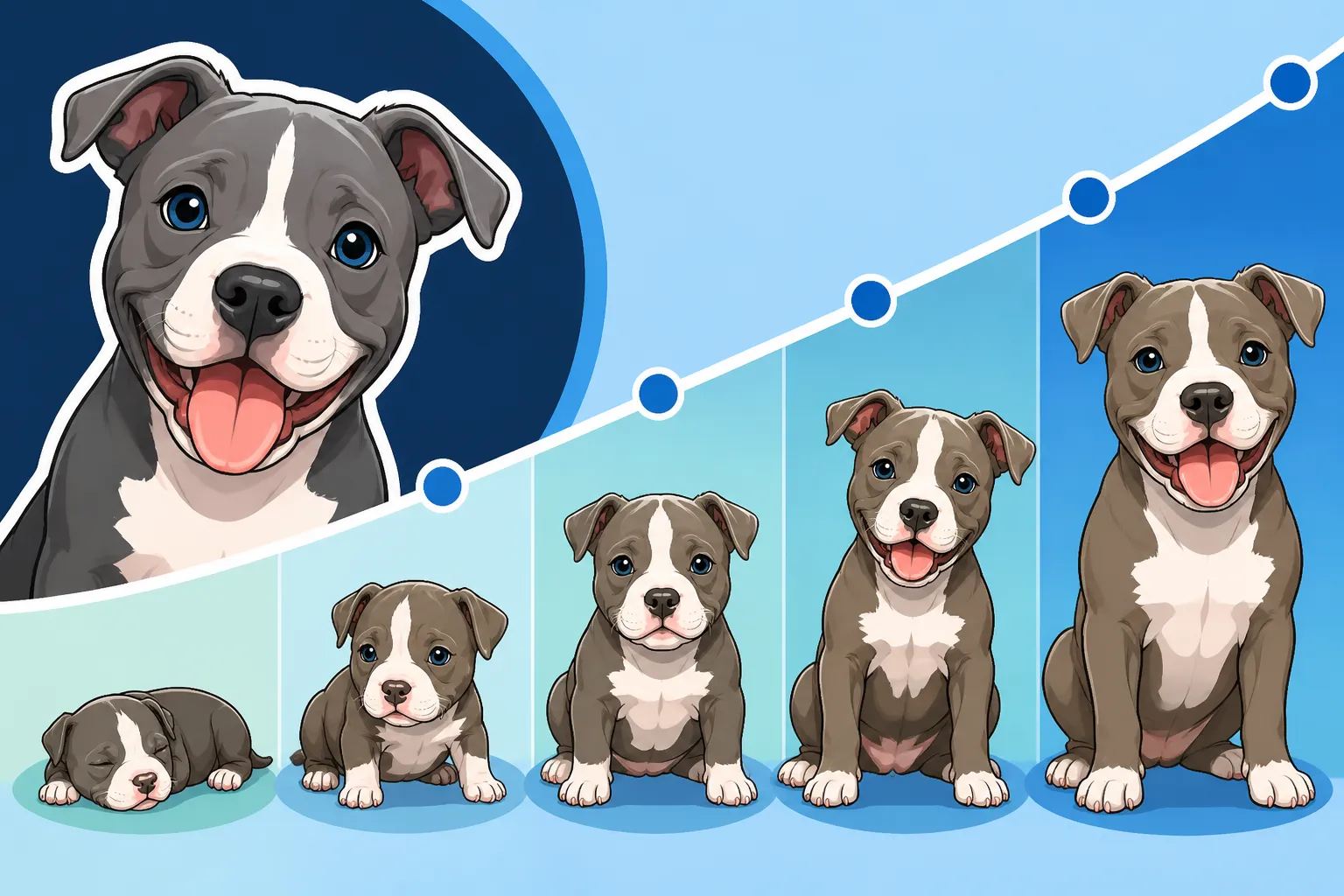
A Pit Bull puppy's growth is a dynamic process, moving through several distinct stages, each with its own characteristics. Initially, there's an explosive period of rapid weight gain, fueled by their mother's milk and then puppy food. This is when they seem to double in size overnight, transforming from helpless little bundles into more coordinated, inquisitive pups.
As they transition into adolescence, typically around 4-6 months, the growth rate might appear to slow slightly, though they are still growing significantly in height and length. This is often the gangly stage, where their limbs seem too long for their bodies, and they might look a bit disproportionate. Around this time, you'll also start to notice the development of muscle definition, particularly if they are getting appropriate exercise and nutrition. They're still building bone and soft tissue, but their frame is solidifying. By the time they reach their first birthday, most Pit Bull types will have achieved much of their adult height, but their weight will continue to fill out as muscle mass increases. This "filling out" phase can last up to 18-24 months, sometimes even longer for larger individuals, as their skeletal system fully matures and musculature develops.
Pit Bull Puppy Weight: Month by Month Breakdown
Understanding the general progression of weight gain can offer peace of mind, but always remember that these are averages. Your puppy might be a little ahead or behind, and that's perfectly normal.
From Newborn to Three Months Old
The first few months of a Pit Bull puppy's life are marked by incredible, almost daily, changes in weight. Newborn puppies are tiny, often weighing less than a pound, and their primary goal is to eat and sleep. They gain weight rapidly, often doubling their birth weight in the first week. By the time they are weaned around 4-8 weeks, they will have transitioned from relying solely on their mother's milk to eating solid puppy food. During this time, they're not just growing outwards; their internal organs are maturing, their senses are developing, and they're learning crucial social skills from their littermates.
By two months old, a Pit Bull puppy might weigh anywhere from 8 to 15 pounds, depending on their ultimate adult size potential. They'll be energetic, curious, and exploring their world with gusto. At three months, you can expect them to be in the range of 15 to 25 pounds. This is a critical period for Pit Bull Puppy Vaccination and Parvovirus and early socialization. Consistent, high-quality nutrition is paramount, providing the necessary building blocks for their rapidly developing bones and muscles. A good quality puppy food, perhaps found on platforms like Chewy, is essential during this foundational period.
Four to Six Months: The Adolescent Spurt
This is often where you really start to see your Pit Bull puppy stretch out and gain significant height. Between four and six months, they are definitely out of the "baby puppy" stage and into an energetic, often mischievous, adolescence. Their skeletal system is undergoing rapid development, and while they may look lanky, they are quickly adding pounds. You’ll notice their coordination improving, and their play becoming more robust. This is also a time when many owners start focusing more intensely on training, as their puppies are becoming stronger and more independent.
A four-month-old Pit Bull puppy could easily be 20 to 35 pounds, and by six months, they might be in the 30 to 50-pound range. Again, this is a broad spectrum, reflecting the inherent variability in the "Pit Bull" type. It’s during this phase that you might feel like you’re feeding a bottomless pit! Their caloric needs are very high due to their rapid growth and increasing activity levels. Ensure you're following the feeding guidelines on your chosen high-quality puppy food, and regularly assess their body condition rather than just their weight on the scale. For specific feeding guidance tailored to growth, you might look into specialized large-breed puppy formulas, available from various brands on sites like Amazon.
Seven to Twelve Months: Nearing Adult Size
As your Pit Bull puppy enters this stage, their growth in height will start to slow down, but they will continue to gain weight as their frame fills out with muscle. By seven months, a Pit Bull puppy might weigh between 40 and 60 pounds. They are becoming more powerful and athletic, and their distinct "Pit Bull" build – broad chest, muscular legs – will become more pronounced. Many Pit Bull types will reach around 75-85% of their adult height by nine months, and a good portion of their adult weight by their first birthday.
By twelve months, most Pit Bull puppies will weigh between 45 and 75 pounds, again, depending heavily on their genetic predisposition and type. Some smaller individuals, like certain Staffordshire Bull Terriers or their mixes, might be at their adult weight by this point, while larger American Pit Bull Terriers or AmStaffs might still have a good 10-20 pounds to gain in muscle mass. This phase is crucial for continued controlled exercise and a balanced diet. You may also start considering when to transition them from puppy food to adult food, usually around 12-18 months, though some large breed formulas extend longer. The Age a Pit Bull Finishes Growing can extend beyond the one-year mark, especially for complete muscle development.
Beyond Twelve Months: Maturation and Filling Out
Even if your Pit Bull looks like an adult at one year old, they are likely not fully mature. While most of their height growth is complete by 12-18 months, many Pit Bull types will continue to fill out and gain muscle mass until they are 18-24 months old, sometimes even a bit longer for the largest individuals. This is the period where they transition from a lanky adolescent into a more mature, powerful adult. Their chest will broaden further, and their muscles will become more defined.
During this time, it's vital to continue monitoring their body condition. While they are still gaining weight, it should be healthy muscle mass, not fat. Overfeeding at this stage can lead to Pit Bull Obesity and Joint Strain, which can have long-term health consequences. Maintain a consistent feeding schedule with high-quality adult dog food appropriate for their activity level. Remember that the "Pit Bull" identity means a lot of muscle, and that muscle weighs more than fat. A lean Pit Bull will look very athletic, with a visible tuck-up at their waist and palpable, but not sharply protruding, ribs. Your veterinarian can help you determine if your dog is at an ideal weight and body condition.
Factors Influencing Pit Bull Puppy Weight
There's more to a puppy's weight than just the food in their bowl. Several critical factors come into play, shaping their growth trajectory and ultimate adult size.
Genetics and Parental Size
Hands down, genetics are the biggest player in determining your Pit Bull puppy's adult size and, by extension, their growth rate. Think of it like a blueprint. If your puppy's parents were both 60-pound American Pit Bull Terriers, it's highly likely your puppy will mature to a similar weight range. If one parent was a compact Staffie and the other a larger AmStaff, your puppy's adult weight could fall anywhere in between, or even sometimes outside that range due to the complexity of genetic inheritance.
If you adopted your puppy from a reputable breeder, they should be able to provide information on the parents' weights and sizes, offering a good prediction for your pup's future. For rescue puppies, where parental history is often unknown, observing their growth over time, coupled with vet assessments, becomes even more important. A good breeder will have health records for the parents, which can provide insight into their genetic health and potential size. What a Pit Bull Health History Should Cover for the parents can be a useful piece of information for predicting your pup's future.
Nutrition and Diet Quality
Beyond genetics, nutrition is arguably the most controllable and significant factor in a puppy's healthy development. A growing Pit Bull puppy, with its dense bone structure and propensity for muscle, needs a diet rich in high-quality protein, balanced fats, and carbohydrates, along with essential vitamins and minerals. The quality of the food matters immensely. Cheap, filler-heavy foods simply won't provide the optimal nutrients for building strong bones, healthy muscles, and a robust immune system.
It's crucial to feed a food specifically formulated for puppies, and often, for "large breed puppies" due to the Pit Bull's potential size and rapid growth. These formulas are designed with controlled calcium and phosphorus levels to support proper bone development and prevent overly rapid growth, which can sometimes contribute to orthopedic issues. Overfeeding a puppy is just as detrimental as underfeeding. It can lead to them growing too fast, putting undue stress on their developing joints. This is a common concern that can lead to problems like Pit Bull Hip Dysplasia Showing at One to Two Years. Always measure your puppy's food, following the guidelines on the bag for their age and expected adult weight, and adjust as needed based on their body condition. Services like Ollie offer fresh, human-grade food that can be customized to your puppy's needs, or you can find a wide variety of reputable brands on platforms like Chewy.
Exercise and Activity Levels
Appropriate exercise plays a supporting but vital role in shaping your Pit Bull puppy's weight and overall physical development. While nutrition provides the building blocks, exercise helps to strengthen bones, develop healthy musculature, and maintain a lean body condition. Pit Bulls are naturally athletic and energetic, and a growing puppy needs outlets for that energy.
However, moderation is key, especially during their rapid growth phases. Too much high-impact exercise – like excessive jumping, long runs on hard surfaces, or strenuous agility work – can be detrimental to their developing joints and growth plates. These soft areas of cartilage at the ends of long bones are susceptible to injury until they close, typically around 12-18 months of age. Instead, focus on controlled, low-impact exercise like walks, supervised play in a yard, and short training sessions. This helps to build strength and coordination without overstressing their growing bodies. Puppy playtime with other well-socialized, similar-sized puppies can also be beneficial, allowing them to burn energy and learn social cues.
Health and Parasite Control
A puppy's health status can significantly impact their ability to gain weight and grow properly. Internal parasites, commonly known as worms, are a frequent culprit. Puppies can be born with worms or contract them from their mother's milk or environment. These parasites steal vital nutrients, leading to poor growth, a dull coat, a pot-bellied appearance, and sometimes diarrhea or vomiting. This is why regular deworming protocols, as recommended by your vet, are so important in puppyhood. Year-Round Parasite Cover for a Pit Bull is crucial from a young age.
Beyond parasites, any illness or chronic health condition can affect a puppy's appetite, digestion, and energy levels, thereby impeding healthy weight gain. Common puppy ailments like upper respiratory infections or gastrointestinal upsets can cause temporary setbacks in growth. More serious conditions, though less common, could have a more lasting impact. Regular veterinary check-ups are essential to catch any health issues early. Your vet will monitor your puppy's weight, overall health, and body condition, and address any concerns promptly to ensure they continue on a healthy growth curve.
When to Be Concerned About Your Pit Bull Puppy's Weight
While weight charts provide a good general guide, your puppy's individual health and body condition are more important than hitting an exact number on the scale. Knowing what to look for can help you identify if there's a potential issue.
Signs of Underweight or Stunted Growth
It can be tough to tell if your energetic Pit Bull puppy is genuinely underweight or just naturally lean. However, there are some clear indicators that your puppy might not be gaining weight appropriately or could be experiencing stunted growth. If you can easily see your puppy's ribs, hip bones, and vertebrae sharply defined without having to feel for them, they are likely too thin. Their belly might appear severely tucked up, and their coat could look dull and unhealthy. Lack of energy, lethargy, or a reluctance to play can also be red flags, as can persistent digestive issues like chronic diarrhea.
Stunted growth means your puppy isn't reaching their expected size milestones for their age. If your puppy seems significantly smaller than their littermates (if you have that comparison) or falls far below the average weight ranges for Pit Bull puppies of their age, it's a good reason to consult your veterinarian. They can rule out underlying health problems, parasites, or nutritional deficiencies and recommend a tailored plan to get your pup back on track. Remember, a thin puppy needs a vet check-up, not just more food, as simply increasing food without addressing an underlying cause might not solve the problem and could even cause digestive upset.
Risks of Overweight Puppies
While some owners worry about their puppy being too thin, being overweight as a puppy can be just as, if not more, detrimental in the long run, especially for a muscular, robust breed like a Pit Bull. Puppy fat might look cute, but carrying excess weight during periods of rapid bone and joint development places undue strain on those delicate structures. This added stress can increase the risk or severity of orthopedic problems such as hip and elbow dysplasia later in life. It's much easier to prevent obesity in puppyhood than to try and manage it in adulthood once the habits are set and the damage to joints may have begun.
You should aim for your Pit Bull puppy to have a lean, athletic build. You should be able to easily feel their ribs when you run your hands along their sides, but not see them prominently. They should have a noticeable "waist" or tuck-up behind their rib cage when viewed from above and from the side. If your puppy looks round or barrel-shaped, has no visible waist, or you struggle to feel their ribs, they are likely carrying too much weight. Your vet can teach you how to assess your puppy's body condition score (BCS), which is a far more accurate measure of health than just the number on the scale. Adjusting their food intake or increasing appropriate exercise will be key to managing their weight. Telling Muscle From Fat on a Pit Bull is a skill you'll develop over time, but starting lean is always the goal.
General Pit Bull Puppy Weight Ranges by Age
Please remember, these are very general guidelines for the Pit Bull type (American Pit Bull Terrier, American Staffordshire Terrier, and their common mixes). Individual variation will be significant, and your vet is the best source of personalized advice.
| Age | Approximate Weight Range (Pounds) | Key Developmental Notes |
|---|---|---|
| Newborn | <1 – 2 | Rapid doubling of birth weight in first week, feeding, sleeping |
| 1 Month | 3 – 8 | Developing senses, exploring, still mostly mother's milk |
| 2 Months | 8 – 15 | Weaning, eating solid puppy food, active play, first vaccines |
| 3 Months | 15 – 25 | Increasing energy, social learning, rapid growth spurt |
| 4 Months | 20 – 35 | Lanky adolescent phase, significant height gain, higher caloric needs |
| 5 Months | 25 – 45 | Continued rapid growth, increasing strength, intense training period |
| 6 Months | 30 – 50 | Approaching half their adult weight, significant muscle development begins |
| 7-9 Months | 40 – 65 | Height growth slowing, filling out with muscle, nearing adult frame |
| 10-12 Months | 45 – 75 | Most height achieved, continued muscle development, nearing adult weight |
| 12-18 Months | 50 – 80+ | Continued filling out, full muscle maturation, reaching full adult size |
This article is for general informational purposes only and does not constitute professional advice. Laws, prices and regulations vary by location and change over time. Consult a qualified professional for guidance on your specific situation.