Whether a Pit Bull Needs Conditioner
It's a common misconception that because Pit Bulls have those sleek, short coats, they don't need much in the way of advanced grooming. Many new Pit Bull owners (and even some seasoned ones!) quickly find themselves battling dry, flaky, or perpetually itchy skin, and they wonder if they're missing a trick. This guide is here to shed some light on whether conditioner should be a regular part of your Pit Bull's bath time routine, and how it can make a real difference to their comfort and coat health.
Why Pit Bull Skin and Coat Health is a Big Deal
Let's be honest, those short, muscular Pit Bull coats look pretty low maintenance, right? A quick brush, a sporadic bath, and you're good to go. But many Pit Bull parents quickly realize that beneath that smooth exterior often lies a sensitive skin battleground. Unlike breeds with thick double coats that offer a lot of natural protection and oil distribution, a Pit Bull's single, short coat leaves their skin quite exposed and vulnerable.
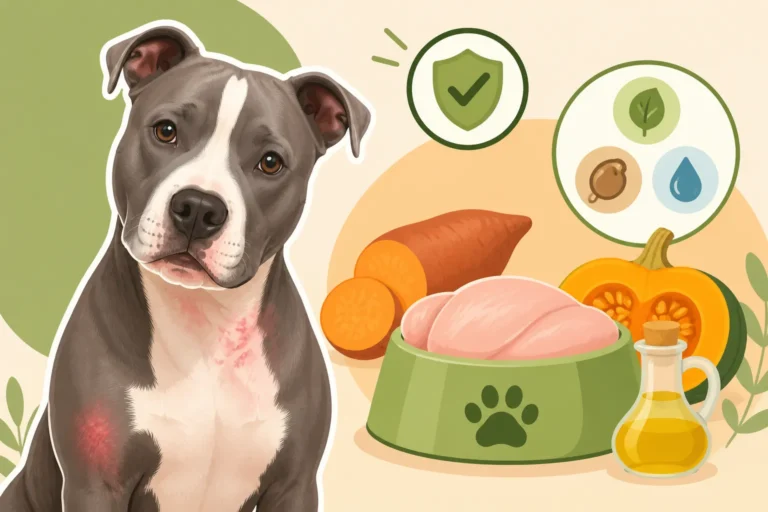
Think about it: their skin is the first line of defense against environmental irritants like pollen, dust mites, and even harsh detergents. When that barrier is compromised, either by dryness or an allergic reaction, it can quickly lead to discomfort. You might notice your beloved Pit Bull constantly scratching, rubbing their face against the furniture, or even Pit Bull Paw Licking and Chewing their feet raw. These aren't just minor annoyances; they're signs that their skin barrier isn't as robust as it should be, and dryness can certainly exacerbate these issues.
The texture of their coat also plays a role. While short, the hairs can sometimes be coarse or brittle, especially if the skin underneath isn't well-hydrated. This can lead to a dull-looking coat, excessive shedding (even short hairs can make a mess!), and a general lack of that healthy, vibrant shine we all want for our dogs. When the skin is dry, it tends to produce less natural oil, or the oils it does produce aren't effectively distributed, further perpetuating the cycle of dryness and irritation. It’s a frustrating loop for owners to navigate, especially when they’re doing their best to keep their pup comfortable. The question of Whether a Pit Bull Mix Inherits Its Skin Problems is also a common concern, highlighting the widespread nature of these sensitivities.
The Undeniable Benefits of Conditioning Your Pit Bull
So, does a Pit Bull really need conditioner? The answer, for many, is a resounding yes. It's not just about aesthetics; it's about supporting their skin health and comfort. Conditioner, especially formulations designed for sensitive skin, acts as a crucial barrier restorer and moisturizer.
First and foremost, it hydrates the skin. After a shampoo, even a gentle one, the skin's natural oils can be stripped away, leaving it feeling dry and tight. This is especially true if you're using a medicated shampoo to address allergies or infections. A good conditioner helps replenish moisture, sealing it into the skin and hair shaft. Imagine how your own skin feels after a shower without lotion – that's what your Pit Bull might be experiencing. This added hydration can significantly reduce dryness, flakiness, and the associated itchiness that drives so many Pit Bulls crazy.
Secondly, conditioner can reduce static and improve coat texture. While Pit Bulls don't typically get tangled like long-haired breeds, a well-conditioned coat is smoother, softer, and often sheds less. The individual hairs are less prone to breakage and lie flatter, contributing to that healthy, glossy look. This can make regular grooming, even just a quick wipe-down or brush, much more effective and comfortable for your dog. A healthy coat is a sign of healthy skin, and that coveted Pit Bull Coat Shine and What It Reflects often comes from diligent skin and coat care.
Third, for Pit Bulls prone to allergies or skin issues, conditioner can be a vital part of a comprehensive care plan. If your vet has prescribed Medicated Baths for a Pit Bull With Atopy, following up with a soothing, hypoallergenic conditioner can help calm irritated skin, lock in the benefits of the medicated shampoo, and prevent further dryness that could trigger more itching. It creates a protective layer, allowing the skin to heal and rebuild its natural defenses. This is particularly important for conditions like Pit Bull Skin Allergies and the Atopy Pattern, where maintaining skin integrity is key.
In essence, conditioner supports the skin's natural barrier function, making it more resilient against environmental aggressors and less prone to the cycle of itch, scratch, and irritation. It’s about being proactive in their care, rather than always reacting to a flare-up.
Choosing and Applying the Right Conditioner for Your Pit Bull
Selecting the right conditioner for your Pit Bull can feel a bit overwhelming with so many options out there, but focusing on their specific needs makes it easier.
When looking for a conditioner, prioritize products that are:
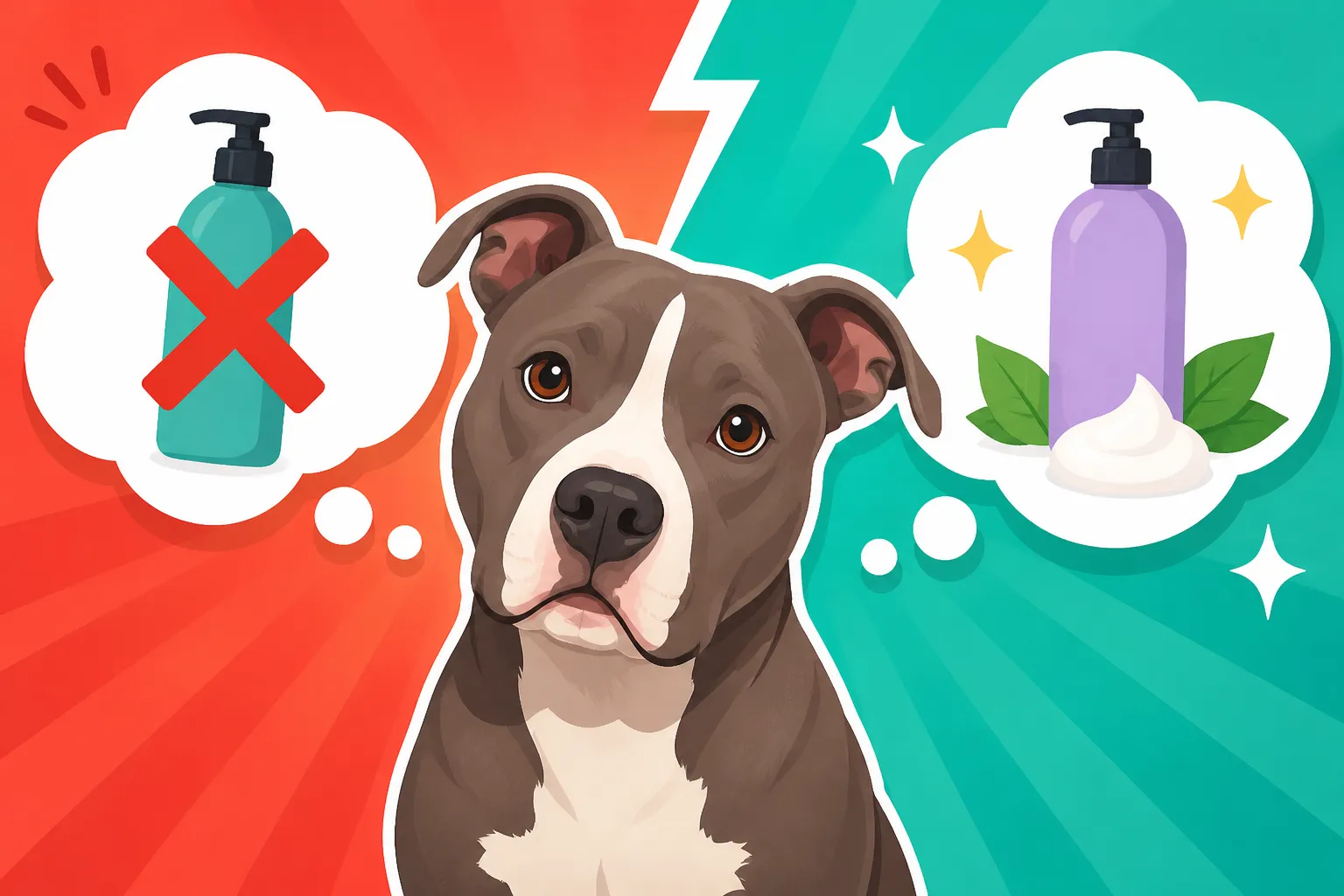
- Hypoallergenic: This is crucial, especially for Pit Bulls prone to allergies. Look for terms like "fragrance-free," "dye-free," and "for sensitive skin."
- Moisturizing: Ingredients like oatmeal, aloe vera, shea butter, coconut oil, or ceramides are excellent for soothing and hydrating dry or irritated skin. These natural emollients can help calm inflammation and provide lasting moisture.
- pH-balanced for dogs: Human conditioners have a different pH level than canine skin, which can disrupt their natural skin barrier and cause more problems. Always choose a product specifically formulated for dogs.
- Rinse-out or Leave-in: Most conditioners are rinse-out, applied after shampoo and then thoroughly rinsed. Leave-in conditioners can be good for extra dry spots or between baths, but ensure it won't cause build-up or irritation.
Many excellent options are available from reputable pet suppliers online. For instance, you can find a wide range of sensitive-skin and hypoallergenic conditioners on Chewy or Amazon, often with customer reviews that can help guide your choice. Brands specializing in dermatological care are always a good starting point.
Here’s a simple guide to applying conditioner effectively:
- Shampoo First, Rinse Thoroughly: Always start with a good shampoo to clean the coat and skin. Make sure to rinse all the shampoo out completely before moving on. Any leftover shampoo can irritate the skin.
- Apply Generously: Squeeze out a good amount of conditioner into your hands. For a Pit Bull's short coat, you might not think you need much, but remember you're aiming to treat the skin beneath the fur.
- Massage into Skin and Coat: Work the conditioner into their coat, paying special attention to dry patches, the belly, armpits, and paws. Really get it down to the skin. This isn't just a surface treatment.
- Let It Sit: Most conditioners recommend leaving it on for 3-5 minutes. This allows the ingredients time to penetrate and do their work. This is a great time for some gentle petting and praise, or a quick ear massage.
- Rinse, Rinse, Rinse! This is perhaps the most important step. Just like with shampoo, any residue left behind can cause irritation and attract dirt. Rinse until the water runs clear and the coat no longer feels slick or slimy. It might take longer than you think, particularly on a short coat where it's easy to miss spots. After rinsing, follow up with Drying a Pit Bull After a Bath thoroughly to prevent skin issues.
Here’s a quick overview of conditioner types and their common benefits:
| Conditioner Type | Key Benefits | Ideal For | Considerations |
|---|---|---|---|
| Oatmeal-Based | Soothes itchy, irritated skin; moisturizes. | Allergic skin, dry skin, general maintenance. | Excellent for calming active flare-ups. Look for colloidal oatmeal. |
| Ceramide/Lipid-Rich | Repairs skin barrier; locks in moisture. | Chronic dry skin, compromised skin barrier, post-medicated shampoo. | Can be more expensive but highly effective for barrier repair. |
| Aloe Vera-Based | Anti-inflammatory, soothing, hydrating. | Sunburn, minor irritation, general soothing after outdoor activities. | Ensure it's pure aloe and dog-specific, as some additives can be harmful. |
| Hypoallergenic/Fragrance-Free | Reduces risk of allergic reactions; gentle. | Extremely sensitive Pit Bulls, those with unknown allergies, puppies. | Often less "luxurious" scent, but prioritizing skin health is key. |
| Leave-In Sprays | Quick hydration, detangling (for longer hairs). | Spot treatment for dry areas, quick refresh between baths, extra shine. | Avoid heavy application to prevent residue; ensure it's non-irritating if licked. |
Remember, consistency is key. If your Pit Bull has dry or itchy skin, incorporating conditioner into their regular routine can make a world of difference.
When Conditioner Alone Isn't Enough
While conditioner is a powerful tool in your Pit Bull's grooming arsenal, it's essential to understand that it's often part of a larger picture. If your Pit Bull is experiencing severe, persistent, or worsening skin issues, conditioner might offer temporary relief, but it won't address the underlying cause.
Here are signs that you need to consult your veterinarian, even if you're diligent with conditioning:
- Persistent Itching and Scratching: If your Pit Bull is still scratching relentlessly despite regular conditioning and appropriate shampoos, there's likely an underlying issue. This could be environmental allergies (atopy), food allergies, or parasites.
- Redness, Rashes, or Bumps: Any widespread skin inflammation, a recurring rash on their belly, or the appearance of unusual bumps warrants a vet visit. These can indicate infections (bacterial, yeast), contact dermatitis, or other conditions. For example, Yeast Infections in Pit Bull Skin Folds are quite common and require specific medical treatment, not just conditioner.
- Hair Loss or Lesions: Patches of hair loss, scabs, crusts, or open sores are definite red flags. These suggest a more serious problem that needs veterinary diagnosis and treatment.
- Foul Odor: A strong, yeasty, or otherwise unpleasant odor coming from the skin or ears often points to a bacterial or yeast overgrowth that needs medication.
- Changes in Behavior: If your Pit Bull is unusually lethargic, losing appetite, or seems generally unwell in conjunction with skin issues, it's time to see the vet.
Your vet might recommend diagnostic tests such as skin scrapings to check for mites (like Demodex), cytology to look for yeast or bacteria, or even allergy testing to pinpoint specific triggers. They may prescribe medicated shampoos, oral antibiotics, antifungals, antihistamines, or other medications to get the issue under control.
Conditioner then becomes an invaluable supportive therapy, helping to maintain skin health after the primary issue has been addressed or while managing chronic conditions. It works in conjunction with medical treatment, not as a replacement for it. Think of it this way: if your Pit Bull has a severe infection, conditioner might make them more comfortable, but it won't kill the bacteria. However, once the antibiotics kick in, a good conditioner helps the healing skin stay moisturized and strong, reducing the chance of secondary irritation. Understanding that Pit Bull Allergy Treatment as a Recurring Bill often involves a multi-faceted approach, including both medical and supportive care, is crucial for long-term management.
Ultimately, a healthy Pit Bull coat starts with healthy skin. And for many of our beloved Pits, especially those with sensitivities, conditioner is a simple yet powerful step toward achieving that vibrant coat and happy, itch-free life.
Disclaimer
This article is for general informational purposes only and does not constitute professional advice. Laws, prices and regulations vary by location and change over time. Consult a qualified professional for guidance on your specific situation.