Pit Bull Dental Care Around Hard Chewing
It’s a common frustration for Pit Bull owners: you buy a new, seemingly indestructible chew toy, only to find it shredded into tiny pieces within an hour, or worse, discover your beloved companion has chipped a tooth on something meant to be beneficial. Pit Bulls, with their powerful jaws and love for chewing, face unique dental challenges that demand a thoughtful, proactive approach. This guide is here to walk you through everything you need to know about keeping your Pit Bull's teeth healthy and strong, preventing costly and painful dental issues, especially given their intense chewing habits.
The Unique Challenges of Pit Bull Dental Health
Pit Bulls are renowned for their strength, athleticism, and, let's be honest, their formidable chewing power. This isn't just a quirky trait; it's a significant factor in their dental health that requires specific attention from owners. While many breeds enjoy a good chew, a Pit Bull’s dedication to it, combined with the sheer force they can exert, means their teeth and gums are under constant pressure.
The Strength of a Pit Bull's Jaw
If you've ever played tug-of-war with a Pit Bull, you understand the incredible power behind their bite. Their wide, strong jaws are built for holding and pulling, a legacy of their bull-baiting and ratting ancestry. This isn't about aggression, but about pure physical capability. When a Pit Bull applies this strength to a chew toy or a bone, the impact on their teeth can be immense. Imagine the force required to tear through tough rawhide or splinter a seemingly solid bone – that's the daily reality for a Pit Bull’s molars and canines. This inherent strength means that what might be a perfectly safe chew for a smaller, less powerful dog could be a dental hazard for a Pit Bull, leading to fractures, worn enamel, or even luxated teeth if not managed carefully. Understanding this power is the first step in providing appropriate dental care.
When we talk about jaw strength, it's not just about the PSI (pounds per square inch) of their bite, which is often exaggerated but still significant; it’s about the sustained pressure they can apply. A Pit Bull can systematically work on an object, finding weak points and exerting pressure until it gives way. This determined chewing can quickly break down toys or chews that are not specifically designed to withstand such force. Owners frequently report going through "indestructible" toys in mere minutes, a testament to this incredible power. This constant, forceful engagement can put undue stress on the periodontal ligaments that hold teeth in place, potentially leading to instability over time, even if no immediate fracture occurs.
Why Hard Chewers Face Unique Dental Risks
The very act of rigorous chewing, while natural and often beneficial for mental stimulation, carries specific risks for dogs with powerful jaws. The primary concern is dental fractures. Chewing on objects that are too hard – things like natural bones, antlers, nylon bones not specifically rated for extreme chewers, or even ice cubes – can cause teeth to chip, crack, or break. These fractures can range from minor enamel chips, which might expose dentin and cause sensitivity, to full crown fractures that expose the pulp chamber, leading to excruciating pain and a high risk of infection. A fractured tooth is not just a nuisance; it's a serious medical issue that often requires costly veterinary intervention, such as extraction or root canal therapy.
Beyond fractures, excessive hard chewing can also lead to accelerated tooth wear. Over time, the constant abrasion can grind down the cusps of the teeth, particularly the molars, making them flat and potentially exposing sensitive inner layers. This can cause discomfort and make eating certain foods painful. Another risk is associated with inappropriate chew materials. Some chews can wear unevenly or have sharp edges once chewed, leading to cuts or abrasions on the gums and oral mucosa. These minor injuries, if not addressed, can become sites for bacterial infection, contributing to gum disease. The drive to chew is strong in Pit Bulls, and owners must channel this instinct safely to protect their dog’s oral health.
Common Dental Issues in Pit Bulls
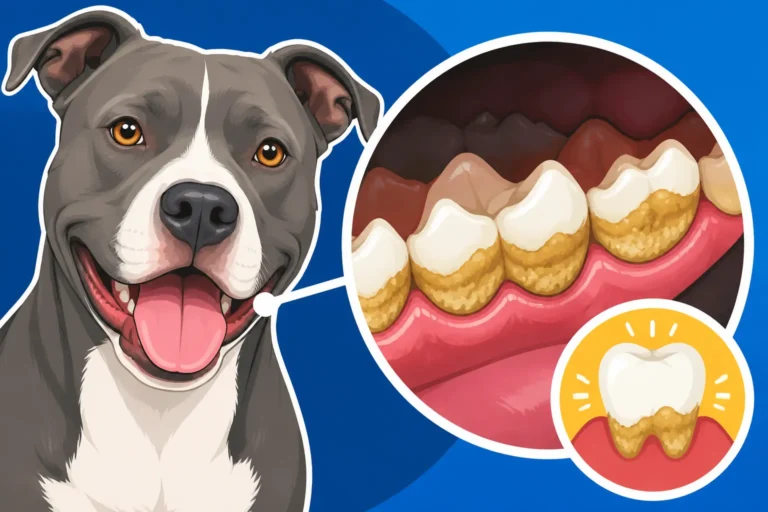
While Pit Bulls might have strong teeth, they are not immune to the dental problems that affect all dogs, and their chewing habits can exacerbate some of these. One of the most common issues is periodontal disease, an infection of the tissues surrounding the teeth. This starts with plaque, a sticky film of bacteria, food particles, and saliva. If not removed, plaque hardens into tartar (calculus), which irritates the gums, leading to gingivitis (inflamed gums). Untreated gingivitis progresses to periodontitis, where the infection spreads below the gum line, damaging the bone and ligaments that support the teeth. Signs include bad breath, red or bleeding gums, pain, and loose teeth.
Fractured teeth are another frequent problem, directly linked to hard chewing. As mentioned, even seemingly safe items can pose a risk. These fractures are often not visible on the surface but can extend deep into the tooth. Dental abscesses, painful pockets of infection that form at the root of a tooth, can also result from severe periodontal disease or untreated fractures. These can be incredibly painful and may even cause facial swelling. Lastly, Pit Bulls can suffer from malocclusions (misaligned bites) or retained deciduous (puppy) teeth, though these are less common and usually identified during puppyhood. Regular monitoring and appropriate preventative measures are crucial to mitigate these common issues in such a robust breed.
Recognizing Dental Problems in Your Pit Bull
As responsible Pit Bull parents, knowing the signs of dental trouble is key. Our dogs are experts at hiding pain, so we need to be vigilant. What might seem like a minor behavioral change could actually be your Pit Bull telling you their mouth hurts. Ignoring these subtle cues can lead to worsening conditions, increased pain for your dog, and more expensive treatments down the line. It's about being observant and taking action early.
Visual Signs of Dental Distress
A thorough visual check of your Pit Bull's mouth, if they'll allow it, can reveal a lot. Start by gently lifting their lips to examine their gums and teeth. Healthy gums should be a salmon pink color and lie snugly around the teeth. Red, swollen, or bleeding gums are a clear sign of gingivitis or more advanced periodontal disease. You might also notice a gritty, brown, or yellow accumulation on the tooth surface, especially on the back molars and canines – this is tartar. The more tartar, the more severe the underlying plaque buildup and potential for gum disease.
Beyond the gums, examine the teeth themselves. Look for any chips, cracks, or discoloration. A dark spot on a tooth could indicate a fracture exposing the pulp, or even a dead tooth. Missing teeth are also a red flag, as they could be due to severe disease or trauma. Pit Bull Dental Disease and Hard Chewing delves deeper into these visual cues. You might also observe swelling on one side of their face, particularly under the eye, which can indicate a tooth root abscess, often stemming from an infected upper molar. Lastly, check their breath. While "dog breath" is often accepted, truly foul, persistent bad breath is rarely normal and is almost always a sign of bacterial overgrowth from plaque and tartar.
Behavioral Clues Your Pit Bull Has Dental Pain
Because dogs instinctually try to hide pain, behavioral changes can be subtle but important indicators. If your Pit Bull suddenly becomes less enthusiastic about eating, especially hard kibble or favorite chews, dental pain could be the culprit. They might start chewing only on one side of their mouth, drop food while eating, or even avoid eating altogether. You might also notice them rubbing their face against furniture or pawing at their mouth, attempting to alleviate discomfort. A decrease in playtime, particularly with tug toys or fetch, could also stem from a sore mouth.
Other signs include excessive drooling, sometimes with blood in the saliva, or changes in temperament like becoming withdrawn, irritable, or even snapping when their head or mouth is touched. A typically calm Pit Bull who suddenly recoils when you go to give them a head pat might be signaling pain. Some dogs might become less engaged with their favorite chew toys, or try to chew them in an unusual, softer manner. Any deviation from their normal eating, playing, or social behavior warrants a closer look at their dental health. Keep a journal of these changes, no matter how small, as they can provide valuable information to your veterinarian.
The Importance of Regular Vet Check-ups
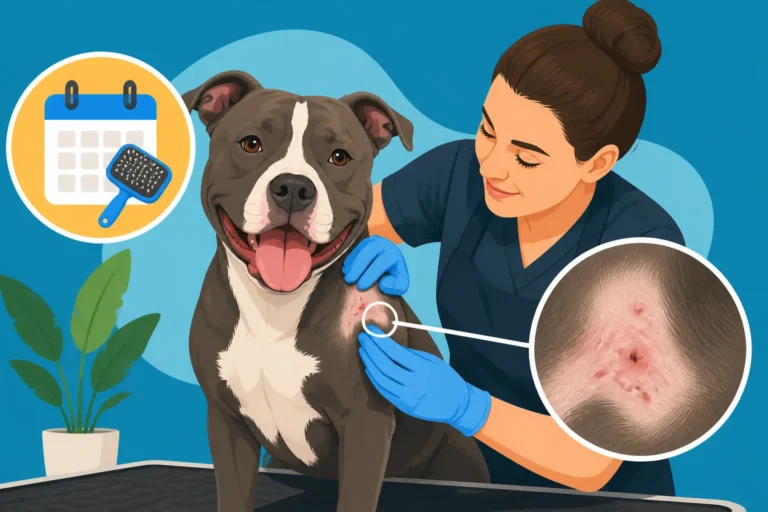
Even if your Pit Bull shows no obvious signs of dental distress, regular veterinary check-ups are paramount. Your vet can perform a thorough oral examination, often spotting issues that you might miss at home. They can assess the extent of plaque and tartar buildup, check for gum inflammation, and identify any suspicious lesions or growths in the mouth. These routine examinations are also when your vet can recommend a professional dental cleaning under anesthesia, which is the only way to truly assess and treat dental disease below the gum line.
Think of these check-ups as your Pit Bull's version of going to the dentist. They are crucial for early detection and intervention. Many dental problems, especially periodontal disease, progress slowly and painlessly until they reach an advanced stage. By the time your dog is visibly in pain, the condition is often severe. Regular check-ups allow for preventative measures and early treatment, which can save your Pit Bull from significant pain and you from much higher veterinary bills. Discussing a Pit Bull Dental Cleaning Schedule with your vet during these visits can help you stay on top of their oral health needs.
Preventative Dental Care: Your First Line of Defense
When it comes to your Pit Bull's teeth, prevention is always better than cure. Given their strong jaws and propensity for chewing, an effective preventative dental routine is non-negotiable. This isn't just about avoiding bad breath; it's about safeguarding their overall health and ensuring they live a comfortable, pain-free life, free from the complications of dental disease.
Daily Brushing Techniques for a Strong Chewer
Brushing your Pit Bull's teeth daily is the gold standard for preventing plaque and tartar buildup. Yes, daily! This might sound daunting, especially with a strong-willed Pit Bull, but with patience and positive reinforcement, it's entirely achievable. Start slowly, introducing them to the toothbrush and dog-specific toothpaste (never human toothpaste, as it contains xylitol which is toxic to dogs). Let them lick the toothpaste off your finger first, associating it with a positive experience. Then, gently introduce the brush to just a few teeth, gradually increasing the duration and number of teeth over several days or weeks.
The key is to focus on the outer surfaces of the teeth, especially the molars and canines, as these are most prone to plaque accumulation. Use a soft-bristled toothbrush or a finger brush. Brush in small, circular motions along the gum line. Reward generously with praise and a favorite treat immediately after each session. Consistency is critical. Even if you can only manage a minute or two, that daily effort makes a huge difference. Imagine not brushing your own teeth for days, weeks, or even years – that's what many dogs experience. Establishing this routine early in their life will make it much easier.
Dental Chews and Toys: Choosing Wisely
While brushing is ideal, certain dental chews and toys can complement your routine, though they are never a substitute for brushing or professional cleanings. The market is flooded with options, so choosing wisely for a powerful Pit Bull chewer is crucial. Look for dental chews that are specifically designed to reduce plaque and tartar through their abrasive action, but are also flexible enough not to cause fractures. Many reputable brands offer dental chews in various sizes and textures. Some are even fortified with enzymes or additives that help break down plaque. Chews That Do Not Crack Pit Bull Teeth is an excellent resource for selecting safe options.
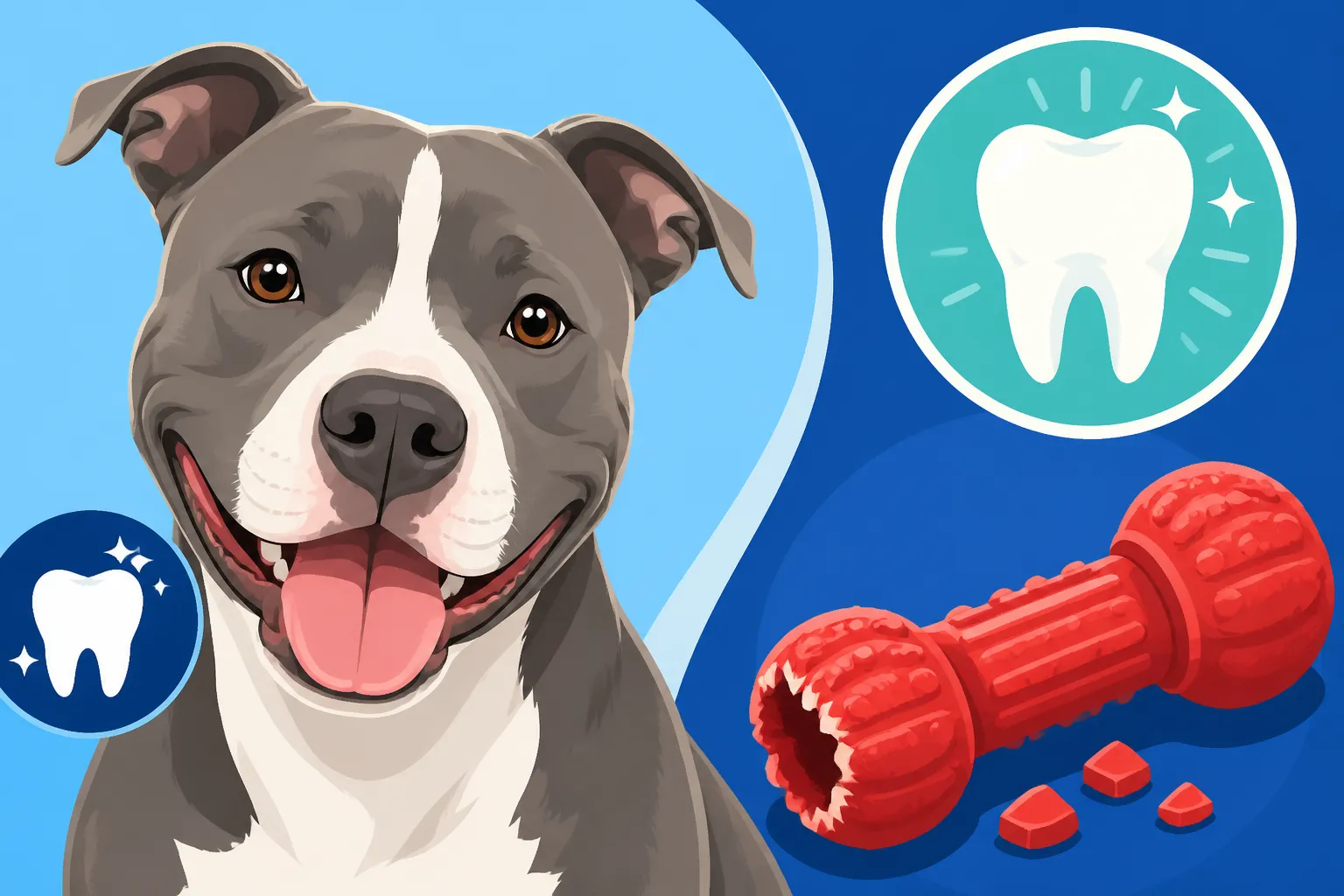
When selecting dental toys, prioritize those made from durable, yet yielding, materials like hard rubber (e.g., Kongs or Nylabones specifically for power chewers). These can provide hours of safe chewing satisfaction without posing the risk of splintering or fracturing teeth. Avoid anything that is harder than your dog's teeth. If you can’t indent it with your thumbnail, it’s probably too hard. Consider puzzle toys filled with dog-safe pastes or treats; these engage your Pit Bull mentally while encouraging gentle chewing, rather than aggressive grinding. Rotate toys to keep your dog interested and always supervise new chews to ensure they are being used safely and not disintegrating into dangerous pieces. Both Chewy and Amazon offer a wide selection of these tougher, safer chews, but always read reviews from other power-chewer owners.
Professional Dental Cleanings and Their Value
Despite your best efforts with home care, plaque and tartar will inevitably accumulate, particularly below the gum line, where brushing cannot reach. This is where professional dental cleanings come in. Performed under general anesthesia by your veterinarian, these cleanings allow for a thorough examination of every tooth, charting of periodontal pockets, scaling (removal of plaque and tartar from above and below the gum line), polishing to smooth the tooth surface and make it less prone to new plaque adhesion, and often dental X-rays to assess the health of the tooth roots and jawbone.
The value of professional cleanings cannot be overstated. They are essential for preventing and managing periodontal disease, which, if left untreated, can lead to chronic pain, tooth loss, and even systemic health problems as bacteria from the mouth can enter the bloodstream and affect organs like the heart, kidneys, and liver. Your vet will assess your Pit Bull's overall health before anesthesia, ensuring it's as safe as possible. While the idea of anesthesia might be concerning, the benefits of a clean, healthy mouth far outweigh the risks for most dogs. Discuss with your vet how often your Pit Bull might need these cleanings; it varies based on individual factors, but often annually or every few years.
Nutrition and Diet for Optimal Dental Health
Beyond brushing and chews, what you put into your Pit Bull’s food bowl can play a surprisingly significant role in their dental health. It’s not just about what they eat, but also the texture, ingredients, and even how often they eat. A well-chosen diet can support strong teeth and healthy gums, complementing your other dental care efforts.
Dry Kibble vs. Wet Food: Impact on Teeth
The age-old debate of kibble versus wet food isn't just about nutrition; it has implications for dental health too. Generally, dry kibble is often touted as being better for teeth due to its abrasive action. As dogs chew kibble, the crunching motion can help scrape away some loose plaque from the tooth surface, acting like a mild form of brushing. However, it's important to note that not all kibble is created equal. Small, easily swallowed kibble might offer minimal abrasive benefit, while larger, crunchier pieces designed for dental health can be more effective. Look for kibbles that carry a Veterinary Oral Health Council (VOHC) seal, indicating they meet standards for plaque and/or tartar reduction.
Wet food, on the other hand, provides virtually no abrasive action. Its soft, sticky texture can even cling to teeth, potentially contributing to plaque buildup if not followed by good oral hygiene. However, this doesn't mean wet food is inherently "bad" for teeth; it just means owners need to be extra diligent with brushing and other preventative measures if their Pit Bull is primarily on a wet food diet. Some Pit Bulls, especially those with dental pain or missing teeth, might require wet food to eat comfortably. For these dogs, the focus shifts even more heavily to active brushing and professional cleanings. Many owners opt for a mixed approach, offering both kibble and wet food, or incorporating dental chews to balance the effects.
The Role of Specific Nutrients in Gum Health
Just like with humans, a balanced diet rich in essential nutrients is vital for strong bones, teeth, and healthy gum tissue in Pit Bulls. Calcium and phosphorus, in the correct ratios, are critical for strong teeth and bone structure. Vitamin D is necessary for the absorption of these minerals. Vitamin C, while dogs can synthesize it, contributes to healthy gums and collagen production, supporting tissue integrity. Antioxidants like Vitamin E and beta-carotene can help reduce inflammation and oxidative stress in the oral cavity, which plays a role in periodontal disease progression.
High-quality dog foods, whether dry or wet, are formulated to provide these nutrients in appropriate amounts. If your Pit Bull is on a specialized diet (e.g., for allergies or kidney disease), ensure it's still nutritionally complete, consulting your vet if you have concerns about dental health. Foods rich in omega-3 fatty acids can also help reduce inflammation throughout the body, including the gums. Some brands like Ollie offer fresh food options that prioritize high-quality ingredients, which can contribute to overall health, though owners should still be diligent about daily brushing regardless of the food type. Avoiding highly processed foods with excessive sugars or simple carbohydrates is also wise, as these can feed the bacteria that contribute to plaque.
Avoiding Problematic Treats and Chews
This goes hand-in-hand with choosing safe chews but extends to everyday treats and certain "natural" items. Many popular dog treats, while delicious, can be high in sugars or starches that promote bacterial growth and plaque. Opt for treats that are specifically designed to be "dental treats" or those that are low in sugar and grain. Vegetables like carrots or apple slices (without seeds) can make great, healthy, and low-calorie treats that offer some mild abrasive action without the risk of fractures.
When it comes to chews, a significant number of items commonly given to dogs can be disastrous for a Pit Bull’s teeth. Raw bones, cooked bones, antlers, hooves, nylon bones not rated for extreme chewers, and ice cubes are all common culprits for fractured teeth. Cooked bones are particularly dangerous as they can splinter and cause internal damage. While a Pit Bull loves to chew, the pain and expense of a fractured tooth far outweigh the temporary joy of gnawing on an inappropriate item. Always apply the "thumbnail test": if you can't easily indent it with your thumbnail, it's too hard for your dog's teeth. Chews That Crack a Pit Bull Molar provides more detail on what to avoid. Be a vigilant gatekeeper of what goes into your Pit Bull’s mouth.
Addressing Advanced Dental Issues and Treatments
Despite the best preventative care, sometimes dental problems arise that require more than just brushing or dental chews. When severe gum disease, fractured teeth, or abscesses develop, specialized veterinary intervention becomes necessary. These situations often involve more extensive procedures, but they are crucial for alleviating pain and preventing further health complications.
Dealing with Fractured or Broken Teeth
A fractured tooth is a common and often painful issue for Pit Bulls, given their powerful jaws and love for hard chewing. If you suspect your Pit Bull has a broken tooth – perhaps you noticed a missing piece, a dark spot, or they're showing signs of pain – a vet visit is imperative. The treatment for a fractured tooth depends on the severity and location of the fracture. A minor chip might only require smoothing, but if the fracture exposes the pulp chamber (the inner part of the tooth containing nerves and blood vessels), immediate action is needed.
Untreated pulp exposure is incredibly painful and will almost certainly lead to infection and an abscess. Options include a root canal procedure, where the infected pulp is removed, the canal is cleaned and filled, and the tooth is capped to preserve it. This is often performed by a veterinary dental specialist. The alternative, and often more common approach for severely damaged or non-vital teeth, is extraction. Extracting a fractured tooth, particularly a large molar, can be a complex surgical procedure, often requiring bone removal and careful suturing of the gum. While losing a tooth sounds drastic, removing a source of chronic pain and infection significantly improves your Pit Bull's quality of life.
Treating Gum Disease and Periodontal Pockets
Periodontal disease, in its advanced stages, involves infection and inflammation that extends deep below the gum line, creating pockets where bacteria thrive and destroy the supporting bone and ligaments around the teeth. Professional dental cleaning under anesthesia is the first step, where scaling removes all plaque and tartar, and polishing smooths the tooth surface. However, for more advanced cases, additional treatments are often necessary.
Your vet will probe the gum pockets to determine their depth and the extent of bone loss. Deep pockets (typically anything over 3mm in dogs) are indicative of significant disease. Depending on the severity, treatments can include applying antimicrobial gels or antibiotics directly into the pockets. In very advanced cases with significant bone loss or severe pocketing, advanced periodontal surgery may be recommended. This might involve flap surgery to clean under the gum more thoroughly, or guided tissue regeneration to attempt to rebuild some of the lost bone and attachment. Ultimately, teeth with severe bone loss and deep pockets that cannot be salvaged must be extracted to eliminate the source of infection and pain.
Post-Procedure Care and Pain Management
After a dental procedure, whether it's an extraction or a root canal, your Pit Bull will require careful post-operative care to ensure a smooth recovery and prevent complications. They will likely be sent home with pain medication and possibly antibiotics. It’s crucial to administer these exactly as prescribed, even if your dog seems to be feeling better. Pain management is key to their comfort and recovery.
For a period after extractions, your vet will recommend feeding a soft diet to avoid irritating the surgical sites. This might mean temporarily switching from kibble to wet food or soaking their kibble until it's soft. Softening Meals for an Old Pit Bull offers guidance on preparing soft foods. You'll also need to restrict hard chews, tug toys, and sometimes even vigorous exercise for a week or two to allow the surgical sites to heal properly. Monitoring for any swelling, excessive bleeding, or refusal to eat is important, and you should contact your vet immediately if you notice any concerning signs. Regular follow-up appointments may be necessary to check healing progress. This recovery period is vital for securing the long-term success of the dental treatment.
Choosing Safe Chews and Toys for Your Pit Bull
This is probably one of the most critical sections for Pit Bull owners. Their impressive jaw strength means that a "safe" chew for many dogs can be a trip to the emergency vet for a Pit Bull. Making the right choices here can literally save your dog's teeth and prevent agonizing pain and expensive dental work. It's about understanding material science, canine anatomy, and the unique chewing style of a Pit Bull.
The "Thumbnail Test" for Chew Safety
I mentioned this before, but it bears repeating because it's such a simple, effective rule. The "thumbnail test" is your best friend when selecting chews and toys for your Pit Bull. Here's how it works: if you cannot easily indent the item with your thumbnail, it is too hard for your dog's teeth and poses a significant risk of dental fracture. This rule applies to everything from natural bones and antlers to some very hard nylon chews and even ice cubes.
Think about it: your Pit Bull’s tooth enamel is strong, but it's not indestructible. When they apply their considerable jaw strength to an object harder than their teeth, the tooth is far more likely to break than the object. A fractured tooth, especially a molar, is excruciatingly painful and often leads to infection. So, before you hand over any chew, try the thumbnail test. If it passes, it's generally safer. If it doesn't, put it back on the shelf, no matter how appealing it looks or how long it promises to last.
Rawhide, Bones, and Antlers: The Risks
Many popular chew items fall squarely into the "too hard" category and carry additional risks.
- Rawhide: While some rawhide is soft and pliable, many types become hard as they dry or after being chewed for a while. The biggest risk with rawhide is impaction or choking. Pieces can break off and become lodged in the esophagus or digestive tract, requiring emergency surgery. Furthermore, some rawhide processing involves harsh chemicals, which can be a concern for sensitive dogs. If you must use rawhide, opt for highly digestible, processed versions (like those from reputable brands often found on Chewy or Amazon) and supervise heavily.
- Bones (Cooked and Raw): Cooked bones are an absolute no-go. They are brittle and can splinter into sharp shards that can cause lacerations in the mouth, throat, or intestines, leading to internal bleeding or blockages. Raw bones, while often advocated by proponents of raw feeding, still carry a significant risk of dental fractures for powerful chewers like Pit Bulls. Even large recreational bones can cause slab fractures in molars. Beyond fractures, raw bones can pose a bacterial risk (salmonella, E. coli) and can cause constipation or intestinal blockages if swallowed in large pieces.
- Antlers: These are incredibly hard and are a very common cause of fractured teeth in power chewers. They don't yield at all under pressure, meaning the tooth takes the full impact. While they last a long time, the risk of a painful fracture simply isn't worth it.
- Hooves: Similar to antlers, hooves are exceptionally hard and offer no give, making them high-risk for tooth damage.
- Ice Cubes: While seemingly harmless, the rigidity and coldness of ice cubes can cause fractures, especially if chewed aggressively. Offer ice in shaved form or as cubes in a water bowl instead.
Durable, Tooth-Friendly Alternatives
So, what can you give your powerful Pit Bull chewer? The good news is there are plenty of excellent, safer alternatives that can satisfy their chewing instincts without jeopardizing their dental health.
- Rubber Chew Toys: High-quality, durable rubber toys are often the best choice. Brands like Kong (their "Extreme" line is specifically designed for power chewers) and GoughNuts produce toys that are nearly indestructible, yet have enough give to prevent tooth fractures. These can be stuffed with peanut butter, yogurt, or kibble, providing mental stimulation as well as chewing satisfaction.
- Soft Nylon Chews (for power chewers): Not all nylon chews are created equal. Look for brands that clearly state they are designed for "extreme" or "power" chewers. These are often made from a slightly softer, more flexible nylon that can be gnawed down without shattering teeth. Even with these, supervise initial use and always check for sharp edges as they wear down.
- Dental Chews: As mentioned earlier, choose VOHC-approved dental chews. Brands like Greenies, Dentastix, or VeggieDent offer options that are designed to be digestible and to provide some plaque-scraping action without being overly hard. Remember to factor these into your Pit Bull's daily calorie intake.
- Edible Chews (Highly Digestible): There are many highly digestible edible chews on the market made from ingredients like sweet potato, collagen, or yak cheese. Again, always check the hardness. If it's too rigid, it's out. Supervise these closely, especially with a Pit Bull, to ensure they aren't swallowing large chunks.
- Puzzle Toys: Toys that dispense treats or kibble as your dog manipulates them can be a fantastic way to engage their chewing and problem-solving skills without direct, hard impact on their teeth. Brands like Nina Ottosson and Outward Hound offer various levels of difficulty.
By carefully selecting safe, appropriate chews and toys, you can satisfy your Pit Bull's natural desire to chew while protecting their precious pearly whites. Always supervise new toys and chews, and when in doubt, consult your veterinarian. Prioritizing their dental health through smart choices is one of the kindest things you can do for your muscular companion. Pit Bull Dental Cleaning Schedule and Chews That Do Not Crack Pit Bull Teeth are valuable resources to help you maintain their oral hygiene.
| Chew Type | Pit Bull Safety Rating | Pros | Cons |
|---|---|---|---|
| Rubber Toys | High | Durable, flexible, mentally stimulating (stuffed) | Can be expensive, some still get destroyed, not always "dental" |
| Dental Chews | High | VOHC-approved, some plaque/tartar reduction | Not a substitute for brushing, calorie-dense |
| Soft Nylon Chews | Medium-High | Long-lasting, satisfies urge to chew | Some can still be too hard, can develop sharp edges |
| Edible Chews | Medium | Digestible, varied textures | Risk of choking/impaction if swallowed too fast, caloric |
| Rawhide | Low-Medium | Satisfies chewing urge | Choking/impaction risk, chemical processing concerns |
| Antlers/Hooves | Low | Extremely durable | High risk of tooth fracture, can cause gum injury |
| Bones (Raw) | Low | Some dental benefits claimed | High risk of tooth fracture, bacterial risk, choking/blockage |
| Bones (Cooked) | Very Low (NEVER) | Cheap, readily available | Splintering, choking, internal injury, blockage risk |
| Ice Cubes | Low | Cooling, fun for some | Risk of tooth fracture, especially with aggressive chewing |
Disclaimer
This article is for general informational purposes only and does not constitute professional advice. Laws, prices and regulations vary by location and change over time. Consult a qualified professional for guidance on your specific situation.