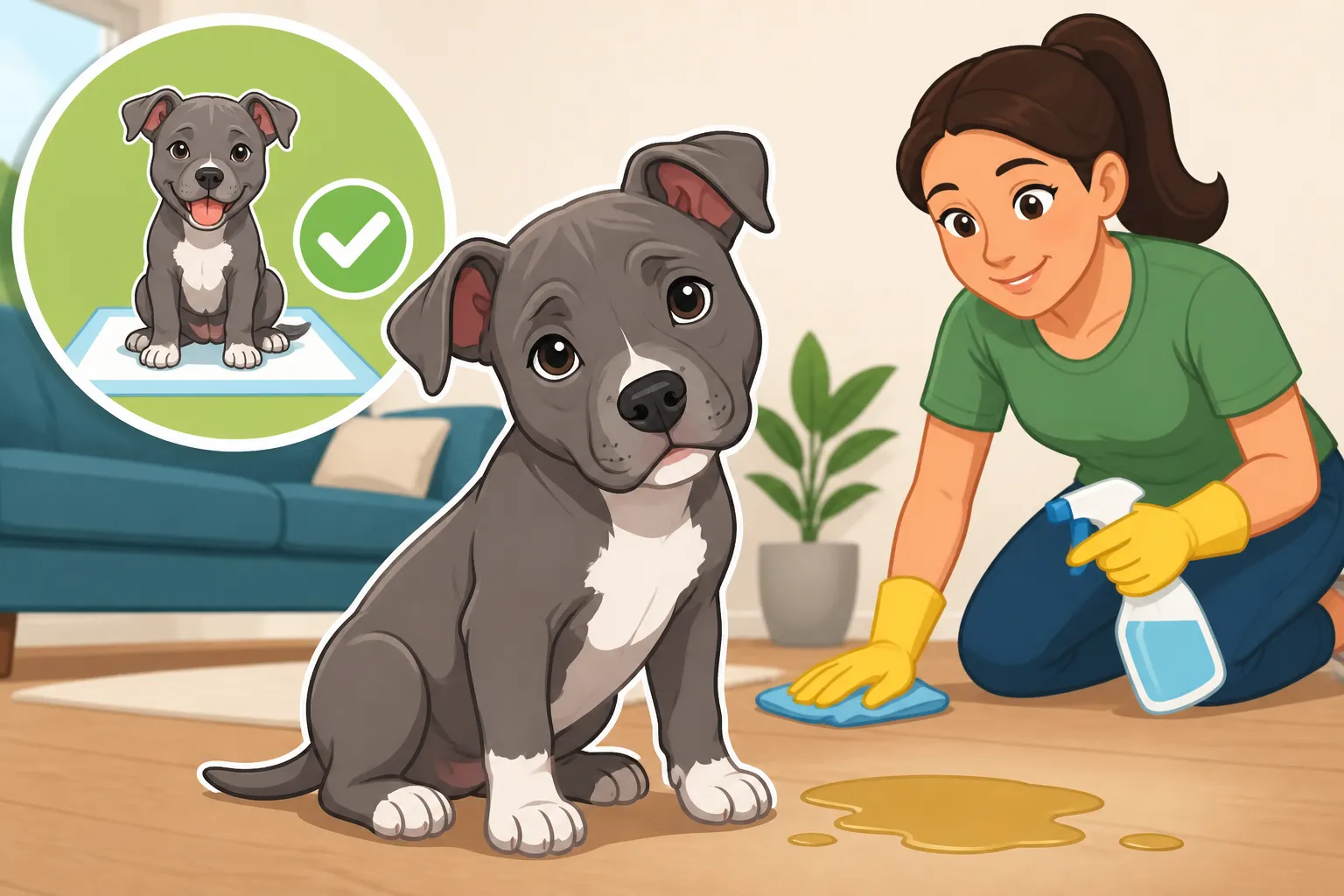
Getting a Pit Bull Puppy Clean in the House
Bringing home a Pit Bull puppy is such an exciting time, full of wagging tails and tiny paws, but let's be real: it also comes with the inevitable challenge of house training. There's nothing quite as frustrating as stepping in a puddle or finding a little "surprise" on your rug, especially when you're trying your best to teach your eager new family member the ropes. This guide is here to walk you through a clear, consistent, and compassionate approach to getting your Pit Bull puppy reliably clean in the house, turning those frustrating moments into distant memories.
Understanding Your Pit Bull Puppy's Potty Needs
Before we even talk about training techniques, it's crucial to understand what's going on inside that adorable little puppy. They aren't trying to spite you with accidents; their tiny bladders simply don't have the capacity or the muscle control of an adult dog, and they're wired to relieve themselves where they feel safe, which often means indoors if not taught otherwise. A Pit Bull puppy, like any breed, needs a structured environment to learn what's expected.
Developing Bladder and Bowel Control
A newborn puppy has zero control. They just go whenever and wherever. But as they grow, usually starting around 3-4 weeks old, they begin to gain some voluntary control. By the time you bring your Pit Bull puppy home, typically around 8-12 weeks, they have a limited ability to "hold it" – usually only for a few hours. This capacity steadily increases with age, but it's a gradual process. Expect frequent potty breaks. A general rule of thumb is that a puppy can hold their bladder for roughly one hour per month of age. So, an 8-week-old (2-month-old) puppy can usually manage about two hours. This isn't a hard and fast rule, and every puppy is different, but it gives you a realistic expectation for how often you'll need to take them out. Pushing them beyond their physiological limits will only lead to accidents and frustration for everyone.
Think about it from their perspective: they wake up, they need to go. They eat, they need to go. They play, they need to go. They're just living in the moment, and their bodies dictate a lot of their schedule. Your job is to anticipate these needs and provide the right outlet consistently.
Reading Your Puppy's Potty Signals
One of the biggest keys to successful house training is becoming a master at reading your puppy's subtle cues. They might not hold up a sign, but they will communicate their need to go. Common signs include sniffing the ground intently, circling in place, suddenly stopping play, walking towards the door, or even whining. Some puppies might get a frantic look in their eyes, while others might just subtly wander off to a quiet corner.
It’s easy to miss these signals, especially if you're engrossed in something else. That’s why active supervision is paramount in the early days. If you see any of these signs, don't hesitate. Pick them up (if they're small enough and won't get overstimulated) or quickly lead them on a leash directly outside to their designated potty spot. The quicker you act, the more likely you are to prevent an accident and reinforce the correct behavior. Remember, Pit Bulls are smart, and they'll quickly connect the dots if you're consistent.
Setting Up Your Environment for House Training Success
House training isn't just about taking your puppy outside; it's about creating a structured environment that teaches them where to go and where not to go. This involves smart use of crates, managing their space, and establishing a predictable daily rhythm.
The Role of the Crate in House Training
The crate is arguably the most powerful tool in house training, if used correctly. Dogs are naturally den animals and instinctively don't want to soil their sleeping area. A properly sized crate leverages this instinct. It should be just big enough for your Pit Bull puppy to stand up, turn around, and lie down comfortably, but not so large that they can designate one corner as a bedroom and another as a bathroom. If it's too big, you're defeating the purpose. You can often buy a larger crate for their adult size and use a divider to adjust the space as they grow. The Crate a Pit Bull Cannot Break Out Of is a good read if you're worried about finding a sturdy option for your strong chewer.
Introduce the crate as a positive, safe den, not a punishment. Feed meals in it, offer high-value chew toys, and praise them for entering. Never use it as a place to send them when you're angry. When your puppy is crated, they're typically more motivated to hold their bladder until they're let out. This teaches them bladder control and reinforces the idea that going potty happens outside the den.
| Crate Size Guide (Puppy to Adult) | Approximate Puppy Age | Crate Dimensions (L x W x H) | Pit Bull Puppy Activity Level |
|---|---|---|---|
| Small (with divider) | 8-16 weeks | 24-30 inches | Low (sleeping, short breaks) |
| Medium (with divider) | 4-8 months | 30-36 inches | Moderate (longer holds) |
| Large (no divider needed) | 8 months+ | 36-42 inches | High (adult bladder capacity) |
Note: Dimensions are approximate and depend on individual puppy growth rates. Always ensure your Pit Bull has enough space to be comfortable, but not enough to potty away from their bedding.
Establishing a Predictable Routine
Dogs thrive on routine, and Pit Bulls are no exception. A consistent schedule helps them understand when to expect food, play, and, crucially, potty breaks. From the moment your puppy wakes up, they should go outside. After eating, outside. After playing, outside. Before crating for the night, outside. And don't forget last thing before you go to bed, and first thing in the morning.
Here's a sample routine for a young Pit Bull puppy (8-12 weeks):
- Morning (First thing): Immediately outside for potty.
- Breakfast: Inside, in their designated eating spot.
- After Breakfast: Immediately outside for potty.
- Playtime/Training: Supervised indoor play or a short training session.
- Every 1-2 hours during the day: Outside for potty.
- After Naps: Immediately outside for potty.
- Lunch (if applicable): Repeat after-meal potty.
- Afternoon Play/Training: More supervised activity.
- Dinner: Repeat after-meal potty.
- Evening Play/Wind-down: Quiet time, short potty break.
- Before Bed: Last potty break for the night.
- Middle of the Night (if needed for very young puppies): A quick, no-nonsense potty break.
This might seem like a lot, but consistency is king. The more predictable their schedule, the faster your Pit Bull puppy will learn. Keep a log if it helps you stay on track, especially if multiple family members are involved in their care. The more predictable you are, the more quickly your Pit Bull will understand.
Confining and Supervising Your Puppy
When your Pit Bull puppy isn't in their crate or actively on a potty break, they need to be closely supervised. This isn't just about preventing accidents; it's about teaching them house rules and preventing destructive chewing. If you can't give them 100% of your attention, they should be in their crate or a securely puppy-proofed area like a playpen or a gated-off room (kitchen or bathroom often works well as they have easy-to-clean floors).
Using a leash, even indoors, can be incredibly helpful for supervision. You can tether them to you while you're working or relaxing, keeping them within sight. This "umbilical cord" method is fantastic because it means you'll instantly know if they start sniffing or circling. It prevents them from sneaking off to a hidden corner for an accident. Remember, every accident in the house is a missed opportunity to reinforce going outside, and it also reinforces the wrong behavior to your puppy. Preventing accidents is just as important as rewarding successful outdoor potties.
The Art of the Potty Break: Consistency and Rewards
Once you've got your routine and environment sorted, the actual potty break itself needs to be handled with purpose. It's not just a quick trip outside; it's a critical teaching moment.
Choosing and Sticking to a Potty Spot
Designate a specific outdoor area for your Pit Bull puppy to do their business. This could be a patch of grass in your yard, a specific corner, or even a tree on your walking route. Taking them to the same spot every time helps them associate that area with potty time. The scent of previous eliminations will also encourage them to go there again. This consistency helps to build a strong habit. How Fast a Pit Bull Puppy Learns the Yard talks more about how quickly they pick up on these cues.
When you take them out, go directly to this spot. Don't let them wander and play first. The mission is potty first, then play. If you live in an apartment or don't have a yard, this might mean a quick trip downstairs or outside to the nearest grassy area. Keep these initial trips focused and business-like.
Rewarding Successful Potty Breaks
This is where the magic happens! Every single time your Pit Bull puppy potties outside in the correct spot, you need to throw a party. Not literally, but close to it. Immediately offer enthusiastic verbal praise ("Good potty! Yes!"), combined with a high-value treat. Something small, soft, and super tasty that they don't get at any other time works best. The reward needs to be given immediately after they finish, within a few seconds, so they clearly connect the treat and praise with the act of going potty outside.
Avoid waiting until you get back inside. The connection will be lost. And don't praise them while they are going; it might distract them and interrupt the process. Wait until they're done. This positive reinforcement is key to shaping their behavior. Pit Bulls are intelligent and eager to please, and they'll quickly figure out that relieving themselves outside brings wonderful rewards. If they don't go, bring them back inside, put them in their crate for 10-15 minutes, and then try again. This cycle teaches them that potty breaks are for business, not just a chance to explore.
Handling Unsuccessful Potty Breaks
What if you take your puppy out, wait, and they don't go? This happens all the time. As mentioned, the best approach is to bring them back inside and put them directly into their crate for a short period, usually 10-15 minutes. This strategy capitalizes on their natural instinct not to soil their den. After this short "reset" in the crate, take them back outside to their designated potty spot and try again. Repeat this cycle of outdoor attempt, brief crating, and another outdoor attempt until they are successful.
The goal here is not punishment, but rather management and creating an environment where success is more likely. By preventing them from having the opportunity to have an accident indoors, you increase the chances of them holding it until they are in the correct outdoor location. Patience is crucial here; sometimes a puppy just isn't ready, or they got distracted. Your calm, consistent approach will eventually lead to success.
Dealing with Accidents: Cleaning, Prevention, and Patience
Accidents will happen. It's part of the puppy journey, and it's important not to get discouraged. How you react to them, and what steps you take afterward, makes all the difference.
What to Do When an Accident Happens
First rule: never punish your Pit Bull puppy for an accident, especially if you didn't catch them in the act. They won't connect your anger to the old puddle on the floor; they'll only learn to fear you. If you do catch them in the act (mid-squat or mid-stream), calmly interrupt them with a quick clap or an "Ah-ah!" and immediately pick them up or leash them and rush them outside to their potty spot. Even if they only finish a tiny bit outside, praise and reward them enthusiastically.
If you find an accident after the fact, simply clean it up without fuss. Your puppy won't understand what happened or why you're upset. The most important thing is preventing future accidents, not dwelling on past ones. The key here is not to make a big deal out of it. Your Pit Bull puppy relies on you for guidance, and negative reinforcement for accidents is counterproductive.
Proper Cleanup to Remove Odor Traces
Proper cleaning is essential. Dogs are drawn back to areas where they've previously eliminated by scent, even if you can't smell it. Standard household cleaners often contain ammonia, which can actually smell like urine to a dog, attracting them back to the same spot. You need an enzymatic cleaner that breaks down the organic matter in urine and feces, completely eliminating the odor. Brands like Nature's Miracle or Rocco & Roxie are popular and effective choices, often available on Amazon.
Spray the affected area thoroughly, let it sit for the recommended time (often 10-15 minutes), and then blot it up. You might even need to repeat the process for older or particularly stubborn stains. This step is critical in ensuring that your puppy isn't constantly tempted to go back to an old "potty spot" indoors. Don't skip it!
Avoiding Common House Training Mistakes
There are a few pitfalls new owners often fall into:
- Giving too much freedom too soon: An unsupervised puppy is an accident waiting to happen. Until they are reliably house trained, limit their access to the house, using gates, crates, or tethering.
- Inconsistent schedule: Varying potty break times, meal times, or bedtime will confuse your puppy. Stick to the routine as much as possible, even on weekends.
- Not rewarding enthusiastically enough: You need to make going outside the most exciting, rewarding thing ever! High-value treats and genuine excitement will make a huge difference.
- Punishing accidents: This creates fear and teaches your puppy to hide their accidents from you, making the problem harder to solve. Never rub their nose in it or yell.
- Not fully cleaning accidents: As mentioned, if the scent remains, your puppy will be drawn back to the spot.
- Leaving water down all the time: While puppies need access to water, you can pick up the water bowl an hour or two before bedtime to reduce overnight accidents. Just be sure they have access to water throughout the day.
Consistency, patience, and positive reinforcement are your best friends in this process. You're building a foundation of trust and understanding with your Pit Bull puppy.
Overcoming Common House Training Challenges
Even with the best intentions and a solid plan, you might hit some bumps in the road. House training isn't always a linear process, and understanding why issues arise can help you navigate them effectively.
Dealing with House Training Regression
Just when you think your Pit Bull puppy has it all figured out, they might suddenly start having accidents again. This "regression" can be incredibly frustrating, but it's often a normal part of development or a sign that something has changed. Common causes include:
- Growth spurts: As puppies grow, their bladder capacity increases, but their understanding of "holding it" might not keep pace if you haven't adjusted their schedule.
- Changes in routine: A new work schedule, a family vacation, or even moving furniture can throw a puppy off.
- Underlying medical issues: A sudden increase in accidents, especially if accompanied by changes in thirst, urination frequency, or discomfort, warrants a vet visit. Urinary tract infections are common in puppies and can cause accidents.
- Lack of consistency: Have you gotten a little lax with supervision or potty breaks? Even a small slip can undo progress.
- Stress or anxiety: New environments, fear of something outside, or even separation anxiety can lead to accidents.
When regression occurs, simply go back to basics. Treat your puppy as if they're starting house training all over again: more frequent trips outside, stricter supervision, and renewed enthusiasm for rewards. A House Trained Pit Bull Having Accidents Again is a great resource if you're struggling with this.
What if My Pit Bull Puppy Won't Potty Outside?
Sometimes, a puppy simply refuses to go when you take them out. They might just want to play, sniff around, or seem completely unconcerned with the task at hand. This can be baffling when you know they must need to go. Here's what might be happening:
- Distractions: The outside world is full of exciting sights, sounds, and smells. Keep potty breaks boring at first. No play until after they've gone.
- Fear of the outside: Some puppies are genuinely scared of loud noises, strange people, or other dogs. Make the potty spot feel safe. If needed, carry them out, put them down in their spot, and stand quietly.
- Not enough time: You might be rushing them. Give them a solid 5-10 minutes, especially if they haven't gone recently.
- Weather aversion: Pit Bulls have short coats and can feel the cold or rain more acutely. A puppy might be reluctant to go out in bad weather. Consider a puppy coat or boots for cold days, and a covered area if possible.
- Misunderstanding: They might truly not understand what's expected. Keep using your verbal cue ("Go potty!") consistently every time you take them out and they successfully eliminate.
If your puppy consistently refuses to go outside, try to identify the underlying reason. Make the outdoor experience pleasant and predictable, and continue to immediately reward success. Never force or scare them.
Pit Bulls and Destructive Chewing During House Training
While not directly a house-training issue, destructive chewing can often be linked to the frustrations or boredom that arise during the house training period. A puppy left unsupervised for too long might chew out of boredom or anxiety, and accidents can happen then too. Pit Bulls are powerful chewers, even as puppies. Pit Bull Chewing Through Furniture and Crates is a topic many owners contend with.
Ensure your puppy has plenty of appropriate chew toys, especially when in their crate. Rotating toys keeps them interesting. Providing mental stimulation through puzzle feeders or short training sessions can also help. Many online training programs, like BAXTER & Bella, offer guidance on managing puppy behavior holistically, including tips for house training and appropriate chewing. If your Pit Bull puppy is resorting to chewing your furniture or crate, it might be a sign they need more supervision, mental engagement, or a more robust chew toy.
Transitioning to Adult Habits and Beyond
House training isn't just for puppies. It's a foundational skill that evolves as your Pit Bull grows, and consistent reinforcement ensures a lifetime of good habits.
Gradual Increase of Freedom and Trust
As your Pit Bull puppy matures and becomes more reliable with their house training, you can gradually start giving them more freedom in the house. This means less crate time (outside of sleeping and when you're away), longer periods of unsupervised access to certain rooms, and eventually, full run of the house.
The key word here is "gradual." Don't go from 100% supervision to zero overnight. Start by leaving them unsupervised in a gated-off room for short periods (15-30 minutes), then slowly extend the time. Monitor for accidents. If they have an accident, it means you've probably moved too fast. Go back a step and reinforce the basics. Remember, a Pit Bull’s bladder capacity grows, but their understanding of house rules needs continuous reinforcement. It can take up to a year, sometimes even longer, for a dog to be truly bomb-proof in their house training.
Maintaining the Routine as Your Pit Bull Matures
Even when your Pit Bull is a house-training pro, it's wise to maintain some semblance of a routine. Regular potty breaks, especially first thing in the morning, last thing at night, and after meals, should remain consistent throughout their lives. This helps prevent unexpected accidents and reinforces good habits. Adult Pit Bulls, with their strong build and energy, need regular outdoor exercise anyway, so integrating potty breaks into walks and play sessions is natural.
Life happens, and routines sometimes get disrupted. If you have guests, travel, or change your schedule, be extra vigilant with your Pit Bull's potty needs. Some dogs are more sensitive to changes than others. It's always better to be proactive and take them out more often than to risk an accident.
When to Seek Professional Guidance
Most Pit Bull puppies will become reliably house trained with consistent effort from their owners. However, if you've been diligently following all the steps and your puppy is still having frequent accidents, or if you notice sudden, severe regression, it might be time to consult with a professional.
- Veterinarian: Rule out any medical conditions first. A urinary tract infection, bladder stones, or other health issues can manifest as house-training problems. Pit Bull Puppy Vaccination and Parvovirus is a good reminder to keep up with vet visits for overall health.
- Certified Professional Dog Trainer: If medical issues are ruled out, a trainer specializing in positive reinforcement and puppy behavior can offer personalized advice. They can observe your puppy's behavior, assess your routine, and suggest tailored strategies for your specific situation. Online puppy schools, like BAXTER & Bella, also offer virtual consultations and structured programs that can be invaluable for persistent challenges. Sometimes, an outside perspective makes all the difference.
Remember, every puppy is an individual, and the house training journey can vary. With patience, consistency, and a positive approach, your Pit Bull puppy will soon be a reliably clean and happy member of your household.
Disclaimer
This article is for general informational purposes only and does not constitute professional advice. Laws, prices and regulations vary by location and change over time. Consult a qualified professional for guidance on your specific situation.